
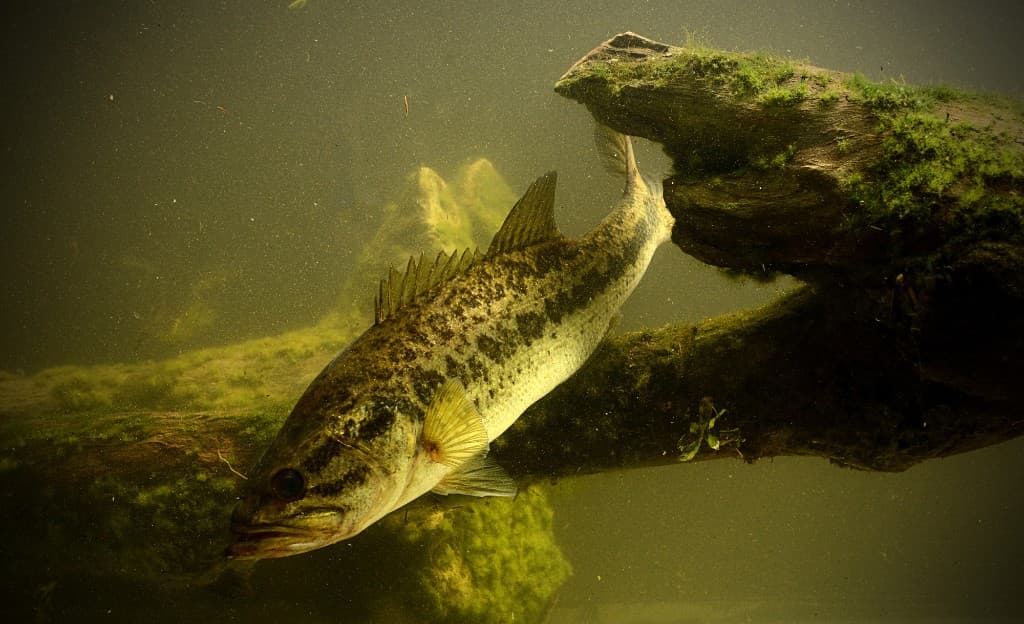
Alabama fishing 2026—freshwater and saltwater license options, official Outdoor Alabama regulations, Mobile Bay and Gulf planning, and reservoir rule links.
2026 seasons & limits
Verify rules with Alabama fish & wildlife
- Confirm open seasons, daily bag, and possession limits for each species and water you fish.
- Check length and slot rules—many lakes, rivers, and bays have special tables beyond statewide defaults.
- Review 2026 summaries and any emergency orders (closures, health notices, gear rules) before you go.
The Inside Spread orients you for trip planning only. Conservation officers enforce the official published regulations—not articles or forum posts.
Need an Alabama fishing license, the current regulations, or the right official page before your trip? Start by deciding whether your day is freshwater or saltwater. That one split controls most of the license, season, and harvest questions that trip anglers up on major reservoirs, Mobile Bay, Mississippi Sound, and Gulf beaches. Outdoor Alabama — Fishing is the official source for 2026 license details, regulations, and emergency notices.
Alabama stretches from Tennessee River impoundments in the north to Gulf water in the south, and those fisheries do not share the same rulebook. Reservoir anglers may be dealing with black bass slots or tournament provisions, while saltwater anglers need marine tables for species, regions, and seasonal updates. If your trip crosses both inland and marine water, carry both sets of rules before you launch.
2026 Seasons, Limits, and Rule Changes
This article is not the law. Your state's fish and wildlife agency publishes the official rules—online digests, mobile apps, and emergency notices—and those sources control what you can keep, when you can fish, and where.
Alabama layers freshwater and saltwater rules differently; named lakes, rivers, and bays often have special regulations beyond statewide defaults; border waters and stocks shared with neighboring states or federal waters can add more rules. Always match the species, water body, and date you plan to fish to the correct table.
What to verify before every trip
- Seasons and closures for each species you target (game fish, panfish, trout, salmon, steelhead, or saltwater species)
- Daily and possession limits (creel limits) and whether aggregate caps apply across similar species
- Minimum and maximum length and slot limits, plus how length is measured (total length vs. fork length)
- Gear restrictions (bait, hooks, tackle) where they apply
- Special rules for WMAs, community fishing waters, trophy waters, and border waters
2026 updates and mid-season changes
Agencies publish annual summaries and sometimes emergency orders (water quality, fish health, stock changes, or temporary closures). Before you plan 2026 trips:
- open the current regulations for the license year that covers your dates
- check your agency's news or rule change page for new limits, stamps, or reporting rules
- read invasive species and bait movement notices if you move boats or gear between waters
If a forum or social post disagrees with the agency PDF, trust the agency and walk away from edge cases.
Popular species: what to look up in the digest
Use the index or online tools to find limits for the fish you actually plan to catch—black bass (largemouth, smallmouth, spotted), panfish (crappie, bluegill, perch, sunfish), catfish, trout and salmon (including steelhead where present), walleye and sauger, muskies and pike, and—if your trip includes coastal or estuary water—saltwater species such as red drum, spotted seatrout, snapper, groupers, striped bass, and flounder. Do not keep fish until you match the species to the exact rule line for that water body and date.
| Topic | Verify in the official digest |
|---|---|
| Daily bag | Per-day harvest limit per species or aggregate groups |
| Possession | Fish you may have in camp, cooler, or vehicle combined |
| Length / slot | Minimum, maximum, or protected length bands |
| Season | Opening and closing dates, catch-and-release-only windows, closures |
Alabama official source: Alabama Department of Conservation and Natural Resources — Fishing
Species-specific guides (2026)
Deeper dives on Alabama’s top game fish—history, where they live, 2026 regulations, and how to fish for them:
How Alabama Organizes Freshwater and Saltwater Rules
Alabama’s inland fisheries cover rivers, reservoirs, public fishing lakes, and streams managed for trout in selected locations. The state’s large Tennessee River reservoirs—Pickwick, Wilson, Wheeler, and Guntersville among them—function like inland seas within the state, with major tournament traffic, heavy recreational pressure, and habitat work that can move fish from year to year. ADCNR sets statewide rules for many species while also listing special regulations on specific waters. That means two lakes an hour apart can have different length limits or creel limits for the same species. Your practical workflow should be: identify the water body, open the current freshwater regulations summary, then scan for special regulations listings before you cull fish to the livewell.
Saltwater fishing in Alabama is not “one table for the whole Gulf.” Inshore anglers working grass edges and bayous follow rules tuned to estuarine species. Nearshore and beach anglers encounter additional considerations for sharks, reef fish, and highly migratory species where federal rules may overlap. Mobile Bay’s salinity swings with river flow; after heavy rain, freshwater pushes farther south and can move fish and change access. Kayak anglers and wade anglers should pay attention to shipping traffic, wind, and visibility in addition to regulations. Treat temporary closures after storms as serious—debris, water quality, and safety closures show up on agency pages and local news.
What Alabama Fishing License Do You Need?
Most resident and nonresident anglers need an Alabama fishing license unless they qualify for an exemption. Alabama historically offers multiple license packages; the exact lineup and fees change annually, so start at Outdoor Alabama and read the current license page rather than relying on forum posts. If you fish freshwater only, you need privileges that cover inland fishing. If you fish saltwater, you need privileges that cover marine fishing. If you do both, buy the combination that matches your year—trying to save a few dollars at the ramp is expensive if a check reveals the wrong credential.
Youth and senior categories, disability exemptions, and military provisions may apply depending on your situation. Some special community fishing events or free fishing days are announced on the agency site. Nonresidents should confirm whether a short-term license fits a single trip or whether an annual license is cheaper if you will return for multiple seasons. When you purchase online, save the confirmation, screenshot the credential, or carry a printed copy where required. Cellular service fails at many Alabama ramps.
Wildlife Management Areas and certain public lands may add access rules beyond a fishing license. Some areas require permits, have seasonal closures, or restrict bait types. If you plan to bank-fish or boat-fish on WMA waters, read the area-specific information on Outdoor Alabama before you go. The Wildlife Heritage License and related programs sometimes interact with access funding; even if you do not need it for fishing, understanding what it supports helps you see why access stays open.
Tennessee River Reservoirs: Pickwick, Wheeler, Wilson, and Guntersville
North Alabama’s Tennessee River chain defines much of the state’s national fishing identity. Pickwick Lake offers smallmouth and largemouth opportunities on ledges, humps, and current seams, with tournament pressure that can educate fish quickly. Wheeler and Wilson add diverse habitat from creek arms to main-river structure. Lake Guntersville remains a household name in bass fishing because of grass mats, offshore structure, and the sheer number of quality fish—along with heavy boat traffic on weekends and holidays.
On these reservoirs, success is rarely random. Current from Tennessee Valley Authority operations changes water position on structure; wind stacks bait; and seasonal movements push bass shallow in spring and deeper in summer heat. Crappie anglers spider-rig open water in winter and spring, while dock shooters target shade lines when the spawn approaches. Catfish anglers work channel swings and tailrace areas where food concentrates. Because tournaments are common, etiquette matters: give room at ramps, idle where required, and avoid cutting off another angler working a visible pattern.
Always check special regulations for black bass on these waters. Slot limits and harvest restrictions exist to protect quality fisheries. If you fish catch-and-release, minimize air exposure, support fish horizontally, and avoid dragging fish across dry carpet. For tournament anglers, measuring boards, aerated livewells, and fizzing knowledge (where appropriate under rules and best practices) matter.
Central and Southern Alabama Lakes and Rivers
Beyond the Tennessee River chain, Alabama contains diverse inland waters from Piedmont reservoirs to coastal plain rivers. Some lakes emphasize largemouth and spotted bass; others produce quality crappie and bluegill. River fisheries can offer current-oriented species like catfish and bass on wood and rock. Public fishing lakes and state lakes provide accessible shore fishing for families and beginners when regulations allow.
River access can be public at bridges, parks, and boat ramps, but never assume every shoreline is open. Private land meets public water in many places—know trespass rules and respect landowners. When water is low, stumps and rocks that were deep last season become hazards. Carry a push pole or kicker motor strategy for skinny water if you run shallow-draft boats.
What Mobile Bay and Gulf Anglers Should Know
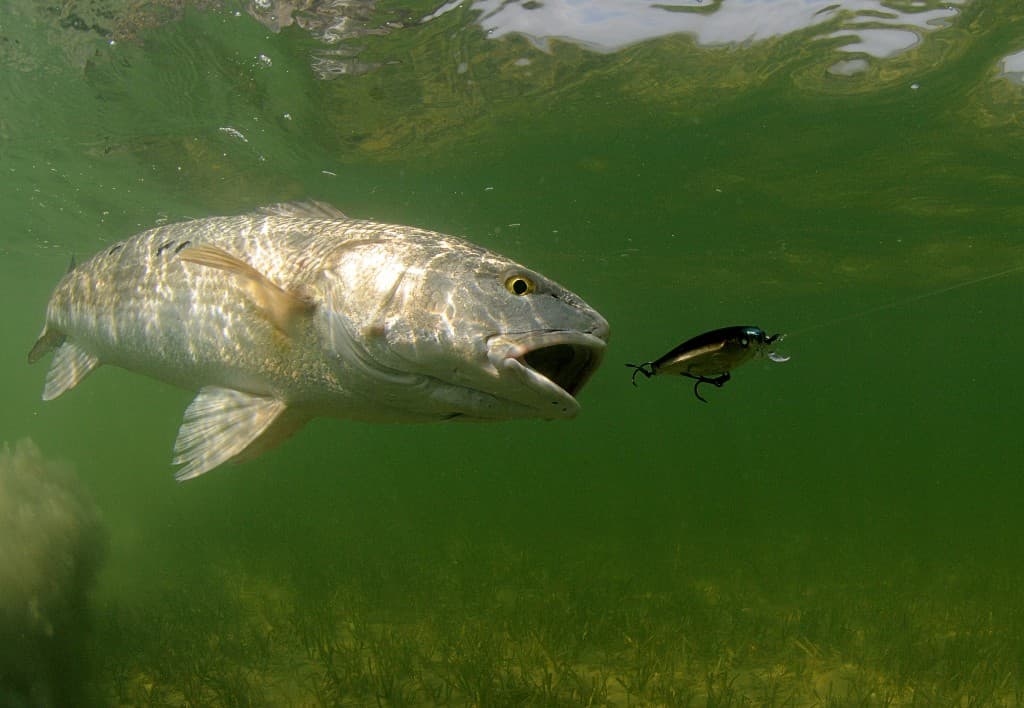
Mobile Bay and the Mississippi Sound offer a different skill set than reservoir fishing. Speckled trout, redfish, and flounder draw steady attention, while tripletail, sheepshead, and other species fill seasonal niches. Tides matter: moving water positions fish on points, drains, and grass edges. Wind can dirty water and push bait; calm clear days can make fish spooky. Kayak anglers should plan colorful flag visibility, PFD wear, and awareness of larger vessel wakes.
Gulf beaches and passes add surf fishing for pompano, mackerel, and other species depending on season and regulations. Shark fishing brings additional handling and safety responsibilities; know identification and size rules before you decide to harvest. If you fish near swimmers or crowded beaches, ethics and local ordinances matter as much as the regulation booklet.
Seasonal Patterns: When Alabama Fishing Peaks
Spring pushes bass shallow for spawning phases across reservoirs; crappie concentrate for spawning in creek arms; and saltwater inshore fishing often improves as water temperatures stabilize. Summer concentrates many bass anglers on early mornings, nights, or offshore structure where oxygen and temperature remain tolerable. Fall can offer some of the year’s best shallow feeding windows as bait moves. Winter rewards patience—slow presentations for bass, vertical fishing for crappie, and selective days on saltwater when fronts stabilize.
Weather systems move fast in the Gulf South. Thunderstorms can appear with little warning. Carry lightning safety discipline: if you can hear thunder, you are close enough to be at risk. Fog on bays reduces visibility for boat traffic—GPS, compass, and reduced speed matter.
Access, Ramps, and Courtesy
Popular ramps fill early on weekends. Arrive with plug ready, batteries checked, and lights working for low-light launches. At the ramp, prepare your boat away from the lane, launch efficiently, and move downstream or upstream to rig rods so the next trailer can move. When retrieving, load quickly and pull forward to secure straps if the parking lot allows.
Bank anglers should park legally, pack out trash, and avoid blocking gates or private drives. If you use live bait, know legal bait rules and avoid moving invasive species between waters. Clean, drain, and dry boats and gear when moving between water bodies to reduce spreading plants and animals that harm fisheries.
Reading Emergency Orders and In-Season Updates
Even careful anglers get surprised when a fishery changes mid-season. Emergency orders can adjust size limits, bag limits, or seasons in response to fish health, enforcement needs, or overlapping jurisdictional requirements. Build a habit of checking Outdoor Alabama news and regulation summaries the week of your trip, not only in January. If you fish tournaments, verify that your trail’s rules align with ADCNR—some tournament provisions require immediate release or specific handling steps that go beyond casual fishing. Screenshots help when cell service is weak, but paper copies in a dry bag still work when batteries die on the water.
Conservation and Alabama’s Fisheries Future
Alabama’s fisheries depend on habitat work, law enforcement, and anglers who follow science-based limits. Report tagged fish when instructions ask for it. If you see illegal netting, gross waste, or habitat destruction, notify authorities through appropriate channels. Invasive species like silver carp where present can affect boating and native food webs—learn recognition and reporting steps from ADCNR. Native Alabama bass and black bass genetics matter to biologists—avoid moving fish between drainages or stocking unapproved fish from bait buckets. Every season, a few careless decisions create years of recovery work.
Plan Your Alabama Fishing Trip
Pair this pillar with our Alabama hunting and outdoors guide and the Alabama fishing hub for regional context. Browse fishing articles for techniques that complement regulations. If you travel with family, build trips around safe shore access and shorter sessions—Alabama heat and humidity punish unprepared crews.
Frequently Asked Questions
Do I need a fishing license in Alabama?
Most anglers need a valid Alabama fishing license with appropriate freshwater or saltwater privileges unless an exemption applies; check Outdoor Alabama for age-based and event-based exemptions.
Where can I find Alabama fishing regulations?
Use the Outdoor Alabama fishing section for freshwater and saltwater regulations, including size and bag limits by water body and species.
What are popular Alabama fisheries?
Major reservoirs such as Pickwick, Wheeler, and Martin are known for bass and crappie; Mobile Bay and Gulf beaches offer inshore and nearshore saltwater opportunities.
Can I fish with both freshwater and saltwater privileges on the same trip?
If your day includes both freshwater and saltwater, purchase the combination of licenses or privileges that matches where you will fish; border waters and estuaries can have special rules—read the current digests.
Where are Alabama fishing regulations posted for tournaments?
Tournament organizers and anglers should follow ADCNR black bass rules and any additional permit conditions; verify livewell, measuring, and catch-and-release tournament provisions in the regulations.
How do I report invasive species or fish kills?
Use ADCNR contacts listed on Outdoor Alabama for aquatic invasive species sightings and unusual fish kills so biologists can respond and protect fisheries.
Sources
- Alabama Department of Conservation and Natural Resources. "Fishing." Outdoor Alabama, outdooralabama.com/fishing. Accessed 31 Mar. 2026.
- Alabama Department of Conservation and Natural Resources. "Licenses." Outdoor Alabama, outdooralabama.com/licenses. Accessed 31 Mar. 2026.
- Tennessee Valley Authority. "Reservoir Information." TVA, tva.com/environment/lake-levels. Accessed 31 Mar. 2026.
- U.S. Coast Guard. "Recreational Boating Safety." USCG, uscgboating.org. Accessed 31 Mar. 2026.
Official state agency
Alabama Department of Conservation and Natural Resources — FishingVerify season openings, daily bag, possession, and length or slot rules for each water and species you target—plus any 2026 rule changes or emergency orders—before you fish.
Written by
The Inside Spread Team
The Inside Spread team covers fishing regulations and access across all 50 states. We tie every guide to official agency sources so you can verify seasons, bag limits, and license rules before you launch.
Comments
No comments yet. Be the first to share your thoughts.
More in state-guides
Arkansas Duck Hunting 2026: Season Dates, WMA Permits, License Costs & Complete Guide
Arkansas duck hunting 2026-27—three-segment season dates, nonresident WMA waterfowl permits, Black River and Bayou Meto access changes, and Delta license costs.
Georgia Whitetail Deer Hunting 2026: Season Dates, Extended Counties, License Costs & Nonresident Guide
Georgia whitetail deer hunting 2026-27—archery, primitive weapons, and firearms dates, 29-county extended archery, 12-deer bag, Game Check, and the nonresident guide.
Kentucky Whitetail Deer Hunting 2026: Season Dates, Zone Changes, License Costs & Nonresident Guide
Kentucky whitetail deer hunting 2026-27—archery, crossbow, and modern gun dates, the 2026 zone map, license and deer permit costs, Telecheck, and the nonresident guide.
Michigan Whitetail Deer Hunting 2026: Season Dates, License Costs, UP vs LP & Nonresident Guide
Michigan whitetail deer hunting 2026—archery, firearm, and three-day December dates, DNR license fees, Upper vs Lower Peninsula rules, baiting, and the nonresident guide.