
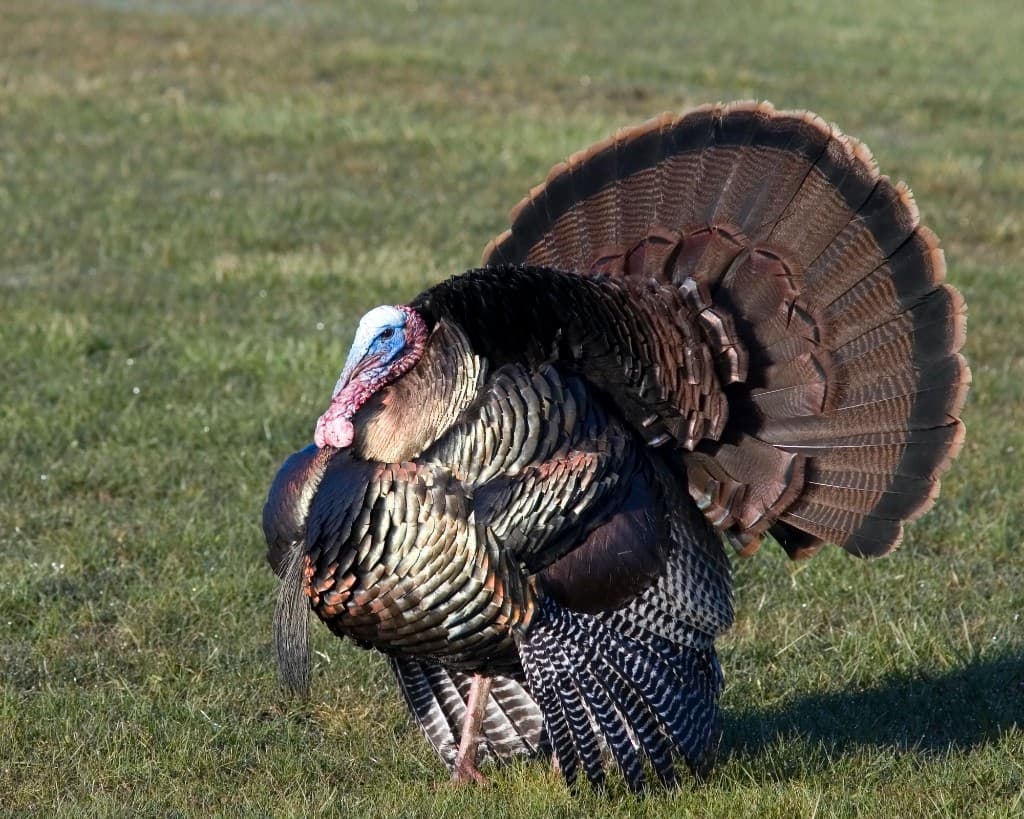
Alabama Spring Turkey Hunting 2026: One of the Longest Seasons in America
Alabama spring turkey 2026—season dates by zone, 4-bird bag limit, decoy rules, and why Alabama is a top destination for spring gobbler hunters.
Alabama gives spring turkey hunters one of the longest seasons in the country—more than six weeks of hunting with a generous four-bird season limit. Three zones stagger opening dates so pressure spreads across the state, and public land options range from Appalachian hardwoods to Black Belt bottomlands. Whether you are a resident planning opening morning or a nonresident building a road trip, here is what you need to know for 2026.
- Season: March 25 – May 8 (Zones 1 and 3); April 1 – May 8 (Zone 2)
- Bag limit: 1 gobbler per day, 4 per season
- Decoys restricted until April 4 (Zone 1/3) or April 11 (Zone 2)
When Is Alabama Spring Turkey Season 2026?
Alabama splits the state into three turkey zones, each with its own opening date. All three zones share a May 8 closing date.
- Zone 1 (northern counties): March 25 – May 8
- Zone 2 (central counties): April 1 – May 8
- Zone 3 (southern counties): March 25 – May 8
- Youth hunt weekend: March 21–22 (statewide, ages 15 and under with licensed adult)
- Disabled hunter hunts: Dates vary by WMA; check ADCNR for specific schedules
Zone boundaries follow county lines. If you plan to hunt near a zone border, confirm which zone your property or WMA falls in before opening day. Season dates and regulations are subject to change—verify with Outdoor Alabama before your hunt.
Bag Limits and Decoy Rules
Alabama's season bag limit is four gobblers total, with a daily limit of one. That is one of the most generous turkey limits in the Southeast, and it is a big reason out-of-state hunters build multi-week trips around the Alabama season.
Decoy use is restricted during the first portion of the season:
- Zone 1 and Zone 3: Decoys allowed April 4 and after
- Zone 2: Decoys allowed April 11 and after
- Mechanical or motorized decoys are prohibited at all times
- Standard non-mechanical decoys (hens, jakes, strutting toms) are legal once the decoy window opens
The early-season decoy ban is designed to reduce aggressive hunting pressure on gobblers during the first week when birds are most responsive. If you are an out-of-state hunter who relies on a Flextone Thunder Chick and Jake setup, plan your Alabama trip for the second week or later.
License Requirements
All hunters need a valid Alabama hunting license and a turkey harvest record. Nonresidents can purchase a 10-day all-game license or a season license depending on trip length. A WMA license is required for anyone hunting on public Wildlife Management Areas.
- Resident hunting license
- Nonresident all-game license (10-day or season)
- Turkey harvest record (included at no extra cost with license purchase)
- WMA license (required for public land hunts)
Licenses and harvest records are available online through Outdoor Alabama's license portal. Carry your harvest record in the field and tag birds immediately upon recovery.
Hunting Hours
Alabama's spring turkey hunting hours run from official sunrise to 1:00 PM during the regular season. This is a hard cutoff—no afternoon hunting is allowed.
Youth hunts follow the same hours. The noon-ish endpoint keeps afternoon disturbance off the roost and is part of the state's long-term gobbler management strategy.
Where to Hunt on Alabama Public Land
Alabama manages more than 700,000 acres of WMAs across the state, and many hold solid turkey populations. Public land rules include a limit of one gobbler per WMA per season and a 10-day waiting period: you cannot harvest a gobbler on any WMA during the first 10 days of that zone's season.
Top WMAs and public forests for spring turkey:
- Bankhead National Forest (Lawrence/Winston counties): 180,000+ acres of mixed hardwood and pine in Zone 1. Ridgetop logging roads provide access to mature timber with open understory. Free to hunt with a valid license and WMA permit.
- Choccolocco WMA (Calhoun/Cleburne counties): 22,000 acres of Appalachian foothills habitat in Zone 1. Steep terrain filters out casual hunters, and birds roost along creek drainages.
- Barbour WMA (Barbour County): 28,000 acres in Zone 3 with a mix of planted pines and hardwood bottoms. Good road access and bird numbers make it popular—scout early and hunt the back corners.
Additional options include Skyline WMA, Lauderdale WMA, and the Talladega National Forest sections. Check the ADCNR WMA Turkey Hunting page for maps, access points, and any special-draw requirements.
If you are new to hunting public land turkeys, arrive a few days early to scout roost sites and travel corridors.
Key Regulations
- Legal weapons: shotguns (10-gauge or smaller, no larger than #2 shot), muzzleloading shotguns, bows, and crossbows
- No rifles for turkey in Alabama
- No electronic or recorded calls
- No baiting
- Gobblers only—no hens or jakes
- Harvest must be reported through the Outdoor Alabama Game Check app within 24 hours
- Hunter orange is not required during spring turkey season but is recommended when walking to and from your setup
For the complete regulation summary, visit Outdoor Alabama Turkey Hunting and HuntingLocator Alabama Turkey.
Plan Your Alabama Turkey Hunt
Alabama's combination of a long season, four-bird limit, and staggered zone openings makes it one of the best spring turkey destinations in the country. The state's public land system is extensive, the terrain is diverse, and gobbler numbers support consistent action across most zones.
Start with the Alabama hunting guide for a full breakdown of seasons, licenses, and public land across the state. If you are heading south for the first time, read our last-minute turkey hunting checklist and budget turkey gun guide to make sure your kit is squared away. Bringing a young hunter along? Our guide to inspiring youth hunters covers what works in the field. And if you want to understand who actually pays for wildlife conservation in states like Alabama, the answer matters more than most hunters realize.
Sources
- Alabama Department of Conservation and Natural Resources. "Turkey Hunting." Outdoor Alabama, outdooralabama.com/turkey-hunting. Accessed 18 Mar. 2026.
- HuntingLocator. "Alabama Turkey Hunting." HuntingLocator, huntinglocator.com/turkey-hunting/alabama. Accessed 18 Mar. 2026.
- Alabama Department of Conservation and Natural Resources. "Wildlife Management Areas." Outdoor Alabama, outdooralabama.com/wildlife-management-areas. Accessed 18 Mar. 2026.
Official state agency
Alabama Department of Conservation and Natural Resources (Outdoor Alabama)Verify seasons, bag limits, and license rules with the agency before you hunt.
Written by
The Inside Spread Team
The Inside Spread team covers hunting seasons, regulations, and public land strategy across all 50 states. Our writers include experienced turkey hunters who have chased gobblers from the Gulf Coast to the Tennessee Valley.
Comments
No comments yet. Be the first to share your thoughts.
More in state-guides
Arkansas Duck Hunting 2026: Season Dates, WMA Permits, License Costs & Complete Guide
Arkansas duck hunting 2026-27—three-segment season dates, nonresident WMA waterfowl permits, Black River and Bayou Meto access changes, and Delta license costs.
Georgia Whitetail Deer Hunting 2026: Season Dates, Extended Counties, License Costs & Nonresident Guide
Georgia whitetail deer hunting 2026-27—archery, primitive weapons, and firearms dates, 29-county extended archery, 12-deer bag, Game Check, and the nonresident guide.
Kentucky Whitetail Deer Hunting 2026: Season Dates, Zone Changes, License Costs & Nonresident Guide
Kentucky whitetail deer hunting 2026-27—archery, crossbow, and modern gun dates, the 2026 zone map, license and deer permit costs, Telecheck, and the nonresident guide.
Michigan Whitetail Deer Hunting 2026: Season Dates, License Costs, UP vs LP & Nonresident Guide
Michigan whitetail deer hunting 2026—archery, firearm, and three-day December dates, DNR license fees, Upper vs Lower Peninsula rules, baiting, and the nonresident guide.