
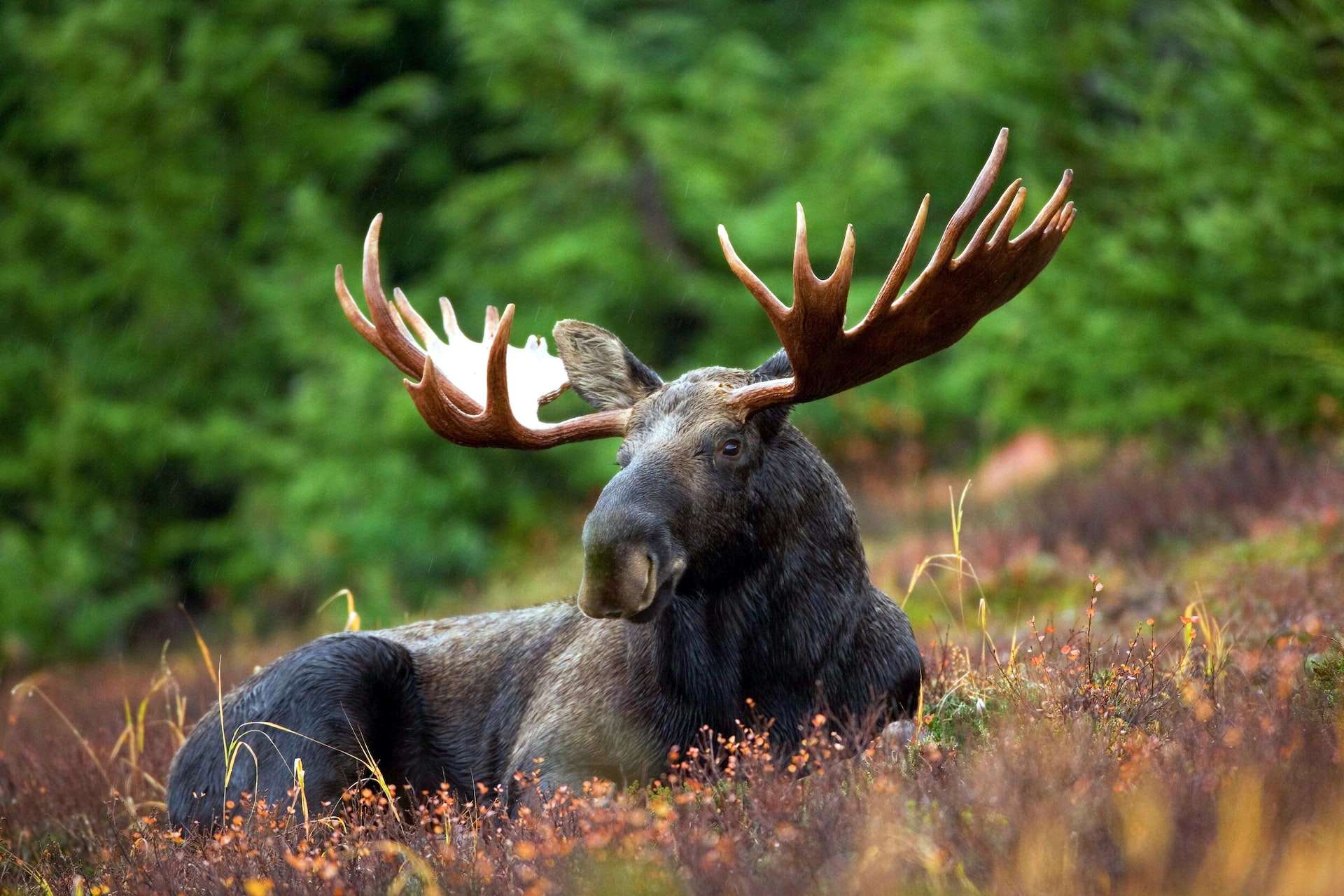
There’s a Facebook post making the rounds lately, referencing an article from Wildlife for All that claims hunters and anglers don’t really pay for wildlife…
There’s a Facebook post making the rounds lately, referencing an article from Wildlife for All that claims hunters and anglers don’t really pay for wildlife conservation. The piece argues that non-consumptive users contribute just as much or more than those of us who hunt and fish.
This has led me to do my own research to help everyone understand what really is happening in the conservation world.
Let’s set the record straight with facts, figures, and the full picture of conservation funding in America.
This is Part 1 of a two-part series on who pays for wildlife conservation. Continue with Part 2: Pittman-Robertson, Licenses, and the Funding Cliff Nobody Wants to Talk About—the nearly 15-percent decline in federal Wildlife Restoration apportionments from FY2024 to FY2026, and how to broaden the funding base without erasing hunters and anglers.
The Claim: Hunters Don’t Really Pay
The Wildlife for All article makes several arguments:
- Federal agencies manage 600 million acres and spend $16 billion annually—funded by all taxpayers, not just hunters
- Non-consumptive users contribute an estimated 48% of state wildlife agency budgets
- Most Pittman-Robertson funds come from non-hunters buying firearms for self-defense, not hunting
On the surface, these points sound compelling. But they conveniently ignore the full scope of hunter and angler contributions, misrepresent what conservation actually means, and downplay the massive financial engine that sportsmen and women have built over the past century.
The Reality: Hunters and Anglers Are Conservation’s Backbone
Pittman-Robertson and Dingell-Johnson: The Gold Standard
Since 1937, the Pittman-Robertson Wildlife Restoration Act has generated over $15 billion for wildlife restoration and habitat conservation. In 2024 alone, the program delivered nearly $1 billion to state wildlife agencies for habitat work, public access, and species recovery.
The Dingell-Johnson Sport Fish Restoration Act has contributed over $12 billion since its inception, with approximately $700 million generated annually to support fisheries management, aquatic habitat restoration, and boating access.
**“Between 1937 and 2023, excise taxes paid on firearms, ammunition, and archery gear generated $15 billion for wildlife restoration and habitat.” These programs are funded by an 11% federal excise tax on firearms, ammunition, and archery equipment, and a 10% tax on fishing equipment. Yes, some of that revenue comes from non-hunters buying firearms for self-defense but the program was designed, championed, and passed by hunters themselves in 1937. Sportsmen literally asked Congress to tax them to fund conservation. No other recreational group has ever done anything remotely close.
State Hunting and Fishing Licenses: Direct Funding
In 2024, state governments collected nearly $1.95 billion from hunting and fishing licenses alone. This money flows directly into state wildlife agencies to fund:
- Habitat restoration and management
- Wildlife research and monitoring
- Law enforcement and anti-poaching efforts
- Hunter education and safety programs
- Public access to hunting and fishing lands
Unlike general tax revenue that gets spread across countless programs, license dollars are dedicated exclusively to wildlife management and conservation. When you buy a hunting or fishing license, 100% of that money goes toward wildlife.
$1.95 Billion: Total state hunting and fishing license revenue in 2024, funding wildlife agencies across all 50 states.
Conservation Organizations: Boots on the Ground
Hunter- and angler-backed conservation groups don’t just write checks—they roll up their sleeves and do the work. Here’s what these organizations accomplished recently:
**Rocky Mountain Elk Foundation (RMEF)
- Conserved or enhanced 203,000 acres of wildlife habitat in 2024 alone
- Opened or improved public access to nearly 22,000 acres
- Surpassed 9 million acres of lifetime conservation work
- Invested $1.6 million in wildfire restoration in 2023, leveraging $6.4 million in partner funding
**National Wild Turkey Federation (NWTF)
- Positively impacted 894,747 acres of wildlife habitat in fiscal year 2024
- Conserved 1 million acres in 2023
- Distributed $655,447 to nine wild turkey research projects in 2024
- For every dollar donated, the NWTF leverages additional partner funding to maximize conservation impact

**Ducks Unlimited (DU)
- Delivered more than 1 million acres of conservation in 2024
- Protected and restored over 641,000 acres of wetlands and crucial wildlife habitats in 2023
- Conserved 22,170 acres of freshwater wetlands and protected 25,319 acres of seagrass habitats in Mexico alone
These groups are funded almost entirely by hunters and anglers through memberships, donations, banquet fundraisers, and merchandise sales. They don’t rely on government grants or taxpayer dollars—they’re powered by people who care deeply about wildlife and wild places.
**“In 2024, RMEF conserved or enhanced more than 203,000 acres of wildlife habitat and opened public access to nearly 22,000 acres—funded by hunters.”
Volunteer Hours and Sweat Equity
Beyond dollars, hunters and anglers contribute millions of volunteer hours annually to conservation projects:
- Habitat restoration (planting trees, removing invasive species, prescribed burns)
- Trail maintenance and public land stewardship
- Wildlife surveys and citizen science projects
- Youth mentorship and hunter education programs
These volunteer efforts represent an enormous economic contribution that’s rarely quantified but absolutely essential to conservation success.
What Is Conservation, Really?
Here’s where the Wildlife for All argument falls apart: they claim that much of what state wildlife agencies do is “hunting and fishing management,” not “conservation.”
But what do they think conservation is?
Real conservation includes:
- Setting science-based harvest limits to ensure sustainable populations
- Restoring and managing habitats (wetlands, forests, grasslands)
- Controlling invasive species and predators to protect vulnerable wildlife
- Reintroducing species to historic ranges
- Monitoring wildlife populations through research and surveys
- Enforcing laws against poaching and illegal take
- Providing public access to wild lands
All of these activities are funded primarily by hunters and anglers. State wildlife agencies don’t just manage “opportunities” for hunting and fishing—they manage entire ecosystems, and they do it with dollars that come overwhelmingly from sportsmen and women.
The idea that managing hunting seasons isn’t conservation is absurd. Sustainable harvest is one of the most powerful conservation tools we have. It keeps populations healthy, generates funding for habitat work, and creates a constituency of people who care deeply about wildlife.
The Federal Lands Argument: A Red Herring
Wildlife for All points out that federal agencies manage 600 million acres at a cost of $16 billion annually, funded by all taxpayers. True—but misleading.
First, federal lands wouldn’t exist without hunters. The conservation movement that led to the creation of national forests, wildlife refuges, and the National Park Service was driven largely by sportsmen like Theodore Roosevelt, Aldo Leopold, and George Bird Grinnell.
Second, hunters and anglers are taxpayers too. We contribute to federal land management just like everyone else—but we also contribute additional, dedicated funding through Pittman-Robertson, Dingell-Johnson, Duck Stamps, and license fees.
Third, many federal lands are managed specifically for hunting and fishing. National Wildlife Refuges, Bureau of Land Management lands, and National Forests all provide hunting and fishing opportunities as part of their mission. These lands wouldn’t be as well-funded or well-managed without the political and financial support of sportsmen.
**“Hunters and anglers don’t just pay taxes like everyone else—they pay additional, dedicated excise taxes that fund wildlife conservation at the state and federal level.”
The Bottom Line: Hunters and Anglers Are Conservation’s MVPs
Let’s summarize the numbers:
- $1 billion annually from Pittman-Robertson (2024)
- $700 million annually from Dingell-Johnson
- $1.95 billion annually from state hunting and fishing licenses
- Millions of acres conserved annually by hunter-funded organizations (RMEF, NWTF, DU, and others)
- Millions of volunteer hours contributed by hunters and anglers
- Over $27 billion in total contributions since Pittman-Robertson began in 1937
They restore wetlands. They plant trees. They reintroduce elk or recover endangered species. They open public access or fund wildlife research. Hunters and anglers do all of that—and we’ve been doing it for nearly a century.
What You Can Do
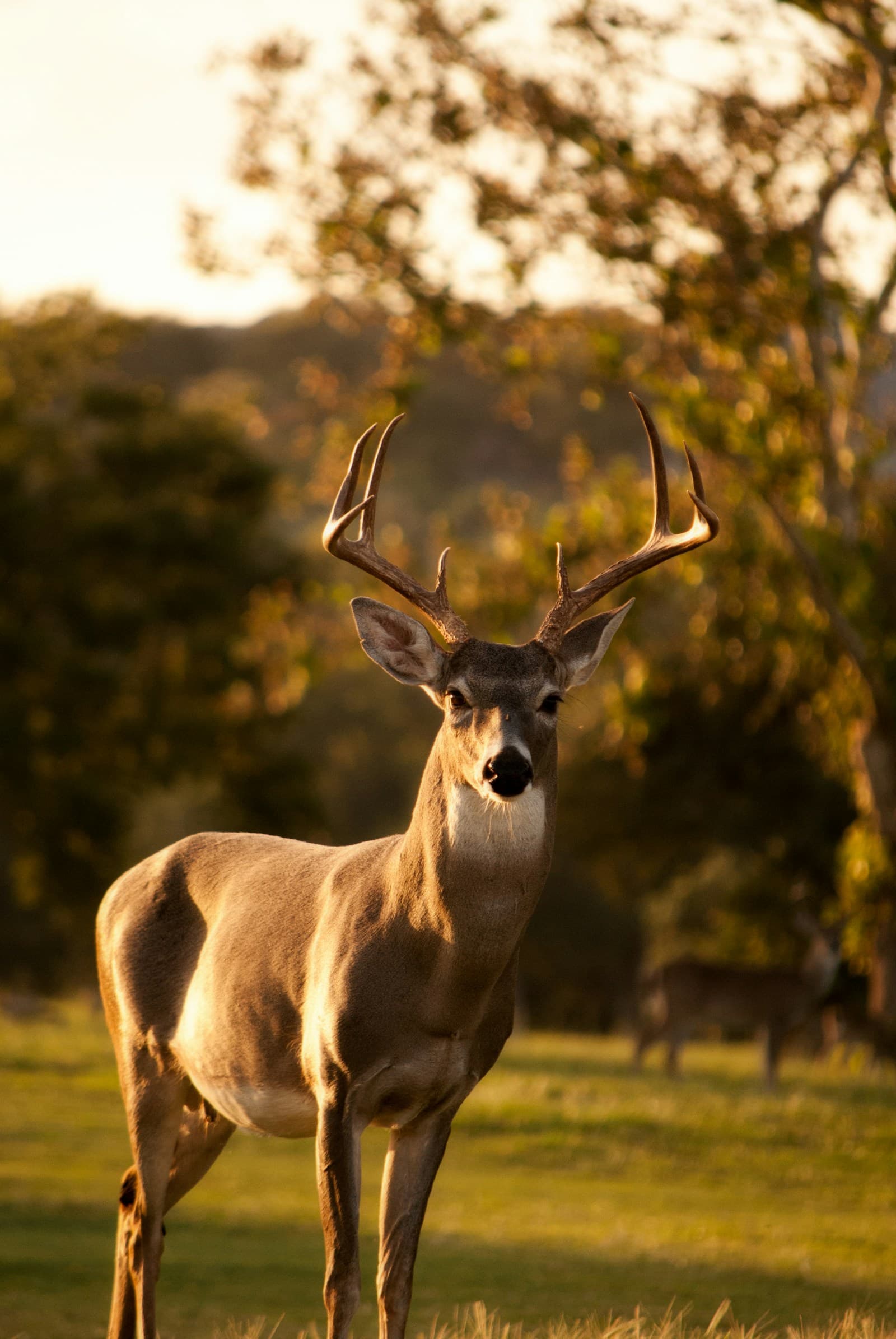
If you’re a hunter or angler, don’t let anyone tell you that you’re not a conservationist. You are. Your license dollars, your gear purchases, your volunteer hours, and your advocacy have built the most successful wildlife conservation system in the world.
Here’s how you can keep making a difference:
Join a Conservation Organization
Support groups that do real, on-the-ground conservation work:
- Rocky Mountain Elk Foundation (RMEF): Focuses on elk habitat and public access
- National Wild Turkey Federation (NWTF): Restores forests and grasslands for turkeys and other wildlife
- Ducks Unlimited (DU): Protects and restores wetlands across North America
- Pheasants Forever / Quail Forever: Improves upland bird habitat and mentors new hunters
- Backcountry Hunters & Anglers: Advocates for public lands and wild places
These organizations are funded by sportsmen, run by sportsmen, and accountable to sportsmen. Every dollar you give goes toward habitat, access, and wildlife.
Share Your Story
When someone questions whether hunters contribute to conservation, don’t get defensive—get factual. Share the numbers. Talk about the projects you’ve volunteered on, the licenses you’ve bought, the organizations you support.
Your story matters. Non-hunters need to hear from real people who care about wildlife, not from anti-hunting activists with an agenda.
Stay Engaged
Support science-based wildlife management. Attend public meetings. Comment on proposed regulations. Vote for leaders who understand the importance of hunting and fishing to conservation.
The North American Model of Wildlife Conservation—the system that brought elk, deer, turkeys, and waterfowl back from the brink—was built by hunters. It’s our responsibility to protect it and pass it on to the next generation.
Final Thoughts
The narrative that hunters and anglers don’t really pay for conservation is not just wrong—it’s dangerous. It undermines the most successful conservation funding model in history and gives credit to organizations that contribute little to actual wildlife management.
Don’t fall for it. Don’t let others fall for it.
Hunters and anglers are conservationists. We always have been. And the proof is in the numbers, the acres, and the wildlife thriving across this country because of the work we’ve funded and the sacrifices we’ve made.
Stand proud. Speak up. Shoot Straight And keep doing the work.
Continue the series: Pittman-Robertson, Licenses, and the Funding Cliff Nobody Wants to Talk About—Part 2 on the funding cliff and what comes next.
Related Articles
Are High-End Hunting Brands Worth It?
Can Whitetail Smell Your Mistakes?
Chasing a Ghost

Written by
Kenny Flermoen
Kenny Flermoen is the owner and CEO of The Inside Spread. Growing up in the Upper Midwest he spent most of his childhood outside—rain, snow, or shine. He writes about hunting, fishing, and conservation with a focus on public-land access, habitat, and the decisions that shape the future of America's outdoor heritage.
Comments
No comments yet. Be the first to share your thoughts.
More in conservation
Massachusetts Voters Decide Nov. 3 on a Sporting-Goods Conservation Fund and the 2024 Firearms Law
Massachusetts voters decide Nov. 3 on a sporting-goods conservation fund and whether the 2024 firearms law stays. Early voting runs through Oct. 30.
Okanogan-Wenatchee Opens Objections on Domestic Sheep Standards Aimed at Bighorn Disease Risk
The Forest Service opened objections on Okanogan-Wenatchee standards meant to separate domestic sheep and goats from bighorn sheep.
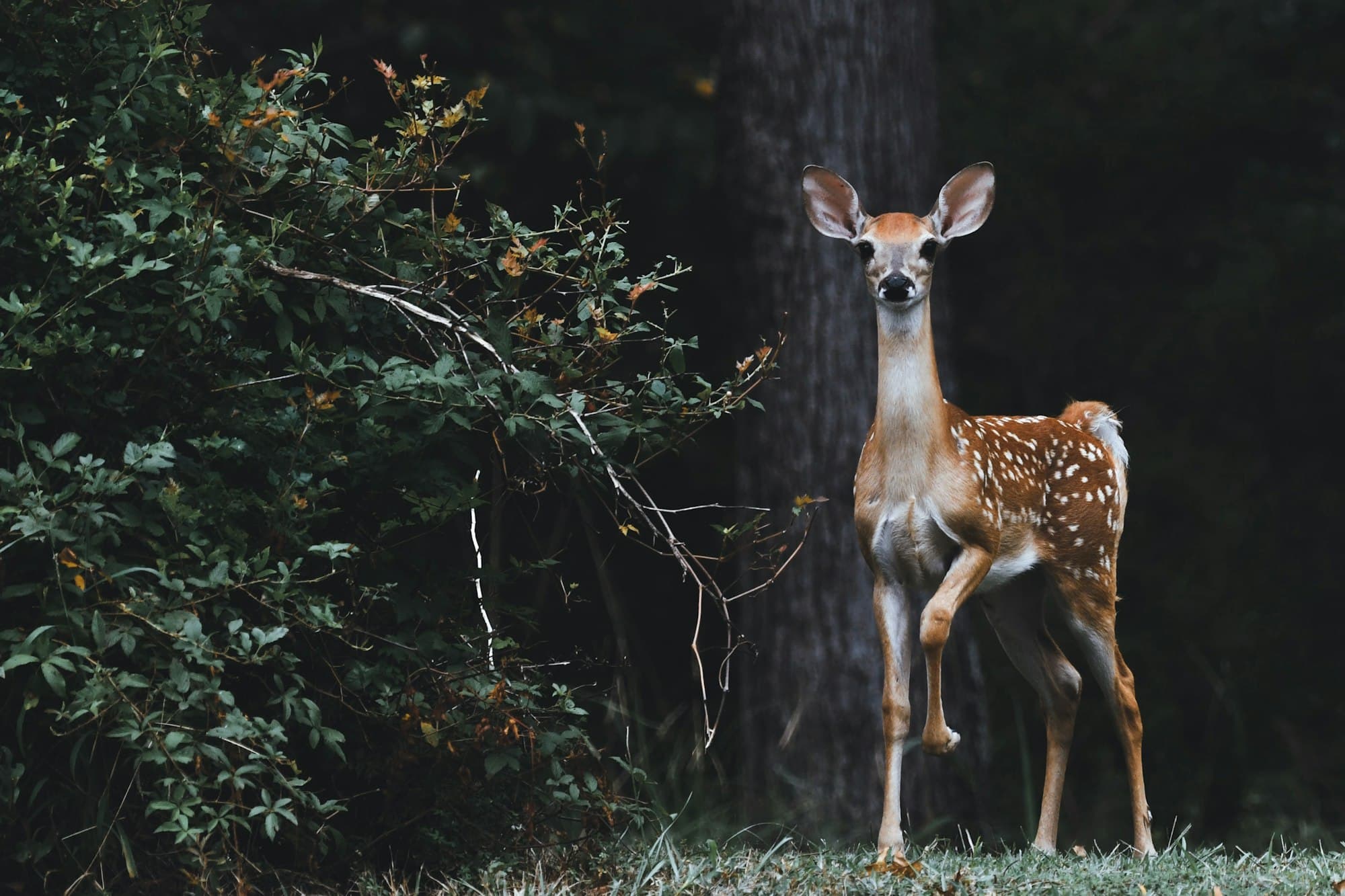
Oklahoma Hunters Can Comment Until Nov. 6 on Rules for Releasing Captive Deer
Oklahoma is taking comment until 4:30 p.m. Nov. 6, 2026, on proposed rules for releasing captive white-tailed deer, including CWD genetic conditions.
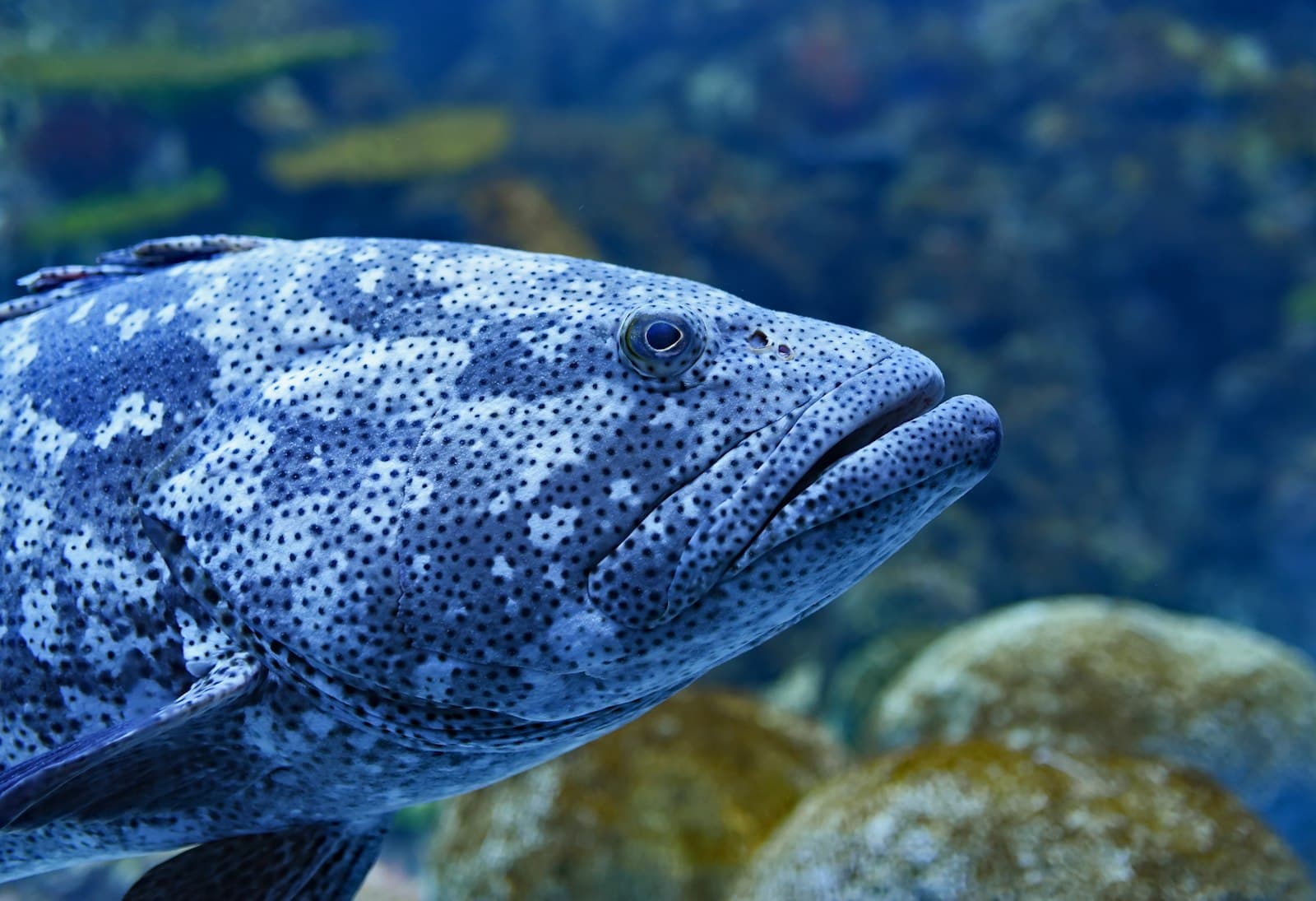
South Atlantic Council Will Hear Comment on Whether Three Grouper Spawning Closures Expire in 2027
The South Atlantic Council will take comment on extending three snapper-grouper spawning closures past Aug. 2, 2027. The hearing is Nov. 9.