
It’s no secret that hunting has been sliding down a slippery slope toward becoming an elitist pastime, and Utah’s latest decision to double non-resident…
Utah Hunting License Fees
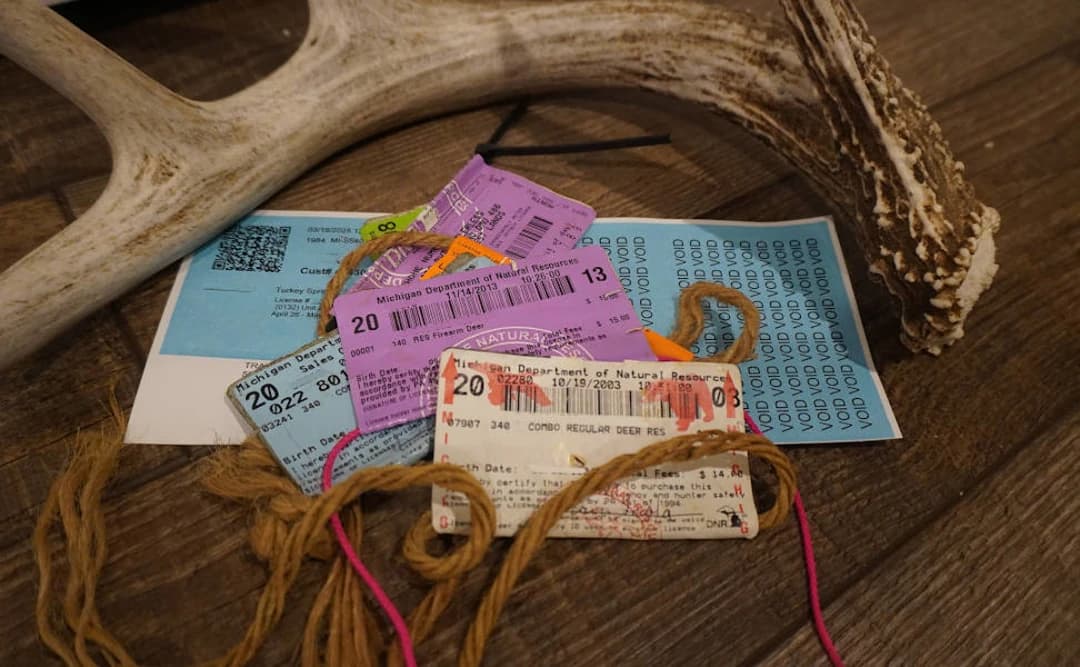
It’s no secret that hunting has been sliding down a slippery slope toward becoming an elitist pastime, and Utah’s latest decision to double non-resident hunting license fees for 2025 is a gut punch to anyone who still believes this should be a sport for everyone.
For those of us who’ve cherished the rugged beauty of Utah’s backcountry, this feels like a betrayal—a blatant move to price out anyone who isn’t rolling in cash. Once a welcoming haven for non-resident hunters chasing deer, elk, or antelope, Utah is now slamming the door shut with a fee hike that’s as outrageous as it is disheartening. It’s a bitter pill to swallow, and it’s hard not to feel a wave of disgust as hunting morphs into a rich man’s sport right before our eyes.
This isn’t just a minor tweak—it’s a seismic shift that’s already got hunters buzzing with frustration across internet. The Utah hunting license fee increase for 2025 doubles the cost for non-residents across the board, a decision that’s left many questioning whether their annual pilgrimage to the Beehive State is worth it anymore.
Here’s everything you need to know about this maddening change—new costs, the so-called reasons behind it, its impact, and how to dodge the financial bullet if you still want to hunt here in 2025. Buckle up, because this isn’t the Utah hunting scene we signed up for.
New Fee Structure for 2025
Let’s rip the Band-Aid off and look at the cold, hard numbers—they’re a punch to the gut. The Utah Division of Wildlife Resources (DWR) has unleashed a fee structure that’s nothing short of jaw-dropping for non-residents. Based on updates from the Utah Division of Wildlife Resources and detailed in sources like HuntinFool: 2025 License Permit Fee Changes, here’s what you’re facing in 2025:
- Deer Combination License: Jumping from $315 to a staggering $630—a $315 increase that feels like a personal insult to every out-of-state deer hunter.
- Elk Archery License: Soaring from $458 to $916, a clean double that turns chasing bulls into a luxury expense.
- Antelope License: Climbing from $258 to $516, another kick in the teeth for pronghorn enthusiasts.
- Bear License: Rising from approximately $350 to $700, pending final DWR confirmation—still a brutal jump.
- Moose License: Leaping from $608 to $1,216, making a rare tag a millionaire’s trophy.
These aren’t small bumps—these are doubled fees, a 100% increase across every species, as confirmed by GoHunt: Alert Utah to Increase Nonresident Hunting Fees 100 Percent Across the Board. For a state that’s long been a bucket-list destination for non-residents, this feels like a slap in the face. I’ve spent countless hours planning Utah hunts, dreaming of those high desert ridges, only to see the Utah non-resident hunting fees skyrocket beyond reason. It’s a disgusting reality for those of us who don’t have deep pockets to spare.
Resident fees, by comparison, see only modest increases—about 10-15% in most cases. A resident deer tag, for instance, goes from $40 to $46, per DWR’s typical adjustment range. Sure, it’s a hike, but it’s nothing like the gut-wrenching jump non-residents face. This disparity stings, reinforcing the notion that Utah’s prioritizing its own while pushing outsiders away—or at least those of us who aren’t wealthy enough to shrug off a $630 deer tag like it’s pocket change. Add in application fees ($15-$25 per species) and point fees for preference points ($10-$20), and the total cost creeps even higher. It’s a financial wall that’s damn near impossible to climb for the average hunter.
Why Utah Increased Hunting License Fees
- Conservation Funding: The state claims the extra revenue will bolster wildlife conservation—think habitat restoration, predator management, and species monitoring. They say it’s about ensuring mule deer, elk, and other game thrive for future generations.
- Sustainability: With growing hunter numbers and pressure on game populations, they argue this helps regulate participation and protect resources. Fewer hunters might mean less strain on wildlife, they suggest.
- Operational Costs: Rising expenses for wildlife management, enforcement, education programs, and administrative overhead mean they need more cash to keep the system running.
On paper, it’s a pretty story—fund conservation, save the animals, keep Utah wild. But let’s cut through the fluff: this feels like a cash grab dressed up in green rhetoric. If conservation’s the goal, why not tap into tourism taxes, federal grants, or even resident taxes instead of piling it all on non-resident hunters? I’m all for preserving habitat, but doubling fees overnight reeks of desperation, not strategy. It’s frustrating to see the state lean so heavily on us when hunting’s already a stretch for many budgets.
And sustainability? Sure, fewer hunters might ease pressure, but pushing us out could tank participation altogether, leaving those precious conservation funds in the dust. The DWR’s own data shows non-residents accounted for about 30% of deer tag sales in 2024—roughly 10,000 tags out of 33,000 issued, based on past trends. Slash that number by half, and you’re losing $3 million in revenue, even with the higher fees. The math’s shaky, and it’s infuriating to think they’re blind to the long-term hit this could take.
After considering all this, we are talking about the same state that recently made headlines over unappropriated federal government lands being unconstitutional. They even create a website for it: https://standforourland.utah.gov/. The website claims that Utah would manage the public land so that the land remains accessible to all. However, it has been discussed by the politically connected, that this is another cash grab for Utah as they would sell off thousands of acres of land.
Impact on Non-Resident Hunters
The fallout from this Utah hunting license fee increase for 2025 is hitting non-resident hunters square in the gut, and it’s not just about money—it’s personal. For many people, Utah’s been a yearly ritual, a chance to escape into wild country and chase game that’s worth the effort. Now, that’s slipping away. A deer hunt that once cost $315 now demands $630—just for the tag. Add travel (gas prices aren’t dropping), lodging (even campgrounds add up at $20-$40 a night), and gear (ammo, food, optics), and you’re staring at $1,500-$2,000 for a trip that used to be half that. It’s infuriating to see a tradition I’ve loved get priced out of reach, turning a passion into a privilege for the wealthy.
Fewer non-residents mean fewer dollars flowing into Utah’s rural towns—think gas stations in Vernal, diners in Price, or outfitters in Moab that depend on our spending. A 2023 economic study pegged non-resident hunter spending at $50 million annually in Utah. Cut that by a third, and you’re looking at a $15-$20 million hit to local economies. The state might rake in more per tag, but if participation drops 20% or 30%, those businesses feel the pinch. It’s a domino effect the DWR seems intentional because they are not blind to it, and it’s maddening to think they’re willing to sacrifice that just to pad their budget.
Then there’s the bigger picture: hunting’s decline. Nationwide, hunter numbers have been slipping—down 16% from 1980 to 2020, per U.S. Fish and Wildlife Service stats. Moves like this only accelerate that trend. Non-residents often spend more overall, boosting local economies and conservation funds through license sales. Price us out, and you’re not just losing hunters—you’re losing advocates for the wild. It’s a blow to the community, and it’s sickening to watch hunting, once a blue-collar rite pf passage, turn into something only the elite can afford.
Tips for Managing Increased Costs
Okay, let’s try to salvage this mess. If you’re still dead-set on hunting Utah in 2025 despite this outrageous Utah hunting license fee increase for 2025, here are some ways to soften the blow—because we need every trick in the book to keep from going broke:
- Group Hunts: Split costs with buddies. A crew of four can share gas ($200-$300 round-trip from nearby states), lodging ($100-$200 for a cheap motel split), and even guide fees if you go that route, cutting the per-person hit from these insane tags. It’s not ideal, but it beats going solo into bankruptcy.
- Target Less Popular Species: Deer and elk tags are brutal now, but something like a turkey tag (estimated $200-$400 for 2025, pending DWR confirmation) or a cougar tag (around $300-$600) might still be manageable and be unique hunts. Less demand often means lower fees—check DWR updates for specifics.
- DIY Over Outfitters: Even though it will be a drag on the Outfitters. Consider skipping the guided hunt and do a DYI hunt. It’s tougher—Utah’s terrain is no picnic—but you’ll save thousands, money better spent on that inflated license. Pair it with scouting tips from our From Beginner to Expert: Improving Your Elk Hunting Skills guide for a budget-friendly approach.
- Hunt Closer to Home: If Utah’s too rich for your blood, scout neighboring states. Idaho’s got over-the-counter tags, Wyoming’s draw odds are decent, and Colorado’s fees are steep but not Utah-steep. More on that below—it’s a lifeline worth considering.
These hacks might keep you in the game, but they’re Band-Aids on a gaping wound. It’s maddening that we even need to strategize like this just to hunt—proof that Utah’s lost sight of what this sport should be about.
Compare Utah Fees with Neighboring States
Let’s put Utah’s increases in perspective with a fee comparison for 2025, based on 2024 data from state wildlife agencies and adjusted for potential minor increases, cross-referenced with GoHunt:
State Deer Tag Cost (Non-Resident, 2025 Est.) Elk Tag Cost (Non-Resident, 2025 Est.)
Utah $630 $916
Idaho $352 $417
Wyoming $374 $692
Colorado $414 $688
Look at that—Utah’s fees are now a league above its neighbors. Idaho’s deer tag at $352 is nearly half Utah’s new rate, and its elk tag at $417 is a steal compared to $916. Wyoming’s deer tag at $374 and elk at $692 are pricier than Idaho but still far more reasonable than Utah’s gouging. Colorado’s deer tag at $414 and elk at $688 are steep but nowhere near Utah’s obscene levels. Why shell out double when you can hunt just as good—or better—game a state over? Idaho’s got vast public land, Wyoming’s elk herds are legendary, and Colorado’s mule deer are trophy-worthy—all at a fraction of Utah’s cost.
Draw odds make it worse. Utah’s tags are notoriously tough, while Idaho offers over-the-counter options for many species, and Wyoming’s elk draw is more forgiving. Colorado’s system is competitive, but its fees don’t sting like Utah’s.
Conclusion: Plan Your 2025 Hunt Wisely
This Utah hunting license fee increase for 2025 is more than a price hike—it’s a betrayal of what hunting stands for. Doubling non-resident fees to $630 for deer or $916 for elk is a disgusting move that’s turning a cherished tradition into a rich man’s sport. Sure, the DWR claims it’s for conservation, but when it prices out the everyday hunter, it’s hard to buy that excuse. I’ve poured my heart into hunting trips—planning routes, saving up, dreaming of that perfect shot—and now Utah’s yanking that away from countless others who can’t stomach these obscene costs.
Stay informed with the latest The Inside Spread, adapt your plans with our tips, and weigh your options. If Utah’s out of reach, check out Idaho or Wyoming—states that still seem to value the average hunter. For more hunting strategies, dive into our guides on How to Plan for Elk Hunting Trips and How to Scout Turkeys in Idaho—it might just save your season. Let’s fight to keep hunting accessible for all, not just the elite, because this trend of skyrocketing fees is one I’d love to see die out. How much are Utah hunting licenses in 2025? Too much, and that’s the problem.

Written by
Kenny Flermoen
Kenny Flermoen is the owner and CEO of The Inside Spread. Growing up in the Upper Midwest he spent most of his childhood outside rain, snow, or shine. This is where he cut his teeth as a white tail hunter. Since then he has been on several hunting adventures for Elk, Turkey, and Coues deer. The Inside Spread is the place for sharing his adventures with friends, family, and acquaintances across the world and promoting his mission to connect hunters from all walks of life, allowing them to share their experiences, tips, and tricks. We believe that by fostering this sense of community, we can help hunters of all levels improve their skills and enjoy their hunting experiences.
Comments
No comments yet. Be the first to share your thoughts.
More in conservation
NOAA Closed the Commercial Atlantic Bluefin General Category Through November 30
NMFS closed the Atlantic bluefin General category from Oct. 17 through Nov. 30, 2026. It reopens Dec. 1. Recreational angling quota is separate.
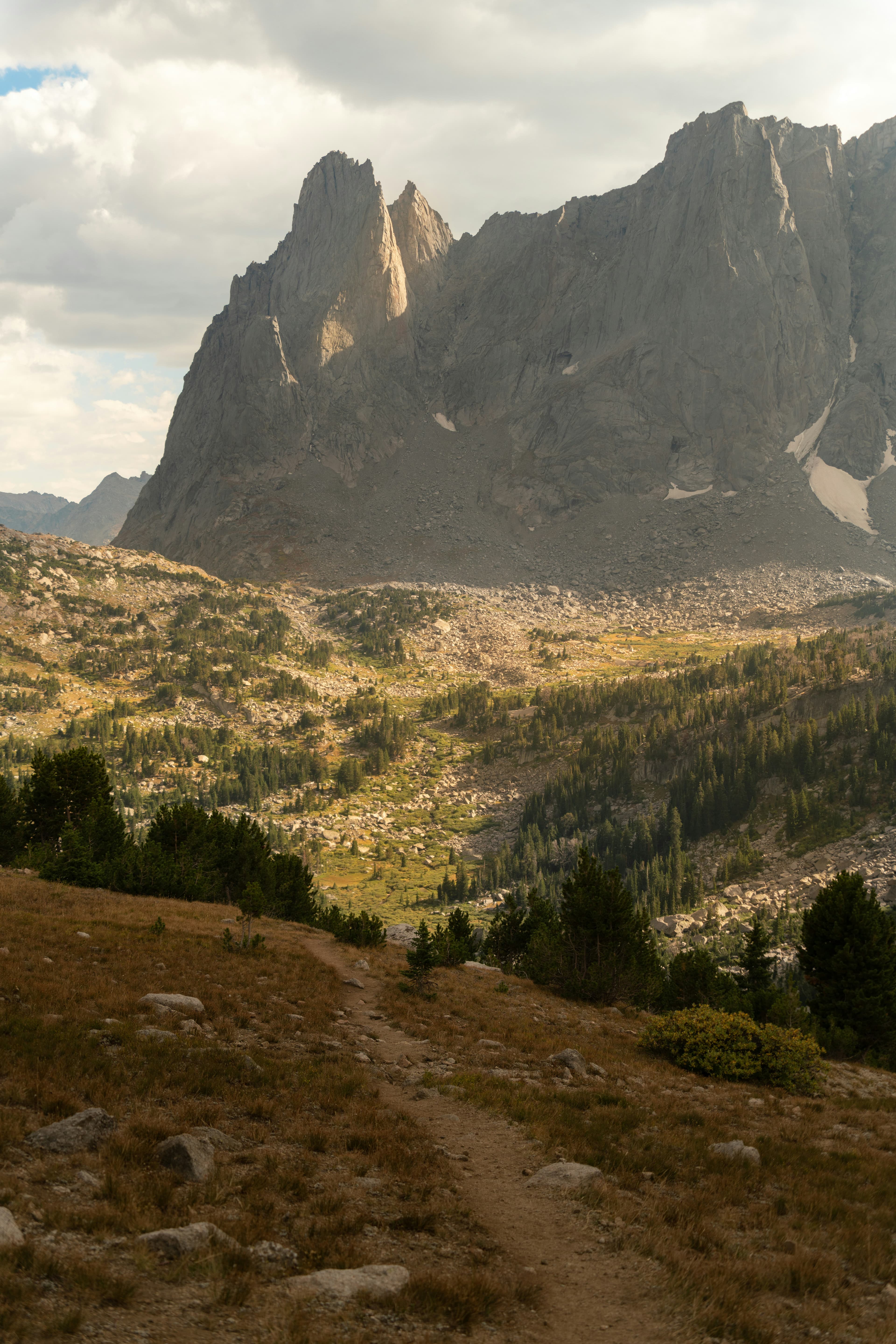
BREAKING: The Forest Service Just Moved to Kill the Roadless Rule for Good. 58 Million Acres of the Best Hunting and Fishing Left in America Are on the Table.
The Forest Service proposed rescinding the 2001 Roadless Rule, putting 58 million acres of backcountry hunting and fishing habitat at risk. Comment by Sept. 21.
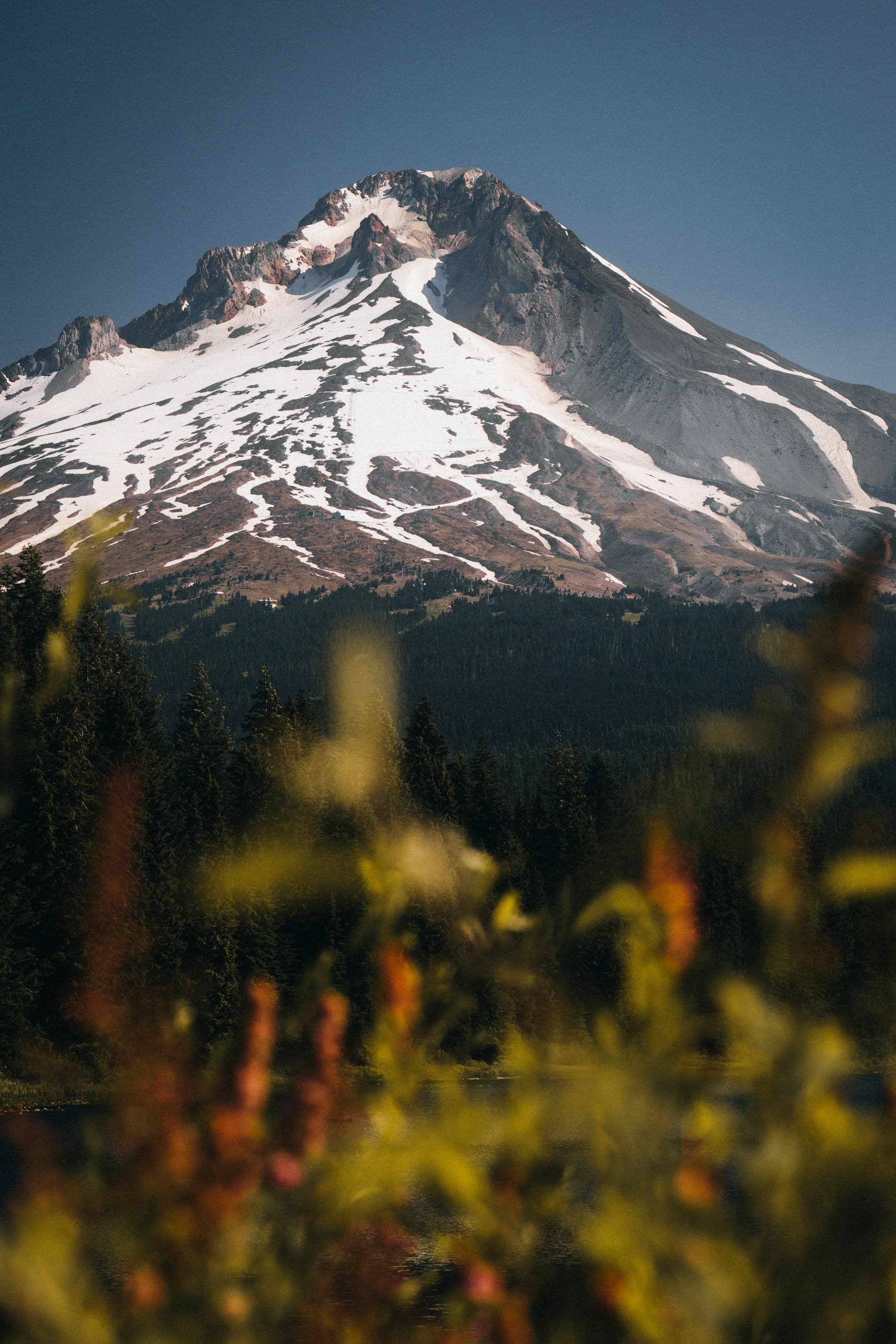
IP28 Is Dead — For Now. Oregon's Hunting and Fishing Ban Fell 13,000 Signatures Short. Here's What Happens Next.
Oregon IP28 failed to qualify for the November 2026 ballot after falling about 13,000 valid signatures short. Here is what happened—and why hunters say the fight is not over.
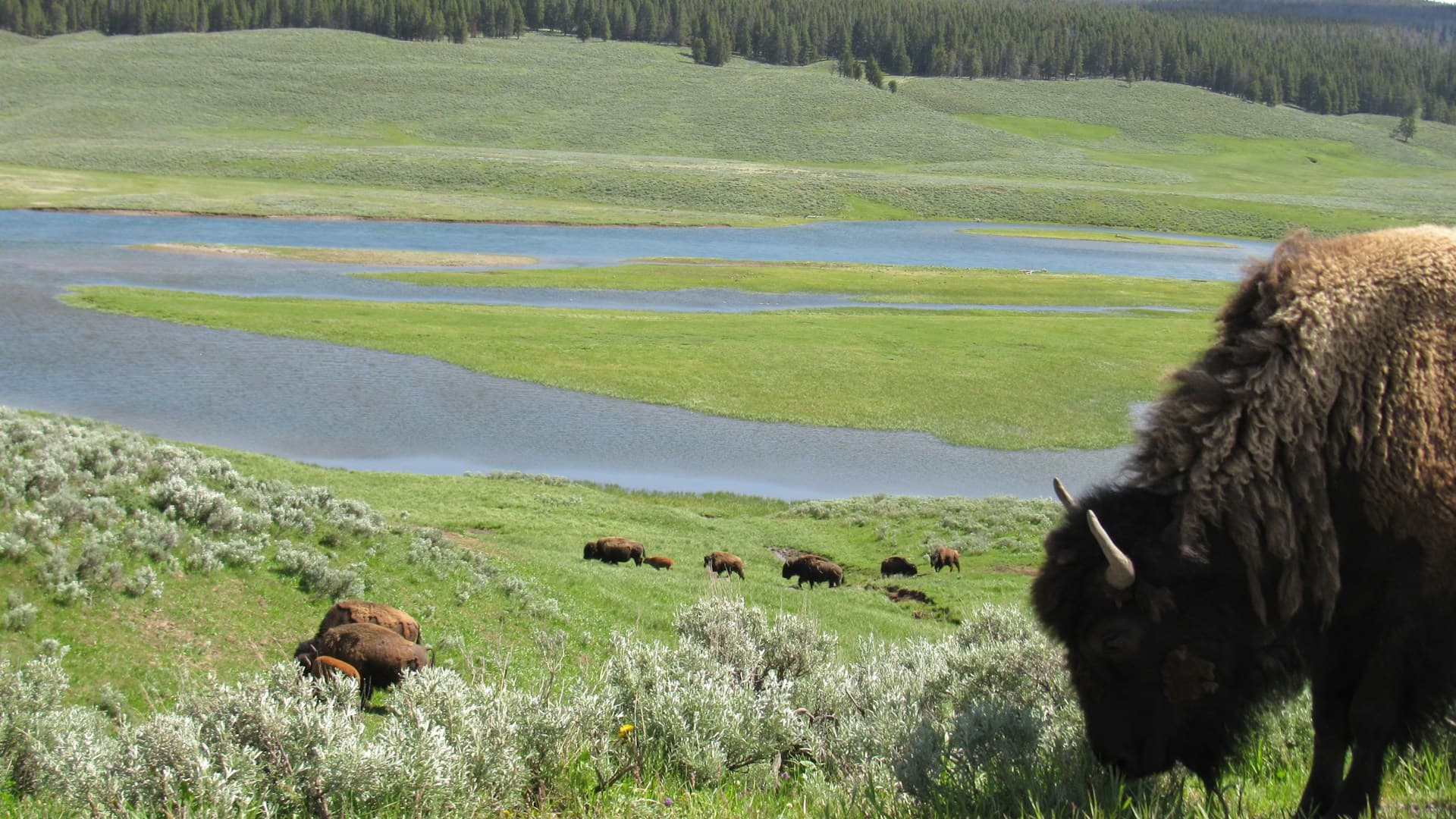
The History of Hunting in America, Part 2: Hunting and Conservation Efforts and Success
How hunters turned crisis into recovery—fair chase, the Lacey Act, Duck Stamp, Pittman-Robertson, and the species comebacks that prove regulated hunting funds conservation.