
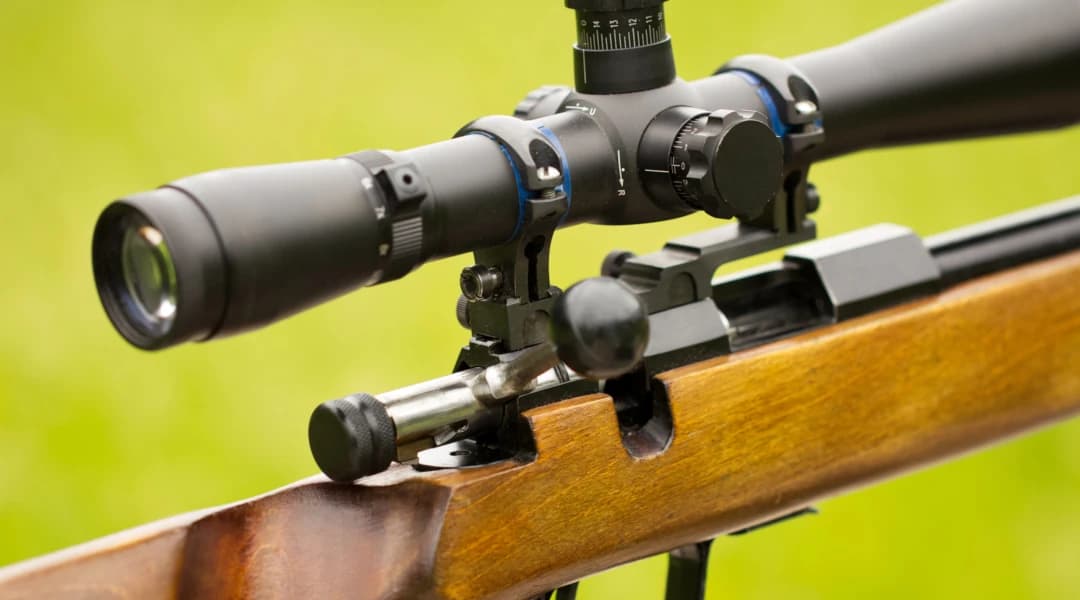
Sighting in a rifle is one of the most important steps before heading into the field or onto the range. Whether you're an old-school shooter who trusts bore…
Sighting in a rifle is one of the most important steps before heading into the field or onto the range. Whether you're an old-school shooter who trusts bore sighting and manual adjustments or you prefer the modern approach with laser tools and ballistic apps, getting your rifle dialed in properly makes all the difference in accuracy.
I've tried different methods over the years, but my personal go-to is still the traditional bore sighting method. I secure the rifle, look down the barrel, and adjust my scope accordingly. It’s fast, easy, and surprisingly accurate. It might not be the most high-tech approach, but it works great for me.
In this guide, we’ll go through both traditional and modern methods of sighting in a rifle so you can decide which works best for you.
Step 1: Mounting the Scope Properly
Before dialing in your scope, make sure it’s mounted correctly. A poorly mounted scope will throw off all your adjustments.
Use Quality Rings and Bases – Cheap rings can lead to misalignment and cause your scope to shift.
Level the Reticle – Use a bubble level or a leveling tool to make sure the crosshairs are perfectly horizontal and vertical.
Torque to Specs – Over-tightening can damage your scope, while under-tightening can cause movement. Follow the manufacturer’s torque specs.
Ensure Proper Eye Relief – Set the scope at a distance where you have a full field of view without black edges or ‘scope shadow.'
Traditional Method: Bore Sighting and Walk-In Method
Before laser bore sighters and ballistic apps, shooters relied on looking through the bore and walking their shots onto the target. It’s still a solid method, and it’s what I personally use.
My Preferred Method: Bore Sighting by Eye
This is my go-to method because it’s fast, easy, and doesn’t require extra tools.
Secure the Rifle – Use a solid rest like a sandbag or a rifle vise to keep the rifle steady.
Remove the Bolt – This works best for bolt-action rifles, but with some creativity, you can adapt it to others.
Look Down the Bore – Line up the center of the bore with a target at about 25-50 yards.
Adjust the Scope – Without moving the rifle, adjust the scope’s crosshairs to match where the bore is pointing.
Reinstall the Bolt – The rifle should now be close to zero.
Walk-In Method
Once bore-sighted, I fine-tune my zero with live fire.
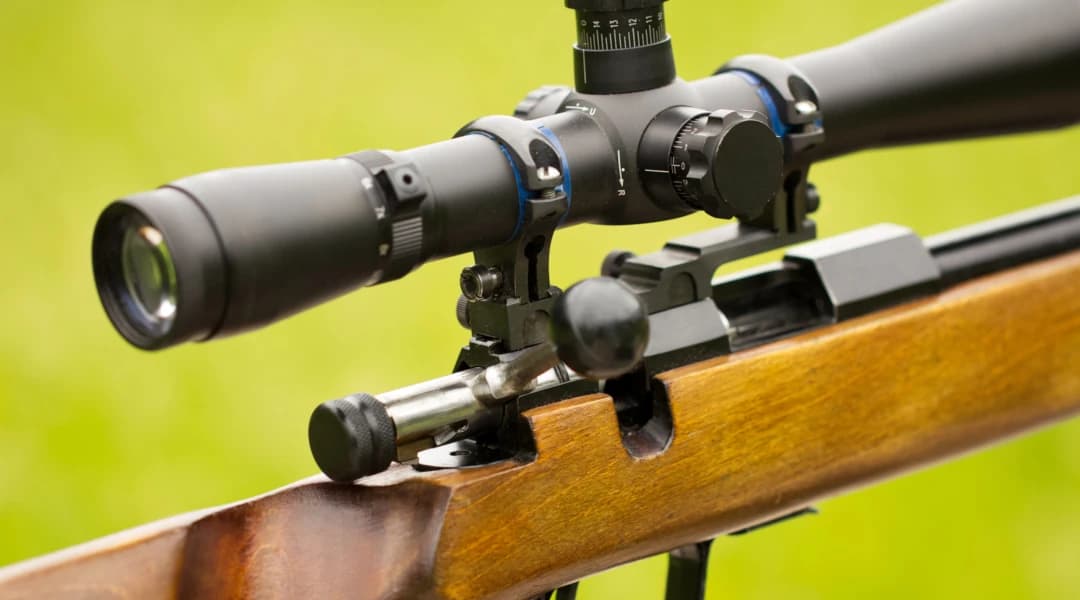
Start at 25 Yards – Fire a three-shot group to confirm you're on paper.
Measure and Adjust – Find the center of the group and adjust windage and elevation to move the point of impact closer to the bullseye.
Move to 100 Yards – Once you’re on paper at 25 yards, repeat at 100 yards.
Fine-Tune Until Dialed In – Keep adjusting until your shots are consistently hitting center.
This method works great, and while it might not be the most scientific, it has never failed me.
Modern Method: Laser Bore Sighters and Ballistic Apps
Technology has made sighting in a rifle easier than ever.
Using a Laser Bore Sighter
A laser bore sighter projects a dot onto your target, giving you an easy starting point.
Insert the Laser – Depending on the model, it either fits into the chamber or the muzzle.
Turn It On – The laser projects a visible dot onto a target at a set distance.
Align the Scope – Adjust the reticle so it matches the laser dot.
Fire a Test Shot – Start at 50 yards, then move to 100 yards to confirm.
Using Ballistic Apps and Chronographs
For long-range shooters, ballistic apps can make sighting in more precise.
Use a Chronograph – Measure bullet speed to get exact data for a ballistic calculator.
Input Data into a Ballistic App – Programs like Hornady 4DOF predict exact adjustments.
Dial Your Scope – Adjust your turrets based on the app’s calculations.
Confirm with Live Fire – Always shoot a group to verify.
This is the most scientific method, but it requires extra tools and knowledge of external ballistics.
Troubleshooting Common Issues When Sighting In
Sometimes, even after following the steps, things don’t go as planned. Here are some common issues and how to fix them:
Shots Aren't Hitting Paper at 100 Yards
Start at 25 yards. Many people skip this step and waste time searching for shots off-target at 100 yards. If still missing, bring the target even closer (10-15 yards) and check alignment.
Scope Adjustments Aren’t Working
Check the turrets – Some scopes require a firm click to register movement. Make sure the scope isn’t maxed out – If you’re at the extreme end of adjustment, you may need to remount the scope.
Erratic Grouping (Shots Are Scattered)
Check for loose screws – Ensure the scope mounts, action screws, and stock screws are tight. Check for barrel contact – Some rifles shoot poorly if the barrel is touching the stock. Use consistent ammo – Different brands, bullet weights, or loads can dramatically change accuracy.
Vertical or Horizontal Stringing of Shots
Heat buildup – A hot barrel can cause vertical stringing. Let the barrel cool between groups. Poor shooting form – If shots are stringing side to side, check your grip and trigger pull consistency.
First Shot is Always Off, Then It Settles
This could be a cold bore shift issue. Some rifles naturally change point of impact on the first shot. Learn where your rifle’s cold bore shot lands and adjust accordingly.
Final Adjustments and Verifying Zero
Cold Bore vs. Warm Bore Shots – Some rifles shift slightly between the first shot and follow-ups.
Wind and Environmental Factors – A slight breeze can change bullet impact, so always verify in calm conditions.
Shooting Off-Hand vs. From a Rest – Once zeroed, practice shooting from different positions.
Final Thoughts on How to Sight in a Rifle Scope
Whether you prefer bore sighting by eye like I do, using a laser bore sighter, or running ballistic calculations, the goal is the same: a properly sighted rifle that delivers accurate, ethical shots in the field.
I’ll be making a short video demonstrating these methods, so stay tuned. In the meantime, let me know—what’s your go-to method for sighting in a rifle?
Some links and ads within this article contain an Amazon Affiliate links, which supports this website and writer.

Written by
Matt Myers
Guide and Hunting Consultant. Doublemoutdoors.com
Comments
No comments yet. Be the first to share your thoughts.
More in shooting

Colorado SB25-003 Goes Into Effect August 1. Here's What Every Hunter, Shooter, and Gun Owner in the State Needs to Know.
Colorado SB25-003 takes effect August 1, 2026 — permit-to-purchase, mandatory training, the 900-model list, hunter exemptions, Del Toro v. Polis, and what to do before the deadline.
Safes and Range-Day Guns We'd Actually Buy
Winchester and Redfield gun safes plus the Smith & Wesson M&P 22 Magnum from Academy’s spring deals—logistics, capacity reality checks, and honest caveats.
6.5 Weatherby RPM: A Long-Distance Dragster of a Hunting Cartridge
First-hand review of the 6.5 Weatherby RPM—origins, ballistics, and real-world use from a Wisconsin doe hunt.
How to Improve Rifle Accuracy: 9 Tips That Shrink Groups
Improve rifle accuracy with practical tips on zero, breathing, trigger control, rests, ammo, and practice. Real hunter lessons to shrink groups at the bench and in the field.