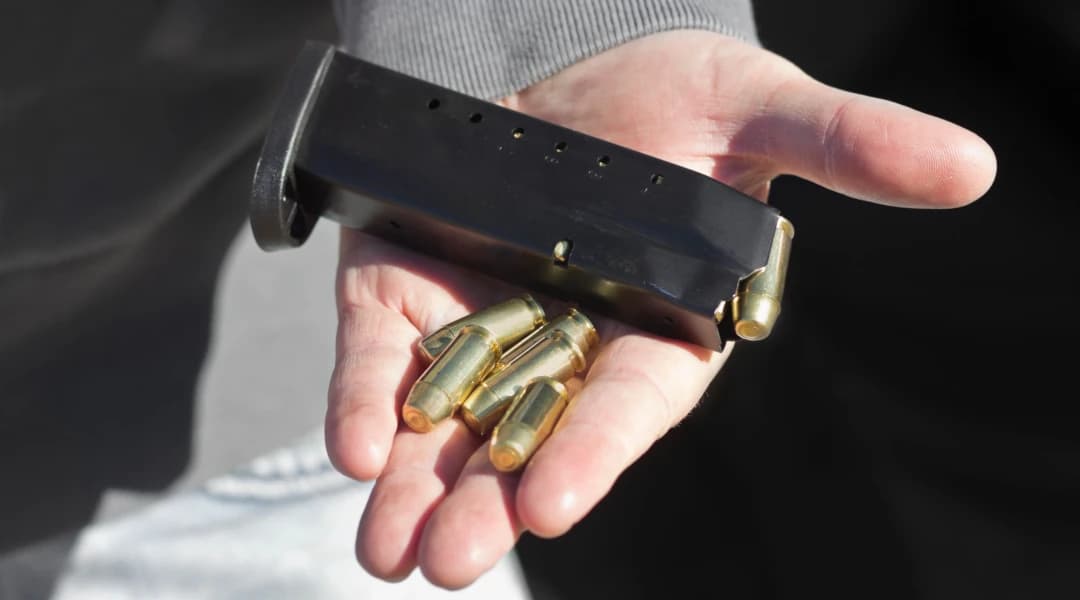
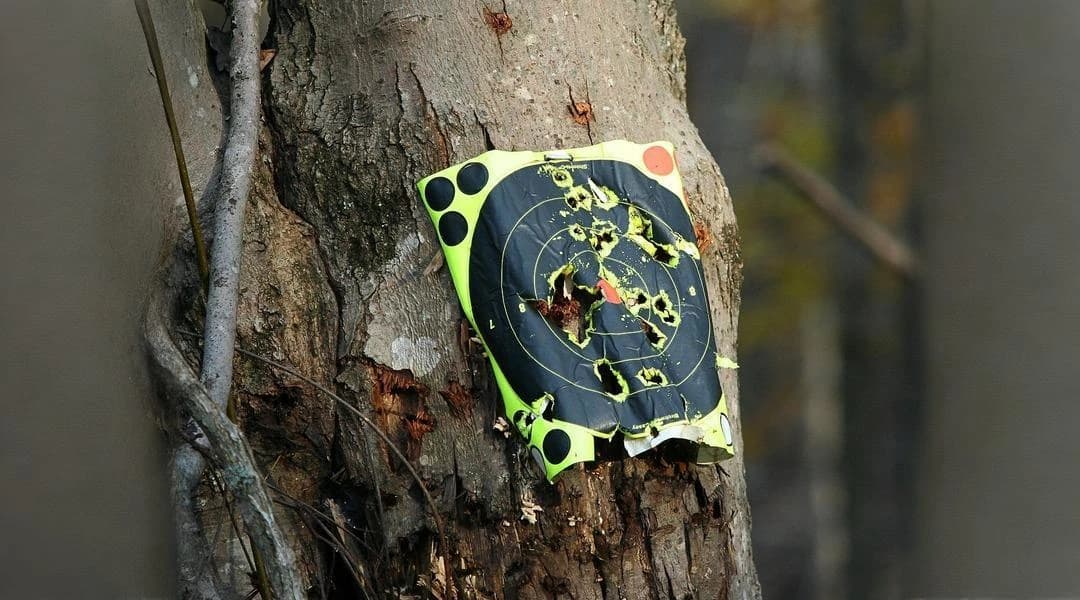
Improve rifle accuracy with practical tips on zero, breathing, trigger control, rests, ammo, and practice. Real hunter lessons to shrink groups at the bench…
Rifle accuracy tips start with fundamentals, not gear envy. Confirm your zero with hunting ammo, control your breathing, press the trigger straight back, and use a solid rest until the rifle proves it can group. Then practice the field positions you will actually shoot from.
Below are nine practical tips for improving rifle accuracy, followed by field lessons from ranges, hunter education, and conversations with instructors who qualify shooters every year.
Rifle accuracy tips (checklist)
- Confirm zero with hunting ammo. Zero at a known distance with the same load you will hunt. Changing brands mid-season moves impact.
- Build a consistent cheek weld. Same head position every shot keeps the eye centered in the scope and shrinks vertical scatter.
- Breathe calm, then pause. Settle the crosshair, pause at the natural respiratory pause, and press—do not hold your breath until you shake.
- Press, do not yank, the trigger. Surprise breaks beat anticipatory flinches that throw shots high or left.
- Use a solid rest first. Bench, bags, or bipod prove what the rifle can do; then work kneeling, sitting, and standing.
- Match the rest to the hunt. Practice from sticks, a pack, or a tree stand rail if that is how you shoot deer.
- Keep mounts and rings tight. A wandering zero is often hardware, not marksmanship—check torque before blaming ammo.
- Dry-fire between range days. Empty-chamber trigger work (with dummies if required) builds muscle memory without recoil.
- Practice often—accuracy is perishable. Yearly sight-in is not enough. Short, frequent sessions beat one long session in October.
Target shooting for beginners
Growing up on our Northern Michigan farm I was taught to respect and handle guns from a young age. My family were farmers and occasional hunters and fishers. We knew and respected firearms and wildlife, but no one was an avid sports hunter or fisher.
We had moved to my grandparent’s farm when I was six, and I remember taking my dad’s old BB gun out into the woods often to shoot at targets we made. We were taught never to shoot at animals or anything that we were not intending to eat. There were woods to roam and a gravel pit, which made for a great place to set up targets of bottles and cans.
When I was about eight or nine years old, I really wanted to go out hunting with my dad and brother, and while I wasn’t old enough at the time, but was allowed to go sit in the woods with them. I also went with them out to the gravel pit or the back woods by the hill to shoot at targets set up on wooden fence posts. Sometime between ten and twelve I moved up from shooting the BB gun to shooting with my brother and future brother-in-law at our home target ranges.
When I was twelve, our local school offered hunters and boaters safety as part of our school course work. I started my sixth and seventh grade years having surgery on my ankles and using crutches. I had to do my qualifying shooting at our local rod & gun club for hunters’ safety on a rainy Saturday morning leaning with one arm over a crutch.
I can still recall many of the early lessons learned from my family and from those early training days. Some basics we all should keep in mind when handling any firearm.
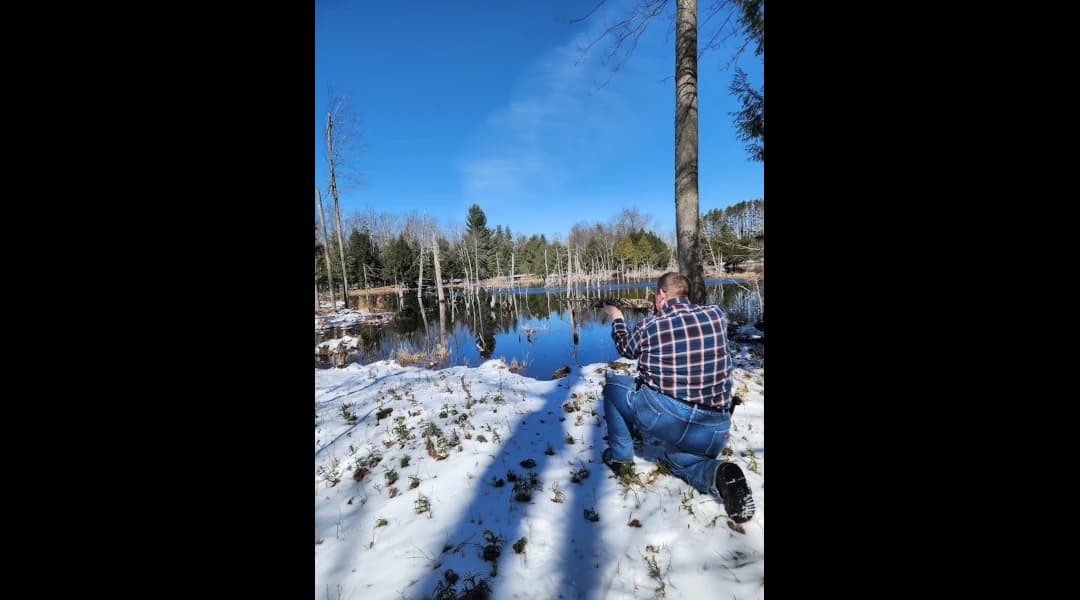
- Be sure of the target you’re aiming at.
- Be certain of what is behind and around the target.
- Breathe calm and steady.
- Remain calm.
- Lightly pull the trigger.
These basics have always been a part of target shooting since that time.
When I was eighteen, I bought my first hunting rifle, a .44 rifle with a scope from a local army surplus store. My brother and I went out to the fence row by the back woods. It was the first time I’d used a scope. It took some time and some broken log fence posts, but we were able to get the scope aimed in for hunting season. I sold that gun when I got married and used my brothers-in-law’s 12-gage for several years in the woods behind the house.
When I was twenty-eight, I was living in the Upper Peninsula near Marquette, Michigan. I was borrowing a friend’s .270 rifle. I remember shooting cans on an open range area to sight it in and being able to hit the cans at three hundred yards dead center. I soon bought my Mosin Nagant .762x54r, from Jay’s Sporting Goods. I still use this for deer hunting now that I’m back in Michigan.
Practice had always been a part of the yearly preparation for hunting season. Like many hunters and occasional target shooters I never really thought much about the need for target practice on a regular basis.
How to get comfortable with a handgun
Seven years ago, I purchased my first handgun, a Glock 9mm, from my best friend Jason. We went to the indoor range at a local gun shop where he worked, and shot several rounds, and I purchased the gun. I went and shot the gun a couple of times over the next year but never spent much time practicing.
A year and a half later my wife and I decided to take a concealed carry course offered by the gun shop and conducted by two local police officer trainers. This was an eye-opening experience, even for someone familiar with guns and who tends to have a fairly natural accuracy with rifles. I was horrible with the handgun but was a bit more cautious and not as accurate. I quickly learned why that weekend.
After the first six hours we took a break and went into the shooting range. We shot about twenty rounds each. Partially due to nerves and knowing the instructors were watching, and because I had developed some poor gun handling my targets were far less than I wished they had been. One of the instructors gave us some great advice, some of which I really should have known.
- Stay calm and relaxed.
- Hold the gun firmly, but not too tightly.
- Breathe slowly.
- Don’t brace for the recoil, which can often cause us to pull up when shooting.
- Practice and get comfortable with your gun by dry shooting your gun at something close range.
- When you are shooting start close at no more than 5 yards (which is often the distance you would use a handgun in self-defense).
- Work your way to longer distances slowly, as you become comfortable.
- Remember the more you practice the better muscle development and memory will be.
This was a reminder to me of the importance of getting out more and becoming more comfortable with my own firearms. Spending time practicing will make you better prepared in the event you need to use a handgun for self-defense. It is highly important that you become comfortable with any firearm you are using to be prepared to use it if you need to.
Muscle Memory Shooting is a Perishable Skill: A Little Expert Advice
My best friend Jason also got me into contact with some of his friends, who were all working in the local sheriff’s department. In conversations with these guys, I heard some great stories about their work in the field. There have been some serious stories, and a lot of fun stories shared. I also learned from what they shared from their experiences and from working with rookie officers over the years that even experts need to practice and to continue to practice staying effective.
One of my friends, Bob Lowey, is a retired lieutenant from the Kankakee Sheriff’s office. Bob also remains a qualifier for IROCC (Illinois Retired Officers Concealed Carry). I’ve always enjoyed gaming with Bob and hearing his stories. I decided to seek him out for some expert advice as a state qualifier who qualifies about 200 people year.
I asked Bob if he noticed over the years a difference, even with professional officers who practiced regularly and those who didn’t. He said that it was always noticeable which officers were training regularly. He said the same applies to those who he qualifies in retirement. He repeated one point that everyone should remember, “Muscle memory is a perishable skill.” In other words, you must use it, or you will use it. He said that regular practice is the only way to keep the muscle memory strong and that applies no matter what kind of gun you are using.
Bob was very willing to share some great advice about the importance of practicing regularly with firearms of any kind. I knew I needed to keep my muscle memory active for handgun shooting. Growing up in a casual hunting family, I was accustomed to yearly sighting of hunting rifles yearly, but in the conversation, I found that the true need for regular practice with any and all firearms you will use. Continual practice is needed to keep muscle memory active.
I asked Bob if training and regular practice even with professionals was shown to help. He emphasized first, that it was evident at the range, since some officers and now those coming to qualify come to range days and were not as accurate. More importantly for those he worked alongside over the years he pointed out how comfort with their firearms came down to spending time with them before they were needed. While everyone is required to qualify for the various weapons they used, he said that when they go into situations some would openly admit they were not comfortable with using the rifle or shot, a few were not as comfortable with using iron sites.
Bob wanted it to be clear that the only way you could be prepared in using any weapon for self-defense would be to become comfortable with it. Handling the handgun, so you are comfortable in various positions is important, because in a real situation you will face different scenarios.
When I asked specifically if he thought it was easier to only go out once a year to stay accurate with rifles and shotguns he said, no. Bob was clear to point out comfort and muscle memory with any firearm only coming by getting out to range. He said it was important to think of how you might shoot the weapon and try to become comfortable before getting into the field. He even told me how he and his son go out and practice some so they will be better prepared for going squirrel hunting. This advice is great, because muscle memory and readiness would be different depending on if you’re hunting deer or heading out to go duck hunting.
Here is some of the advice Bob gave through our discussion together (you can check out the video with Bob on the YouTube page).
- Breathing Practice: It is important to practice breathing while having your equipment. If you practice slowing your breathing and relaxing, it really in essence slows everything down.
- Proper Stance & Position Shooting: Try to practice in the various conditions and differences you may face in the field (standing, kneeling, etc.). Different positions will change how you shoot, so you need to practice different ways you may be facing in self-defense or in a hunting position.
- Trigger Control: Practice shooting in movement as much as you can. You need the muscle memory to pull back calmly and smoothly—not yanking, but slow and smooth.
- Dry Firing: Dry firing is an important practice that can be done anywhere, even while sitting in your living room. It helps with breathing, trigger control, and sight aiming. Most guns can be dry fired, but a few may require dry-fire dummy rounds; most can take repeated dry practice with an empty chamber.
- Front Sight: Practice with iron sights and any extras like laser sights. Bob reminded me that batteries can fail and movement of firearms from holster to shooting can cause laser sights to shift. To be prepared in all circumstances you should practice with iron sights as well as any laser sights.
- Practice Safety: Safety on the range is extremely important. Use ear and eye protection. Bob shared that on one IROCC day a hot shell bounced off his glasses and he had to get the lens changed. Always practice safety at the gun range.
Hopefully, these reminders and advice can encourage you in your own accuracy and muscle memory improvement in the future. The old saying that only practice will make perfect is still the best advice. Practice with all your weapons, because whether they are ready in the field for the various positions you encounter or being ready should you ever need to defend yourself; comfort with the firearm and muscle memory are essential. So, get your weapons out of the case and enjoy some time at a local range soon.

Written by
Dan Shipton
Contributing writer at The Inside Spread. Passionate about sharing hunting knowledge and conservation efforts.
Comments
No comments yet. Be the first to share your thoughts.
More in shooting

Colorado SB25-003 Goes Into Effect August 1. Here's What Every Hunter, Shooter, and Gun Owner in the State Needs to Know.
Colorado SB25-003 takes effect August 1, 2026 — permit-to-purchase, mandatory training, the 900-model list, hunter exemptions, Del Toro v. Polis, and what to do before the deadline.
Safes and Range-Day Guns We'd Actually Buy
Winchester and Redfield gun safes plus the Smith & Wesson M&P 22 Magnum from Academy’s spring deals—logistics, capacity reality checks, and honest caveats.
6.5 Weatherby RPM: A Long-Distance Dragster of a Hunting Cartridge
First-hand review of the 6.5 Weatherby RPM—origins, ballistics, and real-world use from a Wisconsin doe hunt.