
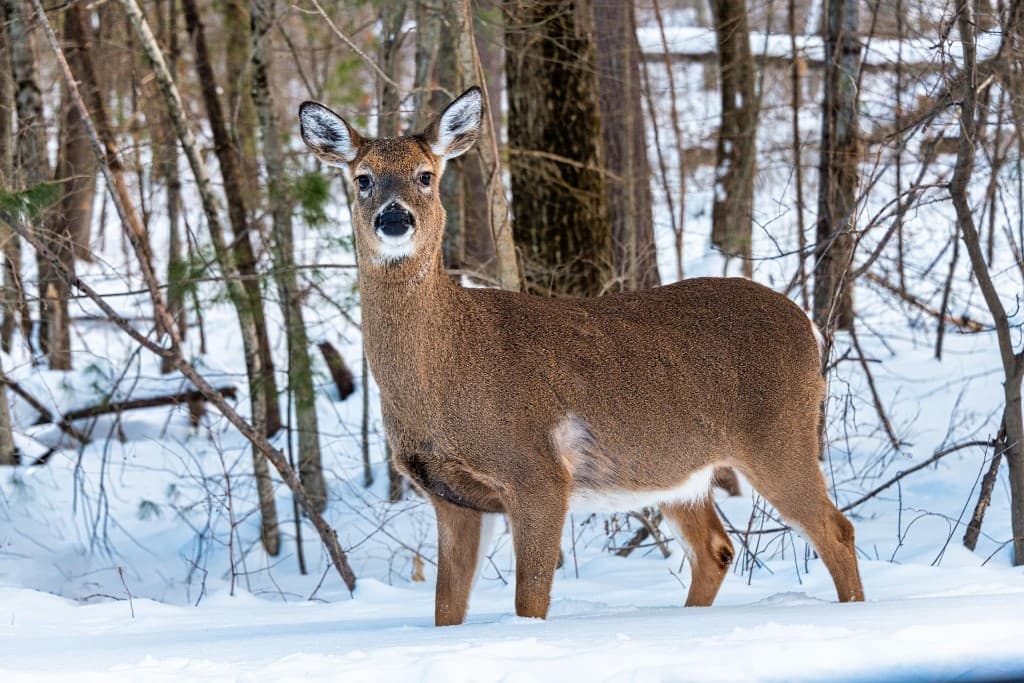
Preliminary harvest numbers are down across Michigan, especially in the north. One hunter's experience and what the DNR and hunters are saying.
Michigan 2025 Harvest Numbers Show a Decline
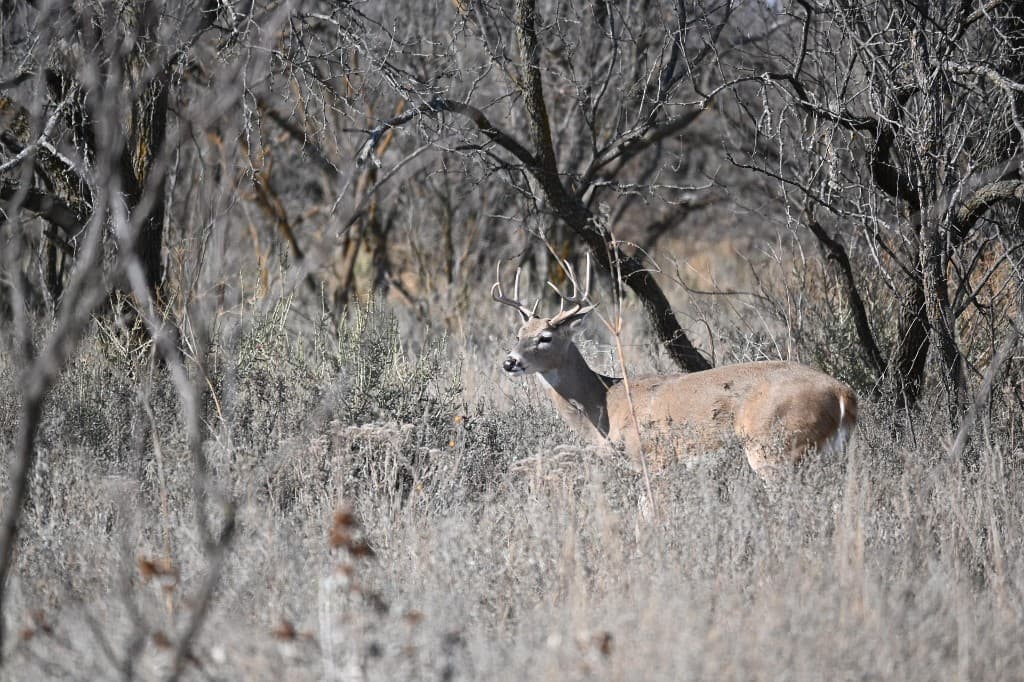
The state of Michigan has released preliminary numbers for the 2025 firearm deer hunting season. The good news from the numbers being released is that sales of deer tags remain similar to the previous four years. Hopefully the leveling of sales means the larger downward trends leading up to 2020 from the higher numbers of the 1980's and 1990's. Having a stronger hunter base is good for the hunting community and for the conservation community, as many hunters are part of the conservation efforts in their own areas. The good news of sales shows the interest in hunting remains, and hopefully we hunters can encourage a new generation to get into the woods.
While the Michigan tag sales reports were high, the harvest numbers were lower this year than in previous years. The preliminary reports show a decline of over 5% statewide over previous years' reports. The stats show what most hunters already know; the further north you travel the lower the harvest numbers. Southeast had the highest reported numbers, which were still down nearly 2% from the previous year. The Northern Lower Peninsula harvest numbers were down nearly 11%. The lowest deer harvest numbers were in the Upper Peninsula, which was down nearly 13% (Michigan DNR, 12/2025).
The staggering difference in where the harvest has been this year continues to fire debates between hunting groups and the Michigan DNR about regulations throughout the state. Residents in the northern two-thirds of the state feel the DNR is failing in deer management, making mistakes over the years. Some even warn the Southeastern hunters, where numbers are currently listed as high and overpopulated, to beware that only a decade or so the same was said for the Northern part of the Mitten. Today many areas are seeing decline in deer population reflected in this year's harvest numbers.
Many in the hunting community understand that hunting is not just about the kill. They enjoy getting in the outdoors—a win whether you are successful at bringing a deer home. Getting into the woods and field is more for your soul than bringing home a trophy or filling the freezer. Yet, while most truly believe this to be the case, doesn't a freezer full of venison for several months food or a beautiful rack hanging over the fireplace really make you feel a little bit better.
The state agencies are proclaiming it a successful harvest year. However, the feelings reflected in the stories when you go around and talk to other hunters where they gather aren't matching up to those successful proclamations. The further north you travel in the state, the more people will tell you that the 2025 deer season wasn't really all that great.
My Personal Experience in the Field of Northern Michigan
My own experience falls in line with most others living in Northern Michigan. I hunt on my parents' property. In late August I was setting my trail-cameras. In September I began to see two bucks and a small group of does on the cameras and when I was out in the woods working. I regularly watched the same six or eight deer in September. I hoped as we came closer to bow season that we'd see some others or at least get one of the deer we had seen.
Then we came into hunting season. It was a warm start to bow season, which added to the slow movement of the early season and likely pushed the rut back closer to November. I was able to get into the field nearly every Saturday and Sunday, and at least a few evening hours each week. I saw a couple doe early in the morning on camera on three or four days when I was at work.
The temperature dropped, and I stopped seeing movement on the cameras, and the deer changed patterns. Then the weekend before the opening of rifle season in November just before a storm moved in, I watched ten doe run through the brush about sixty-five to seventy yards from where I was bow hunting. I laughed as they went into the nearby pond and split up. A couple went out of the brush, still sixty-five yards out. I joked later with my wife, that maybe they had marked off where they knew I couldn't shoot with the bow.
I was able to get out on the opening day of firearm season and heard only one or two shots the whole day. Normally there are shots regularly during the first three days of season on the properties surrounding our family property. I went out the second day, four evenings, and the better part of the four other days. I heard one or two shots in the area around our property a couple of times but never saw anything myself.
Returning to bow hunting in December, I was able to get out for a few hours, five different evenings and a couple of weekend mornings and afternoons. We had early hard snowstorms, which changed patterns to winter hunting. I knew the better time would be in the late afternoon, as the warmth of the day sometimes can move deer out into the open more. Nevertheless, I still had no luck seeing anything.
On our eighty acres my parents' pastor and I were out the most, my nephew made a few days of rifle season, and one friend of his went out once. My nephew saw a couple when he was out, but they were too far out to shoot, and his friend is the only one to get a deer off the property in any season this year.
What Hunters Have Been Saying about the Harvest in Michigan
The church I attend is a mile from my parents, and many who attend are avid hunters coming from about ten miles around. Talking with many of them, I heard similar stories. Deer in our area went to a night pattern in mid-October and were rarely seen even on camera after that. Only a few managed to get their deer this year.
I am a member of some different Michigan hunting Facebook groups, and I've heard similar stories. The stories are even worse coming out of the Upper Peninsula. The only place reporting good hunting and sighting has been from the southern third of the Lower Peninsula.
Questions and Pushback
As mentioned previously, the state is saying it was a successful year. Some within the DNR have said that the harvest reporting is actually higher. They believe that some still are not following mandatory reporting regulations for harvest. They have noted that the mandatory reporting was 2% lower in 2025 over 2024 (Lofton, 2026). The real question is whether that was due to noncompliance with the mandatory reporting or if the harvest was simply lower. Conservation officer, Andrea Albert as an example, said she, "noticed a lot of deer hunters not reporting...(they) acknowledged they knew better" (Lofton, 2026). She also added that after explaining how to report, she issued them the $150 fine for noncompliance.
Brent Randolph, Michigan DNR Specialist of Deer, Elk, and Moose lays much of the blame for the low harvest numbers in the Northern L.P and U.P to weather. The snow coming in November makes deer, "get a little bit spookier and don't move as much as what folks would like," (Tudor, 2025). The weather is the biggest factor that most Michigan DNR experts and biologists have given the changes in the number of deer in given areas, such as the Upper Peninsula.
Some hunters are pushing for better management by the DNR and desire the state to stop looking through a lens that seems to miss the true numbers. There are pockets that have over abundance, but others are far more sparse.
Most people agree that the Upper Peninsula is an even different environment and has factors not faced in the rest of Michigan. Most of Superior Land had the toughest deer season of all Michigan. The Michigan DNR continues to say the harsher winters of 2023 and now more normal winters like the one we are currently having for the most drastic changes in numbers. Hunters and residents claim the large number of wolves is affecting deer numbers and starting to have effect on domestic animals as well.
A Brief History of Michigan's Wolf Population
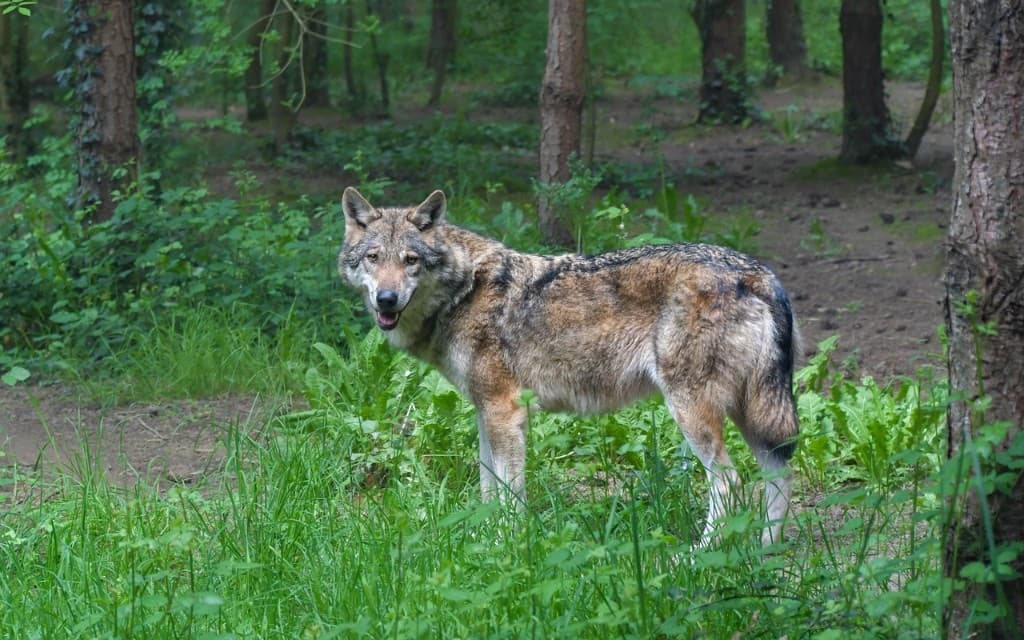
In the early 1960's the wolf population had vanished except for a small group on Isle Royale. They began the replanting of Moose to the Upper Peninsula in the 1970's, and saw a few wolves return in the early 1980's from Wisconsin. They would plant more into the environment, and as they started the process, they felt they could have a sustainable healthy environment of deer, moose, and wolves. The hope and plan were that the UP could support about 250 wolves (Michigan DNR 2016). The U.S. Department of Wildlife said numbers had returned in the Great Lakes and for about two years allowed some hunting of wolves to manage numbers after 2012. Humane society won a battle in 2015 and put wolves back into protection. This has led to the current wolf numbers of a population of 700–750, far outweighing the original biologist estimates for a sustainable population.
In December of 2025 the U.S. House voted to remove the Grey Wolf from endangered status. This could open management, including hunting wolves, back into Michigan. In the past when the Michigan legislature had approved possible limited hunting of wolves, organizations like the American Humane Society stopped management by hunting in the court system.
In February of this year, the DNR began to report that early studies for this year on the moose population have also shown decline. Many are connecting this decline as well as the whitetail decline to the growing wolf population. Some are adding the newly recognized cougar population as having effect as well, but wolves remain the biggest blame for many hunters in Michigan's U.P.
No Easy Answers—Only Time May Tell The Future of Whitetail Numbers in Michigan
There are no easy answers, but since localized pockets are showing both high numbers and low numbers dependent on where you are located, it would appear the State of Michigan does need to reconsider how it is managing numbers and issuing tags in different areas of the state. They likely also need better studies on the actual effects of predator species on local environments. If a better handle doesn't happen then harsher winters, such as the one we are currently in could have drastic consequences, as nature finds ways to put environments into check.
What can hunters do to help? First, follow current laws and report accurately and timely the deer harvested. The DNR is tracking in both broad areas and by county, but if people are not reporting harvested deer, the numbers are not counting. This may help in future decisions for the number of tags in given areas. Further, join with other local hunters and hunting groups to create stronger areas for hunting, including securing needed feed areas. Helping to support the local conservation in your area is the best way to affect where you hunt.
There is no one solution to answer this issue, but working with others in the hunting community and the biologists conducting the research is still the best way to impact the environment for the best future. Together we can make the hunting and outdoor experience better for everyone, as we all try to get out there and enjoy wildlife.
Resources
- Ahern, Louise Knott. "The Rise of the Gray Wolf." Lansing State Journal, Lansing, 27 Oct. 2014, www.lansingstatejournal.com/story/travel/michigan/2014/10/27/rise-of-the-gray-wolf/18000943/. Accessed 27 Jan. 2026.
- Makin, Kyle. "Michigan Has Lost 200,000 Deer Hunters in the Last 25 Years." WEYI, 16 Oct. 2025, midmichigannow.com/news/special-reports/michigan-has-lost-200000-deer-hunters-in-the-last-25-years.
- "Keep Michigan Wolves Protected Declares Victory for Wolves and Voter Rights." Saginaw Chippewa Indian Tribe of Michigan Homepage, 2026, www.sagchip.org/news.aspx?newsid=183. Accessed 27 Jan. 2026.
- Lofton, Justine. "Some Hunters Are Flouting Mandatory Deer Harvest Reporting. The DNR Expects That." Mlive, 3 Feb. 2026, www.mlive.com/news/2026/02/some-hunters-are-flouting-mandatory-deer-harvest-reporting-the-dnr-expects-that.html. Accessed 11 Feb. 2026.
- Michigan Department of Natural Resources, bulletin 03/09/2016, content.govdelivery.com/accounts/MIDNR/bulletins/13b5996.
- Michigan Department of Natural Resources. Preliminary 2025 Firearm Deer Hunting Numbers, 11 Dec. 2025, www.michigan.gov/dnr.
- "Resolution Calling for Wolf Hunt Passes House Committee, Highlights Partisanship." Mucc.org, 2022, www.mucc.org/resolution-calling-for-wolf-hunt-passes-house-committee. Accessed 27 Jan. 2026.
- Tudor, Jerry. "Michigan DNR Reports down Year for 2025 Firearm Deer Season in UP." WLUC / Upper Michigan's Source, 3 Dec. 2025, www.uppermichiganssource.com/2025/12/03/michigan-dnr-reports-down-year-2025-firearm-deer-season-up/. Accessed 10 Feb. 2026.

Written by
Dan Shipton
Contributing writer at The Inside Spread. Passionate about sharing hunting knowledge and conservation efforts.
Comments
No comments yet. Be the first to share your thoughts.
More in hunting
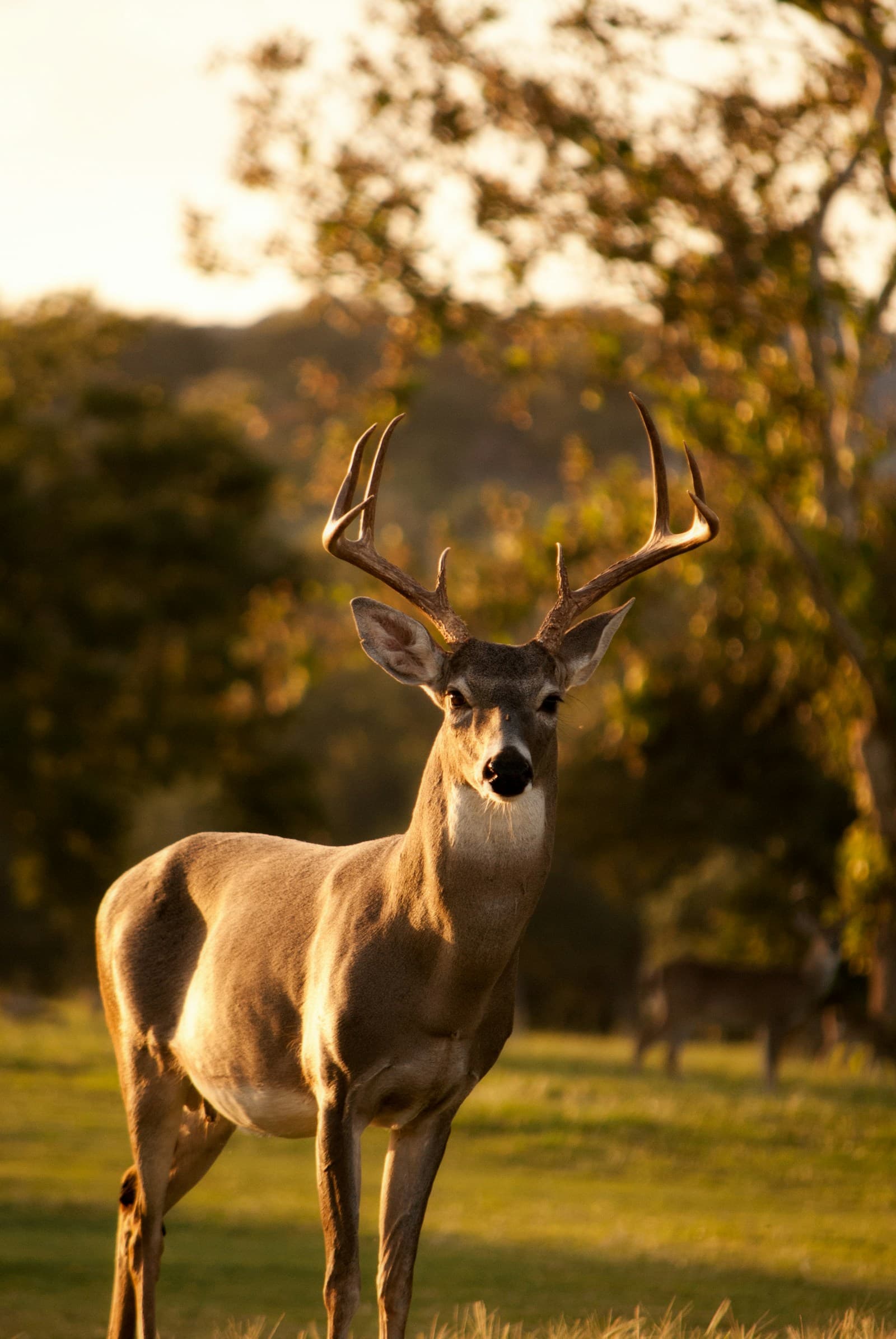
Pre-Rut Whitetail Guide: How to Hunt Bucks Right as They Go On Their Feet
A complete pre-rut whitetail guide covering scrape lines, rub lines, scent-checking behavior, rattling tactics, and how to adjust your setup as bucks shift off food and onto their feet in October.
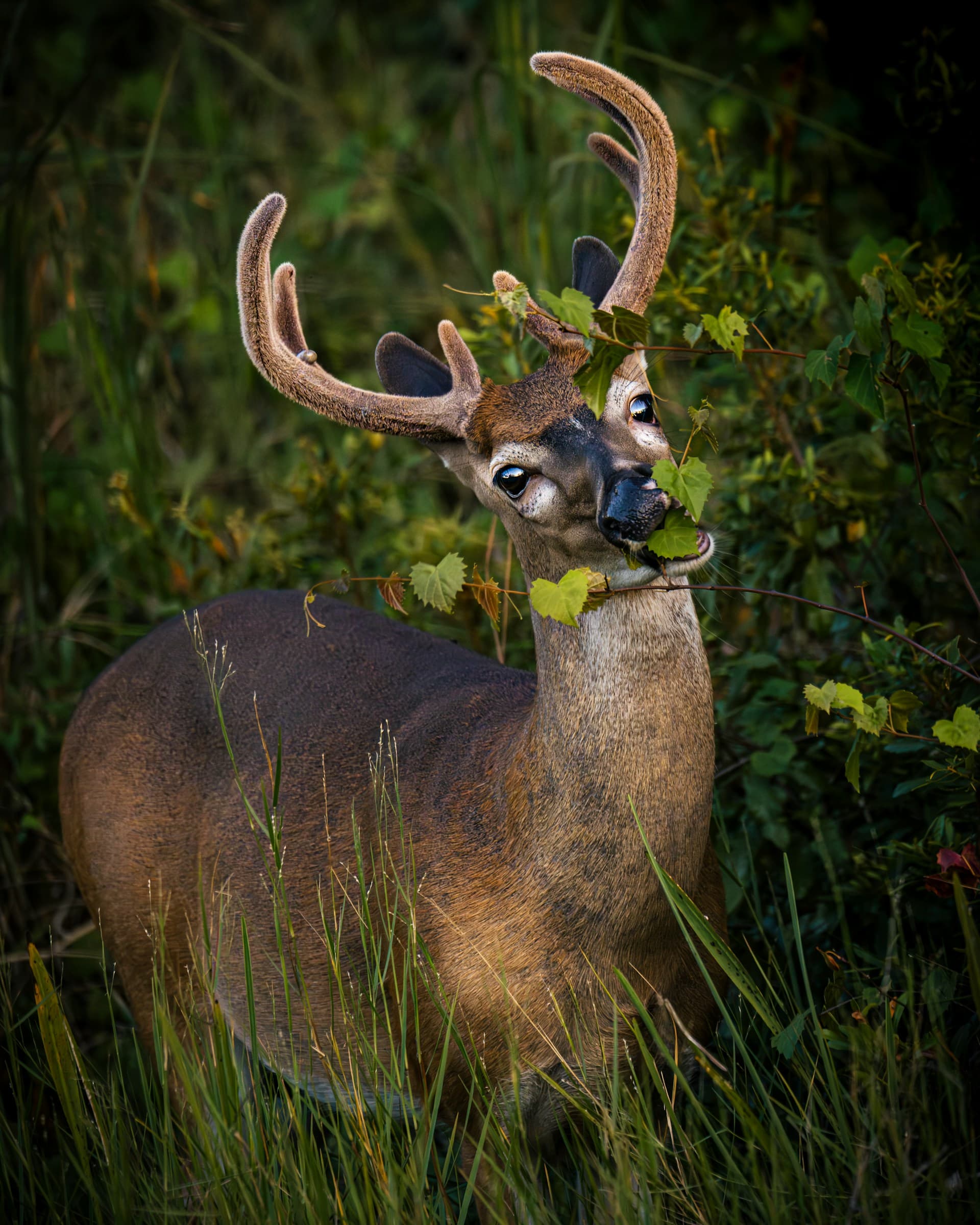
Early Season Whitetail Guide: What Deer Are Doing Right Now (And How to Cash In Before the Rut)
A complete early season whitetail guide covering deer behavior, food source patterns, buck sighting tactics, and the best time to harvest a doe before the rut kicks in.
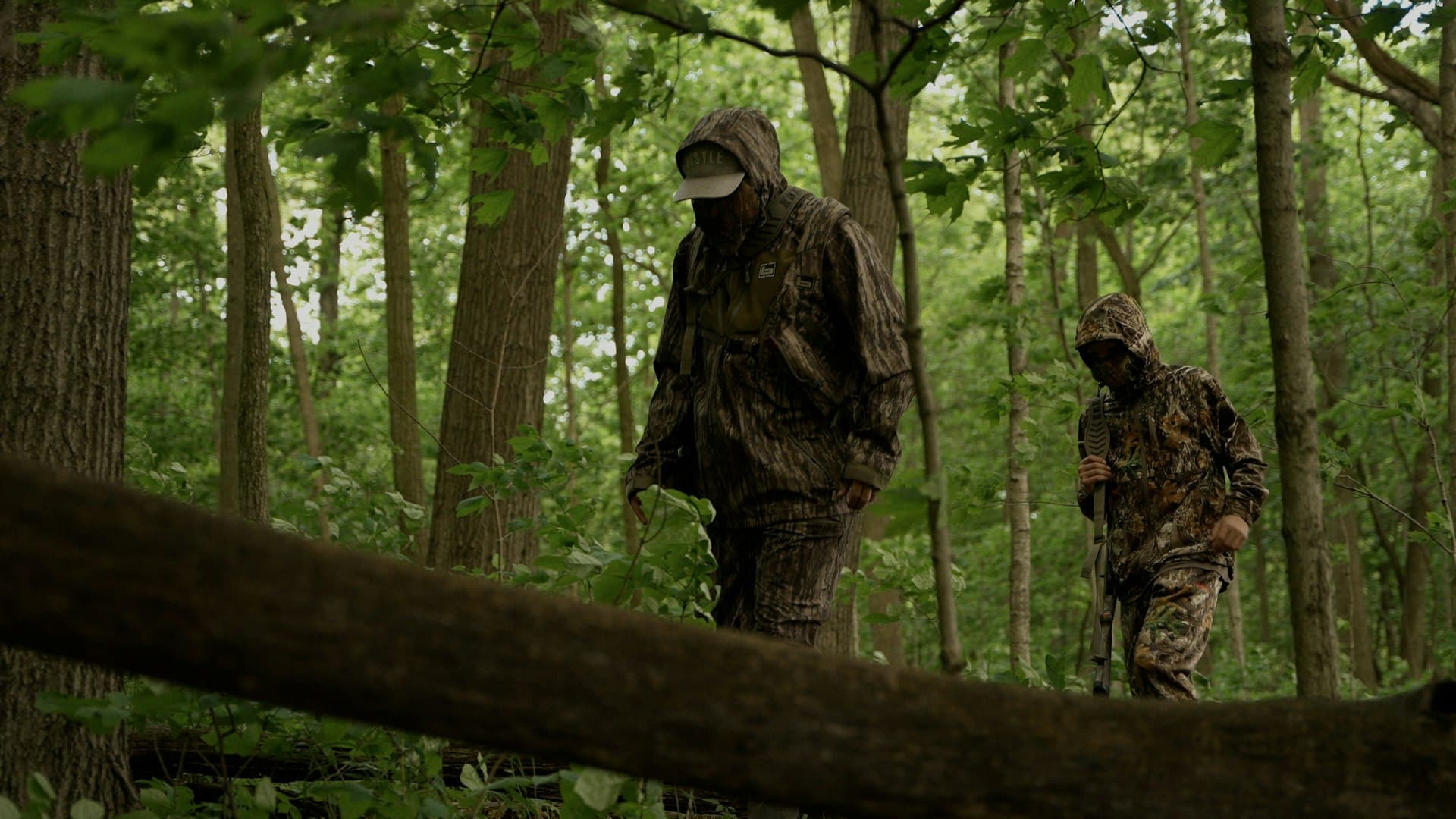
What to Look for When Walking Hunting Land for the First Time
On the first walk of hunting land, look past acreage. Judge food, water, cover, and neighboring properties the way deer actually use the landscape.
Best Trail Camera Deals This Week: Cellular Cameras, Feeders & Bows Worth Buying
This week's Academy Sports hot deals—cellular trail cameras, feeders, and archery gear worth buying, plus a few we'd skip.