
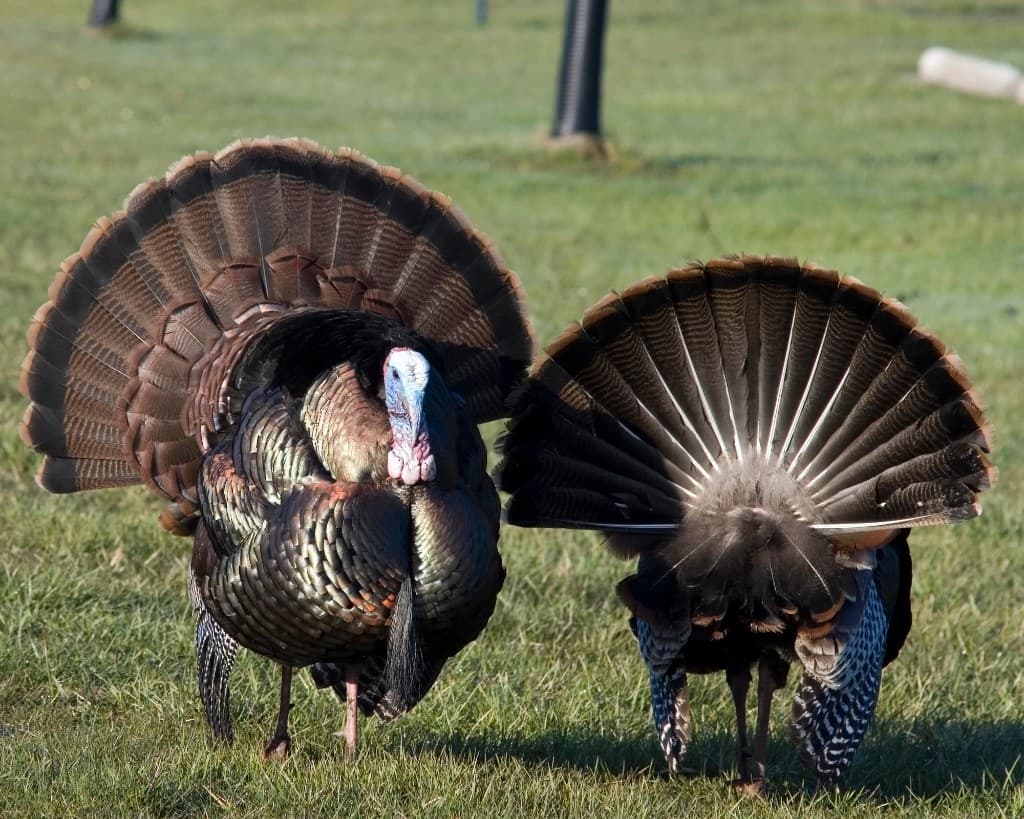
What state is best for turkey hunting in 2026? We break down the top DIY spots with public-land access, turkey numbers, success rates, and non-resident costs…
Every spring, more than 700,000 hunters head into the woods chasing wild turkeys. Some states deliver consistent action and high odds of filling a tag, while others leave you walking miles with little to show. So what state is best for turkey hunting? The answer depends on public land, bird numbers, season length, and your budget, but a few states rise above the rest year after year.
Missouri often claims the crown thanks to its huge Eastern turkey population and massive public-land base. But Wisconsin, Tennessee, Alabama, Texas, and Kansas also give hunters excellent value—especially if you are new to the sport or hunting without guides. These states combine healthy flocks, walk-in access, and reasonable non-resident licenses that will not break the bank.
In this 2026 guide from The Inside Spread, we look at real harvest trends, public acres, and practical tips so you can pick the right state for your first or next turkey hunt. Whether you want Easterns in the hardwood bottoms or Rios on the prairie, these spots deliver.
What Makes a Great Turkey Hunting State?
Not every state with turkeys makes the cut for a great hunt. Strong turkey numbers, plenty of public land, and hunter-friendly regulations are the tripod that supports a worthwhile DIY trip.
- Birds on the landscape: Top-tier states typically support hundreds of thousands of turkeys—not a small isolated flock.
- Room to roam: Think multi-million-acre public footprints when you combine national forests, wildlife areas, walk-in programs, and open federal ground.
- Season structure that fits learning: Liberal bag frameworks, sane shooting hours for public land, and seasons long enough that you can absorb a blown setup and hunt again matter—especially if you cannot take three weeks off work.
Non-resident license costs still matter. Expect roughly $80–$300 total for license and turkey privileges in most of these leaders. Weather, terrain, and subspecies round out the picture—Easterns dominate the Midwest and Southeast, while Rio Grande birds add variety in Texas and pockets of the plains.
Missouri: The Turkey Hunting Capital
Missouri earns the top spot for many hunters in 2026. Biologists peg the statewide flock in the neighborhood of 400,000–500,000 Eastern turkeys, and recent spring harvests near 51,000 birds show sustained opportunity.
You get more than 2.5 million acres of public hunting, including oak-hickory ridges in the Ozarks that turkeys use year after year. Walk-in parcels and national forest mileage mean you do not need a lease to hunt quality ground. Non-residents typically budget around $225 for hunting license plus turkey privilege—reasonable for the caliber of hunting.
Season timing is hunter-friendly on paper: youth weekend ahead of the general opener, then a concentrated spring window (see dates and limits in our Missouri spring turkey hunting guide). Missouri also uses two gobblers for residents but tightened nonresident harvest to one bird—read the current rules before you buy tags.
Beginners succeed by setting up near openings at first light and trading aggressive calling for patience. For gear that holds up in Ozark hills and half-day hikes, see our rundown of turkey hunting camo, layers, vests, and packs—the right vest beats stuffing pockets until something falls out.
Wisconsin: Public-Land Gold in the North
Wisconsin delivers one of the strongest non-resident bargains in the country. Expect on the order of 200,000–250,000 birds statewide and a spring turkey harvest north of 40,000 birds in typical years—with north of 5 million acres of public forests, counties, and managed lands to hunt.
Controlled periods spread pressure, so drawing the hunt period you want takes planning; see our Wisconsin spring turkey hunting guide for periods, deadlines, and bonus-tag concepts. Budget roughly $88–$150 all-in for many non-residents depending on license packages.
Rolling farmland pressed against big timber creates classic run-and-gun lanes and blind setups along field edges. Pack rain gear—spring mornings stay damp, and humidity carries sound.
Tennessee: High Harvests and Southern Hospitality
Tennessee posts some of the highest spring harvest totals in the nation, with an Eastern population near 250,000 birds and more than 2.3 million acres of public opportunities across WMAs, national forest, and agency lands.
Non-residents land in the $150–$250 range for license plus turkey extras depending on duration and privileges. Seasons cover multiple weeks with a two-gobbler framework—confirm daily and possession limits each year.
Beginners thrive along ag edges where birds pitch out of roosts into green fields. Practice soft tree yelps at daylight and adjust when hunting pressure stacks on popular WMAs. Full regulatory detail lives in our Tennessee spring turkey hunting guide.
Alabama: Beginner-Friendly Southeast Action
Alabama holds roughly 400,000 birds and manages north of 700,000 acres of state WMAs alone—before you count federal and private open programs. Zone-based seasons include March openers in parts of the state, giving travelers an early crack at gobblers.
Non-resident licenses sit near the $300 tier when you stack privileges, but long seasons and liberal education-focused frameworks help newcomers book multiple mornings. Pine-hardwood benches and creek bottoms in the Black Belt region behave like textbook Eastern turkey country—perfect for hunters who prefer short hikes and stationary setups.
Cross-check zones, decoy windows, and Game Check rules in our Alabama spring turkey hunting guide before you roll south.
Texas: Rio Grande Country on a Massive Scale
Texas leads raw estimates with more than half a million turkeys on the landscape. Rio Grande subspecies dominate Hill Country and South Texas, while Eastern birds occupy selected East Texas counties where regulations tighten.
Public options include large wildlife management areas, drawn hunts, annual public hunting permits, and million-acre-class federal footprints once you study maps. Non-residents should plan $200–$300 for license structures that include upland endorsements and tags.
Long season windows and healthy bag potential—when your county says you can hunt—make Texas attractive, but county rules change the game fast. Start with TPWD’s county lookup alongside our Texas spring turkey hunting guide.
Kansas: High Success Rates and Prairie Turkeys
Kansas blends Eastern, Rio Grande, and hybrid birds across 300,000–400,000 turkeys statewide. WIHA walk-in acreage stacks on top of wildlife areas and federal grasslands, giving you glassing lanes you will not find in Ozark hollers.
Resident success rates sometimes exceed 40–50% because tags are controlled and hunters prepare. Non-resident costs stay mid-pack, and seasons from mid-April through May line up with gobbling activity on prairie creeks and field edges.
Work the Kansas spring turkey hunting guide for archery-only lead-in weeks, permit math, and public-access maps.
FAQ
What state is best for turkey hunting? Missouri tops many 2026 short lists for DIY hunters thanks to flock size, acres you can actually walk, and dependable spring participation. Wisconsin and Tennessee follow close behind when you balance cost and public access.
How much does it cost to turkey hunt in the best states? Most non-residents spend $80–$300 on license and turkey privileges. Shop early—some permits and draws sell out.
What is a common mistake made by beginner turkey hunters? Calling on repeat and relocating when a gobbler goes quiet. Birds often circle; let your setup work.
Is turkey hunting good in the rain? Yes. Light rain keeps woods quiet and can position birds along openings. Dress for hypothermia conditions and hunt the first movement periods.
Do you need a lot of gear to start turkey hunting? Start with dependable camo, a shotgun you pattern, ammunition that matches your choke, and one or two calls you practice year-round. Add decoys after you understand how your birds respond.
Conclusion
Three themes stand out for 2026. First, Missouri, Wisconsin, and Tennessee still form the backbone for hunters who want birds, acres, and seasons that forgive learning curves. Second, match terrain to skill—flat prairies teach different lessons than laurel thickets. Third, read this year’s spring turkey guide for every state on your short list: season shifts, permit sales, and public-land quirks change faster than forum posts.
Tag a gobbler this spring, share the story with friends, and keep stacking public-land reps. If you want more turkey gear talk, seasons, and field notes, bookmark The Inside Spread and dig into our state turkey guides—we publish updates as agencies release final rule books.

Written by
Kenny Flermoen
Kenny Flermoen is the owner and CEO of The Inside Spread. Growing up in the Upper Midwest he spent most of his childhood outside—rain, snow, or shine. He has pursued wild turkeys and other game across the country and built The Inside Spread to connect hunters with real season info, gear that works, and public-land strategy.
Comments
No comments yet. Be the first to share your thoughts.
More in hunting
Pre-Rut Whitetail Guide: How to Hunt Bucks Right as They Go On Their Feet
A complete pre-rut whitetail guide covering scrape lines, rub lines, scent-checking behavior, rattling tactics, and how to adjust your setup as bucks shift off food and onto their feet in October.
Early Season Whitetail Guide: What Deer Are Doing Right Now (And How to Cash In Before the Rut)
A complete early season whitetail guide covering deer behavior, food source patterns, buck sighting tactics, and the best time to harvest a doe before the rut kicks in.
What to Look for When Walking Hunting Land for the First Time
On the first walk of hunting land, look past acreage. Judge food, water, cover, and neighboring properties the way deer actually use the landscape.
Best Trail Camera Deals This Week: Cellular Cameras, Feeders & Bows Worth Buying
This week's Academy Sports hot deals—cellular trail cameras, feeders, and archery gear worth buying, plus a few we'd skip.