
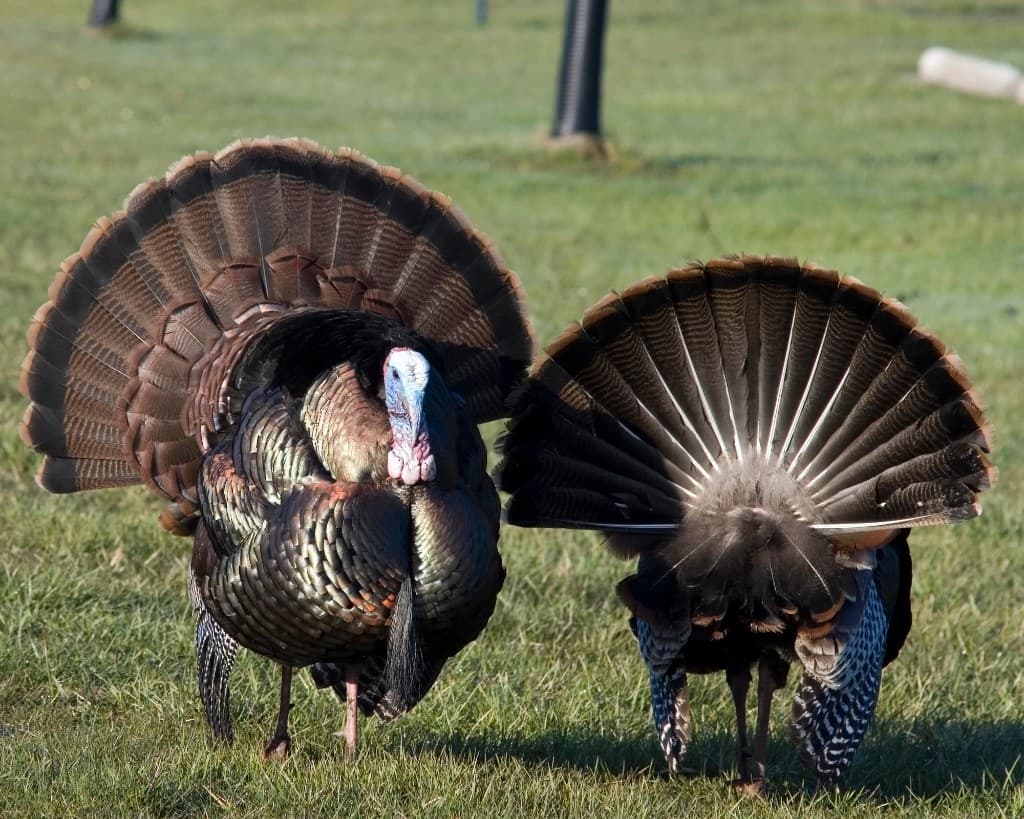
Tennessee turkey hunting 2026—Young Sportsman April 4–5, spring season April 11–May 24, two-bird limit with jake rule, licenses, WMAs, and regulations.
Tennessee’s 2026 spring turkey framework includes a Young Sportsman Hunt April 4–5 and a statewide spring season April 11 through May 24 (eRegulations Tennessee). The spring bag limit is one male turkey per day, not to exceed two per season, and only one of the two may be a jake—with a precise definition of adult gobbler in the regulations (eRegulations). All hens, including bearded hens, are illegal to harvest in spring. Any turkey taken during the Young Sportsman Hunt counts toward the two-bird spring limit (eRegulations).
- Young Sportsman: April 4–5, 2026
- Spring (shotgun/archery): April 11 – May 24, 2026
- Bag limit: 1 per day, 2 per season (only 1 may be a jake); identify adult gobblers using TWRA criteria
- Counties: Spring season open in all counties except where WMA-specific closures apply—check WMA rules
When Is Tennessee Spring Turkey Season 2026?
Tennessee runs a single statewide spring window—no zone splits—which simplifies planning if you hunt multiple WMAs or counties on one trip.
- Young Sportsman Hunt: April 4–5, 2026 (eRegulations)
- Regular spring season: April 11 – May 24, 2026
- Turkey Management Units: Birds may be harvested from any combination of units not to exceed the statewide season limit (eRegulations)
Confirm any TWRA proclamation updates on TWRA Turkey Hunting before heading out.
What Do Tennessee Turkey Licenses and Permits Cost?
Spring turkey requires a valid Tennessee hunting license and spring turkey privileges as defined in the current hunting guide (resident, nonresident, youth, senior, and military categories differ). Purchase online at Go Outdoors Tennessee, at authorized agents, or by phone through the agency’s listed numbers.
- Verify current license and permit fees each year in the official Tennessee Hunting & Trapping Guide
- WMA hunts may require additional permits or have quota applications—read the WMA section for your area
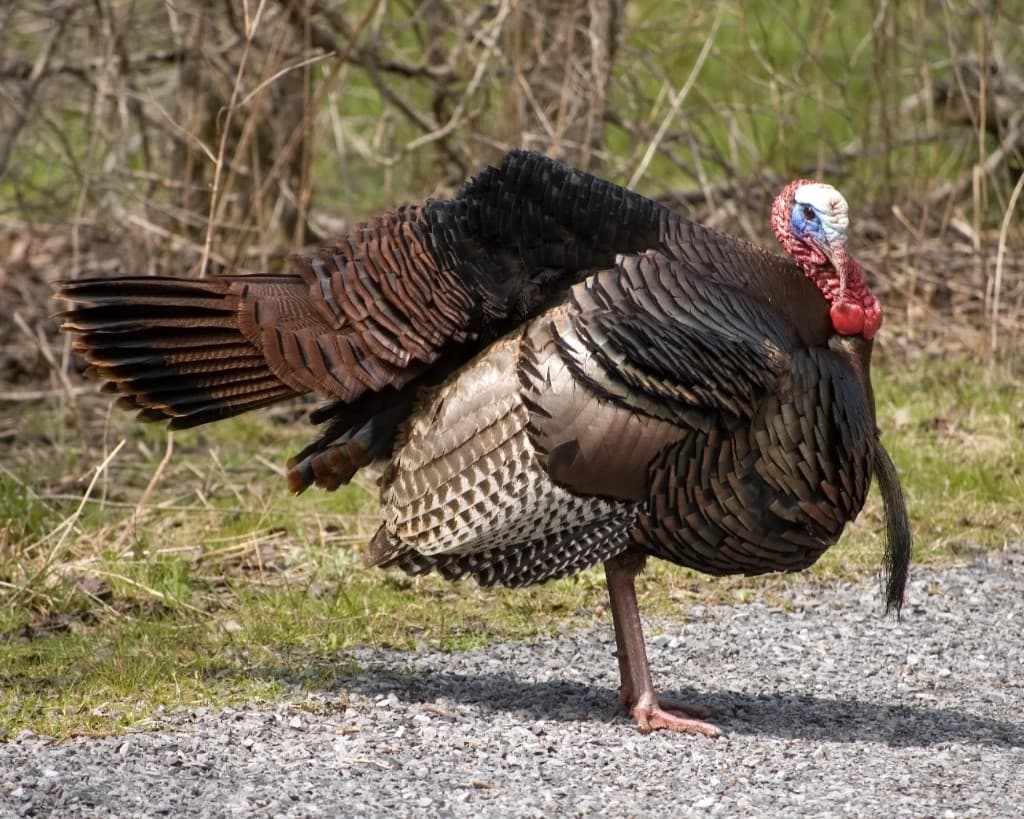
Identifying Adult Gobblers vs. Jakes
Because only one spring bird may be a jake, you must understand TWRA’s adult gobbler definition. An adult gobbler has at least one of the following (eRegulations):
- Beard longer than 6 inches
- Tail feathers equal length
- Spur at least 1/2 inch long
- Wing feathers with white barring all the way to the tip
When in doubt, do not shoot—mistaking a second jake for an adult can put you over the jake limit.
Where to Hunt Turkeys on Tennessee Wildlife Management Areas
TWRA manages Wildlife Management Areas statewide; some tracts have exceptions or closed spring turkey hunting—see the WMA section of the regulations digest (eRegulations).
- Cherokee National Forest (East Tennessee): Extensive National Forest and WMA opportunities; steep terrain, late-April gobbling in higher elevations
- Catoosa WMA: Popular Cumberland Plateau tract; check quota or special rules
- Yanahli WMA (Maury County): Piedmont mixed habitat; heavy opening-week pressure—scout off-season
- West Tennessee river bottoms: Different hunting style than the mountains; permission and flooding matter
Use TWRA’s WMA finder and regulations for each property before you go.
Legal Methods and Harvest Reporting
- Spring methods: Shotgun and archery are primary for most hunters; see current regulations for airbows and other legal equipment (TWRA Turkey)
- Hunting hours: 30 minutes before legal sunrise to legal sunset (confirm annually)
- Tag Before You Drag: Check in your turkey before moving the carcass as required by TWRA—use the official app or phone system as specified in the current guide
A Morning in the Tennessee Hills
The ridge was still cold when the first gobble rolled up from a creek bend—Cumberland hardwoods, April 12, opening day. I’d roosted the bird off a public road the night before and slipped in before gray light. Soft yelps, silence, then a hammer on the limb.
He pitched into the field edge at forty yards. One shot and the season was underway. That’s Tennessee spring turkey—long season, clear rules, and birds that earn every step.
Plan Your Tennessee Turkey Hunt
Tennessee offers a long spring window, a two-bird limit with a meaningful jake rule, and strong public access through WMAs. Start with the Tennessee hunting guide and TWRA Turkey.
Prep with last-minute turkey hunting advice, budget turkey gun guide, and Flextone Thunder Chick and Jake decoys. Introduce a new hunter: inspiring youth hunting. Conservation context: the truth about who funds wildlife conservation.
Sources
- eRegulations. "Turkey Seasons & Bag Limits." Tennessee Hunting | eRegulations, eregulations.com/tennessee/hunting/turkey-seasons-bag-limits. Accessed 19 Mar. 2026.
- Tennessee Wildlife Resources Agency. "Turkey Hunting." TWRA, tn.gov/twra/hunting/big-game/turkey.html. Accessed 19 Mar. 2026.
- Go Outdoors Tennessee. License purchase, gooutdoorstennessee.com. Accessed 19 Mar. 2026.
- eRegulations. "Wildlife Management Area General Regulations" (supplement as applicable). Tennessee Hunting | eRegulations, eregulations.com/tennessee/hunting/wildlife-management-area-general-regulations. Accessed 19 Mar. 2026.
Official state agency
Tennessee Wildlife Resources AgencyVerify seasons, bag limits, and license rules with the agency before you hunt.
Written by
The Inside Spread Team
The Inside Spread team includes hunters with decades of combined experience across the Southeast. Our writers have hunted gobblers from East Tennessee ridges to West Tennessee river bottoms.
Comments
No comments yet. Be the first to share your thoughts.
More in state-guides

Arkansas Duck Hunting 2026: Season Dates, WMA Permits, License Costs & Complete Guide
Arkansas duck hunting 2026-27—three-segment season dates, nonresident WMA waterfowl permits, Black River and Bayou Meto access changes, and Delta license costs.
Georgia Whitetail Deer Hunting 2026: Season Dates, Extended Counties, License Costs & Nonresident Guide
Georgia whitetail deer hunting 2026-27—archery, primitive weapons, and firearms dates, 29-county extended archery, 12-deer bag, Game Check, and the nonresident guide.
Kentucky Whitetail Deer Hunting 2026: Season Dates, Zone Changes, License Costs & Nonresident Guide
Kentucky whitetail deer hunting 2026-27—archery, crossbow, and modern gun dates, the 2026 zone map, license and deer permit costs, Telecheck, and the nonresident guide.
Michigan Whitetail Deer Hunting 2026: Season Dates, License Costs, UP vs LP & Nonresident Guide
Michigan whitetail deer hunting 2026—archery, firearm, and three-day December dates, DNR license fees, Upper vs Lower Peninsula rules, baiting, and the nonresident guide.