
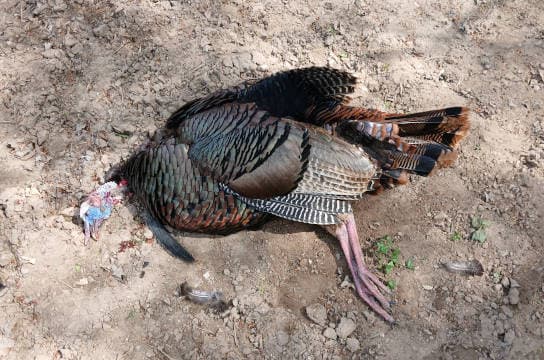
Kansas Spring Turkey Hunting 2026: Season Dates, Permits & Public Land
Kansas spring turkey 2026—archery opens April 6, general April 13 through May 31. Permits, public land access, and one of the longest spring seasons in the…
Kansas runs one of the longest spring turkey seasons in the country—nearly eight weeks from the archery opener through the end of May. The state holds strong Rio Grande and Eastern turkey populations, over 300,000 acres of public Walk-In Hunting Access, and a permit system that gives both residents and nonresidents a legitimate shot at two birds. The 2026 season opens with a youth/disabled weekend April 4–5, archery April 6, and the general season April 13 through May 31.
- Youth/Disabled season: April 4–5
- Archery only: April 6–12
- General season: April 13 – May 31
- Bag limit: 1 bearded turkey per permit, up to 2 permits
- WIHA and state wildlife areas open to public hunting
When Is Kansas Spring Turkey Season 2026?
Kansas structures its spring turkey season in three phases to spread hunting pressure and give different hunter groups dedicated windows. The youth and disabled season on April 4–5 provides a low-pressure introduction before the main opener. Archery-only week (April 6–12) rewards bowhunters with exclusive access before shotguns hit the woods on April 13.
- Youth/Disabled season: April 4–5 (youth under 16 with mentor; disabled permit holders)
- Archery only: April 6–12
- General season: April 13 – May 31
- Shooting hours: 30 minutes before sunrise to sunset
The general season runs nearly seven weeks through the end of May, covering peak gobbling activity in mid-April through the tail end of breeding in late May. That length gives you time to hunt multiple weekends, adjust to bird behavior, and try different properties. Dates are set by the Kansas Department of Wildlife and Parks—confirm at ksoutdoors.gov.
If you're bringing a young hunter for the youth weekend, our guide on inspiring youth hunters covers how to set up a comfortable, productive first experience.
Permits and License Costs
Kansas uses a limited-quota permit system divided by management units. Residents and nonresidents can each purchase up to two spring turkey permits, but availability depends on the unit. High-demand units—particularly in eastern Kansas where Eastern turkey densities are highest—can sell out, so apply early.
- Resident spring turkey permit: $27.50
- Nonresident spring turkey permit: $57.50
- Resident hunting license: $27.50
- Nonresident hunting license: $97.50
- Youth permits: reduced rates for hunters under 16
Each permit is valid for one bearded turkey (male or bearded female). You may harvest one bird per permit, and you cannot fill both permits on the same day. Some units are available over the counter after the initial allocation; check permit availability at ksoutdoors.gov before purchasing.
Kansas also offers a nonresident 5-day trip license for $27.50 that can reduce total costs if you're coming in for a long weekend. Pair that with two turkey permits and you're under $150 total for a nonresident out-of-state hunt—one of the better deals in the turkey world.
Where to Hunt Turkeys on Kansas Public Land
Kansas provides public turkey hunting access through three main channels: state wildlife areas managed by KDWP, the Walk-In Hunting Access (WIHA) program on private land, and federal grasslands. Between them, hunters have access to several hundred thousand acres spread across every turkey unit in the state.
- Flint Hills region: The tallgrass prairie and oak-hickory draws of the Flint Hills hold both Rio Grande and Eastern turkeys. State fishing lakes and wildlife areas like Melvern, Council Grove, and Milford provide walk-in access to creek-bottom timber where birds roost. WIHA tracts fill in the gaps between public parcels.
- Cimarron National Grassland: 108,000 acres in the southwest corner of Kansas. Rio Grande turkeys concentrate in the cottonwood corridors along the Cimarron River. Less hunting pressure than eastern units, but birds can be spread thin across the open landscape.
- Northeast Kansas timber: The densest Eastern turkey populations in the state. Clinton, Perry, and Tuttle Creek wildlife areas offer hardwood timber and river-bottom habitat. These areas see more pressure, but bird numbers compensate.
- WIHA program: Over 300,000 acres of private land enrolled for public walk-in access. WIHA is especially valuable for turkey hunting because it opens up scattered woodlots and creek corridors that wouldn't otherwise be accessible. Updated WIHA maps are published annually by KDWP.
- Smoky Hills and central Kansas: Mixed Rio Grande and hybrid populations along the Smoky Hill and Solomon rivers. Cedar Hills and Kanopolis wildlife areas are solid starting points.
Download the KDWP public land atlas and WIHA maps before your hunt. The WIHA atlas is updated each September and available as a free download or mobile app.
Legal Methods and Regulations
Kansas allows shotguns, muzzleloaders, bows, and crossbows during the spring turkey season. Shot size and gauge requirements are specific—familiarize yourself with the legal equipment list before heading out.
- Shotguns: 20-gauge or larger; shot no larger than #2; no lead shot restrictions for turkey
- Muzzleloading shotguns: .40 caliber or larger
- Archery: legal during all spring season phases; no minimum draw weight
- Crossbows: legal during all spring season phases
- Electronic calls: prohibited in Kansas; mouth calls, box calls, slate calls, and other manual calls only
- Decoys: legal on all land types
- Baiting: hunting over bait is prohibited; bait must be removed at least 30 days before hunting
- Harvest reporting: required via GoOutdoorsKansas.com or the iSportsman app within 24 hours
The electronic call ban is a notable difference from neighboring states like Nebraska and Missouri where e-callers are legal. If your setup relies on an electronic caller, you'll need to brush up on mouth and friction calls before crossing into Kansas. For gear recommendations, see our best turkey hunting camo and gear guide and budget turkey gun options.
Kansas also prohibits hunting turkeys from a vehicle, using dogs, and using any artificial light. Full regulations are published in the KDWP Spring Turkey Regulations Summary at ksoutdoors.gov.
Plan Your Kansas Turkey Hunt
Kansas delivers a long season, affordable permits for residents and nonresidents alike, and enough public land to build a multi-day hunt without needing private access. The Flint Hills and northeast timber belt are the top destinations for bird density, while Cimarron National Grassland and the Smoky Hills offer solitude and Rio Grande turkeys in wide-open country.
Check the Kansas hunting guide for more on seasons, licenses, and regulations across the state. If you're preparing for your first spring turkey hunt or putting together a last-minute trip, start with our last-minute turkey hunting checklist and our breakdown of decoy setups that produce results. For hunters comparing Midwest turkey destinations, our Michigan turkey hunting guide and Missouri spring turkey breakdown offer side-by-side context.
Sources
- Kansas Department of Wildlife and Parks. "Spring Turkey Season." KDWP, ksoutdoors.gov. Accessed 31 Mar. 2026.
- Kansas Department of Wildlife and Parks. "WIHA Atlas and Public Lands." KDWP, ksoutdoors.gov. Accessed 31 Mar. 2026.
Official state agency
Kansas Department of Wildlife and ParksVerify seasons, bag limits, and license rules with the agency before you hunt.
Written by
The Inside Spread Team
The Inside Spread team includes hunters with decades of combined experience across the Great Plains turkey range. Our writers have chased Rio Grandes through the Flint Hills and Eastern birds in the northeast Kansas timber.
Comments
No comments yet. Be the first to share your thoughts.
More in state-guides
Arkansas Duck Hunting 2026: Season Dates, WMA Permits, License Costs & Complete Guide
Arkansas duck hunting 2026-27—three-segment season dates, nonresident WMA waterfowl permits, Black River and Bayou Meto access changes, and Delta license costs.
Georgia Whitetail Deer Hunting 2026: Season Dates, Extended Counties, License Costs & Nonresident Guide
Georgia whitetail deer hunting 2026-27—archery, primitive weapons, and firearms dates, 29-county extended archery, 12-deer bag, Game Check, and the nonresident guide.
Kentucky Whitetail Deer Hunting 2026: Season Dates, Zone Changes, License Costs & Nonresident Guide
Kentucky whitetail deer hunting 2026-27—archery, crossbow, and modern gun dates, the 2026 zone map, license and deer permit costs, Telecheck, and the nonresident guide.
Michigan Whitetail Deer Hunting 2026: Season Dates, License Costs, UP vs LP & Nonresident Guide
Michigan whitetail deer hunting 2026—archery, firearm, and three-day December dates, DNR license fees, Upper vs Lower Peninsula rules, baiting, and the nonresident guide.