
Colorado SB25-003: An Update and Its Challenges for Hunters and Sportsmen in 2025
As of March 27, 2025, Colorado SB25-003 continues to stir debate among hunters and sportsmen across the state. This gun control bill, which we first covered…
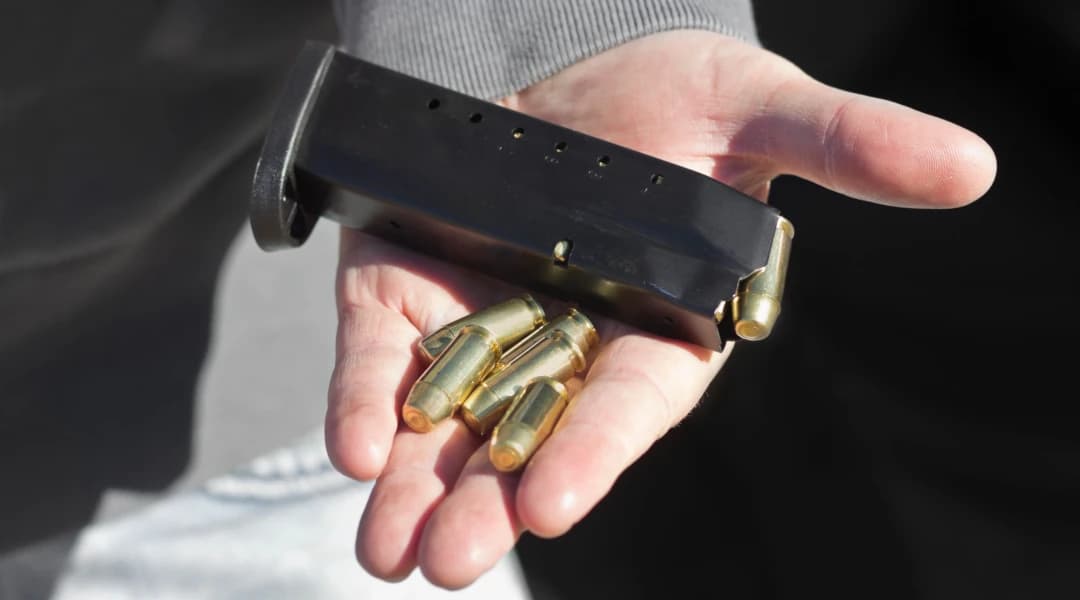
As of March 27, 2025, Colorado SB25-003 continues to stir debate among hunters and sportsmen across the state. This gun control bill, which we first covered in our original Colorado SB25-003 article, has progressed significantly since its introduction. It has passed the Colorado House and is now back in the Senate for a final vote before potentially reaching Governor Jared Polis’s desk. For hunters and sportsmen who rely on semiautomatic firearms, this legislation poses serious challenges to their gear choices, hunting practices, and the broader conservation efforts tied to their activities. While the intent may be rooted in public safety, the implications for Colorado’s outdoor community are concerning and warrant close attention.
This update reflects the latest developments in the bill’s journey through the legislature, as reported by sources like Longmont Leader. It’s not just about policy—it’s about how Colorado SB25-003 could reshape hunting and shooting sports in the state. Below, we’ll outline what the bill proposes, its current status, its potential impact on hunters and sportsmen, the arguments surrounding it, and what’s next, including a call for action and the steps needed if it becomes law.
What is Colorado SB25-003?
If you haven’t heard by now, Colorado SB25-003 is a legislative bill aimed at restricting the sale of semiautomatic firearms in the state. These firearms, which include rifles, shotguns, and certain handguns, are commonly used by hunters and sportsmen for their reliability and efficiency. The bill’s scope has raised eyebrows due to its potential to limit access to tools integral to hunting and recreational shooting, activities deeply woven into Colorado’s outdoor culture. It’s a contentious piece of legislation that’s sparked significant discussion since its introduction in January 2025.
What Does the Bill Propose?
SB25-003 seeks to ban the sale, transfer, and possibly possession of semiautomatic firearms that meet specific criteria, such as having detachable magazines and features like pistol grips or threaded barrels, according to KJCT8. While the exact language remains fluid due to amendments, the bill could affect popular hunting firearms like AR-15s in .223 Remington for predator control or semiautomatic shotguns for waterfowl. Amendments in the Senate, noted by KKTV, have added a permitting process, requiring safety courses through Colorado Parks and Wildlife (CPW) for exemptions, but this still complicates access. The lack of clarity on exemptions leaves hunters uncertain about their gear options, a point of contention as the bill progresses.
Current Status in the Colorado Legislation
As of March 26, 2025, SB25-003 has cleared the Colorado House, as reported by Longmont Leader, and is now back in the Senate for a final vote following amendments. It’s moved swiftly since its second reading in February, per KJCT8, and could reach Governor Polis’s desk within days. Polis, who has supported gun control measures in the past, has indicated openness to signing it if exemptions for hunters are clear, but no final stance has been confirmed. The Senate vote is the next critical step, and its outcome will determine whether this bill becomes law by mid-2025.
How Does This Affect Hunters and Sportsmen?
For Colorado hunters and sportsmen, SB25-003 presents significant hurdles. Semiautomatic firearms are not just recreational toys—they’re practical tools. Rifles like the AR-15, often chambered in .223 Remington, are widely used for predator control, such as coyotes that threaten livestock and game populations. Semiautomatic shotguns excel in waterfowl hunting, offering quick follow-up shots on fast-moving ducks or geese. Even big game hunters may use .308 Winchester semiautos for their reliability in dense timber. If SB25-003 restricts these, hunters might need to switch to bolt-action or pump-action alternatives, which can be less efficient and require new purchases.
Arguments For and Against the Bill
Supporters of SB25-003, as noted in KKTV, argue it enhances public safety by reducing access to semiautomatic firearms linked to mass shootings, potentially lowering gun violence risks. Senator Tom Sullivan, a key sponsor who lost his son in the 2012 Aurora shooting, which is certainly sad for him and his family, emphasizes enforcing Colorado’s 2013 high-capacity magazine ban to prevent such tragedies. Critics, including hunters and gun rights advocates cited in Longmont Leader, counter that it infringes on Second Amendment rights and unfairly targets law-abiding citizens. They argue that semiautomatics are standard hunting tools, and the bill’s broad scope overlooks their legitimate use, potentially violating the "common use" precedent from District of Columbia v. Heller (2008).
Implications for Conservation
The conservation implications of SB25-003 are a critical concern that could ripple across Colorado’s wildlife for years. Hunting license sales and excise taxes on firearms and ammunition, funneled through the Pittman-Robertson Act, are a lifeline for the state’s conservation efforts. In 2024, Colorado hunters contributed over $30 million through licenses and another $24 million via Pittman-Robertson funds, per Colorado Parks and Wildlife estimates. These dollars fund habitat restoration—like the sagebrush projects that keep mule deer thriving—elk habitat programs that bolster populations in the Rockies, and predator management to balance ecosystems, such as controlling mountain lions that prey on bighorn sheep.
If SB25-003 passes, it could shrink this funding pool significantly. Fewer hunters mean fewer license sales—say a 20% drop from 2024’s 150,000 licenses, cutting revenue by $6 million annually at $40 per resident tag. Reduced gun sales—semiautomatics account for roughly 40% of rifle sales, per industry trends—could slash Pittman-Robertson contributions by $5-$10 million, given Colorado’s $24 million share in 2023. That’s $11-$16 million less for wildlife each year. Mule deer, already stressed by habitat loss, could see fewer restoration projects, stunting population recovery. Elk herds, dependent on predator control, might face increased pressure from unchecked lions or bears. Even species like bighorn sheep, sensitive to habitat quality, could suffer as funds dry up for monitoring and restoration.
Conservationists rely on hunters as boots-on-the-ground stewards—fewer of us in the field could mean less data on wildlife health, slowing CPW’s ability to adapt management plans. It’s a chain reaction: restrict our tools, deter participation, and watch the money vanish, leaving Colorado’s wildlife more vulnerable than ever. The idea that a safety bill could harm the very ecosystems it claims to protect is a troubling paradox that hunters and conservationists can’t ignore.
What’s Next?
SB25-003 awaits its final Senate vote, a step that could happen within days, per Longmont Leader. If it passes, it heads to Governor Polis, who may sign it into law by summer, given his past support for gun control tempered by hunter exemptions. But we’re not powerless yet. Every Colorado hunter, sportsman, and gun owner should call their state senators immediately—contact them via the Colorado General Assembly and urge them to vote no on SB25-003. Highlight its threat to hunting gear, conservation funding, and our rights. Time’s short, and every voice counts.
If Polis signs it, the fight shifts gears. Conservation groups like the Rocky Mountain Elk Foundation and gun rights organizations like the NRA or Gun Owners of America should launch lawsuits behalf of hunters and gun owners alike against the state. The Pittman-Robertson Act ties gun sales to conservation funding—fewer purchases due to a ban gives them a potential legal hook. They could argue economic harm to wildlife programs, violations of the 2nd Amendment and violations of hunting rights under federal law, potentially overturning the bill in court. It’s a tough road, but it’s one worth taking to protect our access and Colorado’s wild places.
For now, Colorado hunters should stock up on legal semiautomatics before any ban takes effect—check local dealers for inventory while you can. Stay updated through our site—we’ll keep tracking this mess. Hunters and sportsmen deserve a say in their future, and we can’t let this bill silence us without a fight.

Written by
Kenny Flermoen
Kenny Flermoen is the owner and CEO of The Inside Spread. Growing up in the Upper Midwest he spent most of his childhood outside rain, snow, or shine. This is where he cut his teeth as a white tail hunter. Since then he has been on several hunting adventures for Elk, Turkey, and Coues deer. The Inside Spread is the place for sharing his adventures with friends, family, and acquaintances across the world and promoting his mission to connect hunters from all walks of life, allowing them to share their experiences, tips, and tricks. We believe that by fostering this sense of community, we can help hunters of all levels improve their skills and enjoy their hunting experiences.
Comments
No comments yet. Be the first to share your thoughts.
More in shooting

Colorado SB25-003 Goes Into Effect August 1. Here's What Every Hunter, Shooter, and Gun Owner in the State Needs to Know.
Colorado SB25-003 takes effect August 1, 2026 — permit-to-purchase, mandatory training, the 900-model list, hunter exemptions, Del Toro v. Polis, and what to do before the deadline.
Safes and Range-Day Guns We'd Actually Buy
Winchester and Redfield gun safes plus the Smith & Wesson M&P 22 Magnum from Academy’s spring deals—logistics, capacity reality checks, and honest caveats.
6.5 Weatherby RPM: A Long-Distance Dragster of a Hunting Cartridge
First-hand review of the 6.5 Weatherby RPM—origins, ballistics, and real-world use from a Wisconsin doe hunt.
How to Improve Rifle Accuracy: 9 Tips That Shrink Groups
Improve rifle accuracy with practical tips on zero, breathing, trigger control, rests, ammo, and practice. Real hunter lessons to shrink groups at the bench and in the field.