
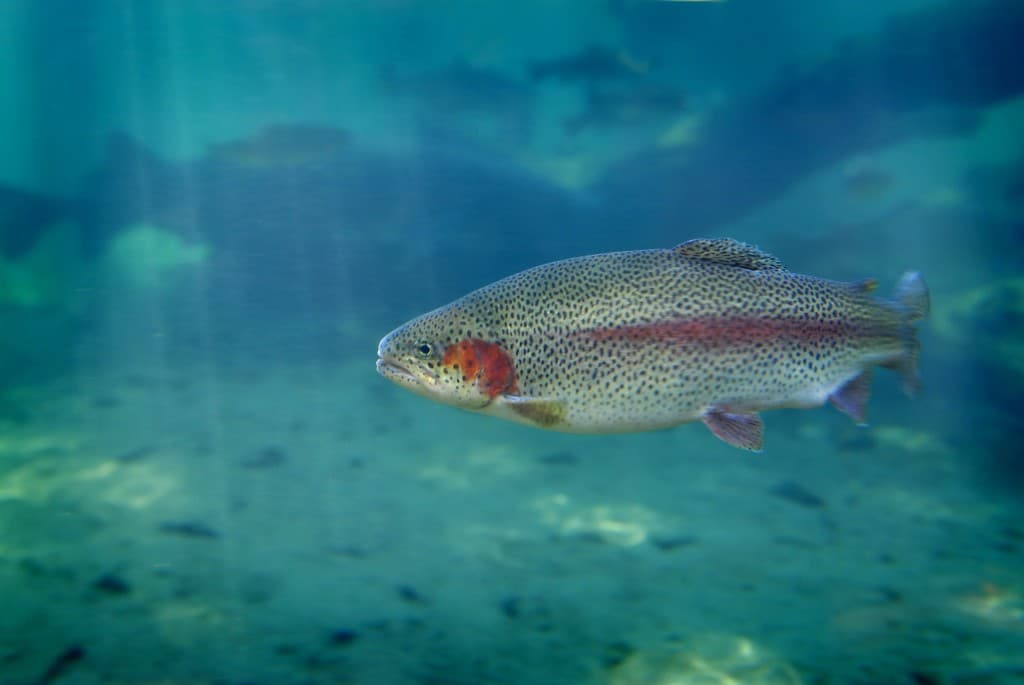
Idaho Fishing 2026: Licenses, Steelhead Rivers, and Mountain Trout
Idaho fishing 2026—license options, steelhead and salmon permit checks, official IDFG regulations, trout-water planning, and invasive-species inspection rules.
2026 seasons & limits
Verify rules with Idaho fish & wildlife
- Confirm open seasons, daily bag, and possession limits for each species and water you fish.
- Check length and slot rules—many lakes, rivers, and bays have special tables beyond statewide defaults.
- Review 2026 summaries and any emergency orders (closures, health notices, gear rules) before you go.
The Inside Spread orients you for trip planning only. Conservation officers enforce the official published regulations—not articles or forum posts.
Need an Idaho fishing license, the steelhead synopsis, salmon permit details, or the right regulations booklet before your trip? Start with Idaho Fish and Game and decide whether your day is built around anadromous fish, trout water, a reservoir, or a warm-water fishery. That first decision usually tells you which permits, special rules, and inspection steps matter.
Idaho is a western fishing state where you can measure a trip in vertical feet as easily as miles. The Clearwater and Salmon systems do not plan like Henrys Fork, Silver Creek, alpine lakes, or Snake River reservoirs, and steelhead or salmon seasons can shift within the same year. If you name the exact system first, the license, permit, and special-regulation questions become much easier to answer.
2026 Seasons, Limits, and Rule Changes
This article is not the law. Your state's fish and wildlife agency publishes the official rules—online digests, mobile apps, and emergency notices—and those sources control what you can keep, when you can fish, and where.
Idaho manages freshwater fisheries only—rivers, reservoirs, lakes, and streams. Named waters often carry special regulations beyond statewide defaults; border waters and interstate coordination may apply on shared rivers. Always match the species, water body, and date you plan to fish to the correct table.
What to verify before every trip
- Seasons and closures for each species you target (game fish, panfish, trout, salmon, and steelhead where present)
- Daily and possession limits (creel limits) and whether aggregate caps apply across similar species
- Minimum and maximum length and slot limits, plus how length is measured (total length vs. fork length)
- Gear restrictions (bait, hooks, tackle) where they apply
- Special rules for WMAs, community fishing waters, trophy waters, and border waters
2026 updates and mid-season changes
Agencies publish annual summaries and sometimes emergency orders (water quality, fish health, stock changes, or temporary closures). Before you plan 2026 trips:
- open the current regulations for the license year that covers your dates
- check your agency's news or rule change page for new limits, stamps, or reporting rules
- read invasive species and bait movement notices if you move boats or gear between waters
If a forum or social post disagrees with the agency PDF, trust the agency and walk away from edge cases.
Popular species: what to look up in the digest
Use the index or online tools to find limits for the fish you actually plan to catch—black bass (largemouth, smallmouth, spotted), panfish (crappie, bluegill, perch, sunfish), catfish, trout and salmon (including steelhead where present), walleye and sauger, muskies and pike, and other species listed for your water in the official guide. Do not keep fish until you match the species to the exact rule line for that water body and date.
| Topic | Verify in the official digest |
|---|---|
| Daily bag | Per-day harvest limit per species or aggregate groups |
| Possession | Fish you may have in camp, cooler, or vehicle combined |
| Length / slot | Minimum, maximum, or protected length bands |
| Season | Opening and closing dates, catch-and-release-only windows, closures |
Idaho official source: Idaho Fish and Game — Fishing
Species-specific guides (2026)
Deeper dives on Idaho’s top game fish—history, where they live, 2026 regulations, and how to fish for them:
What Idaho Fishing License Do I Need?
Most anglers age 14 and older need a valid Idaho fishing license to fish Idaho waters, with exemptions and categories published on IDFG license pages. Steelhead and salmon fisheries require additional permits where rules apply—purchase these before you fish anadromous waters, not after you hook a fish. A two-pole permit may be available for anglers who want to fish two rods where allowed; verify that the water you fish permits two poles and that your permit is current.
Use Go Outdoors Idaho or authorized vendors for purchases, renewals, and duplicate documents. Nonresidents should compare short-term licenses against longer trips; Idaho’s trout and steelhead fisheries can justify extended visits. Residents should check whether combination licenses or discounted categories apply to their situation.
If you fish tribal waters or lands, tribal regulations may differ from state rules. Obtain permission and the correct permits when required.
Idaho Steelhead and Salmon: Reading Run Timing and In-Season Management
Steelhead runs are not a single calendar event. Fish can arrive early or late depending on ocean conditions, temperature, and flow. IDFG manages fisheries with seasons and limits that may change within a season to protect wild fish or respond to run strength. Carry the current steelhead synopsis and check for updates before each trip.
Salmon fisheries on the Snake and Salmon systems can include additional gear rules, closures, and reporting expectations. If you are new to the fishery, learn the difference between adipose-clipped hatchery fish and wild fish where rules require release. Identification mistakes can have serious consequences.
Clearwater and Snake: Boats, Bank, and Etiquette
The Clearwater and lower Snake attract anglers with boats, drift boats, and jet sleds. Ramp etiquette matters—rig before you block lanes, communicate at crowded launches, and give space to boats drifting downstream. Bank anglers should avoid stepping into runs that other anglers are working downstream.
Wading can be dangerous. Cobble can roll underfoot; currents can push harder than they look. Use a wading staff when appropriate, wear studded boots in heavy water, and avoid crossing at night unless you know the channel.
Henrys Fork, Silver Creek, and Eastern Idaho Trout Culture
The Henrys Fork of the Snake River is a destination for anglers who enjoy technical dry-fly and nymph fishing, strong hatches, and careful presentations. Silver Creek is famous for selective trout feeding on tiny insects in clear water—polarized glasses and patience are essential. Respect other anglers’ space; crowding a rising fish is poor form and often spooks the fish.
Alpine Lakes and Backcountry Access
The Sawtooths and other central Idaho ranges offer hike-in trout fishing that feels worlds away from interstate traffic. Pack light but smart: navigation tools, water, rain layers, and bear-aware food storage where required. Snow can linger late into summer at high elevations; stream crossings can be dangerous during runoff.
Lake Pend Oreille and Northern Reservoir Fisheries
Lake Pend Oreille supports unique fisheries including kokanee salmon and large rainbow trout (Gerrard-strain rainbows) in some years—management can include special rules and research-driven changes. Pay attention to water-specific regulations. Northern pike in Lake Pend Oreille have been a management concern because of predation risk to native fish; IDFG may encourage harvest or apply special rules—follow current guidance.
C.J. Strike, Brownlee, and Southern Reservoir Bass and Walleye
Southern Idaho reservoirs offer warm-water fishing for bass, walleye, and catfish with a different rhythm than northern trout streams. Wind, boat traffic, and irrigation schedules can change fish location. Summer heat can push bass deep or into early morning feeding windows.
Bull Trout and Native Fish Conservation
Bull trout are native char that require cold, clean water. Many waters require catch-and-release or have gear restrictions. If you encounter bull trout, handle them carefully and release quickly—native fish are conservation priorities.
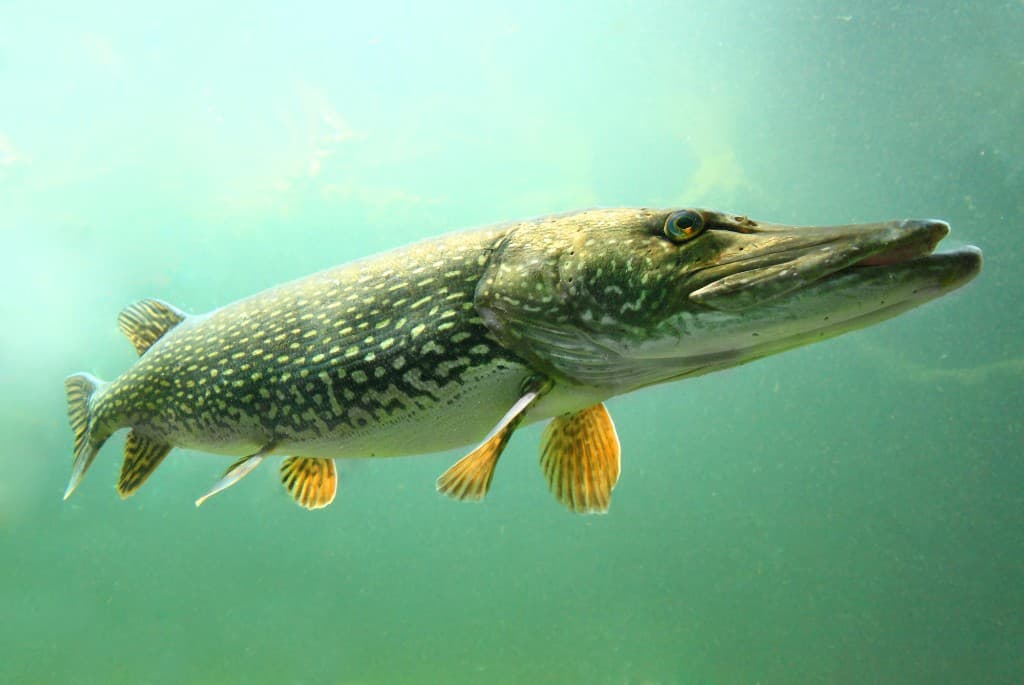
Northern Pike Management and Identification
Pike can be exciting predators, but Idaho’s relationship with pike is nuanced. In some waters, pike are managed as invasive threats to salmon and steelhead. Read IDFG materials for each waterbody before you keep or transport fish. Confusing pike with similar species is uncommon, but misidentifying salmonids is not—study adipose clips and fin patterns.
Seasons and Weather Patterns
Spring brings high water and challenging wading in many rivers; it also brings some of the best steelhead fishing windows for experienced anglers. Summer can be excellent for trout on tailwaters and high-elevation lakes but requires attention to heat and water temperature for catch-and-release. Fall can bring stable flows and aggressive feeding. Winter steelhead fishing exists for hardy anglers; dress for hypothermia risk and slippery ramps.
Access, Public Land, and Private Land
Idaho has abundant public land, but access is not universal. Respect private property boundaries, walk in only where allowed, and obtain permission for landlocked public water access when required. Wildlife management areas may have seasonal closures.
Invasive Species and Boat Inspections
Idaho inspects boats to stop invasive mussels. Clean, drain, dry, and arrive at inspections with compartments accessible. If you are turned away or delayed, remember the goal is protecting fisheries.
Safety: Cold Water, Rivers, and Big Lakes
Wear a life jacket in cold rivers and big lakes. File a float plan with someone on shore. Monitor weather—Idaho wind can build dangerous waves quickly on reservoirs.
Border Waters: Washington, Oregon, Montana, Utah, Wyoming, Nevada
Fishing near state lines can require multiple licenses or special rules for shared waters. If you fish the Snake or shared reservoirs, verify which jurisdiction applies to your trip.
Where Are Idaho’s Best Steelhead and Trout Fisheries?
- Clearwater River: Steelhead and spring chinook fisheries with reach-specific rules—read the steelhead synopsis and salmon regulations before fishing.
- Snake River: Mixed fisheries depending on reach; anadromous fisheries may require permits and careful species identification.
- Henrys Fork and South Fork Snake: World-class trout fisheries with technical presentations and seasonal hatches—follow etiquette and special regulations.
- Silver Creek: Spring-creek trout fishing with selective fish and clear water—small flies and long leaders are common.
- Lake Pend Oreille: Large lake fisheries with kokanee and rainbow trout opportunities—watch for special rules and predator management updates.
- Sawtooth alpine lakes: Hike-in trout fishing with remote access and backcountry safety considerations.
Plan Your Idaho Fishing Trip
Match your trip to the season and river. If you want steelhead, plan for weather delays and changing rules. If you want trout, book lodging near your target reach and keep a backup lake option if wind blows out the river. Mixed groups can combine a half-day reservoir trip with scenic drives in cooler mountain air.
Use our Idaho outdoors guide with the Idaho fishing hub. Find more ideas in fishing articles.
Kokanee, Panfish, and Family Fishing
Kokanee can be a fun family target when seasons and limits align. Panfish and perch provide table fare when regulations allow. Teach kids to identify fish and handle them quickly.
Night Fishing and Ramp Courtesy
Night fishing for catfish and walleye can be productive on reservoirs. Use lights responsibly and keep noise down near residential shorelines.
Documentation and Enforcement
Keep proof of license, steelhead permits, and salmon permits when required. Officers check boats during peak runs. If you receive a citation, verify details calmly against official publications.
Frequently Asked Questions
Do I need an Idaho fishing license?
Most anglers 14 and older need a valid Idaho fishing license; steelhead and salmon permits are required for those fisheries—check Fish and Game for current rules and validations.
Where can I find Idaho fishing regulations?
Use Idaho Fish and Game fishing pages for the Idaho Fishing Seasons and Rules booklet, steelhead synopsis, and special rules by water.
What are Idaho’s best-known fisheries?
The Clearwater and Salmon rivers support steelhead and salmon; Henrys Fork and Silver Creek are famous trout waters; Pend Oreille and C.J. Strike offer bass and walleye.
What is different about steelhead and salmon fishing in Idaho?
Seasons, daily limits, and gear rules can change by river and run—carry the current steelhead synopsis and salmon rules before you fish.
What should I know about northern pike in Idaho waters?
Pike management varies by water—some systems emphasize removal or special rules to protect native fish; verify IDFG guidance for each waterbody.
How do invasive mussels affect Idaho boaters?
Idaho operates inspection stations to protect waters; clean, drain, and dry and follow IDFG invasive species protocols when moving boats.
Sources
- Idaho Fish and Game. "Fishing." IDFG, idfg.idaho.gov/fish. Accessed 16 Apr. 2026.
Official state agency
Idaho Fish and Game — FishingVerify season openings, daily bag, possession, and length or slot rules for each water and species you target—plus any 2026 rule changes or emergency orders—before you fish.
Written by
The Inside Spread Team
The Inside Spread team covers fishing regulations and access across all 50 states. We tie every guide to official agency sources so you can verify seasons, bag limits, and license rules before you launch.
Comments
No comments yet. Be the first to share your thoughts.
More in state-guides
Arkansas Duck Hunting 2026: Season Dates, WMA Permits, License Costs & Complete Guide
Arkansas duck hunting 2026-27—three-segment season dates, nonresident WMA waterfowl permits, Black River and Bayou Meto access changes, and Delta license costs.
Georgia Whitetail Deer Hunting 2026: Season Dates, Extended Counties, License Costs & Nonresident Guide
Georgia whitetail deer hunting 2026-27—archery, primitive weapons, and firearms dates, 29-county extended archery, 12-deer bag, Game Check, and the nonresident guide.
Kentucky Whitetail Deer Hunting 2026: Season Dates, Zone Changes, License Costs & Nonresident Guide
Kentucky whitetail deer hunting 2026-27—archery, crossbow, and modern gun dates, the 2026 zone map, license and deer permit costs, Telecheck, and the nonresident guide.
Michigan Whitetail Deer Hunting 2026: Season Dates, License Costs, UP vs LP & Nonresident Guide
Michigan whitetail deer hunting 2026—archery, firearm, and three-day December dates, DNR license fees, Upper vs Lower Peninsula rules, baiting, and the nonresident guide.