
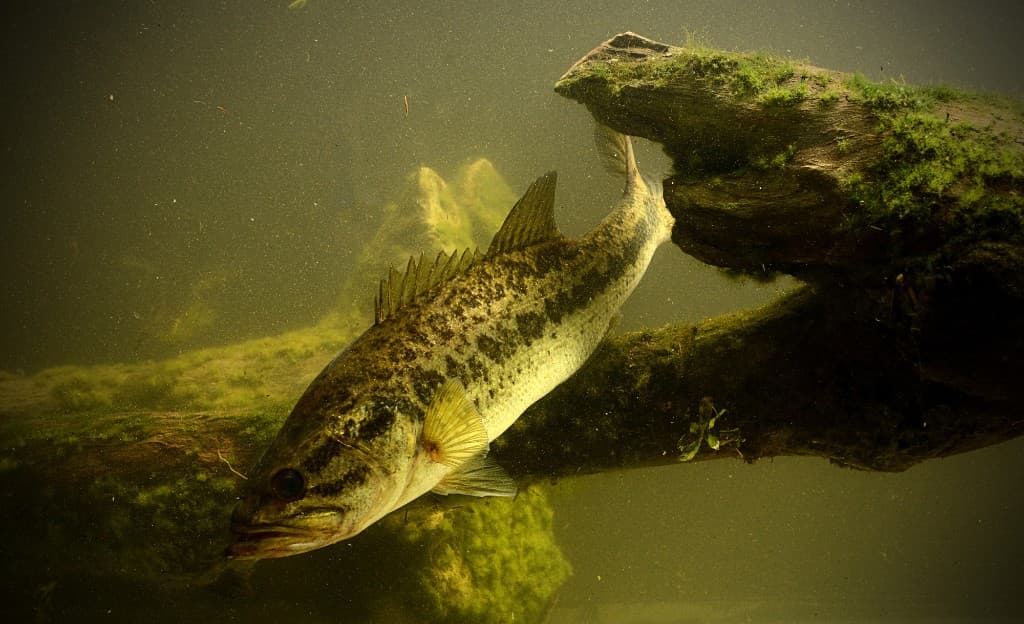
Iowa fishing 2026—license options, official DNR regulations, trout fee notes, Mississippi and Missouri border-water planning, and inland lake rules.
2026 seasons & limits
Verify rules with Iowa fish & wildlife
- Confirm open seasons, daily bag, and possession limits for each species and water you fish.
- Check length and slot rules—many lakes, rivers, and bays have special tables beyond statewide defaults.
- Review 2026 summaries and any emergency orders (closures, health notices, gear rules) before you go.
The Inside Spread orients you for trip planning only. Conservation officers enforce the official published regulations—not articles or forum posts.
Need an Iowa fishing license, the current regulations guide, or the right official page before your trip? Start with the Iowa DNR fishing pages and decide whether you are fishing a border river, a northern natural lake, a reservoir, or trout water. That one decision affects license extras, boundary-water planning, seasonal expectations, and the practical rules that matter once you arrive.
Iowa is easy to underestimate if you only picture cornfields and small ponds. The real map includes major border rivers, productive interior rivers, northern natural lakes, flood-control reservoirs, urban access waters, designated trout fisheries, and a winter ice scene that matters more than many visitors expect. Iowa rewards anglers who match the trip to the exact waterbody instead of treating the whole state like one fishery.
Northern natural lakes in the Okoboji and Spirit Lake region do not fish like the Mississippi River. The Mississippi and Missouri corridors do not resemble a reservoir trip to Red Rock, Rathbun, or Coralville. Small streams in trout country demand different planning than a summer flathead night on a border river. The better you define the trip up front, the easier the regulations and access questions become.
2026 Seasons, Limits, and Rule Changes
This article is not the law. Your state's fish and wildlife agency publishes the official rules—online digests, mobile apps, and emergency notices—and those sources control what you can keep, when you can fish, and where.
Iowa manages freshwater fisheries only—rivers, reservoirs, lakes, and streams. Named waters often carry special regulations beyond statewide defaults; border waters and interstate coordination may apply on shared rivers. Always match the species, water body, and date you plan to fish to the correct table.
What to verify before every trip
- Seasons and closures for each species you target (game fish, panfish, trout, salmon, and steelhead where present)
- Daily and possession limits (creel limits) and whether aggregate caps apply across similar species
- Minimum and maximum length and slot limits, plus how length is measured (total length vs. fork length)
- Gear restrictions (bait, hooks, tackle) where they apply
- Special rules for WMAs, community fishing waters, trophy waters, and border waters
2026 updates and mid-season changes
Agencies publish annual summaries and sometimes emergency orders (water quality, fish health, stock changes, or temporary closures). Before you plan 2026 trips:
- open the current regulations for the license year that covers your dates
- check your agency's news or rule change page for new limits, stamps, or reporting rules
- read invasive species and bait movement notices if you move boats or gear between waters
If a forum or social post disagrees with the agency PDF, trust the agency and walk away from edge cases.
Popular species: what to look up in the digest
Use the index or online tools to find limits for the fish you actually plan to catch—black bass (largemouth, smallmouth, spotted), panfish (crappie, bluegill, perch, sunfish), catfish, trout and salmon (including steelhead where present), walleye and sauger, muskies and pike, and other species listed for your water in the official guide. Do not keep fish until you match the species to the exact rule line for that water body and date.
| Topic | Verify in the official digest |
|---|---|
| Daily bag | Per-day harvest limit per species or aggregate groups |
| Possession | Fish you may have in camp, cooler, or vehicle combined |
| Length / slot | Minimum, maximum, or protected length bands |
| Season | Opening and closing dates, catch-and-release-only windows, closures |
Iowa official source: Iowa Department of Natural Resources — Fishing
Species-specific guides (2026)
Deeper dives on Iowa’s top game fish—history, where they live, 2026 regulations, and how to fish for them:
What Iowa Fishing License Do I Need?
Most anglers need a valid Iowa fishing license unless they qualify for a current exemption. Iowa DNR licensing resources explain how to buy online or through license agents and whether extra fees or validations matter for the type of water you plan to fish. That is especially important for trout anglers, who should verify whether trout fees apply to their destination.
The most useful way to think about Iowa licensing is by trip type. A general warmwater outing on a lake or river may be relatively simple. A trout outing requires more attention. A border-water or major-river trip may require closer reading of access, navigation, and nearby-jurisdiction context even when the basic Iowa license question is straightforward. The farther you move from “simple afternoon at a local lake,” the more valuable the official guidance becomes.
Residents who fish often may already know the seasonal rhythm of their preferred waters, but even local anglers benefit from checking the current regulations each year. Iowa’s strength is that it offers a lot of manageable fisheries with targeted rules and opportunities. The easiest way to waste that strength is to assume old information still holds. Nonresidents should be even more careful, especially if they are moving between Iowa and neighboring states in a single trip.
Before you leave, save the Iowa DNR fishing page and any relevant regulations materials to your phone. Big-river ramps, rural county accesses, and smaller community lakes are not always the places where you want to rely on last-second service. A downloaded copy of the official information is a simple advantage.
Where Are Iowa’s Strongest Bass and Catfish Fisheries?
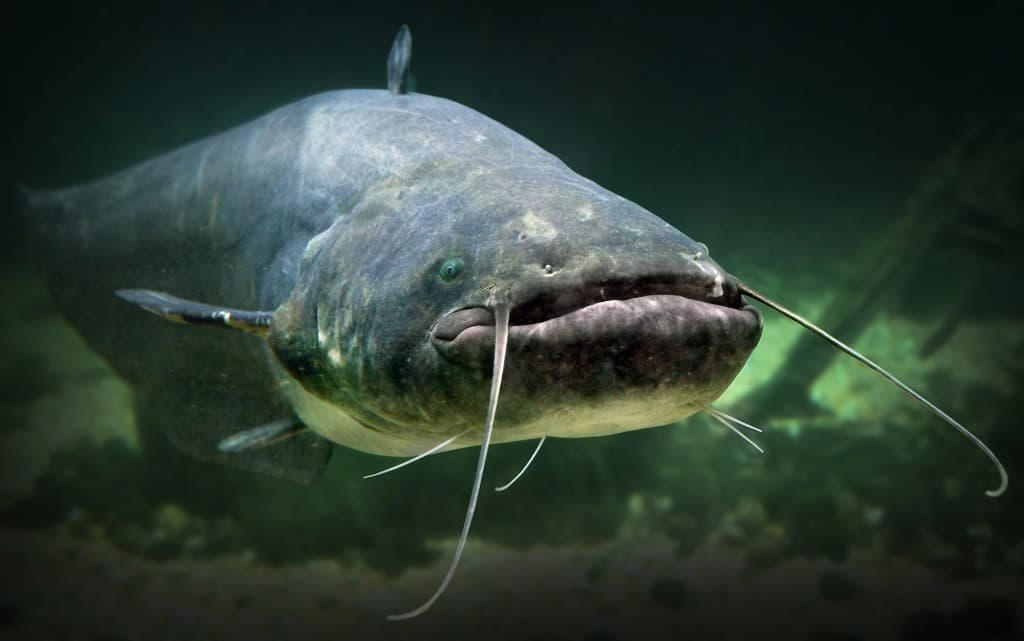
For catfish, the Mississippi River is the headline destination for good reason. The border pools support channel catfish, flathead catfish, and broad multi-species opportunity, and they give anglers access to a classic big-river environment with current seams, backwaters, wing dams, side channels, and constantly changing conditions. It is one of the best places in the Midwest to build a trip around catfish if you respect the river for what it is rather than treating it like a lake with current.
The Missouri River also belongs in the statewide conversation, though any trip there should begin with a strong safety mindset and a willingness to verify current access and conditions. Major rivers reward anglers who take them seriously. Barges, changing flows, steep banks, current breaks, and navigation features all shape the day as much as bait choice does.
For bass, Iowa’s northern natural lakes are central. West Okoboji, East Okoboji, Spirit Lake, and Clear Lake are familiar names because they combine broad appeal with a realistic chance at good bass and panfish fishing depending on timing. These waters also attract recreational traffic, especially in warm weather, so anglers who want better positioning at ramps and less disturbance usually do well by launching early or fishing weekday windows.
Reservoirs add another lane. Places like Red Rock, Rathbun, Coralville, and other larger impoundments can support crappie, bass, walleye, catfish, and hybrid opportunities depending on season and water conditions. Reservoir fishing in Iowa often demands adaptability because water levels, vegetation, flooded cover, and exposed structure can all shift how a lake sets up from year to year. That does not make reservoirs unreliable. It makes current information more valuable.
Iowa Rivers, Natural Lakes, and Community Waters All Fish Differently
The easiest mistake in Iowa fishing is assuming that a productive lake pattern automatically transfers to a river, or that a big-river strategy can be scaled down to a county lake. On the Mississippi, current and navigation features shape fish position constantly. On a northern natural lake, clarity, vegetation, forage, and recreational pressure may matter more. On a flood-control reservoir, water level and cover changes can be the whole story. On a small public lake, access timing and simple seasonal movement may matter more than anything technical.
This is one reason Iowa is a strong state for anglers who enjoy learning rather than just repeating a favorite pattern. You can sharpen different skills without leaving the state. Shore anglers can build dependable plans around community access waters and portions of larger systems that fish well without a boat. Boat anglers can choose between big water, structured reservoirs, or more relaxed inland lakes. Families can keep things simple. Dedicated anglers can still chase narrow windows and specialized bites.
Northern natural lakes deserve special mention because they give Iowa a fishing identity that surprises outsiders. When people think about the Upper Midwest’s natural-lake culture, they often jump straight to Minnesota or Wisconsin. But Iowa’s natural-lake region can produce excellent mixed-species action, summer tourism, and solid ice opportunities when conditions permit. It is one of the state’s best examples of why Iowa should be judged on fishing reality, not reputation alone.
Seasons in Iowa: Spring Rivers, Summer Lakes, Fall Feed, and Winter Ice
Spring in Iowa often means changing water, rising expectations, and a lot of different fisheries becoming relevant at once. River anglers may key on warming trends, rising activity, or current edges. Reservoir anglers start tracking movement toward shallower structure. Bass, walleye, panfish, and catfish conversations all begin to accelerate. The challenge is that spring also invites overconfidence. River systems in particular can shift quickly with weather and runoff, so current conditions matter as much as the calendar.
Summer is when Iowa’s flexibility becomes obvious. Family anglers can find accessible lake fishing without overcomplicating the trip. Night catfish anglers can build entire weekends around river systems and reservoir structure. Bass anglers can work vegetation, hard cover, and low-light windows on natural lakes and inland waters. Recreational boat traffic is part of the equation on some popular lakes, especially around holiday periods, which makes timing and backup options important.
Fall is underrated in Iowa. Cooling water can tighten feeding patterns, and anglers often enjoy less recreational pressure than they saw in mid-summer. Reservoir fish reposition, river opportunities can improve, and some of the year’s most comfortable fishing weather arrives. It is a strong season for anglers who want steadier conditions and a calmer atmosphere.
Ice fishing is relevant in Iowa, particularly in the northern part of the state and on selected lakes where conditions line up. It may not dominate the identity the way it does in Minnesota, but it absolutely matters. Panfish, perch, walleye, and other species draw winter attention when safe ice forms. As always, the warning is the same: conditions are local and temporary. Check fresh reports, carry ice safety gear, and never assume a lake is safe because it was safe last week.
Border Water Awareness, Invasives, and Safety
Iowa’s river identity means border-water awareness matters. On the Mississippi in particular, your practical planning should include more than just the Iowa side of the map. Access points, channels, side sloughs, and adjacent-state context can all shape a trip. The safest approach is to decide in advance where you plan to fish and confirm the current Iowa rules that apply there, rather than improvising once you are already moving on the water.
Invasive species prevention is another place where good habits pay off. Remove vegetation and mud from the boat, trailer, and gear. Drain water where required. Clean equipment before moving between rivers, lakes, and reservoirs. Iowa’s fisheries depend on anglers treating those steps as normal, not optional.
Safety in Iowa often comes down to recognizing what kind of water you are on. Big rivers demand respect for current, commercial traffic, wing dams, and navigation hazards. Reservoirs ask you to account for changing structure, wind, and fluctuating levels. Natural lakes bring their own weather and visibility issues. Ice requires conservative decision-making no matter how many tracks are already on the lake. The common thread is simple: match the caution level to the water, not to your mood.
Plan Your Iowa Fishing Trip
The best Iowa trips usually fit into one of five buckets. Bucket one is a Mississippi River or Missouri River trip built around catfish, mixed species, or classic big-water river fishing. Bucket two is a northern natural-lake trip focused on bass, panfish, walleye, or a little of everything. Bucket three is a reservoir trip where flexibility and current conditions matter most. Bucket four is a local-access or family-focused trip with easy logistics. Bucket five is a seasonal specialty trip, such as trout or hardwater fishing, where extra planning pays off.
Once you know which bucket fits your goal, build the trip in this order:
- Read the exact Iowa DNR regulations and fishing resources for your target water.
- Match your season and weather plan to the type of water you are fishing.
- Keep a simpler backup destination ready in case conditions change.
That formula works because Iowa’s biggest strength is not mystery. It is adaptability. There is almost always another reasonable option if you prepare for one.
Use our Iowa outdoors guide and the Iowa fishing hub for more destination ideas, trip planning help, and related fishing coverage.
Frequently Asked Questions
Do I need an Iowa fishing license?
Most anglers do unless they qualify for a current exemption. Trout anglers should also verify whether trout fees apply on the waters they plan to fish.
Where can I find Iowa fishing regulations?
The Iowa DNR fishing pages and current regulations resources are the best starting point. Then check whether your target lake, river, or reservoir has details that change how you should fish it.
What are Iowa’s best-known fisheries?
The Mississippi River pools, Spirit Lake, West Okoboji, Clear Lake, major reservoirs, and selected trout waters all deserve mention, depending on the kind of trip you want.
Does Iowa have strong river fishing?
Yes. The Mississippi and Missouri corridors are major fisheries, and interior rivers also provide worthwhile opportunities for catfish, bass, panfish, and seasonal patterns.
Can I ice fish in Iowa?
Yes, especially on northern lakes and some community waters when safe ice forms. As always, local conditions and fresh safety information should guide every winter outing.
What invasive species issues matter in Iowa?
Clean off vegetation and mud, drain water where required, and avoid transporting unwanted aquatic material between waters. Those basic steps help protect Iowa’s rivers, lakes, and reservoirs.
Sources
- Iowa Department of Natural Resources. "Fishing." Iowa DNR, https://www.iowadnr.gov/Fishing. Accessed 14 Apr. 2026.
- Iowa Department of Natural Resources. "Buy Fishing Licenses." Iowa DNR, https://www.iowadnr.gov/Places-to-Go/Fishing/Buy-Fishing-Licenses. Accessed 14 Apr. 2026.
- Iowa Department of Natural Resources. "Fishing Regulations." Iowa DNR, https://www.iowadnr.gov/Places-to-Go/Fishing/Fishing-Regulations. Accessed 14 Apr. 2026.
Official state agency
Iowa Department of Natural Resources — FishingVerify season openings, daily bag, possession, and length or slot rules for each water and species you target—plus any 2026 rule changes or emergency orders—before you fish.
Written by
The Inside Spread Team
The Inside Spread team covers fishing regulations and access across all 50 states. We tie every guide to official agency sources so you can verify seasons, bag limits, and license rules before you launch.
Comments
No comments yet. Be the first to share your thoughts.
More in state-guides
Arkansas Duck Hunting 2026: Season Dates, WMA Permits, License Costs & Complete Guide
Arkansas duck hunting 2026-27—three-segment season dates, nonresident WMA waterfowl permits, Black River and Bayou Meto access changes, and Delta license costs.
Georgia Whitetail Deer Hunting 2026: Season Dates, Extended Counties, License Costs & Nonresident Guide
Georgia whitetail deer hunting 2026-27—archery, primitive weapons, and firearms dates, 29-county extended archery, 12-deer bag, Game Check, and the nonresident guide.
Kentucky Whitetail Deer Hunting 2026: Season Dates, Zone Changes, License Costs & Nonresident Guide
Kentucky whitetail deer hunting 2026-27—archery, crossbow, and modern gun dates, the 2026 zone map, license and deer permit costs, Telecheck, and the nonresident guide.
Michigan Whitetail Deer Hunting 2026: Season Dates, License Costs, UP vs LP & Nonresident Guide
Michigan whitetail deer hunting 2026—archery, firearm, and three-day December dates, DNR license fees, Upper vs Lower Peninsula rules, baiting, and the nonresident guide.