
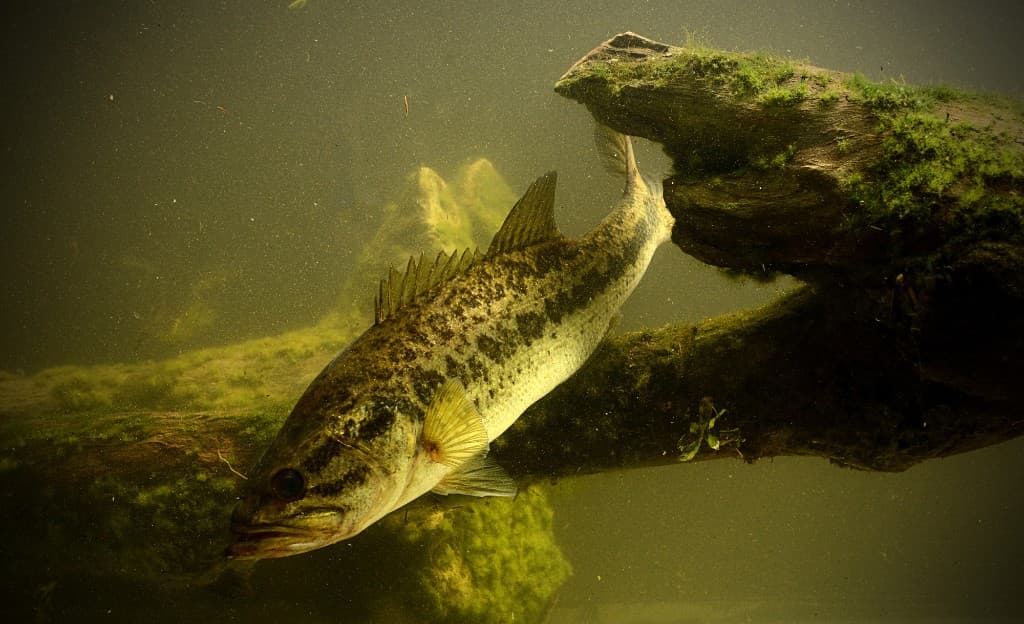
Kentucky fishing 2026—license options, official KDFWR regulations, reservoir rules, tailwater safety checks, and Ohio River border-water planning.
2026 seasons & limits
Verify rules with Kentucky fish & wildlife
- Confirm open seasons, daily bag, and possession limits for each species and water you fish.
- Check length and slot rules—many lakes, rivers, and bays have special tables beyond statewide defaults.
- Review 2026 summaries and any emergency orders (closures, health notices, gear rules) before you go.
The Inside Spread orients you for trip planning only. Conservation officers enforce the official published regulations—not articles or forum posts.
Need a Kentucky fishing license, the current sport fishing guide, or the right official page before your trip? Start with the Kentucky Department of Fish & Wildlife Resources and identify whether your day is built around a reservoir, a tailwater, a river, or an Ohio River border-water section. That first decision changes access, safety, and special-rule questions fast.
Kentucky really is three fisheries under one state license system: big reservoirs such as Kentucky Lake and Cumberland, moving-water systems such as the Ohio and Cumberland rivers, and a smaller coldwater niche on tailwaters and stocked trout water. A weekend on Kentucky Lake does not plan like drifting below Wolf Creek Dam or bank fishing the Ohio River. If you define the exact water first, the regulation and access questions become much easier to solve.
2026 Seasons, Limits, and Rule Changes
This article is not the law. Your state's fish and wildlife agency publishes the official rules—online digests, mobile apps, and emergency notices—and those sources control what you can keep, when you can fish, and where.
Kentucky manages freshwater fisheries only—rivers, reservoirs, lakes, and streams. Named waters often carry special regulations beyond statewide defaults; border waters and interstate coordination may apply on shared rivers. Always match the species, water body, and date you plan to fish to the correct table.
What to verify before every trip
- Seasons and closures for each species you target (game fish, panfish, trout, salmon, and steelhead where present)
- Daily and possession limits (creel limits) and whether aggregate caps apply across similar species
- Minimum and maximum length and slot limits, plus how length is measured (total length vs. fork length)
- Gear restrictions (bait, hooks, tackle) where they apply
- Special rules for WMAs, community fishing waters, trophy waters, and border waters
2026 updates and mid-season changes
Agencies publish annual summaries and sometimes emergency orders (water quality, fish health, stock changes, or temporary closures). Before you plan 2026 trips:
- open the current regulations for the license year that covers your dates
- check your agency's news or rule change page for new limits, stamps, or reporting rules
- read invasive species and bait movement notices if you move boats or gear between waters
If a forum or social post disagrees with the agency PDF, trust the agency and walk away from edge cases.
Popular species: what to look up in the digest
Use the index or online tools to find limits for the fish you actually plan to catch—black bass (largemouth, smallmouth, spotted), panfish (crappie, bluegill, perch, sunfish), catfish, trout and salmon (including steelhead where present), walleye and sauger, muskies and pike, and other species listed for your water in the official guide. Do not keep fish until you match the species to the exact rule line for that water body and date.
| Topic | Verify in the official digest |
|---|---|
| Daily bag | Per-day harvest limit per species or aggregate groups |
| Possession | Fish you may have in camp, cooler, or vehicle combined |
| Length / slot | Minimum, maximum, or protected length bands |
| Season | Opening and closing dates, catch-and-release-only windows, closures |
Kentucky official source: Kentucky Department of Fish & Wildlife Resources — Fishing
Species-specific guides (2026)
Deeper dives on Kentucky’s top game fish—history, where they live, 2026 regulations, and how to fish for them:
What Kentucky Fishing License Do I Need?
Most adult anglers need a Kentucky fishing license unless they qualify for a specific exemption listed by KDFWR. Residents and nonresidents have different options, and Kentucky also uses permits and special provisions that can matter depending on the species or water you plan to fish. The safest routine is simple: buy the license that fits your residency status through KDFWR or an approved vendor, read the current Kentucky fishing and boating guide, and double-check whether your destination has special requirements layered on top of the basic license.
For most trips, your planning checklist should look like this:
- Confirm whether you qualify as a resident or nonresident under current KDFWR definitions.
- Buy your license before launch day so you are not troubleshooting service at the ramp.
- Read the species and water-specific section for trout, paddlefish, muskie, or special-regulation lakes.
- Keep a digital or printed copy available if cell coverage is unreliable where you fish.
Kentucky anglers often get tripped up when they assume a general freshwater license answers every question. It usually gets you in the game, but special fisheries can require closer reading. Trout anglers, for example, should verify the rules that apply to the exact tailwater, stream, or stocked area they plan to fish. Paddlefish snagging seasons are regulated separately and are not something to treat casually. Some waters also have special harvest restrictions for black bass, catfish, or other species, so it is worth reading the water-body listing instead of relying on forum summaries.
If you fish on or near border waters, slow down and read even more carefully. The Ohio River is the biggest example. Reciprocal agreements and border-water provisions can be helpful, but they are not a substitute for reading the current language from the agency. Where you launch, what side you are fishing, and what species you are keeping can all affect which rules matter most. Kentucky anglers who routinely cross into adjoining states are usually better served by checking both jurisdictions before the trip rather than assuming yesterday's understanding still applies in 2026.
When Is the Best Time to Fish Kentucky?
Kentucky is productive nearly year-round, but the most reliable approach is to match the season to the style of water you want to fish. Spring is when many anglers think first of prespawn and spawn bass, crappie movement, white bass runs, sauger opportunities in current, and improving trout conditions. Reservoirs warm at different rates, muddy arms can fish differently from main-lake ledges, and tailwaters respond more to generation and weather than to shallow-water warming trends.
Summer opens up classic Kentucky patterns. On the western end of the state, ledge fishing becomes part of the conversation on Tennessee River impoundments, and night fishing grows in popularity on pressured lakes. Catfish anglers can do well on big rivers and reservoir channels, while early morning topwater and low-light windows remain important for bass and hybrids. Summer is also when boating pressure, tournament schedules, and heat safety start to matter more than tackle choice in many places.
Fall is one of the easiest times to recommend to traveling anglers because bait movement, cooling water, and reduced recreational boat traffic can make several different fisheries fish well at once. Crappie anglers watch for schools relating to cover and channel edges, bass anglers follow shad into creeks, and river anglers look for stable windows when current and temperature line up. If you like combining scenic weather with flexible multi-species options, fall is hard to beat.
Winter is more specialized, but not a write-off. Tailwaters can remain productive, trout stays relevant, sauger and river species enter the conversation, and experienced reservoir anglers still catch fish by slowing down. The key is respecting daylight, cold-water boating risk, and fast-changing generation schedules around dams.
Where Are Kentucky’s Best Reservoirs and Rivers?
Kentucky is loaded with destination water, but a few names dominate trip planning for good reason. Kentucky Lake and Lake Barkley remain headline fisheries because they offer scale, multiple species, and a long culture of competitive angling. Lake Cumberland stands out for striped bass, trout access below the dam, and broad reservoir options. Dale Hollow is famous well beyond state lines, especially for smallmouth history and clear-water structure fishing. Smaller lakes and regional reservoirs can fish extremely well too, but these flagship waters define how many visitors picture Kentucky angling.
- Kentucky Lake: a major bass, crappie, catfish, and panfish destination with big-water navigation considerations.
- Lake Barkley: often planned alongside Kentucky Lake, especially by anglers looking for western Kentucky reservoir options.
- Lake Cumberland: known for stripers, bass, and access to the Cumberland tailwater below Wolf Creek Dam.
- Dale Hollow Lake: a clear-water border reservoir with strong smallmouth identity and technical bass fishing appeal.
- Ohio River: a broad border-water fishery with catfish, sauger, bass, and constantly changing current conditions.
- Cumberland River: a system where tailwater safety, generation, and coldwater opportunity shape the trip.
Kentucky Lake and Barkley deserve special mention because they reward electronics, flexibility, and weather awareness. A calm morning can turn into a long, rough run by afternoon. Anglers targeting bass often think in terms of seasonal structure, current, and bait position, while crappie anglers narrow down brush, stake beds, bridge areas, and channel features. Catfish anglers can fish more simply, but they still need to respect wind, open-water runs, and commercial or recreational traffic near busy areas.
Lake Cumberland is different. It can be a family trip lake, a striper lake, a bass lake, or a tailwater base camp depending on how you build the weekend. That variety is a strength, but it also means you should define your objective before packing. Striper anglers worry about open-water conditions and bait. Bass anglers focus on seasonal depth and water clarity. Tailwater trout anglers spend more time checking generation schedules than arguing over lure color. The same region can support all three approaches, but they do not share the same safety routine.
The Ohio River is powerful and underrated. It offers bank access, boat access, urban stretches, industrial stretches, navigation traffic, and seasonal fish movements that can be excellent for anglers who like current-oriented fishing. It is also the place where border-water awareness matters most. If your plan involves crossings, marinas in neighboring states, or harvest on a shared boundary, read the reciprocal guidance closely before the trip.
Species to Target Across the State
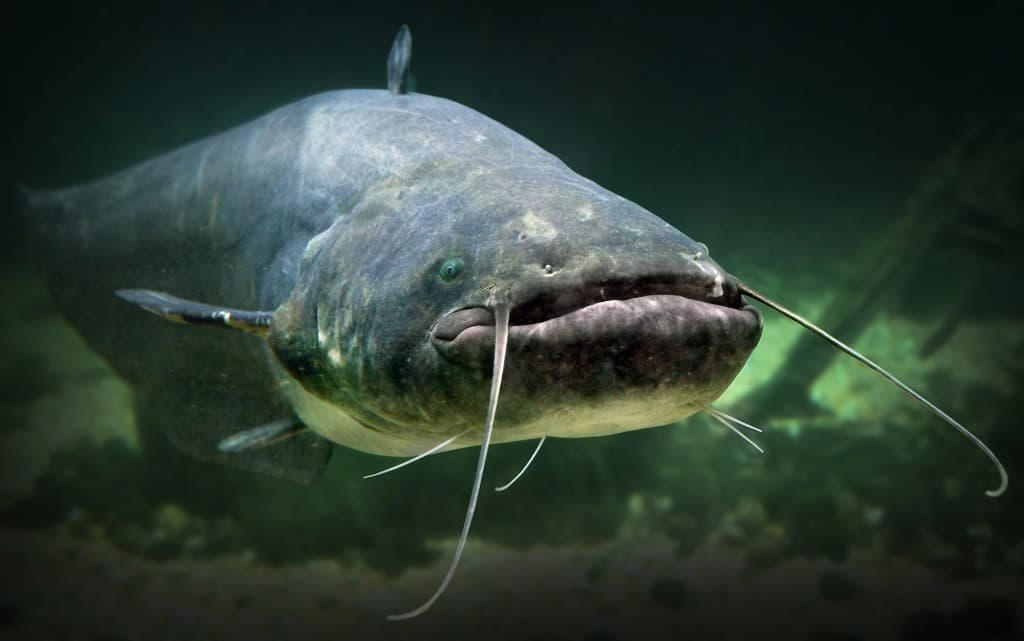
Bass is the headline species category in Kentucky, but the state is more diverse than a tournament recap would suggest. Largemouth are prominent on major reservoirs and many smaller lakes. Smallmouth have devoted followings on clear reservoirs and river systems. Spotted bass show up in places where they complicate simple black-bass assumptions. Crappie remains a major draw because spring and fall patterns can be both accessible and productive. Catfish is a real destination category too, especially for anglers chasing blue cats, flatheads, and channel cats on large rivers and reservoirs.
Trout is the wildcard that gives Kentucky broader appeal than many neighboring states. Tailwaters and stocked fisheries create opportunities that surprise people who only think of Kentucky as bass country. Sauger, white bass, hybrid striped bass, muskellunge, sunfish, and even paddlefish add more variety depending on the region and season. The practical lesson is that you should not pack for a generic Kentucky trip. Pack for one specific fishery and let the state do the rest.
Reservoir, River, and Tailwater Strategy
On reservoirs, think in terms of wind, water color, bait movement, and access efficiency. Kentucky reservoirs can be huge, and fishing time disappears fast when your first two spots are on the wrong side of changing conditions. It helps to identify one protected backup area and one run-and-gun area before leaving the ramp. That way, if tournament boat traffic or weather wrecks your original milk run, you can still salvage the day.
On rivers, current is the first decision point. Current positions fish, but it also creates danger around wing dikes, lock approaches, outside bends, bridge current seams, and barge traffic lanes. River anglers who respect the river usually do well because they stop trying to force still-water logic into a moving-water system. If you are new to Kentucky river fishing, choose a manageable stretch and learn it thoroughly instead of trying to cover too many miles.
Tailwaters demand a different mindset. Below dams, fish location often matters less than timing and water movement. Wading can go from comfortable to dangerous quickly when generation changes, and even boat anglers need to monitor release schedules and restricted zones. The Cumberland tailwater is the obvious example, but the principle applies anywhere dam operations affect downstream water. Always check schedules, watch for posted warnings, and assume the river can change faster than it looks from the parking area.
Border Waters and Interstate Considerations
Kentucky's geography makes border-water planning unavoidable for serious anglers. The Ohio River is the biggest and most obvious shared water, but Kentucky also touches major reservoir systems and river reaches where neighboring-state access, ramps, or fisheries influence how trips are organized. When people get ticketed or confused, it is often not because they intended to ignore the law. It is because they made a reasonable assumption based on a half-remembered rule from another year.
Use a conservative approach on border waters:
- Read Kentucky guidance first, then read the adjoining state's current summary if your route or fishing area crosses the line.
- Know where you are launching and where you expect to fish before the boat leaves the trailer.
- Verify whether reciprocal license recognition applies to the exact water and activity you have planned.
- If harvest rules differ, follow the stricter understanding until you verify the current language.
That approach is especially smart on the Ohio River, where access patterns and river miles can make an outing feel interstate even if you start in Kentucky. It also helps on popular border reservoirs such as Dale Hollow, where local knowledge is helpful but official guidance is better.
Safety, Access, and Boating
Kentucky can be forgiving on a pleasant spring afternoon and demanding in a hurry when wind, current, fog, or generation changes set in. Reservoir boaters should respect open-water runs, floating debris, and rapidly changing weather. River anglers should add tow traffic, current seams, and uneven bank footing to the list. Tailwater anglers should treat release schedules as essential trip information rather than optional reading.
Basic safety practices go a long way:
- Wear your life jacket during runs and keep it on whenever conditions call for it.
- Tell someone which ramp or access area you plan to use and when you expect to return.
- Carry navigation lights, a charged phone, and backup rain gear even on short trips.
- On tailwaters, check generation before you leave home and again before you enter the water.
- On rivers, give commercial traffic and lock areas more room than you think you need.
Bank anglers should also think about access legality and courtesy. Kentucky offers a mix of public ramps, wildlife management areas, local parks, and informal pull-offs, but not every appealing shoreline is public. When in doubt, use clearly signed public access. Respecting gates, parking limits, and private property lines is part of ethical angling, not a separate issue.
Tournaments, Pressure, and Fish Care
Tournament culture is part of Kentucky fishing, especially on the big reservoirs. Even if you never fish competitively, tournament schedules affect launch congestion, parking, and fish pressure. A crowded ramp on Saturday morning might be a strong argument for a weekday trip, an afternoon launch, or a backup lake closer to home. If you do fish events, make fish care part of your plan instead of an afterthought. Warm water, long livewell hours, and multiple weigh-in flights can stress bass badly.
Good tournament etiquette also matters outside the weigh-in line. Avoid cutting across another boat's drift or casting lane. Keep music, headlights, and wakes reasonable at the ramp before daylight. If you are sharing water with bank anglers, local dock owners, or families on the lake, act like a guest even when you have fished the area for years. That attitude reduces conflict and keeps public access communities more supportive of anglers.
Invasive Species, Water Quality, and Ethics
Kentucky fisheries depend on angler behavior more than many people realize. Moving bait, plants, mud, or standing water from one lake to another can help spread invasive species and fish diseases. On major reservoirs, aquatic vegetation issues and ramp-level advisories sometimes shape how agencies and boaters respond to changing conditions. The cleanest habit is to inspect, drain, and dry gear whenever you move between waters, especially if you trailer often.
Ethics matter just as much as regulations. Keep only fish you intend to use. Release fish quickly when they are out of season or outside your personal plan. Handle trophy fish with care, especially in warm weather. Do not crowd shoreline anglers during seasonal runs. Pick up discarded line and soft plastics whether they are yours or not. States do not build quality fisheries by regulation alone; angler conduct fills the gap between what is legal and what is responsible.
Plan Your Kentucky Fishing Trip
A strong Kentucky trip usually starts by narrowing the state down instead of trying to sample everything. Pick one region, one style of water, and one backup option. Western Kentucky makes sense if you want large impoundments, current-influenced reservoir fishing, or a bass-and-crappie-centered trip. South-central Kentucky is a better fit for Lake Cumberland, striped bass, and tailwater possibilities. The eastern half of the state offers more river variety, smaller reservoirs, and stocked opportunities that can be ideal for anglers who prefer simpler logistics.
Your packing list should reflect that regional choice. A ledge-fishing bass trip on Kentucky Lake calls for different tackle, electronics expectations, and weather prep than a wade trip below a dam. If children or newer anglers are coming, simplify the plan instead of maximizing miles. One productive access area with good facilities beats an overambitious road loop. If you are towing a boat, confirm ramp conditions and marina hours. If you are bank fishing, check whether your access point is public and whether nighttime use is allowed.
Use our Kentucky outdoors guide with the Kentucky fishing hub. More: fishing articles.
Frequently Asked Questions
Do I need a fishing license to fish in Kentucky?
Most anglers need a valid Kentucky fishing license unless exempt by age or other criteria listed in the current fishing guide. KDFWR is the right place to confirm resident and nonresident options before you launch.
Where can I find Kentucky fishing regulations?
Use the Kentucky Department of Fish and Wildlife Resources fishing section and the current Kentucky fishing and boating guide. That is where you will find statewide rules, special-water exceptions, and links to additional notices.
What are Kentucky’s famous bass fisheries?
Kentucky Lake, Lake Barkley, Lake Cumberland, and Dale Hollow are the names most anglers recognize first. They offer different styles of largemouth and smallmouth fishing, so choose based on season, water clarity, and how far you want to run.
Do I need a trout permit in Kentucky?
Read the current KDFWR guide for the specific tailwater, stream, or stocked trout area you plan to fish. Some trout opportunities require more than a quick glance at the general license page because special regulation language can control harvest and methods.
How do border-water rules work on the Ohio River?
Border-water fishing is exactly where you should slow down and verify details. Reciprocal arrangements can help, but you should still review current Kentucky guidance and any adjoining-state rules that apply to the stretch you intend to fish.
What should I check before wading a Kentucky tailwater?
Check dam generation schedules, weather, access notices, and posted restrictions before you enter the water. A tailwater that looks easy at one moment can become unsafe quickly when releases increase.
Sources
- Kentucky Department of Fish & Wildlife Resources. "Fish." KDFWR, https://fw.ky.gov/Fish/Pages/default.aspx. Accessed 7 Apr. 2026.
- Kentucky Department of Fish & Wildlife Resources. "License Requirements." KDFWR, https://fw.ky.gov/Fish/Pages/License-Requirements.aspx. Accessed 7 Apr. 2026.
- Kentucky Department of Fish & Wildlife Resources. "Kentucky Fishing and Boating Guide." KDFWR, https://fw.ky.gov/Fish/Pages/Fishing-and-Boating-Guide.aspx. Accessed 7 Apr. 2026.
Official state agency
Kentucky Department of Fish & Wildlife Resources — FishingVerify season openings, daily bag, possession, and length or slot rules for each water and species you target—plus any 2026 rule changes or emergency orders—before you fish.
Written by
The Inside Spread Team
The Inside Spread team covers fishing regulations and access across all 50 states. We tie every guide to official agency sources so you can verify seasons, bag limits, and license rules before you launch.
Comments
No comments yet. Be the first to share your thoughts.
More in state-guides
Arkansas Duck Hunting 2026: Season Dates, WMA Permits, License Costs & Complete Guide
Arkansas duck hunting 2026-27—three-segment season dates, nonresident WMA waterfowl permits, Black River and Bayou Meto access changes, and Delta license costs.
Georgia Whitetail Deer Hunting 2026: Season Dates, Extended Counties, License Costs & Nonresident Guide
Georgia whitetail deer hunting 2026-27—archery, primitive weapons, and firearms dates, 29-county extended archery, 12-deer bag, Game Check, and the nonresident guide.
Kentucky Whitetail Deer Hunting 2026: Season Dates, Zone Changes, License Costs & Nonresident Guide
Kentucky whitetail deer hunting 2026-27—archery, crossbow, and modern gun dates, the 2026 zone map, license and deer permit costs, Telecheck, and the nonresident guide.
Michigan Whitetail Deer Hunting 2026: Season Dates, License Costs, UP vs LP & Nonresident Guide
Michigan whitetail deer hunting 2026—archery, firearm, and three-day December dates, DNR license fees, Upper vs Lower Peninsula rules, baiting, and the nonresident guide.