
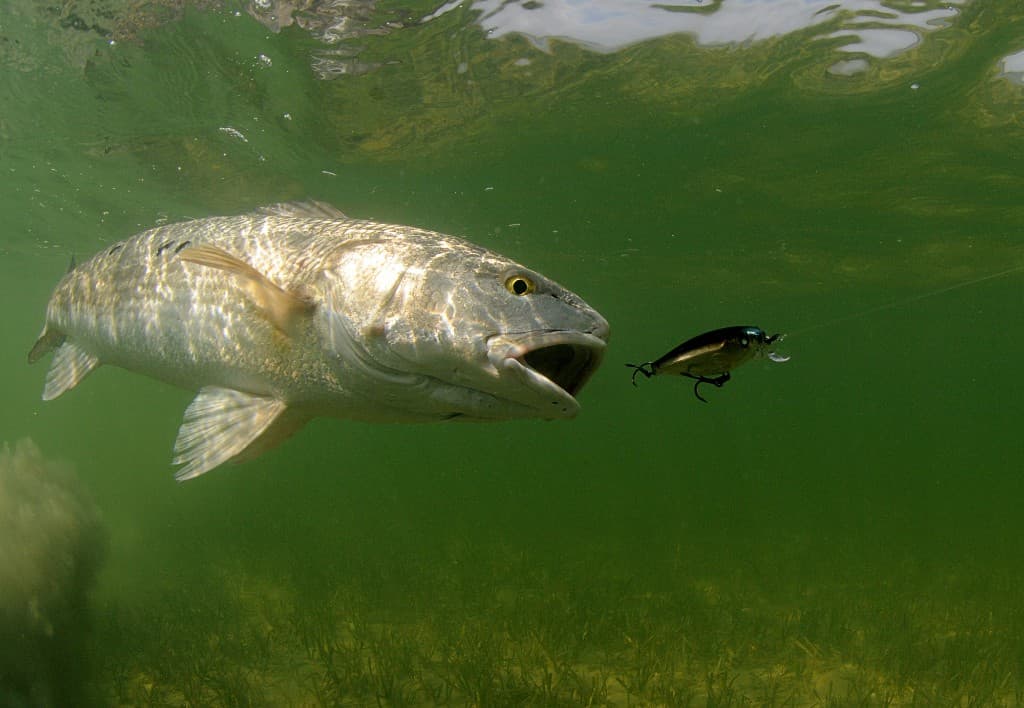
Louisiana fishing 2026—license options, LDWF freshwater and saltwater regulations, marsh and delta planning, federal offshore checks, and official rule links.
2026 seasons & limits
Verify rules with Louisiana fish & wildlife
- Confirm open seasons, daily bag, and possession limits for each species and water you fish.
- Check length and slot rules—many lakes, rivers, and bays have special tables beyond statewide defaults.
- Review 2026 summaries and any emergency orders (closures, health notices, gear rules) before you go.
The Inside Spread orients you for trip planning only. Conservation officers enforce the official published regulations—not articles or forum posts.
Need a Louisiana fishing license, the current LDWF regulations, or the right freshwater versus saltwater page before your trip? Start with LDWF Recreational Fishing and identify whether your day is built around a river or reservoir, an inshore marsh, or a Gulf/offshore run. That first step determines which rules, endorsements, and federal layers may apply.
Louisiana stacks river swamps, brackish estuaries, and Gulf access into one state, but a crappie trip on a border reservoir does not plan like a marsh drift for trout and redfish. If LDWF and NOAA Fisheries both speak to the trip, read both. Once you match the water body to the right rulebook, Louisiana gets much easier to fish confidently.
2026 Seasons, Limits, and Rule Changes
This article is not the law. Your state's fish and wildlife agency publishes the official rules—online digests, mobile apps, and emergency notices—and those sources control what you can keep, when you can fish, and where.
Louisiana layers freshwater and saltwater rules differently; named lakes, rivers, and bays often have special regulations beyond statewide defaults; border waters and stocks shared with neighboring states or federal waters can add more rules. Always match the species, water body, and date you plan to fish to the correct table.
What to verify before every trip
- Seasons and closures for each species you target (game fish, panfish, trout, salmon, steelhead, or saltwater species)
- Daily and possession limits (creel limits) and whether aggregate caps apply across similar species
- Minimum and maximum length and slot limits, plus how length is measured (total length vs. fork length)
- Gear restrictions (bait, hooks, tackle) where they apply
- Special rules for WMAs, community fishing waters, trophy waters, and border waters
2026 updates and mid-season changes
Agencies publish annual summaries and sometimes emergency orders (water quality, fish health, stock changes, or temporary closures). Before you plan 2026 trips:
- open the current regulations for the license year that covers your dates
- check your agency's news or rule change page for new limits, stamps, or reporting rules
- read invasive species and bait movement notices if you move boats or gear between waters
If a forum or social post disagrees with the agency PDF, trust the agency and walk away from edge cases.
Popular species: what to look up in the digest
Use the index or online tools to find limits for the fish you actually plan to catch—black bass (largemouth, smallmouth, spotted), panfish (crappie, bluegill, perch, sunfish), catfish, trout and salmon (including steelhead where present), walleye and sauger, muskies and pike, and—if your trip includes coastal or estuary water—saltwater species such as red drum, spotted seatrout, snapper, groupers, striped bass, and flounder. Do not keep fish until you match the species to the exact rule line for that water body and date.
| Topic | Verify in the official digest |
|---|---|
| Daily bag | Per-day harvest limit per species or aggregate groups |
| Possession | Fish you may have in camp, cooler, or vehicle combined |
| Length / slot | Minimum, maximum, or protected length bands |
| Season | Opening and closing dates, catch-and-release-only windows, closures |
Louisiana official source: Louisiana Department of Wildlife and Fisheries — Recreational Fishing
Species-specific guides (2026)
Deeper dives on Louisiana’s top game fish—history, where they live, 2026 regulations, and how to fish for them:
How LDWF Organizes Freshwater and Saltwater Rules
Louisiana’s inland fisheries include major reservoirs, oxbow lakes, bayous, and river systems from the Sabine basin to the Pearl. Saltwater and brackish fisheries begin where regulations classify waters as marine or estuarine, including vast marsh mazes, sounds, bays, and the Gulf. The practical angler’s question is always: Which rule set applies to the exact water body and species I am targeting today? Some fisheries require you to carry both freshwater and saltwater thinking in one week—Toledo Bend on Saturday and Grand Isle on Sunday is a normal Louisiana itinerary if you buy the right license package.
LDWF often lists statewide defaults, then special rules for named waters. That means two ramps an hour apart can differ on black bass length limits, crappie creels, or catfish gear restrictions. Build a pre-trip habit: name the water body, open the current regulations summary, and scan for exceptions before you put fish on ice. Screenshots help when cell service dies in the marsh; a printed page in a dry bag still works when batteries fail.
What Louisiana Fishing License Do I Need?
Most residents and non-residents need a valid Louisiana recreational fishing license unless they qualify for an exemption. Louisiana offers multiple duration and privilege combinations; fees and package names change with each license year, so start on the official license pages rather than copying last year’s receipt. If you fish freshwater only, buy privileges that cover inland waters. If you fish saltwater, you need the saltwater authority that matches LDWF’s current structure—often layered with a base license depending on the year’s rules. Combo options matter when one trip includes marsh and reservoir fishing in the same month.
Review exemptions carefully: age, disability, military, and youth categories can change eligibility. Free fishing events and community promotions appear on LDWF announcements—confirm dates annually. Charter clients sometimes fish under different documentation expectations than private-boat anglers; ask the captain how licenses should read for your trip type. Non-residents weighing a three-day visit against a season of return trips should compare short-term versus annual pricing before buying at a marina on impulse.
Purchase through official vendor channels listed by LDWF. Save email receipts, screenshot credentials, or carry printed proof. Rural launches and marsh landings are not reliable places to discover you bought the wrong package.
Where Should I Focus for Louisiana Bass and Crappie?
- Toledo Bend and Cane River anchor national attention for largemouth and crappie; expect tournament traffic, slot or length rules that differ from other waters, and heavy boat wakes on weekends.
- Atchafalaya Basin mixes catfish, bass, and panfish in a shifting maze of channels and flats—bring navigation tools, invasive species discipline, and patience when water rises or falls fast.
- Bayous and canals across Acadiana and the coastal plain produce bream and catfish; respect posted levees, pipeline rights-of-way, and private dock access—trespass ruins trips and relationships.
- Northwest river fisheries and reservoirs offer diverse black bass and crappie opportunities with current and wood patterns that differ from deep Delta oxbows.
Spring moves bass shallow for spawning phases on many reservoirs; crappie stack on brush and channel swings. Summer pushes bass to low-light windows and deeper structure. Fall can reopen shallow feeding as bait moves. Winter still produces trophy catfish and slow crappie bites for anglers who dress for damp cold and watch water temperature swings.
Marsh, Bays, and the Mississippi River Delta
Louisiana’s Delta and Barataria–Terrebonne basins are world-class inshore laboratories. Speckled trout, red drum, flounder, black drum, and sheepshead fill different seasonal niches. Salinity moves with river flow, tides, and wind; the same GPS point can fish like a different lake after a week of north wind or a flood pulse. Venice, Hopedale, Dularge, Cocodrie, and Cameron each carry local knowledge and hazard profiles—oyster reefs, submerged pipelines, ship traffic, and fog matter as much as lure color.
Lake Pontchartrain and connected passes offer urban proximity with serious tide and traffic complexity. Calcasieu and Sabine systems blend marsh and lake patterns westward. Read LDWF inshore tables for size, bag, and season changes—temporary closures and biomass management updates appear when fisheries need protection.
Offshore, Reef Fish, and Federal Overlap
When you run offshore for snapper, groupers, cobia, mackerel, or pelagics, state rules are only the first layer. Federal seasons, gear mandates such as circle hooks and descending devices, and vessel permit expectations on charters can determine whether a trip is legal. Ask captains how HMS and reef fish documentation works before you book. Private boaters should monitor weather, carry safety gear suited to Gulf runs, and file a float plan with someone on shore.
Wildlife Management Areas and Public Access
Louisiana’s WMAs and natural areas expand public fishing opportunity but often add permits, check-in, seasonal closures, or tackle limits tied to hunting schedules. Read the specific area regulations before you hike, kayak, or trail a jon boat. State launches and piers fill fast on holiday weekends—arrive early, rig away from the ramp lane, and pack out trash including monofilament and soft-plastic scraps.
Invasive Species, Aquatic Plants, and Boater Responsibility
Giant salvinia, hydrilla, and other invasive plants choke boat lanes and alter habitat. Clean, drain, dry boats, trailers, and livewells when moving between basins. Do not move bait water between systems unless regulations allow. If you see illegal stocking or fish dumped on banks, report through appropriate LDWF contacts so biologists can respond.
Hurricanes, Floods, and Emergency Orders
Louisiana weather can reshape fisheries overnight. Hurricanes rearrange marsh, scatter debris, and close access for safety. Drought and low river flow increase salinity inland; floods push freshwater far south. Emergency orders can adjust closures, size limits, or access after fish kills or water quality incidents. Check LDWF news the week of your trip, not only when you bought your license.
Kayaks, Skiffs, and Small-Boat Safety
Kayak fishing exploded in marsh ponds and bay shorelines. Wear a PFD, run lights and flags for visibility, and understand how wind against tide builds chop. Wade anglers should shuffle for stingrays and watch boat wakes. Airboats and mud motors share some cuts—give room, slow near fishermen, and follow noise courtesy where communities request it.
Lightning ends more trips than bad knots. If thunder follows lightning within a few seconds, get off open water and metal platforms. Fog turns channels into blind intersections—reduce speed, use sound signals where appropriate, and assume barges and crew boats cannot see your skiff. Carry drinking water even on short jaunts; hypothermia is rare in midsummer but heat exhaustion is not.
Reading the Regulations Digest Like a Field Manual
Louisiana packs a lot of nuance into tables anglers only skim until something goes wrong. Start with species identification: red drum, black drum, sheepshead, and juvenile snapper can confuse anglers who measure once and hope. Learn the legal length method—whether total length or fork length—before you slide a fish into a cooler. For possession limits, remember that boat limits and per-person limits interact; tournament anglers need extra clarity on culling, transport, and release rules if a trail crosses parish lines.
If you fish border waters with Texas or Mississippi, verify reciprocity and license recognition where rivers and reservoirs touch the line. Carrying the wrong state’s rules on a Sabine or Pearl trip is an expensive shortcut.
Catfish, Gar, Bowfishing, and Gear-Specific Rules
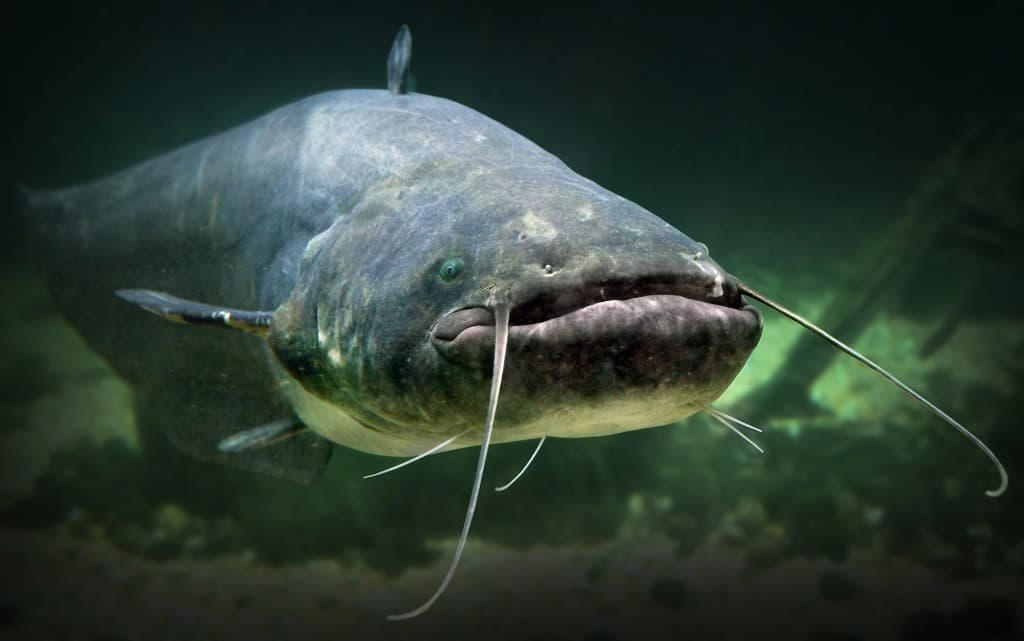
Louisiana’s blue, channel, and flathead catfish fisheries reward anglers who read gear chapters. Juglines, trotlines, limb lines, and bowfishing can have water-body restrictions, tag requirements, or seasonal windows. Alligator gar draw specialized management attention in many systems—identify fish carefully, follow reporting expectations where they apply, and treat oversized fish as conservation assets, not automatic trophies to drag across social media.
Tournaments, Ramps, and On-Water Courtesy
Bass and crappie tournaments concentrate traffic at popular ramps before daylight. Stage trailers out of the launch lane, idle where posted, and give room to non-tournament families who also paid for a Saturday on the water. Prop scars on bedding shallows last longer than bragging rights. If you film content, avoid identifying private docks or posted leases without permission.
Documentation and Enforcement
Keep proof of license and endorsements ready. Organize regulation pages for the waters you fish—officers appreciate anglers who show good-faith effort to comply. If you receive a warning or citation, stay calm; disputes belong in court, not at the dock.
Plan Your Louisiana Fishing Trip
Link this guide with our Louisiana outdoors overview and the Louisiana fishing hub. Browse the fishing category for techniques that pair with regulations. Book lodging with trailer parking if you haul a bay boat, and build buffer time for New Orleans traffic or coastal bridge delays. Pack sun protection, insect repellent, and drinking water—humidity and heat punish unprepared crews. Save offline maps for marsh runs where GPS signals bounce and channels shift after storms.
Ethics, Catch-and-Release, and Community
Louisiana’s fisheries thrive when habitat, science, and angler behavior align. Do not crowd another boat working schooling fish unless invited. Do release slot fish quickly with wet hands and minimal air exposure. Pick up line, cans, and bait trash at launches. Strong local tackle shops often fund kids events and habitat projects—supporting them supports access. When biologists ask for samples or data, participate if you can; science drives fair regulations.
Frequently Asked Questions
Do I need a fishing license in Louisiana?
Most anglers need a valid Louisiana recreational fishing license unless an exemption applies; carry proof of license and any required permits while fishing.
Where can I find Louisiana saltwater fishing regulations?
Use the Louisiana Department of Wildlife and Fisheries recreational fishing pages and the published regulations summaries for size, bag, and season rules by species.
What species are popular in Louisiana inshore waters?
Speckled trout and redfish headline inshore trips; flounder, sheepshead, and black drum are common targets—always verify current size and bag limits.
How do Louisiana freshwater and saltwater licenses differ?
Louisiana structures recreational privileges by where and how you fish; match your license package to freshwater, saltwater, or both, and confirm any additional stamps or permits listed for the current license year.
What should I know about fishing Louisiana wildlife management areas?
Many WMAs allow fishing on schedules that differ from statewide seasons; read area-specific rules for access, permits, and closures before launching boats or hiking in.
Where can I buy a Louisiana fishing license?
Purchase through LDWF license vendors and online options listed on the recreational fishing pages; keep digital or printed proof available while fishing.
Sources
- Louisiana Department of Wildlife and Fisheries. "Recreational Fishing." LDWF, wlf.louisiana.gov/page/recreational-fishing. Accessed 31 Mar. 2026.
- Louisiana Department of Wildlife and Fisheries. "Recreational Fishing Regulations." LDWF, wlf.louisiana.gov/page/recreational-fishing-regulations. Accessed 31 Mar. 2026.
- National Oceanic and Atmospheric Administration. "Southeast Fisheries." NOAA Fisheries, fisheries.noaa.gov/region/southeast-science-center. Accessed 31 Mar. 2026.
Official state agency
Louisiana Department of Wildlife and Fisheries — Recreational FishingVerify season openings, daily bag, possession, and length or slot rules for each water and species you target—plus any 2026 rule changes or emergency orders—before you fish.
Written by
The Inside Spread Team
The Inside Spread team covers fishing regulations and access across all 50 states. We tie every guide to official agency sources so you can verify seasons, bag limits, and license rules before you launch.
Comments
No comments yet. Be the first to share your thoughts.
More in state-guides
Arkansas Duck Hunting 2026: Season Dates, WMA Permits, License Costs & Complete Guide
Arkansas duck hunting 2026-27—three-segment season dates, nonresident WMA waterfowl permits, Black River and Bayou Meto access changes, and Delta license costs.
Georgia Whitetail Deer Hunting 2026: Season Dates, Extended Counties, License Costs & Nonresident Guide
Georgia whitetail deer hunting 2026-27—archery, primitive weapons, and firearms dates, 29-county extended archery, 12-deer bag, Game Check, and the nonresident guide.
Kentucky Whitetail Deer Hunting 2026: Season Dates, Zone Changes, License Costs & Nonresident Guide
Kentucky whitetail deer hunting 2026-27—archery, crossbow, and modern gun dates, the 2026 zone map, license and deer permit costs, Telecheck, and the nonresident guide.
Michigan Whitetail Deer Hunting 2026: Season Dates, License Costs, UP vs LP & Nonresident Guide
Michigan whitetail deer hunting 2026—archery, firearm, and three-day December dates, DNR license fees, Upper vs Lower Peninsula rules, baiting, and the nonresident guide.