
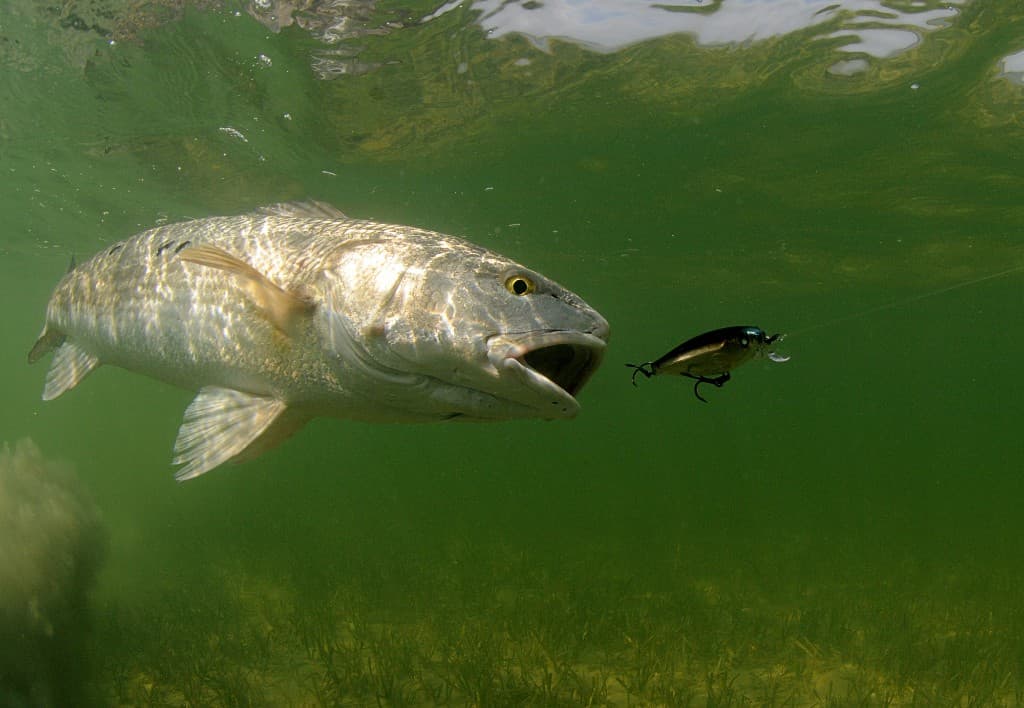
Maryland fishing 2026—license rules, tidal vs nontidal regulations, official DNR links, Chesapeake Bay updates, and Potomac border-water planning.
2026 seasons & limits
Verify rules with Maryland fish & wildlife
- Confirm open seasons, daily bag, and possession limits for each species and water you fish.
- Check length and slot rules—many lakes, rivers, and bays have special tables beyond statewide defaults.
- Review 2026 summaries and any emergency orders (closures, health notices, gear rules) before you go.
The Inside Spread orients you for trip planning only. Conservation officers enforce the official published regulations—not articles or forum posts.
Need a Maryland fishing license, current regulations, or the right official page before you fish? Start by deciding whether your trip is tidal or nontidal. That one split controls many of the license, season, and access questions that catch anglers off guard on Chesapeake Bay water, Potomac sections, Atlantic coastal water, and inland lakes. Maryland DNR Fisheries is the first stop for 2026 license details, fishing guides, and emergency notices.
Maryland anglers often talk about "the Bay" as if it were one destination, but the state really fishes as a collection of separate systems. Upper-bay rivers do not fish like lower-bay grass flats, and tidal Potomac planning does not look like a western-Maryland trout trip or an inland reservoir bass day. Once you understand the tidal-versus-nontidal split, Maryland’s regulations and trip planning get much easier to sort.
2026 Seasons, Limits, and Rule Changes
This article is not the law. Your state's fish and wildlife agency publishes the official rules—online digests, mobile apps, and emergency notices—and those sources control what you can keep, when you can fish, and where.
Maryland layers freshwater and saltwater rules differently; named lakes, rivers, and bays often have special regulations beyond statewide defaults; border waters and stocks shared with neighboring states or federal waters can add more rules. Always match the species, water body, and date you plan to fish to the correct table.
What to verify before every trip
- Seasons and closures for each species you target (game fish, panfish, trout, salmon, steelhead, or saltwater species)
- Daily and possession limits (creel limits) and whether aggregate caps apply across similar species
- Minimum and maximum length and slot limits, plus how length is measured (total length vs. fork length)
- Gear restrictions (bait, hooks, tackle) where they apply
- Special rules for WMAs, community fishing waters, trophy waters, and border waters
2026 updates and mid-season changes
Agencies publish annual summaries and sometimes emergency orders (water quality, fish health, stock changes, or temporary closures). Before you plan 2026 trips:
- open the current regulations for the license year that covers your dates
- check your agency's news or rule change page for new limits, stamps, or reporting rules
- read invasive species and bait movement notices if you move boats or gear between waters
If a forum or social post disagrees with the agency PDF, trust the agency and walk away from edge cases.
Popular species: what to look up in the digest
Use the index or online tools to find limits for the fish you actually plan to catch—black bass (largemouth, smallmouth, spotted), panfish (crappie, bluegill, perch, sunfish), catfish, trout and salmon (including steelhead where present), walleye and sauger, muskies and pike, and—if your trip includes coastal or estuary water—saltwater species such as red drum, spotted seatrout, snapper, groupers, striped bass, and flounder. Do not keep fish until you match the species to the exact rule line for that water body and date.
| Topic | Verify in the official digest |
|---|---|
| Daily bag | Per-day harvest limit per species or aggregate groups |
| Possession | Fish you may have in camp, cooler, or vehicle combined |
| Length / slot | Minimum, maximum, or protected length bands |
| Season | Opening and closing dates, catch-and-release-only windows, closures |
Maryland official source: Maryland Department of Natural Resources — Fisheries
Species-specific guides (2026)
Deeper dives on Maryland’s top game fish—history, where they live, 2026 regulations, and how to fish for them:
What Maryland Fishing License Do I Need?
Maryland is unusual because the right answer depends heavily on whether you are fishing tidal or nontidal waters. The state uses separate licensing and registration structures for those two categories, and anglers should not assume that a nontidal license automatically covers Chesapeake Bay fishing or that a tidal registration solves inland fishing requirements. Purchase decisions usually run through official Maryland DNR systems such as COMPASS, but the more important step is reading how DNR defines the water you intend to fish.
Here is the simplest working framework:
Tidalwater generally includes Chesapeake Bay, its tidal tributaries, and certain coastal or estuarine fisheries.Nontidalwater generally covers inland lakes, ponds, reservoirs, and freshwater rivers or streams managed under inland rules.Interstateor shared waters can add another layer, especially on parts of the Potomac and other border areas.
That division affects more than the purchase screen. It can also affect creel limits, legal species expectations, public access patterns, and the type of agency update you need to watch. Tidal anglers, especially striped bass anglers, should expect in-season news, stock-driven updates, and bay-specific rule visibility. Nontidal anglers are more likely to focus on inland summaries, trout allocations, reservoir regulations, and local access notes. If you are running a mixed trip, such as morning perch on a tidal creek and an evening stop at an inland pond, read both sets of guidance before you leave.
Tidal vs. Nontidal Fishing in Maryland
The tidal versus nontidal distinction is the single most important Maryland concept for visiting anglers. It affects how you plan, how you buy credentials, and how you interpret rules posted online or at access points. Tidal fisheries are shaped by estuary conditions, salinity changes, major migratory species, and the Chesapeake Bay’s ecological management priorities. Nontidal fisheries are built more around inland habitat, freshwater stocking, warmwater reservoirs, and river systems without tidal influence.
In practical terms, tidal fishing usually means thinking about current, salinity, tides, and large-scale fish movements. A striped bass or perch trip on the Bay is influenced by season timing, water temperature, and fish management decisions that can change in response to stock conditions. A nontidal trip to Deep Creek Lake, Liberty Reservoir, a western trout stream, or a suburban community pond involves a very different style of decision-making. You are more likely to think about lake contour, bank access, trout season structure, or bass patterning than tide swings.
That split also helps explain Maryland’s reputation. Many people associate the state almost entirely with Chesapeake Bay striped bass, but the inland side of Maryland is significant in its own right. The state is compact, yet it offers real trout water in the west, productive bass lakes and reservoirs, and accessible pond fishing near major population centers. Maryland works best when anglers stop thinking of it as "just Bay fishing" and instead choose which Maryland they want to fish on that trip.
What Chesapeake and Inland Species Drive Maryland Rules?
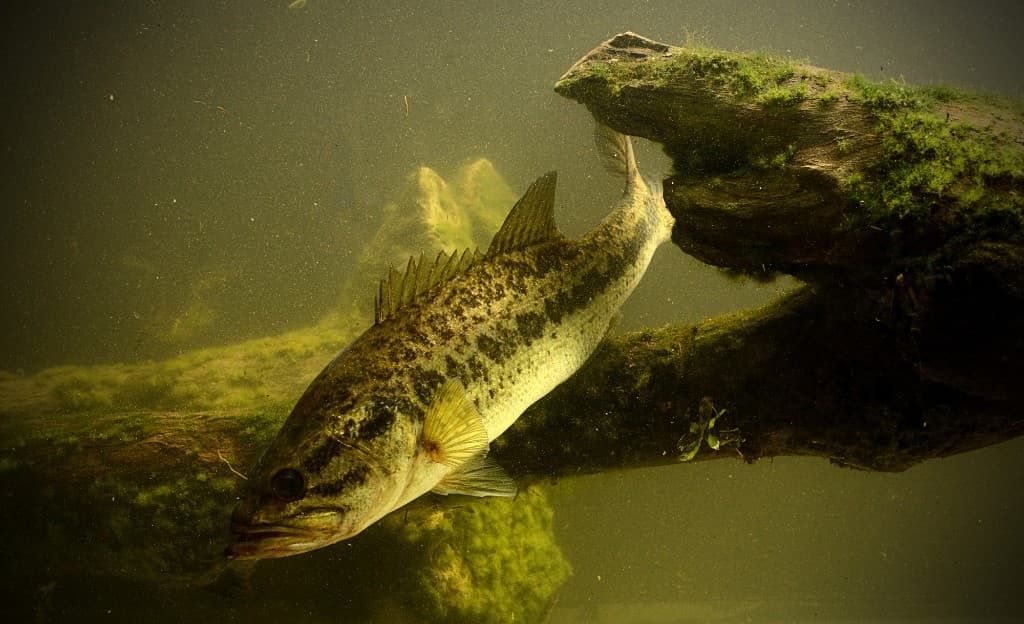
Striped bass is the species most likely to shape news coverage and angler attention in Maryland. The Chesapeake Bay fishery is culturally important, biologically watched closely, and managed with seasonal and size rules that can change or tighten when stock conditions demand it. That means anglers should never rely on last year’s assumptions. For 2026, verify the latest striped bass seasons, slot language, and area-specific guidance directly from Maryland DNR before planning a keep-fish trip.
Maryland’s tidal side offers much more than striped bass, though. White perch, spot, croaker, blue catfish, channel catfish, red drum, and speckled trout all matter depending on location and season. Blue catfish in particular have changed the conversation in some tidal rivers because they are abundant and often part of both harvest-oriented trips and ecosystem discussions. In lower-bay and coastal-influenced water, red drum and speckled trout can become part of the warm-season draw, but anglers still need to read the exact limits and legal size rules for the waters they fish.
Inland, largemouth bass, crappie, bluegill, stocked trout, walleye in select waters, and mixed reservoir species drive the calendar. Deep Creek Lake is probably the inland name most nonresidents recognize, but it is far from the only place that matters. Reservoir anglers in central Maryland, pond anglers near developed areas, and trout anglers in western streams all face a more traditional inland setup than the tidal side.
- Tidal Maryland is driven by striped bass visibility, tidal panfish, catfish, and seasonal estuary species.
- Nontidal Maryland is built around bass, trout, crappie, panfish, and reservoir or stream opportunity.
- The dividing line between those categories matters legally, not just descriptively.
Chesapeake Bay and Tidal River Fishing
The Chesapeake Bay dominates Maryland’s fishing identity because it offers scale, access, and iconic species. It is also a fishery where management headlines matter. Anglers pursuing striped bass should expect strong public communication from DNR and should read updates close to the trip date, not just at the start of the year. Tidal rivers feeding the bay can fish very differently from open-bay structure, and success often comes from matching your plan to the section. One creek may be a perch-and-catfish destination, while another area is all about seasonal migratory movement and water temperature.
Tidal fishing is also where boat position, tide stage, and weather become inseparable from regulation awareness. Wind can change a bay trip faster than almost anything in inland Maryland. If you are not comfortable running a large open fishery, sheltered tributaries and small access sites often provide a safer, more manageable version of Maryland fishing. Shore anglers are not locked out, either. Piers, points, bridge-adjacent areas where legal, and public tidal access sites can all be productive when timing is right.
For newer Maryland anglers, white perch and catfish often offer a better learning curve than striped bass. They are accessible, widely distributed, and less tied to the pressure and complexity of a high-profile trophy mindset. For experienced anglers, the bay’s diversity is the appeal: you can plan a trip around one target species and still adapt if conditions move you elsewhere.
Potomac River and Shared-Water Complexity
The Potomac River is where many visiting anglers learn that "Maryland fishing" can cross into interstate management questions quickly. Some reaches involve arrangements or regulatory structures that are not intuitive if you have only fished inland lakes. Depending on the section, you may need to account for Maryland rules, Virginia rules, or Potomac River Fisheries Commission guidance. That does not make the river hard to fish. It just means you need to identify the exact section before you assume your license or creel rules answer everything.
This matters for boaters and shoreline anglers alike. Launch location, shoreline ownership, and the stretch of river you occupy can all affect the right answer. The Potomac is a productive fishery with bass, catfish, panfish, and tidal opportunity, but it rewards precision in trip setup. If you are uncertain, start by deciding whether you are fishing tidal Potomac water or another section, then work back through the official Maryland material and any linked interstate guidance. A ten-minute reading session is cheaper than a citation and more useful than internet folklore.
Inland Lakes, Reservoirs, and Western Maryland Trout
Maryland’s inland side is often overshadowed, but it is one reason the state works so well for anglers who want options beyond the bay. Deep Creek Lake is the western showcase because it offers coldwater and warmwater appeal in a more mountainous setting than many visitors expect from Maryland. Trout, bass, panfish, and seasonal patterns tied to elevation and weather make it feel different from the tidal east. Reservoirs such as Liberty and other inland impoundments add bass, panfish, and bank-friendly opportunity closer to the state’s central population centers.
Trout anglers should pay particular attention to western Maryland and DNR stocking information. Maryland is not a full-time national trout destination in the Rocky Mountain sense, but it provides quality coldwater opportunity in the right regions and seasons. Stocked put-and-take waters can be great for accessible family trips, while more stream-oriented anglers can build a day around current, cover, and cooler water in the western counties.
Inland Maryland is also well suited to flexible fishing. If a bay forecast deteriorates, you may be able to pivot to a reservoir or pond trip instead of losing the whole day. That adaptability is part of the state’s appeal for residents and short-trip visitors.
Seasonal Strategy for Maryland Fishing 2026
Spring is one of Maryland’s most dynamic periods because tidal species begin to organize around warming water while inland anglers gain momentum on bass, crappie, and trout. It is also a time when reading current Maryland DNR notices matters, especially for high-profile species. Spring weather can change bay conditions dramatically, so a backup inland plan is wise.
Summer pushes a stronger split between early-morning or current-driven tidal success and deeper or shaded inland patterns. Grass, docks, creek mouths, and structure become important for many tidal species, while reservoirs often reward anglers who fish low-light windows or probe deeper edges. On hot summer days, inland trout opportunity narrows to the cooler parts of the state or the right times of day.
Fall is a strong season statewide because temperatures moderate and a wide range of species become active. Tidal perch, catfish, and late bay opportunities can line up with improving reservoir bass fishing. In western Maryland, cooler weather helps both trout comfort and angler stamina. Winter is more specialized but still relevant, especially for catfish and select inland opportunities. The key across every season is to choose the Maryland that fits current conditions instead of forcing a bay plan into unsafe or unproductive weather.
Plan Your Maryland Fishing Trip
The easiest way to plan Maryland is to choose your water type first, not your species first. Start with one of these trip styles: tidal Chesapeake trip, Potomac/shared-water trip, inland reservoir trip, or western Maryland trout trip. That single decision clarifies licensing, tackle, weather expectations, and where you should read the latest official updates.
Use Maryland outdoors and Maryland fishing hub if you want to pair fishing with a broader state trip. Coastal visitors may want to mix Chesapeake or Atlantic access with a family itinerary. Central Maryland anglers often benefit from keeping both a tidal and nontidal option ready in case weather or crowds change. Western Maryland trips should account for drive time, elevation changes, and more limited service around certain access areas.
A solid Maryland packing list includes:
- Your exact tidal or nontidal license confirmation, not just a vague memory of what you bought.
- Polarized glasses for grass flats, riprap, and shallow inland water.
- Tide awareness if you are fishing Chesapeake tributaries or coastal water.
- A backup freshwater plan if wind makes the bay unattractive or unsafe.
- A cooler and fish-care setup if you are planning to keep species that are legal and in good condition for harvest.
Maryland rewards flexibility. Few states let you change from estuary tactics to inland bass fishing or western trout fishing so quickly. The anglers who enjoy it most are usually the ones who plan around that range instead of trying to force one rigid plan on the whole state.
Frequently Asked Questions
Do I need separate Maryland licenses for tidal and nontidal fishing?
Often, yes. Maryland separates tidal and nontidal fishing requirements, so anglers should confirm whether their destination water falls under Chesapeake and coastal rules or under inland freshwater rules before they purchase a license or registration.
Where can I read Maryland fishing regulations?
Use official Maryland DNR fisheries pages for the Maryland Guide to Fishing and Crabbing, striped bass updates, license details, and any linked interstate guidance that applies to the Potomac or other shared waters.
What are Maryland’s top fisheries?
Maryland’s best-known fisheries include Chesapeake Bay striped bass and tidal perch, blue catfish in some river systems, Deep Creek Lake and other inland reservoirs for bass and panfish, and western Maryland trout waters.
What is the difference between Maryland tidal and nontidal fishing?
Tidal fishing covers bay, estuary, and other tide-influenced waters governed under tidal rules, while nontidal fishing covers inland freshwater lakes, ponds, reservoirs, rivers, and streams managed under separate inland regulations.
Can I fish the Potomac River anywhere with the same Maryland license?
Not always. Potomac access and rules can depend on the exact section and any interstate agreement in place, so anglers should verify the management structure that applies before assuming one Maryland credential covers every stretch.
Does Maryland have both striped bass and trout opportunities?
Yes. Maryland is distinctive because anglers can pursue nationally recognized Chesapeake Bay species on one trip and still find inland trout, bass, and panfish opportunities in the western or central parts of the state.
Sources
- Maryland Department of Natural Resources. "Fisheries." Maryland DNR, dnr.maryland.gov/fisheries. Accessed 7 Apr. 2026.
- Maryland Department of Natural Resources. "Fishing in Maryland." Maryland DNR, dnr.maryland.gov/fisheries/pages/recreational.aspx. Accessed 7 Apr. 2026.
- Maryland Department of Natural Resources. "Maryland Guide to Fishing and Crabbing." Maryland DNR, dnr.maryland.gov/fisheries/Pages/regulations.aspx. Accessed 7 Apr. 2026.
Official state agency
Maryland Department of Natural Resources — FisheriesVerify season openings, daily bag, possession, and length or slot rules for each water and species you target—plus any 2026 rule changes or emergency orders—before you fish.
Written by
The Inside Spread Team
The Inside Spread team covers fishing regulations and access across all 50 states. We tie every guide to official agency sources so you can verify seasons, bag limits, and license rules before you launch.
Comments
No comments yet. Be the first to share your thoughts.
More in state-guides
Arkansas Duck Hunting 2026: Season Dates, WMA Permits, License Costs & Complete Guide
Arkansas duck hunting 2026-27—three-segment season dates, nonresident WMA waterfowl permits, Black River and Bayou Meto access changes, and Delta license costs.
Georgia Whitetail Deer Hunting 2026: Season Dates, Extended Counties, License Costs & Nonresident Guide
Georgia whitetail deer hunting 2026-27—archery, primitive weapons, and firearms dates, 29-county extended archery, 12-deer bag, Game Check, and the nonresident guide.
Kentucky Whitetail Deer Hunting 2026: Season Dates, Zone Changes, License Costs & Nonresident Guide
Kentucky whitetail deer hunting 2026-27—archery, crossbow, and modern gun dates, the 2026 zone map, license and deer permit costs, Telecheck, and the nonresident guide.
Michigan Whitetail Deer Hunting 2026: Season Dates, License Costs, UP vs LP & Nonresident Guide
Michigan whitetail deer hunting 2026—archery, firearm, and three-day December dates, DNR license fees, Upper vs Lower Peninsula rules, baiting, and the nonresident guide.