
Massachusetts Fishing 2026: Licenses, Cape Waters, and Inland Trout
Massachusetts fishing 2026—license rules, freshwater vs saltwater regulations, official MassWildlife and DMF links, and where to verify current limits.
2026 seasons & limits
Verify rules with Massachusetts fish & wildlife
- Confirm open seasons, daily bag, and possession limits for each species and water you fish.
- Check length and slot rules—many lakes, rivers, and bays have special tables beyond statewide defaults.
- Review 2026 summaries and any emergency orders (closures, health notices, gear rules) before you go.
The Inside Spread orients you for trip planning only. Conservation officers enforce the official published regulations—not articles or forum posts.
Need a Massachusetts fishing license, the freshwater rulebook, or the right saltwater page before you go? Start by separating freshwater from marine fishing. Inland trips run through MassWildlife Freshwater Fishing and MassFishHunt, while striped bass, bluefish, tuna, cod, and other coastal trips need Division of Marine Fisheries guidance and any federal rules that apply offshore.
This article is editorial guidance, not the law. Regulations change, and enforcement uses current published sources. Charter, for-hire, and commercial trips can add more layers than a basic recreational day, so if a forum post disagrees with an agency page, trust the agency.
Urban anglers in Greater Boston and rural anglers in the Berkshires share the same need: read special regulations for named waters. Quabbin Reservoir and other public water supplies carry access restrictions that protect drinking water—treat those rules as non-negotiable gatekeepers to your calendar.
2026 Seasons, Limits, and Rule Changes
This article is not the law. Your state's fish and wildlife agency publishes the official rules—online digests, mobile apps, and emergency notices—and those sources control what you can keep, when you can fish, and where.
Massachusetts layers freshwater and saltwater rules differently; named lakes, rivers, and bays often have special regulations beyond statewide defaults; border waters and stocks shared with neighboring states or federal waters can add more rules. Always match the species, water body, and date you plan to fish to the correct table.
What to verify before every trip
- Seasons and closures for each species you target (game fish, panfish, trout, salmon, steelhead, or saltwater species)
- Daily and possession limits (creel limits) and whether aggregate caps apply across similar species
- Minimum and maximum length and slot limits, plus how length is measured (total length vs. fork length)
- Gear restrictions (bait, hooks, tackle) where they apply
- Special rules for WMAs, community fishing waters, trophy waters, and border waters
2026 updates and mid-season changes
Agencies publish annual summaries and sometimes emergency orders (water quality, fish health, stock changes, or temporary closures). Before you plan 2026 trips:
- open the current regulations for the license year that covers your dates
- check your agency's news or rule change page for new limits, stamps, or reporting rules
- read invasive species and bait movement notices if you move boats or gear between waters
If a forum or social post disagrees with the agency PDF, trust the agency and walk away from edge cases.
Popular species: what to look up in the digest
Use the index or online tools to find limits for the fish you actually plan to catch—black bass (largemouth, smallmouth, spotted), panfish (crappie, bluegill, perch, sunfish), catfish, trout and salmon (including steelhead where present), walleye and sauger, muskies and pike, and—if your trip includes coastal or estuary water—saltwater species such as red drum, spotted seatrout, snapper, groupers, striped bass, and flounder. Do not keep fish until you match the species to the exact rule line for that water body and date.
| Topic | Verify in the official digest |
|---|---|
| Daily bag | Per-day harvest limit per species or aggregate groups |
| Possession | Fish you may have in camp, cooler, or vehicle combined |
| Length / slot | Minimum, maximum, or protected length bands |
| Season | Opening and closing dates, catch-and-release-only windows, closures |
Massachusetts official source: Massachusetts Division of Fisheries and Wildlife — Freshwater Fishing
Species-specific guides (2026)
Deeper dives on Massachusetts’ top game fish—history, where they live, 2026 regulations, and how to fish for them (marine and freshwater sources vary; verify each page):
Freshwater: wild trout, stocked put-and-take, and technical tailwaters
Western Massachusetts rivers like the Deerfield corridor offer world-class coldwater fishing that still depends on dam releases, temperature, and public access points. Wild trout streams reward stealth; stocked reaches can be crowded on opening days. Read river-section rules carefully—catch-and-release windows and gear restrictions can change by reach. Bring wading staff, studded boots, and a thermometer; warm spikes can shift behavior fast.
Warmwater rivers and reservoirs: smallmouth, largemouth, and panfish
The Connecticut River and major impoundments support smallmouth fisheries that attract traveling anglers. Largemouth lakes near population centers see heavy pressure—weekends mean jet skis, pleasure boat wakes, and shared ramps. Panfish anglers should learn size classes and regulations before filling a cooler; some waters emphasize quality over quantity.
Northern pike and special management waters
Pike fisheries can be exciting and management-heavy. Some waters carry special orders for invasive risk or fish health—read notices before you fish. Handle pike carefully with jaw spreaders and pliers; their teeth are unforgiving.
Marine: striped bass, bluefish, and coastwide compliance
Striped bass remain a cultural backbone for Massachusetts marine anglers. Coastwide management means seasons and slot rules can change—verify the current DMF information for state waters before you keep fish. Bluefish runs can be chaotic fun; still read bag and size rules. Flounder, tautog, and sea bass fisheries are seasonal staples—each species deserves its own lookup.
Cape Cod Canal, rips, and crowded shorelines
The Canal is famous for current, crowds, and fish. Casting etiquette matters: do not walk through another angler’s drift, and control hooks in tight quarters. Rips and beaches along the outer Cape demand respect for surf conditions; rocks are slippery and waves can surprise you. Night anglers should use lights responsibly and identify fish before retention.
Boating safety, fog, and ferry traffic
Massachusetts harbors mix pleasure craft, commercial traffic, and sometimes fog that arrives in minutes. Carry signaling devices, monitor weather, and file a float plan for offshore runs. Kayakers should wear PFDs and stay visible near shipping lanes.
Quabbin, Wachusett, and restricted public-water access
Quabbin Reservoir and similar waters protect public drinking supplies. Access may require permits, seasonal windows, and specific boat types—read the full rule set before you reserve a day. Wachusett Reservoir offers regulated opportunities for salmonids and other species depending on current rules; parking and boat launches can be competitive on weekends.
Invasive species, bait, and boat movement
Hydrilla and other invaders threaten bays and inland lakes. Clean, drain, dry boats and trailers. Bait rules can restrict species and importation—buy from reputable dealers when required. Never dump unused bait into the water.
Ice fishing and winter communities
Ice shanties and perch bites define winter for many families. Ice safety varies by week—test as you go, carry picks and rope, and avoid channels with current. Special rules may govern lines, shelters, and bait.
Connecticut River border: two states, one current
If you fish the Connecticut River boundary, verify which state’s rules apply to your position and species. Border waters confuse even experienced anglers—screenshot both states’ pages when in doubt.
Urban fishing, piers, and community waters
Community ponds and urban piers introduce new anglers every year. Respect posted hours, pack out trash, and teach kids to identify fish before keeping them. Lead restrictions may apply on some waters—read tackle rules.
Tournaments, culling, and possession
Competitive bass anglers must align tournament rules with state possession limits—when in doubt, prioritize conservation and agency rules. Recreational anglers near tournaments should give space at ramps and on key structure.
Documentation and enforcement
Keep MassFishHunt proof and any marine registry documentation accessible. Organize regulation screenshots for the waters you fish.
Ethics, catch-and-release, and the next generation
Massachusetts anglers share crowded shorelines. Pick up line fragments, avoid crowding another boat’s school, and release fish quickly when rules or ethics require it. Teach kids that good fishing includes good manners.
Estuaries, herring runs, and where freshwater meets salt
Many Massachusetts trips blur lines between river mouths and marine bays. Herring and forage movements can concentrate predators; read rules on bait collection, closed areas, and seasonal protections before you seine or cast around ladders and dams. Estuary fishing combines current, tide, and boat wakes—wear a PFD in kayaks, give wading anglers space, and avoid anchoring in ferry lanes. When you keep fish, identify species carefully in turbid water; mistaken identity is more common when bait is thick and bites are fast. Pair MassWildlife inland rules with DMF marine tables when you fish the same weekend on different water types—your phone’s photo folder should include screenshots of both agencies’ pages.
Spring pre-spawn, summer thermoclines, and fall migrations
Bass anglers watch beds in spring and ledges in summer; trout anglers watch temperature and flows. Fall can bring some of the best shore fishing for salt species as water cools and bait moves. Each season carries different safety risks: hypothermia in spring, thunderstorms in summer, and slippery rocks in fall. Build a seasonal checklist that includes clothing, first aid, and communication—not just tackle.
What Massachusetts Fishing License Do I Need?
Purchase freshwater licenses through MassFishHunt. Most inland anglers need a MassWildlife fishing license where required; marine anglers should confirm Division of Marine Fisheries saltwater permitting and registry rules for their trip. If you fish both domains in one week, build two checklists—freshwater stamps and trout privileges may apply inland, while marine trips require the correct saltwater credentials.
Non-residents should compare short-term and annual options; fees and categories change. Youth and senior discounts may apply—verify eligibility. Anglers with disabilities should review site-specific access information for major reservoirs and WMAs.
Where Are Massachusetts’s Best Saltwater and Freshwater Fisheries?
- Buzzards Bay and Cape Cod Canal: Striped bass and bluefish attract crowds—watch current, etiquette, and measuring rules. Night fishing can be productive; bring safe footing and a headlamp that does not blind other anglers.
- Outer Cape beaches and rips: Surf and nearshore opportunities depending on season—respect swell and never turn your back on the ocean.
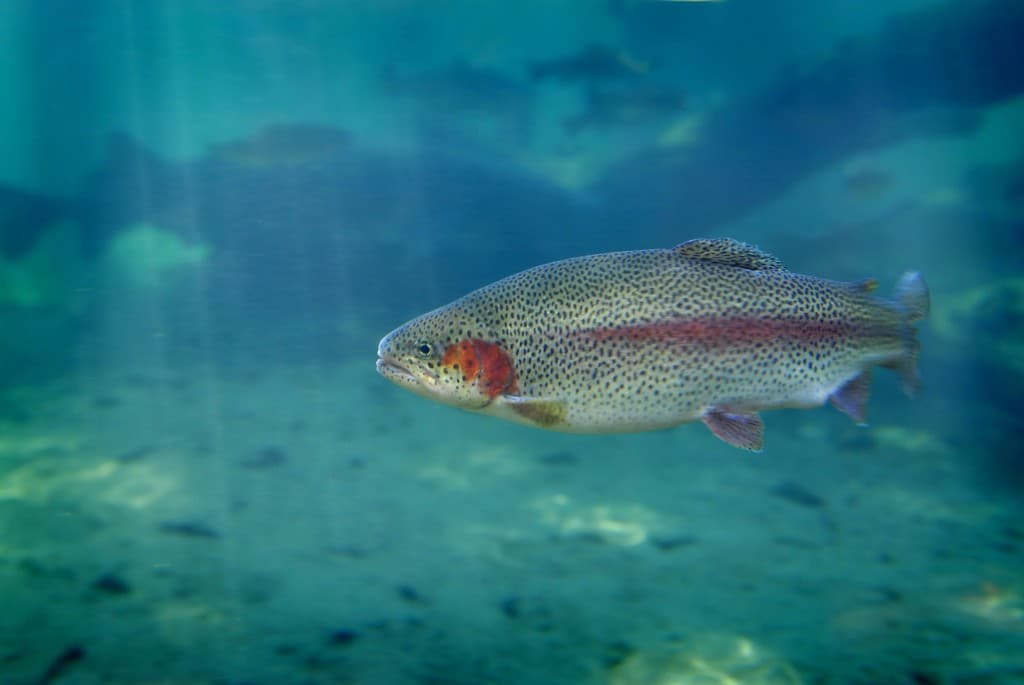
- Deerfield River corridor: Wild and stocked trout fisheries with technical wading—match your reach to posted regulations and monitor dam releases.
- Swift River: Coldwater habitat with angler pressure on peak days—arrive early, wade carefully, and practice quiet approaches.
- Wachusett Reservoir: Popular stillwater salmonid and warmwater opportunities depending on rules—confirm boat and access requirements before you go.
- Quabbin Reservoir: Special access and conservation context—treat permits and posted rules as mandatory steps, not suggestions.
Plan Your Massachusetts Fishing Trip
Use our Massachusetts outdoors guide with the Massachusetts fishing hub. More: fishing articles. Traffic around Boston and Cape bridges can consume hours—start early or plan midweek days. Pack layered clothing; ocean fog and mountain stream shade can chill you even in July.
Stage tackle separately for salt and fresh trips: corrosion-resistant gear for marine days, wading boots and fly boxes for western rivers. Keep a first-aid kit, drinking water, and sun protection. At the end of the day, rinse reels, inspect line, and clean boats to slow invasive spread.
Frequently Asked Questions
Do I need a Massachusetts fishing license?
Freshwater anglers need a MassWildlife fishing license where required; marine anglers should review Division of Marine Fisheries saltwater permitting and registry rules—confirm both for trips that cross domains.
Where can I find Massachusetts fishing regulations?
Use Mass.gov freshwater fishing pages for inland regulations and MassFishHunt for licenses; use Marine Fisheries resources for saltwater seasons, size limits, and coastwide species such as striped bass.
How should I plan freshwater versus marine trips?
Build separate checklists: inland waters follow MassWildlife trout and warmwater rules with special regulations on many rivers and reservoirs, while marine trips require DMF tables and often different measuring tools and safety gear.
What should striped bass anglers verify?
Striped bass are managed coastwide; seasons and slot rules can change—read current marine regulations for Massachusetts waters and confirm how length is measured before you harvest.
What are Massachusetts’s best-known fisheries?
Cape Cod and the Islands offer striped bass and bluefish; the Deerfield and Swift support trout; Wachusett Reservoir and Quabbin are popular stillwater destinations with special access rules.
What access rules apply to major reservoirs?
Quabbin and similar waters restrict access to protect drinking water—read posted rules, permitted seasons, and boat restrictions before you plan a trip.
Sources
- Commonwealth of Massachusetts. "Freshwater fishing." Mass.gov, mass.gov/topics/freshwater-fishing. Accessed 16 Apr. 2026.
Official state agency
Massachusetts Division of Fisheries and Wildlife — Freshwater FishingVerify season openings, daily bag, possession, and length or slot rules for each water and species you target—plus any 2026 rule changes or emergency orders—before you fish.
Written by
The Inside Spread Team
The Inside Spread team covers fishing regulations and access across all 50 states. We tie every guide to official agency sources so you can verify seasons, bag limits, and license rules before you launch.
Comments
No comments yet. Be the first to share your thoughts.
More in state-guides
Arkansas Duck Hunting 2026: Season Dates, WMA Permits, License Costs & Complete Guide
Arkansas duck hunting 2026-27—three-segment season dates, nonresident WMA waterfowl permits, Black River and Bayou Meto access changes, and Delta license costs.
Georgia Whitetail Deer Hunting 2026: Season Dates, Extended Counties, License Costs & Nonresident Guide
Georgia whitetail deer hunting 2026-27—archery, primitive weapons, and firearms dates, 29-county extended archery, 12-deer bag, Game Check, and the nonresident guide.
Kentucky Whitetail Deer Hunting 2026: Season Dates, Zone Changes, License Costs & Nonresident Guide
Kentucky whitetail deer hunting 2026-27—archery, crossbow, and modern gun dates, the 2026 zone map, license and deer permit costs, Telecheck, and the nonresident guide.
Michigan Whitetail Deer Hunting 2026: Season Dates, License Costs, UP vs LP & Nonresident Guide
Michigan whitetail deer hunting 2026—archery, firearm, and three-day December dates, DNR license fees, Upper vs Lower Peninsula rules, baiting, and the nonresident guide.