
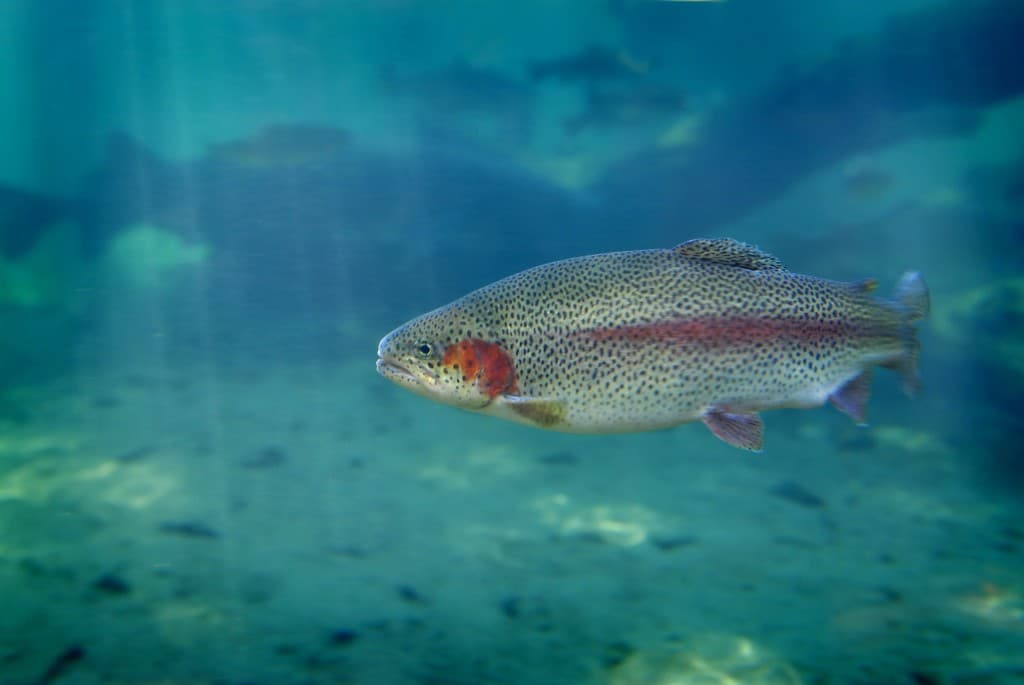
Michigan fishing 2026—license options, official DNR regulations, Great Lakes salmon and trout rules, inland walleye planning, and where to verify current…
2026 seasons & limits
Verify rules with Michigan fish & wildlife
- Confirm open seasons, daily bag, and possession limits for each species and water you fish.
- Check length and slot rules—many lakes, rivers, and bays have special tables beyond statewide defaults.
- Review 2026 summaries and any emergency orders (closures, health notices, gear rules) before you go.
The Inside Spread orients you for trip planning only. Conservation officers enforce the official published regulations—not articles or forum posts.
Need a Michigan fishing license, the current regulations digest, or the right DNR page before you launch? Start by deciding whether your trip is Great Lakes or inland. That split changes the species mix, seasonal tables, local access questions, and sometimes the practical rulebook you need to read before heading to a pier, river mouth, harbor, inland lake, or trout stream. The Michigan DNR fishing pages are the baseline for 2026 license details, regulations, and emergency updates.
Michigan stands apart because it offers two different fishing worlds at once. The Great Lakes side means harbors, piers, trolling water, surf, and basin-specific opportunities for salmon, trout, walleye, perch, and smallmouth bass. Inland Michigan means natural lakes, reservoirs, rivers, and warmwater or coldwater systems where panfish, bass, pike, muskie, steelhead, and trout all enter the conversation. If you identify the fishery style first, the rest of the planning gets much easier.
Michigan rewards people who think geographically. The Lower Peninsula offers famous walleye, bass, perch, and salmon destinations plus easy-to-reach inland lakes. The Upper Peninsula adds a different pace, more remote water, Lake Superior influence, and a colder-weather profile that changes the calendar. Border water awareness can matter around the St. Marys River, Detroit River, Lake St. Clair connections, and other places where international or interstate context becomes part of the trip. If you are coming to Michigan from elsewhere, it helps to narrow the trip down to one fishery style first instead of trying to sample everything in a single weekend.
Another reason anglers return to Michigan is that the state fishes well across the calendar. Spring river runs, early walleye movements, summer harbor and offshore trolling, fall staging fish, and winter ice opportunities all create their own loyal followings. But the same seasonal variety means there is no smart shortcut around reading current DNR information. Michigan fishing is best when you plan precisely, not generally.
2026 Seasons, Limits, and Rule Changes
This article is not the law. Your state's fish and wildlife agency publishes the official rules—online digests, mobile apps, and emergency notices—and those sources control what you can keep, when you can fish, and where.
Michigan manages Great Lakes and inland freshwater fisheries; rules differ between lakes, connecting waters, rivers, and border waters. Named lakes and rivers often have special regulations beyond statewide defaults; border waters with neighboring states or provinces may add more rules. Always match the species, water body, and date you plan to fish to the correct table.
What to verify before every trip
- Seasons and closures for each species you target (game fish, panfish, trout, salmon, steelhead, and Great Lakes species)
- Daily and possession limits (creel limits) and whether aggregate caps apply across similar species
- Minimum and maximum length and slot limits, plus how length is measured (total length vs. fork length)
- Gear restrictions (bait, hooks, tackle) where they apply
- Special rules for WMAs, community fishing waters, trophy waters, and border waters
2026 updates and mid-season changes
Agencies publish annual summaries and sometimes emergency orders (water quality, fish health, stock changes, or temporary closures). Before you plan 2026 trips:
- open the current regulations for the license year that covers your dates
- check your agency's news or rule change page for new limits, stamps, or reporting rules
- read invasive species and bait movement notices if you move boats or gear between waters
If a forum or social post disagrees with the agency PDF, trust the agency and walk away from edge cases.
Popular species: what to look up in the digest
Use the index or online tools to find limits for the fish you actually plan to catch—black bass (largemouth, smallmouth, spotted), panfish (crappie, bluegill, perch, sunfish), catfish, trout and salmon (including steelhead where present), walleye and sauger, muskies and pike, and Great Lakes species such as yellow perch, lake trout, coho salmon, and chinook salmon where those fisheries apply. Do not keep fish until you match the species to the exact rule line for that water body and date.
| Topic | Verify in the official digest |
|---|---|
| Daily bag | Per-day harvest limit per species or aggregate groups |
| Possession | Fish you may have in camp, cooler, or vehicle combined |
| Length / slot | Minimum, maximum, or protected length bands |
| Season | Opening and closing dates, catch-and-release-only windows, closures |
Michigan official source: Michigan Department of Natural Resources — Fishing
Species-specific guides (2026)
Deeper dives on Michigan’s top game fish—history, where they live, 2026 regulations, and how to fish for them:
What Michigan Fishing License Do I Need?
Most anglers need a valid Michigan fishing license unless they meet a current exemption. The Michigan DNR publishes licensing information and the current fishing guide so anglers can compare available options before buying. That is especially helpful because Michigan trips vary so widely. A casual vacation angler may only need a short-term plan, while a resident or repeat visitor may want a full-season option that covers multiple trips and species.
Before you buy, think through the trip you are actually taking. If you are heading out for salmon or trout on the Great Lakes, make sure your license and the current guide line up with the species mix you expect to target. If you are focusing on inland bass, panfish, or pike, the practical questions may center more on water-specific regulations than on the basic license purchase itself. If you are fishing rivers or streams, especially where trout are part of the plan, spend extra time with the current guide before assuming the inland lake rules tell the whole story.
Visitors should make a point of buying early and saving the relevant documentation to a phone as well as carrying a backup if needed. Michigan has no shortage of rural access points, and not every launch or river corridor is a place where you want to discover weak service. If you are moving between several regions during one trip, such as starting in western Michigan and later driving north or east, keep the official resources handy so you can check updates without guessing.
The other smart habit is to separate license compliance from trip strategy. Buying the right license is step one. Step two is reading the current fishing guide and any waterbody-specific information. Step three is checking weather, access, and conditions. Plenty of anglers do step one and then assume they are fully covered. In Michigan, the guide matters just as much as the purchase.
Where Should I Fish Michigan’s Great Lakes Ports?
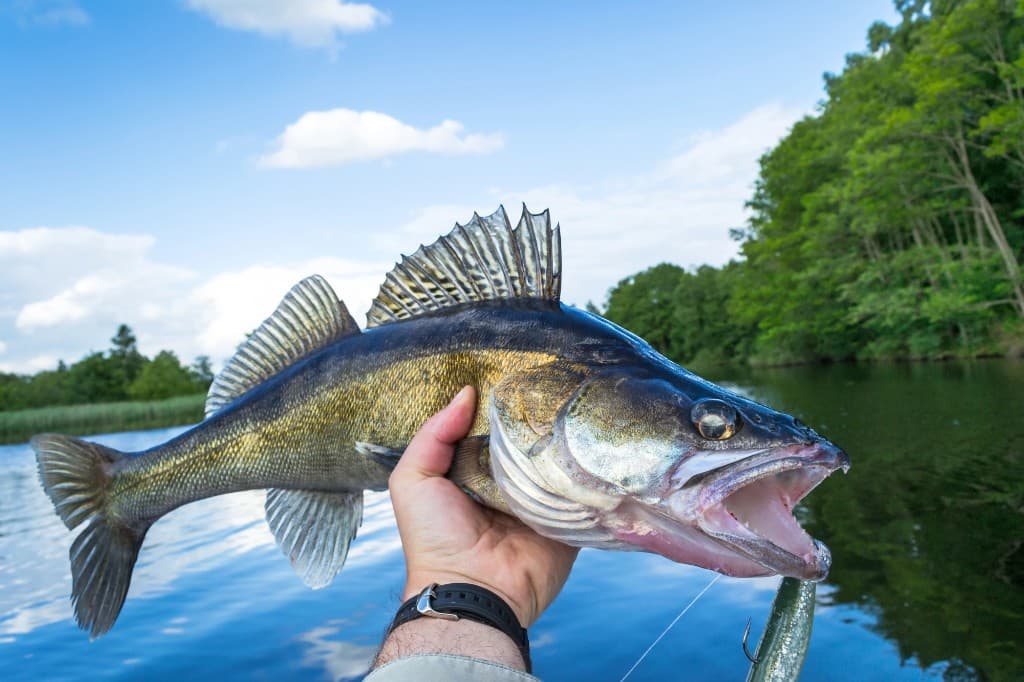
Michigan’s Great Lakes fishing scene is best understood basin by basin. Lake Michigan ports such as St. Joseph, South Haven, Grand Haven, Muskegon, Ludington, and Manistee are familiar names because they can offer salmon and trout opportunity plus pier and harbor options for shore anglers. Conditions and timing change across the season, and one port can fish very differently from the next depending on wind, temperature bands, bait movement, and launch pressure.
Lake Huron has its own identity. Saginaw Bay and nearby connected waters are famous for walleye, while other ports and shoreline stretches offer different combinations of perch, trout, salmon, and mixed-species action depending on the season. Anglers planning a Huron trip should resist the temptation to rely on Lake Michigan chatter. The water behaves differently, and so do the practical opportunities.
Lake Erie gives Michigan anglers access to one of the region’s best-known walleye conversations, especially when weather and forage line up. It can also look deceptively manageable on good days, which makes it important to remember that big open water is still big open water. Wind changes, crossing traffic, and rough conditions can turn an easy forecast into a bad run home.
Lake Superior is the most distinct of the group. The Upper Peninsula shoreline, colder water, and more remote feel make Superior memorable for anglers who like a big-water trip with a more rugged profile. The trade-off is that Superior asks for discipline. Weather can change quickly, and conservative decisions belong in the plan from the start, not as an afterthought once the lake turns ugly.
Some anglers prefer not to launch on the big lake at all and instead focus on piers, harbors, river mouths, or connected channels. That can be a great Michigan strategy, especially for mixed-skill groups. It reduces some of the open-water stress while still keeping you in highly relevant fish zones at the right time of year. It also gives you more room to adapt if the forecast deteriorates.
Inland Lakes, Rivers, and Border Water Opportunities
Great Lakes fishing gets the headlines, but inland Michigan is what keeps many anglers returning every season. Southern Michigan offers accessible lakes, strong bluegill and bass opportunities, and plenty of day-trip potential. Central regions add classic walleye and multi-species waters. Northern Michigan brings a mix of natural lakes, clear-water systems, pike and muskie possibilities, and scenic river corridors. The Upper Peninsula adds both remoteness and a different seasonal tempo that many anglers love.
Walleye anglers often focus on places tied to the Saginaw Bay conversation, the western Lake Erie influence, or inland lakes with solid stocking, habitat, or forage histories. Bass anglers have options almost everywhere, but they should still pay close attention to current regulations because special rules, catch-and-release windows, or local exceptions can change how a trip should be structured. Panfish anglers often have the broadest flexibility, which makes Michigan a strong family destination for anglers who value consistent action more than chasing a single trophy window.
River fishing adds another layer. The Detroit River is one of the most recognized examples because of its spring walleye reputation and its shared-water context. Anglers there need to think not only about fishing but also about navigation, current, traffic, and border awareness. Michigan streams and tributaries that hold trout or seasonal runs demand a more technical reading of the current guide than many lake anglers are used to. The reward is excellent variety, but only if you do your homework first.
Boundary and international context are worth repeating because they change assumptions. Near Ontario-connected waters or shared systems, you should know exactly where you plan to fish, how you are launching, and whether your route could change jurisdictions. If you do not know, stop and verify before the trip starts.
Michigan Seasons: Spring, Summer, Fall, and Ice
Spring is one of Michigan’s most dynamic fishing periods because so many opportunities overlap. River runs, cool-water walleye, nearshore action, and early inland lake bites all compete for attention. The challenge is that spring also creates the most confusion for anglers who rely on old habits instead of current regulations. Dates, special rules, and local timing matter. A productive Michigan spring is usually built on one sharply defined plan, not a vague hope to “see what’s biting.”
Summer is when the state’s diversity becomes easiest to use. Families can split time between inland panfish trips, evening bass sessions, pier fishing, and full Great Lakes charters or private-boat days. It is also the season when launches get crowded, weather windows on the Great Lakes become more important, and some anglers forget how quickly a safe morning can become an unsafe afternoon. Build in flexibility, especially if your trip depends on open water.
Fall is a favorite for anglers who prefer fewer crowds and stronger feeding windows. Great Lakes staging patterns, river opportunities, and some of the state’s best cool-water fishing all come into play. This is also the season when cold-water safety returns as a serious concern even before ice shows up. A life jacket and a cautious weather call are worth more than stubbornness.
Ice fishing is a major part of the Michigan picture, especially on inland lakes and selected bays or connected waters where conditions allow. Perch, bluegill, crappie, pike, walleye, and other species all draw attention through the winter. But Michigan ice is not a promise. Conditions can vary tremendously by region, snow cover, current, recent wind, and local access patterns. Always check local reports, carry safety gear, and treat every outing as a fresh decision rather than something guaranteed by last week’s social media post.
Invasives, Launch Etiquette, and Safety
Michigan anglers should assume invasive species prevention is part of responsible trip planning. Remove vegetation, mud, and debris from trailers and boats. Drain water where the law or best practice requires it. Clean equipment thoroughly before moving to a new fishery. Those steps matter on inland lakes, rivers, and Great Lakes launches alike. The larger and more connected the state’s waters feel, the more important those small habits become.
Launch etiquette matters because some of Michigan’s best-known waters get serious pressure. Prepare away from the ramp when possible. Have tackle, life jackets, and electronics ready before backing down. If you are fishing a pier, river access, or bank spot with heavy foot traffic, give space and expect company. Michigan’s popularity is a strength, but only if anglers act like they share the resource.
On safety, keep the rule simple: Michigan is an excellent fishing state because it combines abundance with scale, and scale creates risk. Big water, current, cold temperatures, changing weather, and long trailer days all deserve respect. The best Michigan anglers are not reckless. They are adaptable.
Plan Your Michigan Fishing Trip
The easiest way to build a good Michigan trip is to choose one of four lanes. Lane one is a Great Lakes port trip built around salmon, trout, or open-water structure fishing. Lane two is a walleye-centered trip, often tied to well-known bays, connected waters, or inland lakes with a clear seasonal pattern. Lane three is an inland multi-species vacation with bass, panfish, pike, and relaxed access as the main goal. Lane four is a cold-season or shoulder-season trip that prioritizes timing, safety, and current information above everything else.
Once you choose the lane, the planning gets easier:
- Read the current Michigan DNR fishing guide and any water-specific notes.
- Match your launch, harbor, pier, or bank access plan to the forecast.
- Keep a second option ready in case weather, crowds, or conditions change.
That structure helps whether you are traveling with serious anglers or a mixed group that mostly wants a fun day outdoors. Michigan can support both, but only if the trip is built honestly around conditions.
Use our Michigan outdoors guide and the Michigan fishing hub for more state-specific planning, access ideas, and related fishing coverage.
Frequently Asked Questions
Do I need a Michigan fishing license?
Most anglers do unless they qualify for a current exemption. Use Michigan DNR licensing resources to choose the option that matches your trip and keep the current fishing guide with you as part of your planning.
Where can I find Michigan fishing regulations?
The Michigan DNR fishing pages and current fishing guide are the best starting points. From there, check Great Lakes, inland, trout, and water-specific sections that apply to your exact destination.
What is Michigan’s most famous fishery?
There is no single answer. Michigan is nationally recognized for Great Lakes salmon and trout, Saginaw Bay and Lake Erie walleye opportunities, and a huge inland spread of bass, panfish, pike, muskie, and trout waters.
Is Michigan good for Great Lakes fishing?
Yes. Access to four Great Lakes gives Michigan one of the country’s most varied big-water fishing profiles, but each basin has distinct weather, timing, and port-specific patterns.
Can I ice fish in Michigan?
Yes, and many anglers build entire seasons around it. Still, you should never assume conditions are safe without fresh local information and proper ice safety gear.
What invasive species concerns matter in Michigan?
The essentials are cleaning off vegetation and debris, draining water where required, and thoroughly cleaning gear before changing waters. Those steps help protect both inland and Great Lakes fisheries.
Sources
- Michigan Department of Natural Resources. "Fishing." MDNR, https://www.michigan.gov/dnr/things-to-do/fishing. Accessed 14 Apr. 2026.
- Michigan Department of Natural Resources. "Licenses and Permits." MDNR, https://www.michigan.gov/dnr/licenses-permits. Accessed 14 Apr. 2026.
- Michigan Department of Natural Resources. "Fishing Guide." MDNR, https://www.michigan.gov/dnr/things-to-do/fishing/fishing-guide. Accessed 14 Apr. 2026.
Official state agency
Michigan Department of Natural Resources — FishingVerify season openings, daily bag, possession, and length or slot rules for each water and species you target—plus any 2026 rule changes or emergency orders—before you fish.
Written by
The Inside Spread Team
The Inside Spread team covers fishing regulations and access across all 50 states. We tie every guide to official agency sources so you can verify seasons, bag limits, and license rules before you launch.
Comments
No comments yet. Be the first to share your thoughts.
More in state-guides
Arkansas Duck Hunting 2026: Season Dates, WMA Permits, License Costs & Complete Guide
Arkansas duck hunting 2026-27—three-segment season dates, nonresident WMA waterfowl permits, Black River and Bayou Meto access changes, and Delta license costs.
Georgia Whitetail Deer Hunting 2026: Season Dates, Extended Counties, License Costs & Nonresident Guide
Georgia whitetail deer hunting 2026-27—archery, primitive weapons, and firearms dates, 29-county extended archery, 12-deer bag, Game Check, and the nonresident guide.
Kentucky Whitetail Deer Hunting 2026: Season Dates, Zone Changes, License Costs & Nonresident Guide
Kentucky whitetail deer hunting 2026-27—archery, crossbow, and modern gun dates, the 2026 zone map, license and deer permit costs, Telecheck, and the nonresident guide.
Michigan Whitetail Deer Hunting 2026: Season Dates, License Costs, UP vs LP & Nonresident Guide
Michigan whitetail deer hunting 2026—archery, firearm, and three-day December dates, DNR license fees, Upper vs Lower Peninsula rules, baiting, and the nonresident guide.