
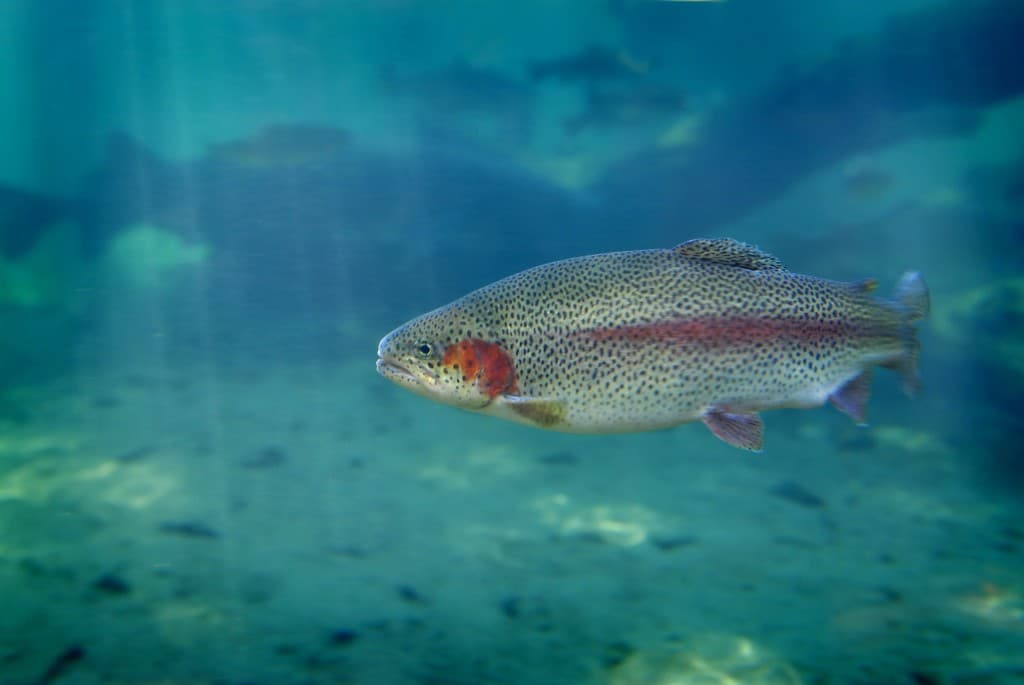
Montana Fishing 2026: Licenses, Blue-Ribbon Trout, and Prairie Reservoirs
Montana fishing 2026—license details, official FWP regulations, blue-ribbon trout rules, river closures, AIS checks, and reservoir planning.
2026 seasons & limits
Verify rules with Montana fish & wildlife
- Confirm open seasons, daily bag, and possession limits for each species and water you fish.
- Check length and slot rules—many lakes, rivers, and bays have special tables beyond statewide defaults.
- Review 2026 summaries and any emergency orders (closures, health notices, gear rules) before you go.
The Inside Spread orients you for trip planning only. Conservation officers enforce the official published regulations—not articles or forum posts.
Need a Montana fishing license, the current regulations booklet, or a closure notice before you go? Start with Montana Fish, Wildlife & Parks and treat geography as part of the rulebook. FWP is where you verify licenses, district regulations, seasonal closures, aquatic invasive species requirements, and access details before you turn a blue-ribbon dream trip into an expensive guessing game.
That matters in Montana because legality and access are tied tightly to the map. The Madison, Missouri, Yellowstone, Bighorn, and Gallatin do not fish as one uniform block of water; flows, local rules, and launch logistics all change by reach. Montana’s stream-access culture creates real opportunity, but it does not erase private-land issues, tribal boundaries, or the need to understand exactly how you are getting to the water. If you bring a boat across state lines, the AIS side of planning matters even more because Montana requires incoming watercraft inspections before launch.
The smartest way to build a Montana trip is to sort it into one of three buckets before choosing specific spots: blue-ribbon trout water, mountain and forest water, or prairie reservoirs and big-water fisheries. Once you know which Montana you are fishing, the license, closure, access, and tackle decisions get much simpler.
- Start with the current FWP regulations booklet and region-specific notices before locking in dates.
- Treat “blue-ribbon” as a useful reputation marker, not as a substitute for district rules and current conditions.
- If you bring watercraft into Montana, plan for inspection stops before launch and review AIS prevention pass requirements for non-resident boats.
- Federal land and public bridge access create real opportunity, but they do not erase private-land or tribal-boundary considerations.
2026 Seasons, Limits, and Rule Changes
This article is not the law. Your state's fish and wildlife agency publishes the official rules—online digests, mobile apps, and emergency notices—and those sources control what you can keep, when you can fish, and where.
Montana manages freshwater fisheries only—rivers, reservoirs, lakes, and streams. Named waters often carry special regulations beyond statewide defaults; border waters and interstate coordination may apply on shared rivers. Always match the species, water body, and date you plan to fish to the correct table.
What to verify before every trip
- Seasons and closures for each species you target (game fish, panfish, trout, salmon, and steelhead where present)
- Daily and possession limits (creel limits) and whether aggregate caps apply across similar species
- Minimum and maximum length and slot limits, plus how length is measured (total length vs. fork length)
- Gear restrictions (bait, hooks, tackle) where they apply
- Special rules for WMAs, community fishing waters, trophy waters, and border waters
2026 updates and mid-season changes
Agencies publish annual summaries and sometimes emergency orders (water quality, fish health, stock changes, or temporary closures). Before you plan 2026 trips:
- open the current regulations for the license year that covers your dates
- check your agency's news or rule change page for new limits, stamps, or reporting rules
- read invasive species and bait movement notices if you move boats or gear between waters
If a forum or social post disagrees with the agency PDF, trust the agency and walk away from edge cases.
Popular species: what to look up in the digest
Use the index or online tools to find limits for the fish you actually plan to catch—black bass (largemouth, smallmouth, spotted), panfish (crappie, bluegill, perch, sunfish), catfish, trout and salmon (including steelhead where present), walleye and sauger, muskies and pike, and other species listed for your water in the official guide. Do not keep fish until you match the species to the exact rule line for that water body and date.
| Topic | Verify in the official digest |
|---|---|
| Daily bag | Per-day harvest limit per species or aggregate groups |
| Possession | Fish you may have in camp, cooler, or vehicle combined |
| Length / slot | Minimum, maximum, or protected length bands |
| Season | Opening and closing dates, catch-and-release-only windows, closures |
Montana official source: Montana Fish, Wildlife & Parks — Fishing
Species-specific guides (2026)
Deeper dives on Montana’s top game fish—history, where they live, 2026 regulations, and how to fish for them:
What Montana Fishing License Do I Need?
Most Montana anglers begin with the same basic question: what license package do I need, and where do I buy it? FWP handles that through its license system and current regulations, and the exact combination can depend on residency, trip length, and the kind of fishing you are planning. For many visitors, the big practical lesson is that “license” is only half of the compliance story. If you are towing a boat, launching a raft, or bringing any other watercraft from outside Montana, invasive-species rules become just as important as the fishing license itself.
That is especially true for travelers who are used to treating launch days casually. Montana does not. FWP’s aquatic invasive species program requires all watercraft entering the state to be inspected before launch, and non-resident watercraft launching in Montana must review the current AIS prevention pass requirements. If your route crosses the border late, or if you are headed into a remote corner of the state, you want to know where your inspection stop will happen before you pull out of the driveway. A good Montana plan is the one that solves paperwork and inspection logistics at home instead of on the shoulder of a highway.
If you are fishing without a boat, the planning still matters. Montana is a state where a fly angler, spin angler, bank angler, and float angler may all share the same river system while facing very different practical constraints. A walk-and-wade trip near a public bridge is not the same as a multi-access float, and a mountain-lake road trip is not the same as a prairie-reservoir campaign. FWP resources are most useful when you read them with your exact trip type in mind.
Where Are Montana’s Blue-Ribbon Trout Waters?
Montana’s blue-ribbon reputation rests on more than a few famous river names. It comes from a statewide pattern of coldwater habitat, strong trout culture, and enough public access infrastructure to let visiting anglers actually use the resource. The Madison, Missouri, and Bighorn are the names that travel furthest outside the state, and they deserve it. Each offers a different version of the Montana trout experience: famous runs, guide traffic, seasonal crowding, and a mix of float and wade opportunities that can reward a skilled DIY angler or punish a poorly timed one.
But the bigger lesson is that Montana’s blue-ribbon identity extends well beyond a single hit list. Rivers such as the Yellowstone, Gallatin, Big Hole, Beaverhead, and parts of the Flathead basin all contribute to the state’s trout image, and many smaller streams and tributaries can offer excellent fishing when runoff, weather, and access line up. The common mistake is assuming that the most famous water is always the best option. In Montana, the “best” river on paper may be the wrong river for your timing. High flows, smoky conditions, heavy guide traffic, summer heat, or simple wind can shift the value of a plan fast.
That is why many experienced Montana anglers build around river type rather than river fame. Tailwaters and larger, regulated systems can offer more stability in the windows when freestones are high or dirty. Freestones reward anglers who time runoff correctly and can adapt to changing flows. Some stretches are ideal for boats, others for wading, and some are best enjoyed by moving often instead of forcing one access point all day. Blue-ribbon water is real, but Montana rarely gives it away without a little homework.
Mountain Lakes, Forest Water, and Federal Land Access
For anglers who do not want every day built around a famous river, Montana’s mountain country is a different kind of gift. National Forest lands, trail-access lakes, and smaller streams create a huge amount of fishable water, especially once snowpack and road access stop dictating every move. This is where the federal land side of Montana really matters. Forest Service roads, trailheads, campgrounds, river access points, and lake launches often turn a map full of blue lines into a workable DIY trip.
Still, “federal land access” in Montana should be understood as a planning advantage, not as a blanket permission slip. Public land can sit next to private ranch country. Roads can close seasonally or degrade after storms. Wilderness-adjacent water may demand more hiking than first-time visitors expect. Boat launches and river access sites can be public while surrounding land is not. In other words, the access is often excellent, but it still favors anglers who read the map closely and respect boundaries.
Montana’s forest and public-land waters also broaden the species conversation. Many anglers come for trout and should. But lake trout, cutthroat, grayling, and other coldwater opportunities can all become part of a mountain-focused trip depending on region and regulations. A few days in National Forest country can also be a smart backup if you arrive during rough river conditions. When big-name rivers are high, crowded, or simply not fishing to expectation, smaller lakes and less celebrated waters sometimes save the trip.
Prairie Reservoirs, Fort Peck, and Big-Water Montana
Montana is not only a trout state, and the eastern half of the map proves it. Prairie reservoirs and big stillwaters create a different but equally serious fishing culture. Fort Peck is the giant in the room, with its size, remoteness, and reputation for walleye and northern pike. But the larger point is that Montana has reservoir fishing that rewards patience, route planning, weather awareness, and a willingness to think in miles rather than pools or riffles.
For many anglers, these waters are the most underrated part of a Montana trip. They can fish big, they can punish a sloppy weather forecast, and they can produce memorable catches without the social pressure that comes with standing shoulder to shoulder on a famous trout run. Reservoir culture here is often more about launch timing, wind management, electronics, depth changes, and safe travel than about matching a hatch. That shift is valuable for mixed groups because it lets one state support both trout-focused travelers and anglers who would rather chase walleye, pike, or multi-species action.
These trips also underline why access planning matters. Prairie reservoirs can feel open and simple on the map, but long drives, remote ramps, and limited services change the margin for error. The more remote the destination, the more important it becomes to know the launch condition, the weather window, your fuel range, and the nearest current agency guidance before leaving cell service behind.
AIS, Mussel Inspection, and Why Montana Treats Watercraft Seriously
Montana’s invasive-species stance is one of the clearest planning issues in the entire guide. According to FWP’s “Bringing Watercraft Into Montana” guidance, all watercraft entering the state must be inspected for aquatic invasive species before launching on Montana waters. Boats with ballast or bladder systems must be decontaminated before launch. Non-resident watercraft launching in Montana also need to review the current Vessel AIS Prevention Pass requirements. That is not optional fine print. It is the kind of rule that can derail the first day of a trip if you ignore it.
For anglers, the lesson is simple: build inspection into the route, not into the excuse list. Stop at open stations, know whether your destination requires a detour to become compliant, and treat wet gear the same way you treat the boat itself. Remove vegetation, drain water, and do not transport the kind of mess that moves invasive species from one system to another. Montana’s reputation for clean water depends on anglers acting like guests who want to keep it that way.
Even if you are not towing a bass boat, the same mindset matters. Drift boats, rafts, fishing kayaks, and even smaller craft count. So do trailers, anchors, bilges, and storage compartments. If your Montana trip is really a multi-state road trip, invasive-species planning may be the single most important difference between a smooth border crossing and a stressful start.
Stream Access, Private Land, and How to Stay Legal
Montana’s Stream Access Law is one of the biggest reasons the state looms so large in western fishing culture. In broad terms, it gives the public meaningful use of many rivers and streams up to the ordinary high-water mark, but it does not give anglers permission to cross private land however they want. That distinction is where many travel plans succeed or fail.
In practice, smart anglers use recognized fishing access sites, public bridges, county rights-of-way where allowed, and clearly lawful entry points. They do not assume that a river visible from the road is automatically reachable from any shoulder. They do not use stream access language to excuse walking across posted private ground. And they do not forget that Montana also includes tribal lands and reservation boundaries where different rules or permits may apply. The state offers real public opportunity, but it still expects anglers to know where they are standing.
This matters on both famous and obscure water. On marquee trout rivers, staying legal keeps the day from turning into a confrontation. On quieter rivers, it can be the difference between finding solitude and discovering too late that the only easy access was not public after all. If you are unsure, the best move is to choose a documented access site and fish confidently from there instead of gambling on an interpretation in the field.
Timing a Montana Fishing Trip in 2026
Montana rewards timing almost as much as it rewards skill. Spring and fall can be excellent on larger rivers when temperatures, crowds, and fish behavior line up. Early summer can be terrific or frustrating depending on runoff. High water pushes many anglers toward tailwaters, lakes, or different regions altogether. Mid to late summer opens more mountain water and lake access, but it can also mean heavier pressure on famous rivers and more heat-related planning on some fisheries. Fall often brings the kind of conditions that make Montana feel balanced again: fewer crowds, fishable flows, and long windows for both river and stillwater anglers.
The right schedule depends on your target water. If you want iconic river trout, you should care deeply about runoff and flow stability. If you want mountain lakes, road and trail access may matter more than hatches. If you want prairie reservoirs, weather and wind can be more important than almost anything else. Montana gives you options, but it asks you to respect the season that each option actually needs.
Plan Your Montana Fishing Trip
Use our Montana outdoors guide with the Montana fishing hub. More: fishing articles.
The best Montana fishing trip is usually the one with a primary plan and a credible backup. Pick the water type that matches your goals, confirm the current FWP regulations, solve access and AIS questions before you drive, and stay flexible enough to change rivers or shift to stillwater if conditions tell you to. That approach is less romantic than saying “I’m just going to fish Montana,” but it is a lot more likely to put you on legal, fishable water.
Frequently Asked Questions
Do I need a Montana fishing license?
Most anglers need a valid Montana fishing license, and visitors should review the current FWP license package that applies to their trip. If you are bringing a watercraft, do not stop with the fishing license alone; check AIS inspection and pass requirements too.
Where can I find Montana fishing regulations?
Use the official FWP regulations booklet and current agency notices for district rules, closures, and water-specific exceptions. Montana’s river conditions and access details can also change how practical a plan is, even when the season is open.
What are Montana’s famous fisheries?
The Madison, Missouri, and Bighorn are among the best-known blue-ribbon trout fisheries in the state, while Fort Peck and other prairie reservoirs anchor Montana’s big-water reputation for walleye, pike, and multi-species angling.
What does Montana mean by blue-ribbon trout water?
Blue-ribbon is a reputation marker for exceptional trout fishing, habitat, and angling quality. It is useful shorthand, but it should still send you back to the current FWP rules and local conditions before you commit a day to one stretch.
Do out-of-state anglers need mussel inspection in Montana?
Yes. FWP requires watercraft entering Montana to be inspected before launch, and some boats need decontamination. Non-resident watercraft anglers should also review whether their vessel needs the current AIS prevention pass before launching.
Can I fish from public access sites in Montana?
Often yes, and public fishing access is one of the state’s strengths. But you still need to respect private land, tribal boundaries, and the details of stream access law at bridges, rights-of-way, and launches so that a legal access point stays legal all day.
Sources
- Montana Fish, Wildlife & Parks. "2025-2026 Fishing Regulations." FWP, fwp.mt.gov/binaries/content/assets/fwp/fish/regulations/2025_2026-fishing-regulations-final-for-web.pdf. Accessed 14 Apr. 2026.
- Montana Fish, Wildlife & Parks. "Stream Access in Montana." FWP, fwp.mt.gov/fish/stream-access. Accessed 14 Apr. 2026.
- Montana Fish, Wildlife & Parks. "Bringing Watercraft Into Montana." FWP, fwp.mt.gov/conservation/aquatic-invasive-species/out-of-state-watercraft. Accessed 14 Apr. 2026.
- Bureau of Land Management. "Hunting and Fishing." BLM, blm.gov/programs/recreation/recreation-activities/hunting-fishing. Accessed 14 Apr. 2026.
- USDA Forest Service. "Flathead National Forest | Fishing." Forest Service, fs.usda.gov/r01/flathead/recreation/opportunities/fishing. Accessed 14 Apr. 2026.
Official state agency
Montana Fish, Wildlife & Parks — FishingVerify season openings, daily bag, possession, and length or slot rules for each water and species you target—plus any 2026 rule changes or emergency orders—before you fish.
Written by
The Inside Spread Team
The Inside Spread team covers fishing regulations and access across all 50 states. We tie every guide to official agency sources so you can verify seasons, bag limits, and license rules before you launch.
Comments
No comments yet. Be the first to share your thoughts.
More in state-guides
Arkansas Duck Hunting 2026: Season Dates, WMA Permits, License Costs & Complete Guide
Arkansas duck hunting 2026-27—three-segment season dates, nonresident WMA waterfowl permits, Black River and Bayou Meto access changes, and Delta license costs.
Georgia Whitetail Deer Hunting 2026: Season Dates, Extended Counties, License Costs & Nonresident Guide
Georgia whitetail deer hunting 2026-27—archery, primitive weapons, and firearms dates, 29-county extended archery, 12-deer bag, Game Check, and the nonresident guide.
Kentucky Whitetail Deer Hunting 2026: Season Dates, Zone Changes, License Costs & Nonresident Guide
Kentucky whitetail deer hunting 2026-27—archery, crossbow, and modern gun dates, the 2026 zone map, license and deer permit costs, Telecheck, and the nonresident guide.
Michigan Whitetail Deer Hunting 2026: Season Dates, License Costs, UP vs LP & Nonresident Guide
Michigan whitetail deer hunting 2026—archery, firearm, and three-day December dates, DNR license fees, Upper vs Lower Peninsula rules, baiting, and the nonresident guide.