
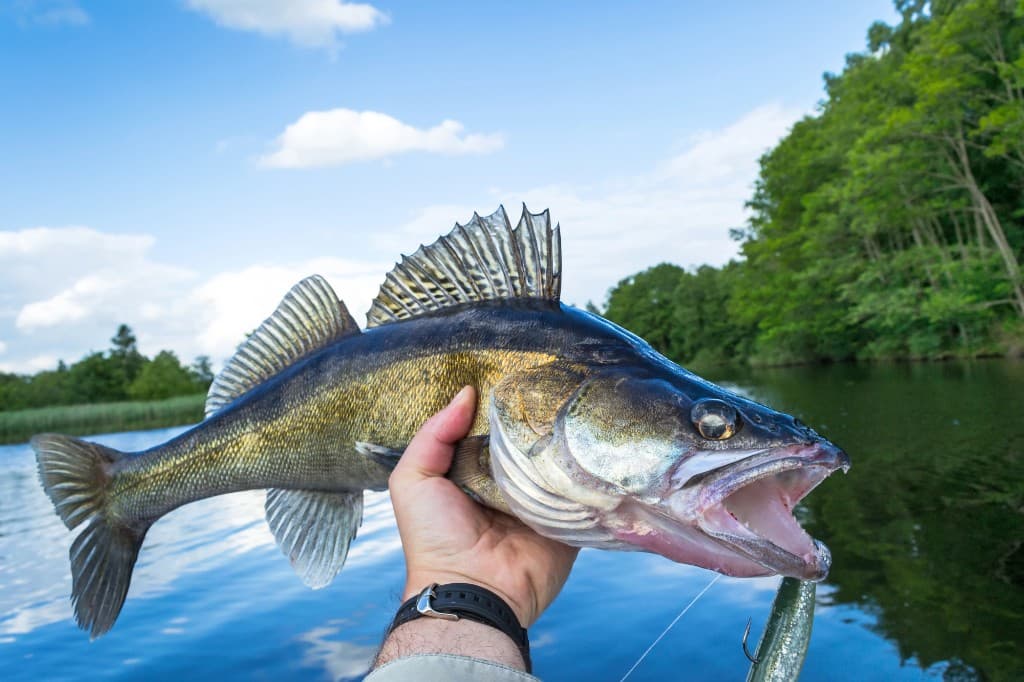
Nebraska fishing 2026—permit options, official Game and Parks regulations, Sandhills lake planning, reservoir rules, and Missouri River border checks.
2026 seasons & limits
Verify rules with Nebraska fish & wildlife
- Confirm open seasons, daily bag, and possession limits for each species and water you fish.
- Check length and slot rules—many lakes, rivers, and bays have special tables beyond statewide defaults.
- Review 2026 summaries and any emergency orders (closures, health notices, gear rules) before you go.
The Inside Spread orients you for trip planning only. Conservation officers enforce the official published regulations—not articles or forum posts.
Need a Nebraska fishing permit, the current Fishing Guide, or the right border-water rule before your trip? Start with Outdoor Nebraska Fishing and decide whether you are planning a western reservoir, Sandhills lake, Platte system, or Missouri River outing. That first choice usually tells you which access notes and special rules matter.
Nebraska is better understood as corridors than as one statewide pattern. Lake McConaughy, Merritt, Calamus, the Sandhills, urban waters, and the Missouri River do not fish or regulate the same way. If you define the corridor first, the permit, species, access, and border-water questions become much easier to answer.
2026 Seasons, Limits, and Rule Changes
This article is not the law. Your state's fish and wildlife agency publishes the official rules—online digests, mobile apps, and emergency notices—and those sources control what you can keep, when you can fish, and where.
Nebraska manages freshwater fisheries only—rivers, reservoirs, lakes, and streams. Named waters often carry special regulations beyond statewide defaults; border waters and interstate coordination may apply on shared rivers. Always match the species, water body, and date you plan to fish to the correct table.
What to verify before every trip
- Seasons and closures for each species you target (game fish, panfish, trout, salmon, and steelhead where present)
- Daily and possession limits (creel limits) and whether aggregate caps apply across similar species
- Minimum and maximum length and slot limits, plus how length is measured (total length vs. fork length)
- Gear restrictions (bait, hooks, tackle) where they apply
- Special rules for WMAs, community fishing waters, trophy waters, and border waters
2026 updates and mid-season changes
Agencies publish annual summaries and sometimes emergency orders (water quality, fish health, stock changes, or temporary closures). Before you plan 2026 trips:
- open the current regulations for the license year that covers your dates
- check your agency's news or rule change page for new limits, stamps, or reporting rules
- read invasive species and bait movement notices if you move boats or gear between waters
If a forum or social post disagrees with the agency PDF, trust the agency and walk away from edge cases.
Popular species: what to look up in the digest
Use the index or online tools to find limits for the fish you actually plan to catch—black bass (largemouth, smallmouth, spotted), panfish (crappie, bluegill, perch, sunfish), catfish, trout and salmon (including steelhead where present), walleye and sauger, muskies and pike, and other species listed for your water in the official guide. Do not keep fish until you match the species to the exact rule line for that water body and date.
| Topic | Verify in the official digest |
|---|---|
| Daily bag | Per-day harvest limit per species or aggregate groups |
| Possession | Fish you may have in camp, cooler, or vehicle combined |
| Length / slot | Minimum, maximum, or protected length bands |
| Season | Opening and closing dates, catch-and-release-only windows, closures |
Nebraska official source: Nebraska Game and Parks Commission — Fishing
What Nebraska Fishing Permit Do I Need?
Most anglers need a valid Nebraska fishing permit unless an exemption applies, and Outdoor Nebraska permit sales remain the simplest place to confirm current options. Residents and nonresidents can usually choose from different durations, and some special opportunities may require more than just a standard fishing permit. Paddlefish seasons, for example, are a perfect reminder that Nebraska fishing rules are not always one-size-fits-all. If a trip centers on a narrow seasonal opportunity, read that section separately instead of assuming the main permit page covers everything.
Nebraska also deserves extra attention from boaters because launch rules, invasive species expectations, and local notices can matter as much as the permit itself. Many anglers towing into the state for the first time are surprised by how much range they will cover between towns, ramps, and bait stops. Handle permits and paperwork before you leave home so that your first morning is spent checking wind and water instead of hunting for service at a rural launch.
The practical way to think about Nebraska licensing is this: buy the correct permit, then verify the exact fishery. Border waters, trout waters, paddlefish regulations, and some special management areas may all have extra language. Nebraska is straightforward if you respect that second step.
What Nebraska Waters Are Best for Walleye and Catfish?
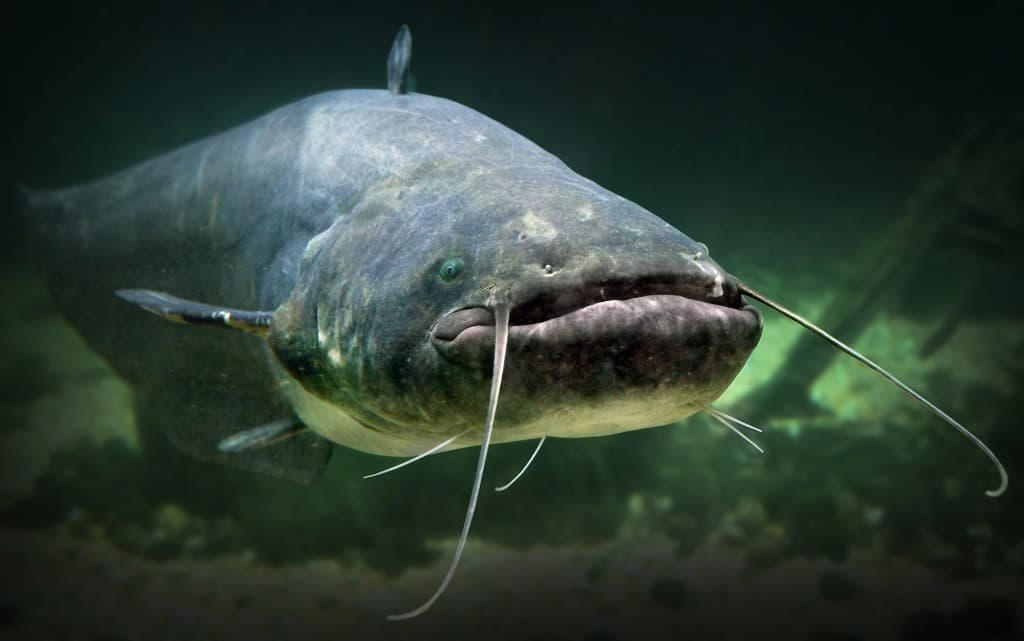
Lake McConaughy sits at the top of many Nebraska wish lists because it gives anglers room, forage, and genuine destination scale. It is famous for walleye and white bass, and at times it also supports excellent mixed action for anglers willing to chase changing bait. The challenge is that McConaughy is not a casual pond with easy read-it-in-an-hour patterns. Wind, water level, main-lake exposure, and long distances all force anglers to stay disciplined. If you are new to the lake, success often comes from simplifying your first trip rather than trying to learn the entire reservoir in one weekend.
Calamus Reservoir is a more forgiving option for anglers who still want a classic Nebraska reservoir experience. It is a valuable trip anchor because it can offer walleye, panfish, and family-friendly access in a package that feels less overwhelming than McConaughy. Merritt Reservoir carries a similar appeal, especially for anglers who like the Sandhills setting and the possibility of pike mixed into the trip. Both waters reward boaters who plan around weather and are willing to fish early and late when recreational pressure and surface chop are lower.
Harlan County Reservoir belongs on the list too, especially for south-central Nebraska trip planning. It gives anglers another big-water option with reservoir-style patterns and a realistic chance to target multiple species in one outing. Depending on season, it can fit walleye-focused anglers, white bass seekers, and those looking for a more traditional Great Plains impoundment with enough scale to keep you exploring for several days.
Catfish anglers naturally gravitate toward the Missouri and Platte systems, but the right river choice depends on how you want to fish. If you want heavy current, border-water complexity, and the chance to fish around larger river structure, the Missouri becomes the headline. If you prefer more central access and a range of spots closer to population centers, parts of the Platte corridor can be practical and productive. River fishing in Nebraska is less about checking a famous name off a list and more about matching current conditions to your preferred style.
- Lake McConaughy: premier big-water destination for walleye, white bass, and open-water planning.
- Calamus Reservoir: strong all-around reservoir for walleye, panfish, and approachable multi-day trips.
- Merritt Reservoir: Sandhills destination with walleye, pike, scenery, and roomy water.
- Harlan County Reservoir: south-central big water with solid reservoir structure and travel value.
- Missouri River: catfish, sauger, paddlefish-season interest, and serious current-driven fishing.
Sandhills Lakes and Why They Matter
The Sandhills are one of Nebraska's signature fishing identities because they offer a very different experience from the state's large impoundments. These lakes are often defined by remoteness, natural beauty, and a feeling that you are fishing the landscape as much as the fish. Some hold pike, some are known for panfish or bass, and others fit a more niche pattern that only regular local anglers fully exploit. The key point is that Sandhills lakes vary much more than many visitors expect. You should never assume one fishery will resemble the next just because both sit inside the same broad region.
Access planning becomes more important in the Sandhills than it is on better-known reservoirs. Distances are longer, some lakes have fewer amenities, and weather can change your comfort level quickly. That does not make the region difficult in a negative sense; it just means that Nebraska rewards prepared travelers. Top off fuel before turning off a major corridor. Download maps ahead of time. Bring a cooler with enough water and food that a long day on a remote lake stays enjoyable rather than stressful.
If you enjoy flexible, exploratory trips, the Sandhills can be Nebraska's best answer. They fit anglers who are comfortable abandoning a low-activity plan and driving an extra hour for a new launch. They also suit mixed groups where one person wants fish and another mostly wants scenery and quiet. Very few states let you combine that kind of open-space travel with genuinely credible warmwater and coolwater fishing in the same week.
Missouri River, Platte System, and Moving-Water Strategy
Nebraska's Missouri River opportunities are a major draw because they mix border-water complexity with true big-river species. Catfish anchor many trips, but paddlefish seasons, sauger interest, and seasonal migrations all keep the river relevant for anglers who like current-oriented fishing. The biggest planning mistake is assuming border water is simple. It is not. You may be fishing an interstate reach where boundaries, reciprocal privileges, and exact access points matter. Review the current Fishing Guide and any border-water notes before you go.
The Platte is different. It is more of a corridor system than a single headline destination, and it tends to reward anglers who already know what kind of access and water level they want. In some stretches the Platte is more about practical local fishing than destination branding, but that does not mean it lacks value. Catfish, warmwater species, and nearby reservoirs can combine into a very efficient central Nebraska fishing trip.
Nebraska moving water also teaches an important lesson about timing. Reservoir anglers often think in terms of classic dawn and dusk windows. River anglers in Nebraska often need to think in terms of flow changes, turbidity after weather, and when boat traffic drops enough to make a presentation easier. If you enjoy reading current seams, outside bends, bridge areas, and eddies, Nebraska absolutely deserves more attention than it usually gets in national fishing conversations.
Trout, Urban Waters, and Family-Friendly Fishing
Nebraska does have trout opportunities, and they matter more than many first-time visitors assume. Trout are not the state's dominant identity, but they are an important planning piece for anglers who want a broader menu than warmwater reservoirs alone. Outdoor Nebraska maintains trout information, stocking notes, and waterbody details that help you figure out whether a quick trout stop makes sense as part of a longer road trip.
Urban and community fisheries matter too. If you are traveling with family, introducing kids to fishing, or simply trying to maximize bites in a short time window, Nebraska's easier-access waters can be as valuable as the giant destination reservoirs. A trip does not have to be an all-day open-water grind to count. In fact, the smartest Nebraska itinerary for many groups is one major destination day paired with one lower-pressure community or small-lake session.
How to Fish Nebraska by Season
Spring is a high-upside season because reservoirs wake up, walleye patterns stabilize, and several species become more accessible. It is one of the better times to visit if you want to sample Nebraska broadly rather than grind one single summer pattern. Water temperatures are moving, bait becomes more meaningful, and anglers who pay attention to warming structure can string together strong days.
Summer turns Nebraska into a planning test. Big reservoirs remain productive, but wind, travel distance, and heat can all wear on a crew that shows up without a schedule. Early starts matter. So do backup plans. If your morning on McConaughy or Harlan blows out, a nearby smaller water may save the day. Catfish anglers often gain the most by embracing evening and night windows when river temperatures, light, and boat traffic line up better.
Fall is outstanding because Nebraska's open-water fisheries often become more comfortable and more predictable. Bait movements, cooler weather, and less recreational traffic can all improve the trip. It is a strong season for first-time visitors because the state becomes easier to fish and easier to enjoy.
Winter opportunities exist, but safe ice and conditions vary by region and year. Do not build a long-distance Nebraska ice plan on assumption alone. Use recent local reports and treat each water individually.
Plan Your Nebraska Fishing Trip
The best Nebraska trip starts by choosing your lane. If you want a true destination reservoir experience, build around Lake McConaughy and add a second reservoir such as Merritt, Calamus, or Harlan depending on your route. If you want a scenic, exploratory trip, commit to the Sandhills and accept that travel time is part of the experience. If your priority is catfish and current, design the schedule around the Missouri or Platte instead of trying to force a reservoir-first plan.
Use our Nebraska outdoors guide with the Nebraska fishing hub for trip planning ideas, then finish with the official state pages for permits, regulations, and water-specific updates. Nebraska usually rewards anglers who stay mobile, keep an eye on the weather, and remain willing to fish a different class of water if conditions point that way.
Frequently Asked Questions
Do I need a Nebraska fishing permit?
Most anglers do need a valid Nebraska fishing permit unless a listed exemption applies. Residents, nonresidents, and short-term visitors should all verify the correct permit type before arriving because remote launches are a poor place to discover paperwork problems.
Where can I find Nebraska fishing regulations?
The official Nebraska Fishing Guide and Outdoor Nebraska fishing pages are the right starting point. Check the guide first, then review any fishery-specific rules that apply to the exact reservoir, river, or border water on your trip.
What are Nebraska's top fisheries?
Lake McConaughy, Merritt Reservoir, Calamus Reservoir, Harlan County Reservoir, the Missouri River, and selected Sandhills lakes are among the state's headline fisheries. Each one fits a different style, so the best answer depends on your species and travel goals.
Can I fish Nebraska's Sandhills lakes?
Yes, and they are one of the state's biggest draws. Access, species mix, and amenities vary widely from lake to lake, so the region rewards anglers who plan routes carefully and stay flexible.
Does Nebraska offer trout fishing?
Yes. Trout are part of the statewide picture, particularly in selected lakes, streams, and managed coldwater opportunities. Because trout waters can carry special rules or stocking-driven timing, confirm current details before leaving home.
Are border rivers managed differently?
Often, yes. Interstate waters may involve reciprocal privileges, location-specific rules, or special boundaries. That is why Nebraska anglers should read the border-water sections of the official guide rather than relying on general assumptions.
Sources
- Nebraska Game and Parks Commission. "Fishing." Outdoor Nebraska, https://outdoornebraska.gov/fishing/. Accessed 14 Apr. 2026.
- Nebraska Game and Parks Commission. "Buy Permits." Outdoor Nebraska, https://outdoornebraska.gov/buypermits/. Accessed 14 Apr. 2026.
- Nebraska Game and Parks Commission. "Fishing Guide." Outdoor Nebraska, https://outdoornebraska.gov/fishing-guides/. Accessed 14 Apr. 2026.
- Nebraska Game and Parks Commission. "Where to Fish." Outdoor Nebraska, https://outdoornebraska.gov/fishing/where-to-fish/. Accessed 14 Apr. 2026.
- Nebraska Game and Parks Commission. "Trout Fishing." Outdoor Nebraska, https://outdoornebraska.gov/fishing/trout-fishing/. Accessed 14 Apr. 2026.
Official state agency
Nebraska Game and Parks Commission — FishingVerify season openings, daily bag, possession, and length or slot rules for each water and species you target—plus any 2026 rule changes or emergency orders—before you fish.
Written by
The Inside Spread Team
The Inside Spread team covers fishing regulations and access across all 50 states. We tie every guide to official agency sources so you can verify seasons, bag limits, and license rules before you launch.
Comments
No comments yet. Be the first to share your thoughts.
More in state-guides
Arkansas Duck Hunting 2026: Season Dates, WMA Permits, License Costs & Complete Guide
Arkansas duck hunting 2026-27—three-segment season dates, nonresident WMA waterfowl permits, Black River and Bayou Meto access changes, and Delta license costs.
Georgia Whitetail Deer Hunting 2026: Season Dates, Extended Counties, License Costs & Nonresident Guide
Georgia whitetail deer hunting 2026-27—archery, primitive weapons, and firearms dates, 29-county extended archery, 12-deer bag, Game Check, and the nonresident guide.
Kentucky Whitetail Deer Hunting 2026: Season Dates, Zone Changes, License Costs & Nonresident Guide
Kentucky whitetail deer hunting 2026-27—archery, crossbow, and modern gun dates, the 2026 zone map, license and deer permit costs, Telecheck, and the nonresident guide.
Michigan Whitetail Deer Hunting 2026: Season Dates, License Costs, UP vs LP & Nonresident Guide
Michigan whitetail deer hunting 2026—archery, firearm, and three-day December dates, DNR license fees, Upper vs Lower Peninsula rules, baiting, and the nonresident guide.