
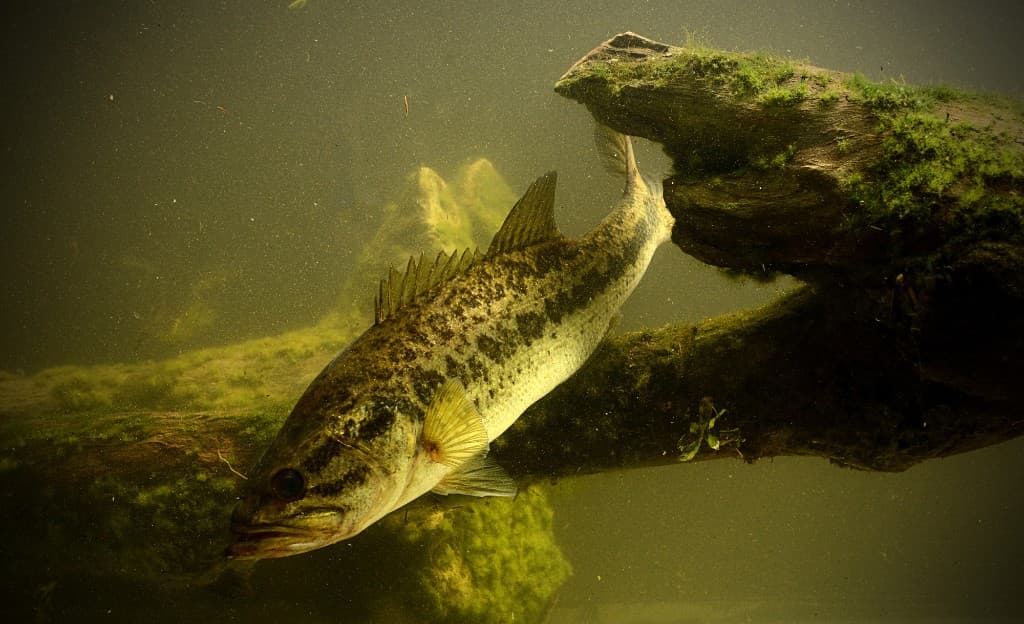
Nevada Fishing 2026: Licenses, Desert Reservoirs, and High-Country Trout
Nevada fishing 2026—license options, official NDOW regulations, Colorado River border-water checks, tribal-permit notes, and quagga inspection rules.
2026 seasons & limits
Verify rules with Nevada fish & wildlife
- Confirm open seasons, daily bag, and possession limits for each species and water you fish.
- Check length and slot rules—many lakes, rivers, and bays have special tables beyond statewide defaults.
- Review 2026 summaries and any emergency orders (closures, health notices, gear rules) before you go.
The Inside Spread orients you for trip planning only. Conservation officers enforce the official published regulations—not articles or forum posts.
Need a Nevada fishing license, the current NDOW regulations, or the right Colorado River or Pyramid Lake guidance before your trip? Start with Nevada Department of Wildlife — Fishing and identify whether you are fishing a desert reservoir, Colorado River border water, mountain trout water, or tribal water. That first decision tells you which permits, inspections, and rulebooks matter.
Nevada is a story of extremes: Lake Mead and Mohave do not plan like eastern Sierra trout streams, and neither works like Pyramid Lake. Interstate waters, tribal permits, quagga-mussel checks, and desert safety all become easier to manage once you define the exact fishery first instead of treating the state as one uniform map.
2026 Seasons, Limits, and Rule Changes
This article is not the law. Your state's fish and wildlife agency publishes the official rules—online digests, mobile apps, and emergency notices—and those sources control what you can keep, when you can fish, and where.
Nevada manages freshwater fisheries only—rivers, reservoirs, lakes, and streams. Named waters often carry special regulations beyond statewide defaults; border waters and interstate coordination may apply on shared rivers. Always match the species, water body, and date you plan to fish to the correct table.
What to verify before every trip
- Seasons and closures for each species you target (game fish, panfish, trout, salmon, and steelhead where present)
- Daily and possession limits (creel limits) and whether aggregate caps apply across similar species
- Minimum and maximum length and slot limits, plus how length is measured (total length vs. fork length)
- Gear restrictions (bait, hooks, tackle) where they apply
- Special rules for WMAs, community fishing waters, trophy waters, and border waters
2026 updates and mid-season changes
Agencies publish annual summaries and sometimes emergency orders (water quality, fish health, stock changes, or temporary closures). Before you plan 2026 trips:
- open the current regulations for the license year that covers your dates
- check your agency's news or rule change page for new limits, stamps, or reporting rules
- read invasive species and bait movement notices if you move boats or gear between waters
If a forum or social post disagrees with the agency PDF, trust the agency and walk away from edge cases.
Popular species: what to look up in the digest
Use the index or online tools to find limits for the fish you actually plan to catch—black bass (largemouth, smallmouth, spotted), panfish (crappie, bluegill, perch, sunfish), catfish, trout and salmon (including steelhead where present), walleye and sauger, muskies and pike, and other species listed for your water in the official guide. Do not keep fish until you match the species to the exact rule line for that water body and date.
| Topic | Verify in the official digest |
|---|---|
| Daily bag | Per-day harvest limit per species or aggregate groups |
| Possession | Fish you may have in camp, cooler, or vehicle combined |
| Length / slot | Minimum, maximum, or protected length bands |
| Season | Opening and closing dates, catch-and-release-only windows, closures |
Nevada official source: Nevada Department of Wildlife — Fishing
What Nevada Fishing License Do I Need?
Most anglers 12 and older need a valid Nevada fishing license unless a current exemption applies. NDOW directs anglers to official purchase pathways and license agents. Short-term licenses can make sense for visitors focused on a long weekend, while residents often choose annual licenses if they fish and hunt across the year. Combined hunt-fish packages may appeal to multi-sport outdoors people; verify current offerings and savings against your real calendar rather than assumptions.
Interstate waters are where Nevada planning becomes genuinely strategic. The Colorado River system and shared reservoirs can place you near boundaries where another state’s license may be required depending on where you stand in the water, where you launch, and what the current reciprocal guidance says. The safe approach is to research both states’ official materials for the exact water and season, then carry what you need before you leave the hotel. “I did not know” is a poor companion when a conservation officer is doing their job protecting shared fisheries.
Lake Mead, Lake Mohave, and Desert Reservoir Realities
Lake Mead and Lake Mohave are signature southern Nevada fisheries where striped bass and largemouth bass often dominate conversation. These waters are large enough to feel like inland seas, and they fish like it: wind, boat traffic, and changing water levels can alter patterns quickly. Quagga mussel concerns mean inspections and boater education are part of modern access. Arrive early at busy ramps, especially on holidays, and treat inspection stations as non-negotiable steps in the day.
Striped bass anglers learn seasonal movements and bait patterns, but they also learn respect for slot limits and harvest rules designed to keep fisheries stable under heavy pressure. Catfish opportunities exist in many warm-water settings, and panfish can entertain families when predators are slow. Whatever you chase, identify fish confidently before ice goes into the cooler.
Eastern Sierra Trout Streams and High-Elevation Stillwaters
On the opposite side of the state’s personality, eastern basin streams and high-country lakes offer trout fishing that can feel worlds away from Las Vegas lights. Wild trout waters may require careful handling and release practices. Seasonal closures can protect spawning fish in sensitive reaches. Snowpack and runoff change access roads and wading safety from month to month. If you hike for alpine lakes, prepare for weather shifts and navigation challenges; Nevada’s mountains are not gentle just because the desert below is hot.
Lahontan Cutthroat Trout and Heritage-Style Management
Lahontan cutthroat trout recovery and heritage fisheries are part of Nevada’s conservation story. Some waters emphasize catch-and-release or special gear rules to protect unique strains. Read NDOW’s special regulation sections carefully; these fisheries reward anglers who enjoy process as much as harvest. Photography, careful netting, and quick release can make the day memorable without risking fish you are not supposed to keep.
Urban Community Ponds and Family-Friendly Access
NDOW and partners stock community ponds that help families and new anglers find success close to town. These fisheries often have simplified expectations and can be ideal for teaching knots, casting, and fish handling. Even here, read posted rules and teach ethical harvest early. A child’s first fish story should include respect for limits and habitat, not just excitement.
Seasonal Patterns: Heat, Wind, and Winter Cold in the Desert
Summer desert fishing demands early starts and realistic midday breaks. Wind can make boating unpleasant or dangerous even when the sky looks clear. Winter cold fronts can change reservoir behavior and access conditions in southern waters while mountain roads become icy in the east. Flexibility separates enjoyable trips from miserable ones.
Night fishing can be productive on warm reservoirs when regulations allow and when you can navigate safely; carry proper lighting, watch for unmarked hazards, and avoid alcohol when operating a boat. During monsoon season, afternoon lightning can develop quickly over ridges even when Las Vegas still looks sunny. If thunder is within counting distance, get off the water and away from exposed metal until the storm passes.
Eastern slope anglers should remember that “spring” arrives later at elevation. A warm week in the low desert does not guarantee ice-free roads or comfortable wading in mountain streams. Check forest road status, snow depth, and seasonal closures before committing to a long drive. The payoff for patience is often solitude and willing trout in cold, clear water.
Invasive Species, Inspections, and Clean-Drain-Dry
Quagga mussels are central to Nevada’s invasive species messaging for good reason. Boaters should expect inspections at major waters, educational contacts, and strict expectations about moving water and vegetation. Anglers without boats still move invasive risk through waders, float tubes, and bait buckets. Clean gear thoroughly and never transport water between watersheds unless doing so is explicitly lawful for your situation.
Safety: Heat Illness, Lightning, and Cold-Water Wading
Desert heat can overwhelm visitors who are not accustomed to dry air dehydration. Lightning can develop quickly during monsoon season around southern ranges. In eastern streams, slippery rocks and fast water create fall risks. Wear appropriate footwear, use wading staff when needed, and avoid alcohol when boating or wading in hazardous conditions.
Where Are Nevada’s Best Trout and Warm-Water Fisheries?
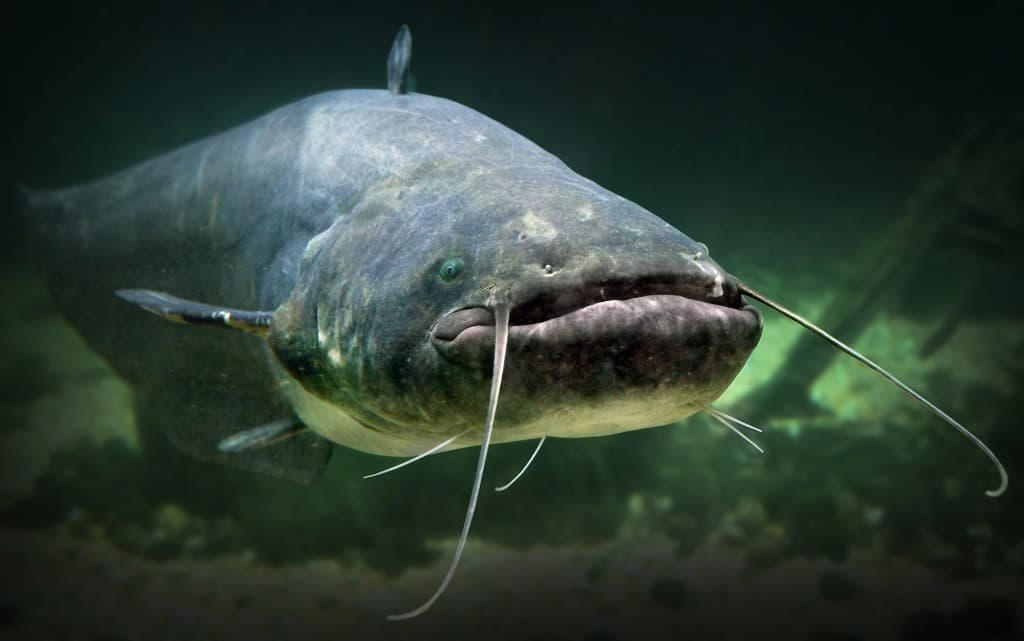
Nevada’s trout highlights include eastern Sierra drainages, high-country lakes, and carefully managed heritage waters where Lahontan cutthroat traditions matter. Warm-water strengths cluster around southern reservoirs and Colorado River reaches where striped bass, largemouth bass, and catfish fisheries attract local and traveling anglers. Community ponds round out the map for accessible, family-oriented fishing in urban centers.
If you want one memorable week, consider splitting time: a desert reservoir day for power boating and warm-water tactics, then an eastern slope day for trout with lighter tackle and quieter water. The contrast is Nevada’s signature experience.
Plan Your Nevada Fishing Trip
Build a trip folder that separates tribal waters, interstate waters, and standard NDOW waters. Confirm ramp fees and federal recreation passes where required. Pack for sun and wind, build inspection time into launch plans, and keep NDOW pages saved offline when you head into remote areas.
If you are road-tripping from the Pacific Northwest or California, remember that fuel and service intervals stretch longer in Nevada’s open basins. Carry extra drinking water, a basic tool kit, and a paper map when mountain passes or desert highways take you beyond reliable cell coverage. A fishing trip that ends with a tow bill is still educational, but it rarely improves the fishing story you wanted to tell.
Use our Nevada outdoors guide with the Nevada fishing hub. More: fishing articles.
Frequently Asked Questions
Do I need a Nevada fishing license?
Most anglers 12 and older need a valid Nevada fishing license; short-term and youth licenses are available—check NDOW for exemptions and combined hunt-fish options.
Where can I find Nevada fishing regulations?
Use NDOW fishing pages for the Nevada Fishing Guide, special regulations by water body, and Lahontan cutthroat protections.
What are Nevada’s best-known fisheries?
Lake Mead and Lake Mohave support striped bass and black bass; eastern Sierra drainages offer trout; Pyramid Lake is world-famous for Lahontan cutthroat under tribal management.
Do I need more than one license on the Colorado River?
Interstate waters can require planning for multiple jurisdictions depending on where you fish and launch; verify current Colorado River and shared-lake licensing guidance with NDOW and neighboring agencies before your trip.
Why are quagga mussel inspections emphasized at southern ramps?
Invasive mussels threaten infrastructure and fisheries; many waters use inspections and education to reduce spread—build extra time into launch plans.
How does Pyramid Lake differ from typical NDOW waters?
Pyramid Lake is within the Pyramid Lake Paiute Tribe Reservation and requires tribal permits and tribal rules; research access and regulations separately from general state waters.
Sources
- Nevada Department of Wildlife. "Fishing." NDOW, ndow.org/fish. Accessed 16 Apr. 2026.
- Nevada Department of Wildlife. "Buy and Apply." NDOW, ndow.org/buy-apply. Accessed 16 Apr. 2026.
- National Park Service. "Lake Mead National Recreation Area." NPS, nps.gov/lake. Accessed 16 Apr. 2026.
Official state agency
Nevada Department of Wildlife — FishingVerify season openings, daily bag, possession, and length or slot rules for each water and species you target—plus any 2026 rule changes or emergency orders—before you fish.
Written by
The Inside Spread Team
The Inside Spread team covers fishing regulations and access across all 50 states. We tie every guide to official agency sources so you can verify seasons, bag limits, and license rules before you launch.
Comments
No comments yet. Be the first to share your thoughts.
More in state-guides
Arkansas Duck Hunting 2026: Season Dates, WMA Permits, License Costs & Complete Guide
Arkansas duck hunting 2026-27—three-segment season dates, nonresident WMA waterfowl permits, Black River and Bayou Meto access changes, and Delta license costs.
Georgia Whitetail Deer Hunting 2026: Season Dates, Extended Counties, License Costs & Nonresident Guide
Georgia whitetail deer hunting 2026-27—archery, primitive weapons, and firearms dates, 29-county extended archery, 12-deer bag, Game Check, and the nonresident guide.
Kentucky Whitetail Deer Hunting 2026: Season Dates, Zone Changes, License Costs & Nonresident Guide
Kentucky whitetail deer hunting 2026-27—archery, crossbow, and modern gun dates, the 2026 zone map, license and deer permit costs, Telecheck, and the nonresident guide.
Michigan Whitetail Deer Hunting 2026: Season Dates, License Costs, UP vs LP & Nonresident Guide
Michigan whitetail deer hunting 2026—archery, firearm, and three-day December dates, DNR license fees, Upper vs Lower Peninsula rules, baiting, and the nonresident guide.