
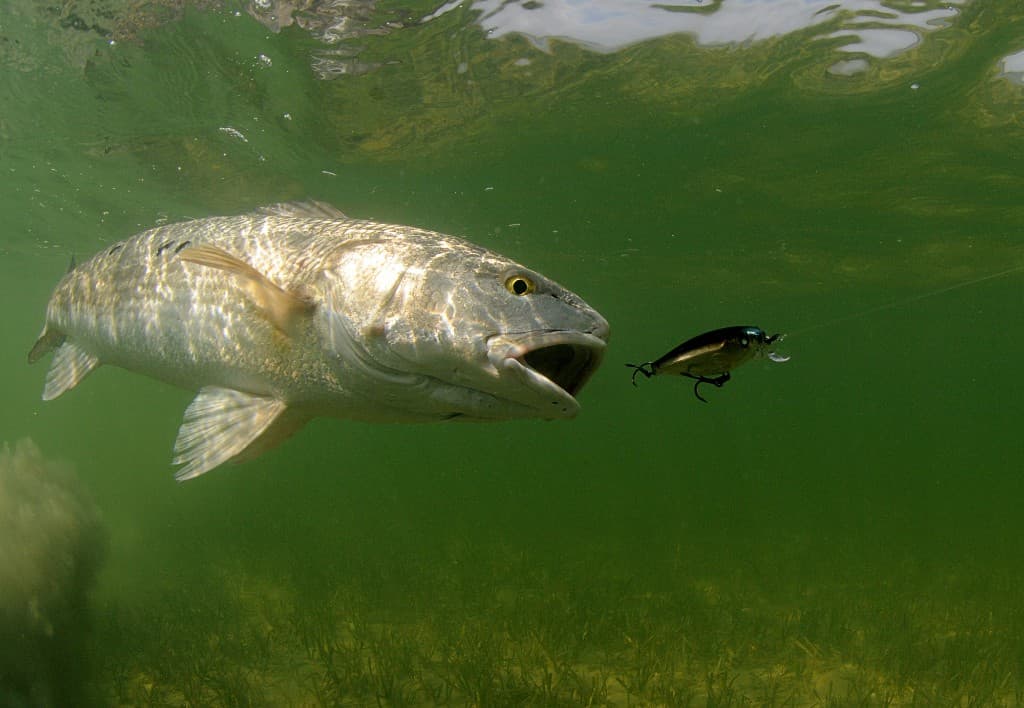
New Jersey fishing 2026—license options, marine registry checks, NJDEP inland and marine regulations, Delaware River planning, and official update links.
2026 seasons & limits
Verify rules with New Jersey fish & wildlife
- Confirm open seasons, daily bag, and possession limits for each species and water you fish.
- Check length and slot rules—many lakes, rivers, and bays have special tables beyond statewide defaults.
- Review 2026 summaries and any emergency orders (closures, health notices, gear rules) before you go.
The Inside Spread orients you for trip planning only. Conservation officers enforce the official published regulations—not articles or forum posts.
Need a New Jersey fishing license, the marine registry rules, or the current freshwater or marine digest before your trip? Start with New Jersey Fish and Wildlife — Fishing and decide whether your day is freshwater, marine/back-bay, or a Delaware River border-water trip. That first split usually clears up most of the paperwork and regulation questions.
New Jersey can feel like three trips in one week: Atlantic surf, back-bay estuaries, and inland lakes or trout water. The Delaware River adds another layer because shared-water rules do not always match purely in-state assumptions. If you define the exact fishery first, the license, registry, and seasonal-rule questions become much easier to solve.
2026 Seasons, Limits, and Rule Changes
This article is not the law. Your state's fish and wildlife agency publishes the official rules—online digests, mobile apps, and emergency notices—and those sources control what you can keep, when you can fish, and where.
New Jersey combines freshwater licensing with marine fisheries management that includes registry requirements for many saltwater anglers; named lakes, rivers, bays, and tidal reaches often carry special regulations beyond statewide defaults; Delaware River border waters add Pennsylvania coordination; Atlantic coast fisheries can include interstate and federal considerations depending on species and location. Always match the species, water body, and date you plan to fish to the correct table.
What to verify before every trip
- Seasons and closures for each species you target (game fish, panfish, trout, salmon, steelhead, or saltwater species)
- Daily and possession limits (creel limits) and whether aggregate caps apply across similar species
- Minimum and maximum length and slot limits, plus how length is measured (total length vs. fork length)
- Gear restrictions (bait, hooks, tackle) where they apply
- Special rules for WMAs, community fishing waters, trophy waters, and border waters
2026 updates and mid-season changes
Agencies publish annual summaries and sometimes emergency orders (water quality, fish health, stock changes, or temporary closures). Before you plan 2026 trips:
- open the current regulations for the license year that covers your dates
- check your agency's news or rule change page for new limits, stamps, or reporting rules
- read invasive species and bait movement notices if you move boats or gear between waters
If a forum or social post disagrees with the agency PDF, trust the agency and walk away from edge cases.
Popular species: what to look up in the digest
Use the index or online tools to find limits for the fish you actually plan to catch—black bass (largemouth, smallmouth, spotted), panfish (crappie, bluegill, perch, sunfish), catfish, trout and salmon (including steelhead where present), walleye and sauger, muskies and pike, and—if your trip includes coastal or estuary water—saltwater species such as red drum, spotted seatrout, snapper, groupers, striped bass, and flounder. Do not keep fish until you match the species to the exact rule line for that water body and date.
| Topic | Verify in the official digest |
|---|---|
| Daily bag | Per-day harvest limit per species or aggregate groups |
| Possession | Fish you may have in camp, cooler, or vehicle combined |
| Length / slot | Minimum, maximum, or protected length bands |
| Season | Opening and closing dates, catch-and-release-only windows, closures |
New Jersey official source: New Jersey Division of Fish and Wildlife — Fishing
What New Jersey Fishing License Do I Need?
Most New Jersey anglers need a valid fishing license for freshwater fishing on public waters unless a current exemption applies. Saltwater anglers should also confirm whether they must enroll in New Jersey’s marine fishing registry for the activities they plan—do not assume your freshwater license covers every saltwater scenario, and do not assume “no license” based on informal advice. Purchase pathways and documentation expectations can change with policy updates, so verify fees, expiration dates, and proof-of-license requirements on the official NJDEP licensing pages before you fish.
Nonresident anglers should purchase early and keep receipts accessible. If you fish with children, review youth provisions in advance so your first hour on the water is not spent interpreting exceptions at the ramp. If your trip mixes freshwater and saltwater, treat licensing as two chapters in the same binder: the rules are related, but they are not interchangeable.
Marine and Estuary Fisheries: Surf, Bays, and Nearshore Structure
New Jersey’s Atlantic beaches, jetties, and inlet mouths are famous for striped bass, bluefish, and seasonal opportunities that shift with water temperature and bait migrations. Back-bay systems add flounder (fluke), weakfish, and a rotating cast of seasonal species that reward anglers who understand tidal movement and safe wading. Black sea bass, tautog, and other bottom-oriented fisheries can be excellent when seasons and size rules align with your plan—again, treat species identification as a compliance step, not a dock debate.
Estuaries near the New York Bight region connect New Jersey waters to broader Mid-Atlantic dynamics. Even when you are not “in the Sound,” you are often fishing systems that behave like shared regional fisheries: weather coming off the ocean, commercial traffic, and weekend crowding can change where you can safely fish and how you should approach a spot. Carry a conservative mindset about wind, waves, and boat wakes.
The Delaware River: Shad, Smallmouth, and Border Awareness
The Delaware River is one of the most rewarding—and most misunderstood—fisheries for anglers who treat it like a jurisdiction puzzle. American shad runs, smallmouth bass habitat, and seasonal conditions can be excellent, but your compliance responsibility includes knowing which rules apply to your exact location and whether Pennsylvania coordination matters for your trip. If you fish from a boat, clarify how border waters are treated for licensing and harvest limits before you keep fish.
Wading anglers should also think about access: not every shoreline is public, and some reaches are sensitive during high water. Respect posted boundaries and private land signs; good access tomorrow depends on respectful behavior today.
Freshwater Lakes, Reservoirs, and Trout Culture
Northern New Jersey trout anglers often plan around stocking schedules, special regulation waters, and the realities of cold-water streams in an urbanized landscape. Major lakes such as Lake Hopatcong and Greenwood Lake support bass tournaments and panfish weekends that can feel busy at ramps—arrive early, be patient, and follow boating safety norms. Invasive species concerns mean you should never move bait water between water bodies casually; clean gear and follow posted guidance when moving boats.
Invasive Species: Snakehead and Responsible Angling
Northern snakehead captures get attention because they signal ecosystem change and enforcement interest. Learn how to identify suspect fish, what to do if you catch something unusual, and how NJDEP expects anglers to handle possession or reporting. The point is not fear; it is precision—mistakes in identification or transport can turn a good day into a legal problem.
Shellfish Beds, Water Quality, and Public Health Notices
If your interests include shellfish harvesting, separate shellfishery rules from finfish rules entirely. Closures can reflect sanitation concerns rather than fish population biology. Read maps and notices for the water body and season; do not rely on last month’s forum thread.
Public Access, Ramps, and Shoreline Courtesy
New Jersey packs a lot of anglers into a dense coastline and busy inland corridors. Parking near popular surf spots can be competitive; boat ramps can be stressful on holiday weekends. Bring patience, keep trash packed out, and treat other users as partners in keeping access open. If you fish urban shorelines, respect neighborhoods and noise norms—anglers who behave well keep gates unlocked for everyone else.
Safety: Inlets, Tides, and Cold Water
Inlet currents and tidal rips can surprise strong swimmers. Wear a life jacket when conditions warrant, especially on small craft in windy estuaries. Spring and fall cold water increases hypothermia risk even when the air feels mild. Night fishing can be productive on some fisheries; it also raises navigation and visibility concerns—carry lights and communication tools appropriate to your venue.
Where Are New Jersey’s Best Marine and Freshwater Fisheries?
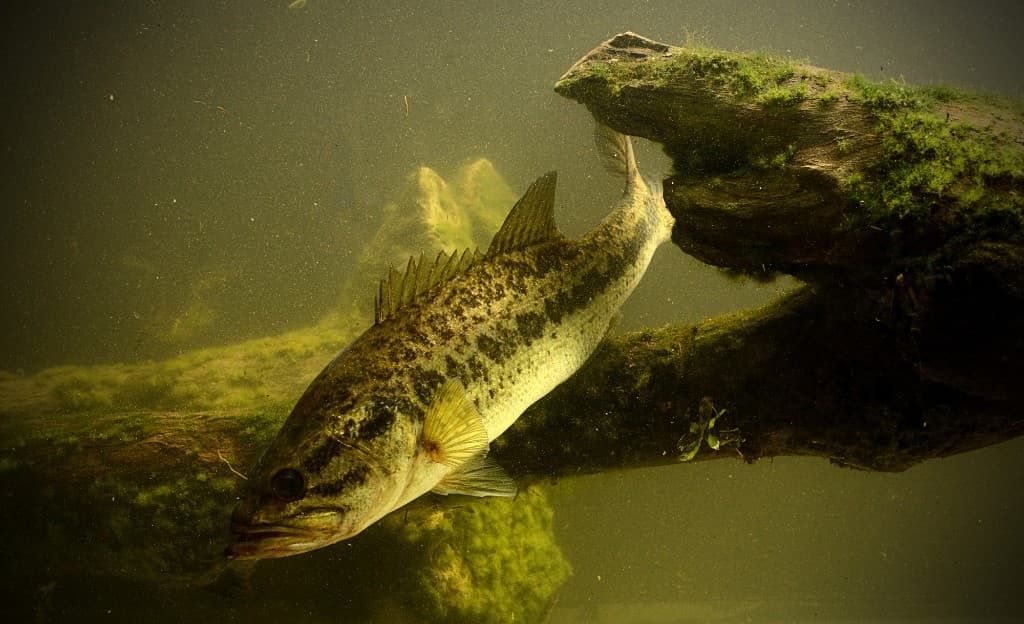
Strong saltwater and estuary opportunities run along the Atlantic coast from Sandy Hook south through long barrier island systems, with back-bay routes that reward kayakers and skiff anglers who read tides. The Delaware Bay side offers different seasonal emphasis and access patterns; the Delaware River adds moving-water fisheries with a border-water rule set. Freshwater highlights cluster in major north Jersey reservoirs and lakes, trout-oriented streams in the north, and a patchwork of warm-water ponds statewide.
If you are building a first-year itinerary, pair a marine-focused trip with a careful read of registry and marine tables, then schedule inland days with the freshwater digest. Mixing both in one weekend is common for residents; visitors should still avoid “winging it” at the water’s edge.
Plan Your New Jersey Fishing Trip
A strong New Jersey fishing plan starts with a realistic species list and a willingness to pivot when wind, water quality notices, or ramp crowding change the day. Save NJDEP pages for offline review when possible, confirm ramp hours, and identify a backup pond or bay reach if conditions shift. For families, prioritize safe shoreline sites with predictable amenities; for specialists, prioritize seasonal windows and the specialized rules those fisheries demand.
Use our New Jersey outdoors guide with the New Jersey fishing hub. More: fishing articles.
Frequently Asked Questions
Do I need a New Jersey fishing license?
Most anglers need a New Jersey fishing license for freshwater, and many saltwater anglers must comply with marine registry requirements described by NJDEP—verify current rules for your target species and waters before you fish.
Where can I find New Jersey fishing regulations?
Use NJDEP Fish and Wildlife pages for the Freshwater Fishing Digest, marine regulations, Delaware River shared waters, and any emergency orders posted for the license year covering your trip dates.
What are New Jersey’s best-known fisheries?
The Atlantic coast and back bays support striped bass, fluke, and weakfish; major inland lakes support bass and panfish; the Delaware River draws shad and smallmouth anglers; estuaries such as Raritan Bay connect to nearshore marine opportunity.
How does fishing the Delaware River differ from fishing purely in-state lakes?
The Delaware River is a shared border water. Rules can depend on where you are on the river, which bank you fish from, and agreements with Pennsylvania—match your exact location to the correct regulation set and carry proof of licensing if required.
What should I know about striped bass and marine registry in New Jersey?
Striped bass fisheries are heavily managed with coastwide considerations. Marine registry, seasons, size limits, and gear rules can change—treat the official NJDEP marine materials as controlling and re-check before each season.
What invasive species issues should New Jersey anglers watch?
Northern snakehead and other invasives are taken seriously in New Jersey. Learn identification, reporting expectations, and possession or kill rules so you do not accidentally spread fish between waters or violate wildlife laws.
Sources
- New Jersey Division of Fish and Wildlife. "Fishing." NJDEP, dep.nj.gov/njfw/fishing. Accessed 16 Apr. 2026.
Official state agency
New Jersey Division of Fish and Wildlife — FishingVerify season openings, daily bag, possession, and length or slot rules for each water and species you target—plus any 2026 rule changes or emergency orders—before you fish.
Written by
The Inside Spread Team
The Inside Spread team covers fishing regulations and access across all 50 states. We tie every guide to official agency sources so you can verify seasons, bag limits, and license rules before you launch.
Comments
No comments yet. Be the first to share your thoughts.
More in state-guides
Arkansas Duck Hunting 2026: Season Dates, WMA Permits, License Costs & Complete Guide
Arkansas duck hunting 2026-27—three-segment season dates, nonresident WMA waterfowl permits, Black River and Bayou Meto access changes, and Delta license costs.
Georgia Whitetail Deer Hunting 2026: Season Dates, Extended Counties, License Costs & Nonresident Guide
Georgia whitetail deer hunting 2026-27—archery, primitive weapons, and firearms dates, 29-county extended archery, 12-deer bag, Game Check, and the nonresident guide.
Kentucky Whitetail Deer Hunting 2026: Season Dates, Zone Changes, License Costs & Nonresident Guide
Kentucky whitetail deer hunting 2026-27—archery, crossbow, and modern gun dates, the 2026 zone map, license and deer permit costs, Telecheck, and the nonresident guide.
Michigan Whitetail Deer Hunting 2026: Season Dates, License Costs, UP vs LP & Nonresident Guide
Michigan whitetail deer hunting 2026—archery, firearm, and three-day December dates, DNR license fees, Upper vs Lower Peninsula rules, baiting, and the nonresident guide.