
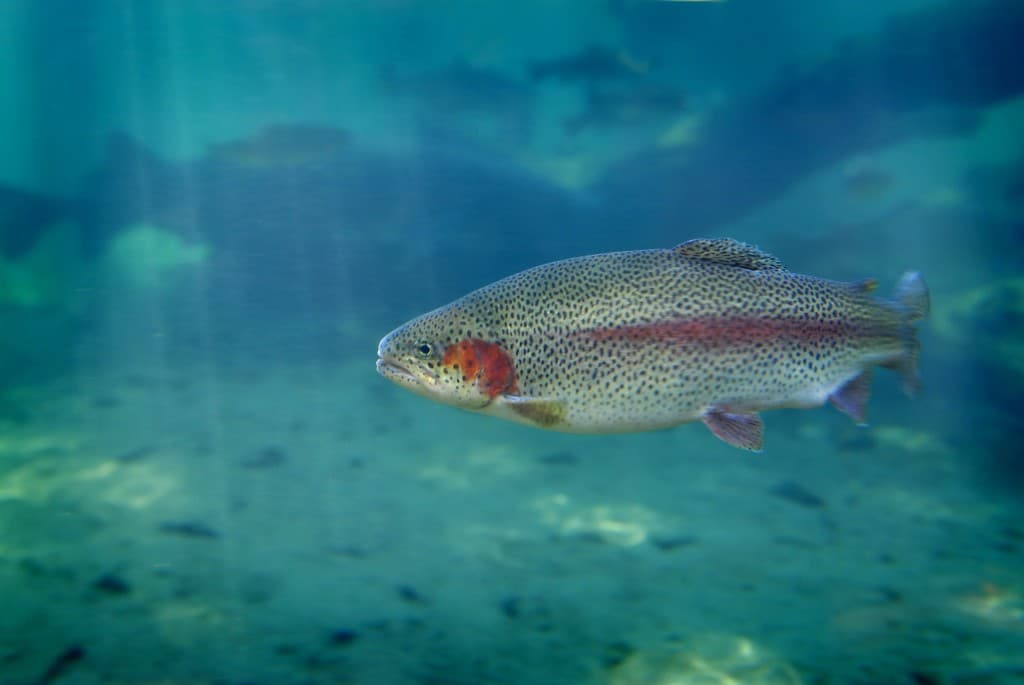
New Mexico Fishing 2026: Licenses, Trout Rivers, and Desert Reservoirs
New Mexico fishing 2026—license options, NMDGF rules, trout-water validations, San Juan planning, reservoir updates, and invasive-species checks.
2026 seasons & limits
Verify rules with New Mexico fish & wildlife
- Confirm open seasons, daily bag, and possession limits for each species and water you fish.
- Check length and slot rules—many lakes, rivers, and bays have special tables beyond statewide defaults.
- Review 2026 summaries and any emergency orders (closures, health notices, gear rules) before you go.
The Inside Spread orients you for trip planning only. Conservation officers enforce the official published regulations—not articles or forum posts.
Need a New Mexico fishing license, the current rules booklet, or the right special-trout-water page before your trip? Start with New Mexico Department of Game and Fish — Fishing and decide whether your day is a quality trout water, a high-country stream, or a warm-water reservoir trip. That first decision usually tells you which validation, water-specific rule, and access notes matter.
New Mexico rewards anglers who like sharp contrasts. The San Juan below Navajo Dam does not plan like Elephant Butte, and neither looks like a Gila trout recovery stream. Because NMDGF layers statewide rules with special trout-water orders and reservoir-specific updates, anglers do best when they define the exact fishery first and then read the matching section of the booklet.
2026 Seasons, Limits, and Rule Changes
This article is not the law. Your state's fish and wildlife agency publishes the official rules—online digests, mobile apps, and emergency notices—and those sources control what you can keep, when you can fish, and where.
New Mexico manages freshwater fisheries only—rivers, reservoirs, lakes, and streams. Named waters often carry special regulations beyond statewide defaults; border waters and interstate coordination may apply on shared rivers. Always match the species, water body, and date you plan to fish to the correct table.
What to verify before every trip
- Seasons and closures for each species you target (game fish, panfish, trout, salmon, and steelhead where present)
- Daily and possession limits (creel limits) and whether aggregate caps apply across similar species
- Minimum and maximum length and slot limits, plus how length is measured (total length vs. fork length)
- Gear restrictions (bait, hooks, tackle) where they apply
- Special rules for WMAs, community fishing waters, trophy waters, and border waters
2026 updates and mid-season changes
Agencies publish annual summaries and sometimes emergency orders (water quality, fish health, stock changes, or temporary closures). Before you plan 2026 trips:
- open the current regulations for the license year that covers your dates
- check your agency's news or rule change page for new limits, stamps, or reporting rules
- read invasive species and bait movement notices if you move boats or gear between waters
If a forum or social post disagrees with the agency PDF, trust the agency and walk away from edge cases.
Popular species: what to look up in the digest
Use the index or online tools to find limits for the fish you actually plan to catch—black bass (largemouth, smallmouth, spotted), panfish (crappie, bluegill, perch, sunfish), catfish, trout and salmon (including steelhead where present), walleye and sauger, muskies and pike, and other species listed for your water in the official guide. Do not keep fish until you match the species to the exact rule line for that water body and date.
| Topic | Verify in the official digest |
|---|---|
| Daily bag | Per-day harvest limit per species or aggregate groups |
| Possession | Fish you may have in camp, cooler, or vehicle combined |
| Length / slot | Minimum, maximum, or protected length bands |
| Season | Opening and closing dates, catch-and-release-only windows, closures |
New Mexico official source: New Mexico Department of Game and Fish — Fishing
What New Mexico Fishing License Do I Need?
Most anglers age 12 and older need a valid New Mexico fishing license to fish licensed waters, with exemptions and special categories published on NMDGF license pages. Habitat stamps and access validations may apply depending on where you fish and how you access certain lands—treat those fees as part of trip planning rather than a surprise at the ramp. Purchase licenses online through NMDGF sales systems or authorized vendors; keep proof of license accessible, especially in remote areas without cell coverage.
Nonresidents should compare short-term licenses against longer visits. New Mexico’s trout and smallmouth fisheries can justify multi-day trips, and the cost per day of a license often drops when you consolidate trips. Residents should verify whether combination hunt-fish options or senior discounts apply for their eligibility group. Youth rules are worth reading in advance for family trips; mentoring kids is easier when adults understand possession limits and identification requirements.
If you fish tribal lands or waters, recognize that tribal regulations can differ from state rules. Obtain permission and the correct permits when required. Treat Pueblo and Nation access as a separate planning layer—assumptions based on state maps alone are not reliable.
Rio Grande and Pecos Systems: Tailwaters, Public Access, and Seasonality
The Rio Grande and its tributaries stitch together New Mexico’s geography. Tailwater reaches below major dams can deliver cold, stable flows that support trout fisheries even when surrounding lowlands bake in summer heat. Those reaches are also where special regulations concentrate most tightly. Before you wade, float, or walk the bank, confirm the section you intend to fish: the same river name can change management rules mile by mile.
The Pecos River system offers classic mountain stream fishing in its upper reaches and warmer-water opportunities as it descends. Spring runoff can stain water and push flows; late summer can bring low, clear conditions that reward stealth. Wildfire scars and post-flood sediment changes can alter channels for years—satellite maps from a decade ago may not match today’s wading lanes.
San Juan River: Quality Waters Etiquette and Tactics
The San Juan below Navajo Dam is famous for a reason: technical fishing, selective trout, and consistent cold water. Anglers succeed when they match small flies and fine tippets to selective feeding, especially when flows are low and fish see heavy pressure. Indicators, dry-fly presentations, and Euro-nymphing techniques all have their place; the common thread is precision and patience.
Etiquette matters as much as tackle. Give other anglers room, avoid walking through runs that others are fishing downstream, and communicate at boat ramps. If you are new to the river, consider hiring a guide for a day—local guides teach not only where fish hold but also how to navigate wading hazards and changing flows.
Desert Reservoirs: Elephant Butte, Caballo, and Southern Bass Fisheries
Elephant Butte Reservoir is a centerpiece of southern New Mexico warm-water fishing. Largemouth and smallmouth bass, walleye, and catfish all draw attention depending on season and water level. When the reservoir is low, structure becomes visible and hazards become obvious; when it is high, new cover can spread fish across unfamiliar zones. Watch for submerged timber and changing channel edges.
Caballo Reservoir downstream can fish differently even though it is part of the same system mindset. Current, wind, and water color can shift quickly. Walleye anglers often focus on low-light windows and transitions—rocky points, old roadbeds, and channel swings—while bass anglers search for cover that holds baitfish. Always verify bag and size rules for each species before you harvest.
High-Country Trout and Gila Wilderness Considerations
Gila trout represent one of the rarest native trout stories in the United States. Recovery efforts have expanded access and opportunity, but they also require anglers to read and respect specialized rules. Some streams may be closed to protect spawning fish or to reduce stress during heat. Others may require artificial flies and lures only. If you catch a Gila trout, handle it quickly and release it if regulations require—native fish are a shared conservation asset.
Remote access in the Gila Wilderness is not a casual day hike. Pack water, navigation tools, and a backup plan for weather. Monsoon season can turn drainages dangerous in minutes. Tell someone your route and expected return time.
Species Notes: Bass, Walleye, Pike, and Panfish
Largemouth bass dominate tournament conversation in southern reservoirs, but smallmouth bass surprise anglers in rocky habitats. Northern pike are not universal across New Mexico, but where present, they can be aggressive predators—verify water-specific rules and identification before harvest. Pike management can include catch-and-release expectations or removal incentives depending on water.
Crappie and sunfish provide excellent family table fare where regulations allow. Learn panfish identification and size rules before you keep a mess of fish.
Seasons, Weather, and Trip Timing
Spring offers warming bass activity and improving trout water conditions in many drainages, but mountain roads can remain muddy or snowbound. Summer pushes bass anglers toward early morning and late evening in reservoirs; midday heat can be brutal on the water. Fall can be a sleeper season for trout as temperatures stabilize and pressure drops. Winter fishing exists on tailwaters and some reservoirs, but ice is rare in southern lowlands—dress for wind and cold water safety in high elevations.
Access, Ramps, and Public Land
New Mexico’s public access mix includes federal lands, state wildlife areas, and private leases with permission. Read signage carefully; some areas close seasonally for wildlife or habitat work. At ramps, rig efficiently, do not block lanes, and keep tempers in check—everyone wants to fish.
Invasive Species and Bait Movement
Zebra and quagga mussels threaten western reservoirs. Clean, drain, and dry boats and gear; follow inspection stations when required. Do not move live fish between waters. If you use bait where legal, use approved sources when rules require it to reduce disease spread.
Safety: Heat, Lightning, and River Flow
Desert heat kills when underestimated. Carry extra water, wear sun protection, and watch for heat exhaustion. Monsoon lightning can turn a calm afternoon into a dangerous situation—seek shelter when storms build. In rivers, rising flows from upstream storms can arrive faster than you expect; avoid wading during flood pulses.
Border Waters and Neighboring States
Fishing near Colorado, Texas, Arizona, or Oklahoma boundaries can introduce license and access questions. If you cross a state line or fish a shared reservoir reach, verify which state’s rules apply to your launch and harvest. When in doubt, carry proof of licensing for both jurisdictions.
Where Are New Mexico’s Best Trout and Warm-Water Fisheries?
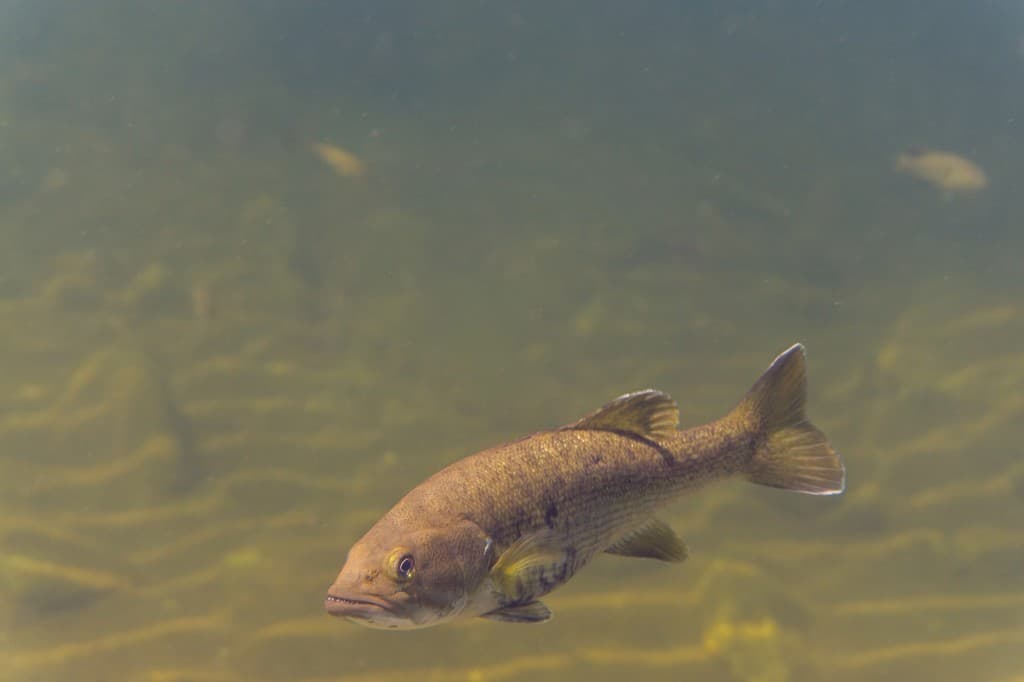
- San Juan River downstream of Navajo Dam: Trophy rainbow and brown trout in a cold tailwater—Quality Waters rules apply; read reach-specific regulations before you fish.
- Rio Grande and Rio Chama tailwater reaches: Technical trout fisheries with seasonal and section-specific rules; match your tactics to flow and clarity.
- Elephant Butte and Caballo reservoirs: Southern largemouth and smallmouth bass, walleye, and catfish—check water levels, ramp status, and wind forecasts.
- High-country Pecos and related streams: Wild trout and small-stream tactics; verify fire restrictions and seasonal closures.
- Gila trout recovery waters: Native trout conservation fisheries with specialized gear and harvest rules—plan for remote access and careful fish handling.
Plan Your New Mexico Fishing Trip
Choose a primary region before you choose a hotel. If you want a trout-focused trip, build around the San Juan or northern tailwaters and keep a weather backup. If you want warm-water bass and walleye, align with reservoir access and water levels rather than chasing a distant trout stream on the same day. Mixed groups benefit from pairing a half-day urban pond or close reservoir session with a scenic drive to higher country on cooler days.
Use our New Mexico outdoors guide with the New Mexico fishing hub. Explore more ideas in fishing articles.
Stocking and Family Programs
NMDGF stocking programs can improve opportunity for youth and families. Check current stocking schedules and water lists, but remember that logistics and water quality can change. Teach kids to identify fish, handle them carefully, and respect limits—those habits matter most in heavily pressured fisheries.
Night Fishing and Ramp Courtesy
Night fishing for catfish and walleye can be productive on warm reservoirs. Use navigation lights where required, avoid shining bright lamps at other boats, and keep noise reasonable near shorelines. At ramps, prepare gear before you block lanes.
Documentation and Enforcement
Keep proof of license and any required validations. Officers check boats and shore anglers during peak seasons. If you receive a citation, verify details calmly against official publications.
Frequently Asked Questions
Do I need a New Mexico fishing license?
Most anglers 12 and older need a valid New Mexico fishing license; habitat stamps and validations may apply on certain waters—check NMDGF for current license options.
Where can I find New Mexico fishing regulations?
Use NMDGF fishing pages for the New Mexico Fishing Rules and Information booklet and special trout water orders.
What are New Mexico’s best-known fisheries?
The San Juan River below Navajo Dam is famous for trophy trout; Elephant Butte and Caballo support bass and walleye; high-country streams offer cutthroat and rainbow trout.
How does the San Juan Quality Waters section differ from other rivers?
Quality Waters carry special tackle, seasonal, and access rules that can change by reach—read the current NMDGF pamphlet for the exact section you fish.
What is important about Gila trout and heritage streams?
Native Gila trout recovery waters may require catch-and-release, gear restrictions, or seasonal closures—match your plan to the posted rules for each stream.
What invasive species steps should boaters take in New Mexico?
Follow inspection station requirements and clean, drain, and dry practices to reduce zebra and quagga mussel spread across New Mexico waters.
Sources
- New Mexico Department of Game and Fish. "Fishing." NMDGF, wildlife.state.nm.us/fishing. Accessed 16 Apr. 2026.
Official state agency
New Mexico Department of Game and Fish — FishingVerify season openings, daily bag, possession, and length or slot rules for each water and species you target—plus any 2026 rule changes or emergency orders—before you fish.
Written by
The Inside Spread Team
The Inside Spread team covers fishing regulations and access across all 50 states. We tie every guide to official agency sources so you can verify seasons, bag limits, and license rules before you launch.
Comments
No comments yet. Be the first to share your thoughts.
More in state-guides
Arkansas Duck Hunting 2026: Season Dates, WMA Permits, License Costs & Complete Guide
Arkansas duck hunting 2026-27—three-segment season dates, nonresident WMA waterfowl permits, Black River and Bayou Meto access changes, and Delta license costs.
Georgia Whitetail Deer Hunting 2026: Season Dates, Extended Counties, License Costs & Nonresident Guide
Georgia whitetail deer hunting 2026-27—archery, primitive weapons, and firearms dates, 29-county extended archery, 12-deer bag, Game Check, and the nonresident guide.
Kentucky Whitetail Deer Hunting 2026: Season Dates, Zone Changes, License Costs & Nonresident Guide
Kentucky whitetail deer hunting 2026-27—archery, crossbow, and modern gun dates, the 2026 zone map, license and deer permit costs, Telecheck, and the nonresident guide.
Michigan Whitetail Deer Hunting 2026: Season Dates, License Costs, UP vs LP & Nonresident Guide
Michigan whitetail deer hunting 2026—archery, firearm, and three-day December dates, DNR license fees, Upper vs Lower Peninsula rules, baiting, and the nonresident guide.