
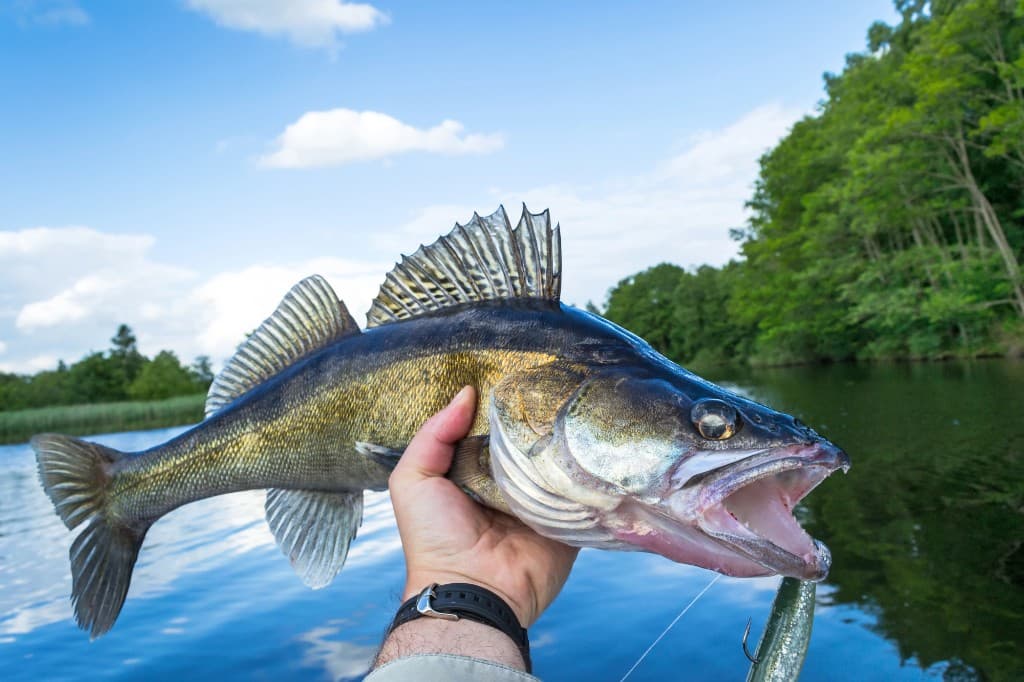
North Dakota Fishing 2026: Licenses, Devils Lake, and Missouri River
North Dakota fishing 2026—license options, Game and Fish proclamation links, Devils Lake rules, Sakakawea planning, and Missouri River access checks.
2026 seasons & limits
Verify rules with North Dakota fish & wildlife
- Confirm open seasons, daily bag, and possession limits for each species and water you fish.
- Check length and slot rules—many lakes, rivers, and bays have special tables beyond statewide defaults.
- Review 2026 summaries and any emergency orders (closures, health notices, gear rules) before you go.
The Inside Spread orients you for trip planning only. Conservation officers enforce the official published regulations—not articles or forum posts.
Need a North Dakota fishing license, the current proclamation, or the right Devils Lake or Sakakawea guidance before your trip? Start with North Dakota Game and Fish — Fishing and decide whether your day is a major reservoir, prairie lake, Red River, or Missouri River trip. That first choice usually points you to the right access notes and waterbody rules.
North Dakota combines giant reservoir scale with prairie-lake flexibility. Devils Lake, Lake Sakakawea, Lake Oahe, the Missouri River tailrace, and smaller prairie waters do not share the same launch, weather, or regulation assumptions. If you define the exact fishery first, the license and proclamation details become much easier to navigate.
2026 Seasons, Limits, and Rule Changes
This article is not the law. Your state's fish and wildlife agency publishes the official rules—online digests, mobile apps, and emergency notices—and those sources control what you can keep, when you can fish, and where.
North Dakota manages freshwater fisheries only—rivers, reservoirs, lakes, and streams. Named waters often carry special regulations beyond statewide defaults; border waters and interstate coordination may apply on shared rivers. Always match the species, water body, and date you plan to fish to the correct table.
What to verify before every trip
- Seasons and closures for each species you target (game fish, panfish, trout, salmon, and steelhead where present)
- Daily and possession limits (creel limits) and whether aggregate caps apply across similar species
- Minimum and maximum length and slot limits, plus how length is measured (total length vs. fork length)
- Gear restrictions (bait, hooks, tackle) where they apply
- Special rules for WMAs, community fishing waters, trophy waters, and border waters
2026 updates and mid-season changes
Agencies publish annual summaries and sometimes emergency orders (water quality, fish health, stock changes, or temporary closures). Before you plan 2026 trips:
- open the current regulations for the license year that covers your dates
- check your agency's news or rule change page for new limits, stamps, or reporting rules
- read invasive species and bait movement notices if you move boats or gear between waters
If a forum or social post disagrees with the agency PDF, trust the agency and walk away from edge cases.
Popular species: what to look up in the digest
Use the index or online tools to find limits for the fish you actually plan to catch—black bass (largemouth, smallmouth, spotted), panfish (crappie, bluegill, perch, sunfish), catfish, trout and salmon (including steelhead where present), walleye and sauger, muskies and pike, and other species listed for your water in the official guide. Do not keep fish until you match the species to the exact rule line for that water body and date.
| Topic | Verify in the official digest |
|---|---|
| Daily bag | Per-day harvest limit per species or aggregate groups |
| Possession | Fish you may have in camp, cooler, or vehicle combined |
| Length / slot | Minimum, maximum, or protected length bands |
| Season | Opening and closing dates, catch-and-release-only windows, closures |
North Dakota official source: North Dakota Game and Fish Department — Fishing
What North Dakota Fishing License Do I Need?
Most anglers need a valid North Dakota fishing license unless a listed exemption applies, and North Dakota Game and Fish license sales are the best place to confirm current choices. Residents, nonresidents, and short-term visitors should all make sure they buy the right option before they travel, especially because North Dakota trips often involve long drives between towns and launch areas. It is much easier to solve paperwork at home than at a rural ramp with weak cell service and a dawn launch window.
Like other Plains states, North Dakota is easy if you separate the general requirement from the fishery-specific details. A basic license is only the first step. Paddlefish, border-water questions, and special waterbody regulations can all require a second look at the proclamation. If your plan includes the Missouri system, Devils Lake, or waters near Minnesota or South Dakota, read the relevant sections before you assume a standard rule applies everywhere.
The other practical point is to organize your trip by category rather than by hype. If your crew wants open-water reservoirs and long runs, your license prep should happen alongside reservoir planning. If the trip is more about bank access, river catfish, or a mixed family outing, the permit process is still the same, but the supporting planning becomes very different.
What North Dakota Waters Lead Walleye and Pike Harvest?
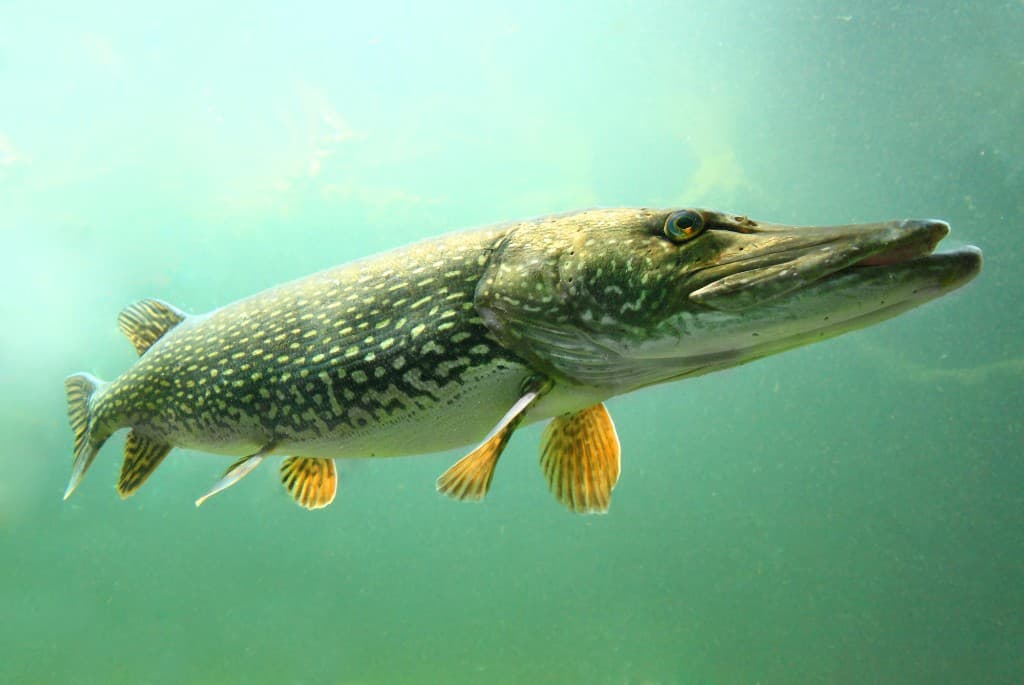
Devils Lake is the state's signature wildcard because it combines reputation, productivity, and change. Rising or fluctuating water, newly flooded structure, shifting access, and multiple basins all help keep it interesting. For walleye and perch anglers, it is a bucket-list fishery. For northern pike anglers, it adds another layer of appeal. The reason so many anglers keep returning is that Devils Lake rarely feels static. It asks you to learn the water again and again, which can be frustrating on a short trip but incredibly rewarding over time.
Lake Sakakawea is different. It is a Missouri River reservoir on a massive scale, and it behaves like one. Long runs, open-water wind, changing water conditions, and broad structural variety all matter. Sakakawea is one of the best places in the region for anglers who enjoy thinking big and fishing expansively. Walleye dominate the conversation, but pike, salmon discussion, and mixed-species possibilities keep the reservoir relevant to a broad audience.
Lake Oahe in North Dakota also belongs in the upper tier, especially for anglers who want Missouri system scale with strong walleye and pike relevance. It shares the common big-water theme: weather shapes everything. If you travel to North Dakota for Oahe or Sakakawea, plan your lodging, launch options, and daily route around forecast flexibility rather than fixed mileage goals.
Jamestown Reservoir, Lake Audubon, and other smaller reservoirs should not be ignored. They may not have the same national profile, but they often give traveling anglers something just as valuable: fishable backup water when the largest basins get ugly. In a state where wind can decide your day before sunrise, that matters enormously.
- Devils Lake: famous multi-basin destination for walleye, perch, and northern pike.
- Lake Sakakawea: giant Missouri River reservoir with major walleye reputation and serious weather influence.
- Lake Oahe: another large-scale Missouri system fishery with strong walleye and pike value.
- Jamestown Reservoir: practical central option with travel flexibility and solid mixed-species interest.
- Lake Audubon and other prairie reservoirs: important alternates when major reservoirs are rough.
Why Devils Lake Still Stands Apart
Devils Lake deserves a separate conversation because it is not just "another walleye lake." It is a system that rewards repeated attention. Water level shifts, flooded structure, changing access corridors, and a wide range of habitat keep the fishery dynamic in ways that are hard to reduce to a single annual pattern. That is part of why so many anglers talk about Devils Lake in strategic terms rather than simply tackle terms. Choosing the right basin, launch, and wind exposure can be as important as choosing the right lure family.
It is also one of the best examples of why North Dakota trip planning should stay flexible. A visiting crew may arrive with one idealized Devils Lake program in mind and discover that weather, clarity, or pressure make a different section much smarter. The anglers who do well are usually the ones willing to fish what the lake is giving them that day instead of forcing a memory from last season's report.
Bank anglers should not assume Devils Lake is only for sophisticated boat setups, either. Access choices, seasonal concentrations, and the right timing can open useful opportunities from shore or near simple access points. That broader accessibility is one reason the fishery remains so influential in the state's fishing culture.
Missouri River and Tailrace Opportunities
North Dakota's Missouri River story is bigger than just naming reservoirs. The tailrace below Garrison Dam, main-stem reservoir zones, connecting waters, and access-dependent reaches all contribute to the overall picture. Anglers interested in trout, current-driven presentations, or colder-water windows often pay special attention to tailrace areas, while classic walleye and pike travelers may focus more on the reservoir sections.
Missouri River planning in North Dakota should begin with safety and mobility. These are not casual waters where you can assume the same approach will fit every day. Generation schedules, wind, cold water, and long distances between access points can all matter. If you want to include the Missouri in a broader road trip, it often works best to treat it as one major stop among several rather than the only card in the deck.
The river system also connects North Dakota to a wider regional fishing conversation. Border-water awareness and reservoir-by-reservoir management details matter because the system does not behave like a single uniform lake. Always read the latest proclamation and any specific notices tied to your chosen launch or pool.
Red River, Prairie Lakes, and More Than Walleye
The Red River expands the state's personality beyond classic reservoir travel. Catfish anglers know it well, and for good reason. It gives North Dakota a strong current-oriented fishery that contrasts sharply with the open-water reservoir game. If your ideal day involves anchoring or working river structure for channel catfish rather than chasing roaming basin fish, the Red deserves serious attention.
Prairie lakes and smaller reservoirs are just as important to the statewide identity, even if they receive less publicity. Perch, pike, walleye, panfish, and local family fishing all matter on these waters. More importantly, they give you options. A North Dakota trip built only around one giant reservoir is vulnerable to weather, access, and pressure. A trip built around a region with several backup waters is far more resilient.
This is part of what makes North Dakota such a good road-trip state. Anglers can build a base camp around a famous fishery, then spend a difficult-weather day on a smaller nearby lake and still feel like the trip moved forward.
How to Fish North Dakota by Season
Spring gives North Dakota one of its most interesting windows because fish and anglers are both transitioning into broader patterns. Walleye become a central focus on many waters, and the state's range of reservoir, river, and smaller-lake options makes it easier to adapt to a cold front or rising wind than some visitors expect. Spring is an excellent time to travel if you want a realistic shot at several species without the peak recreational traffic of high summer.
Summer is highly productive, but it asks more from the planner. Long daylight hours, warm temperatures, and reservoir winds can make early mornings and late evenings the most efficient use of time. Catfish anglers often gain from committing to low-light and night windows, while reservoir anglers need to keep backup lakes or sheltered zones ready when big water turns.
Fall is a favorite for many traveling anglers because the weather becomes more comfortable and several waters fish more predictably. If you want your first North Dakota trip to feel broad, efficient, and enjoyable, fall is hard to beat.
Winter matters enormously in North Dakota, especially because the state has a deep ice-fishing culture. Safe conditions still vary by water and year, so no winter trip should rely on reputation alone. Current local reports remain essential.
Plan Your North Dakota Fishing Trip
The best North Dakota itinerary usually starts with one anchor fishery and one alternate class of water. If Devils Lake is the dream, pair it with nearby or route-friendly smaller waters so one bad wind day does not erase your momentum. If Sakakawea or Oahe is the main objective, identify protected launches, shorter-run areas, and backup lakes before the truck ever leaves the driveway.
Travelers who enjoy variety can also build region-based loops. A central route might combine Missouri River water with Jamestown or another reservoir. A northeast route might center on Devils Lake and surrounding prairie fisheries. An eastern trip might include the Red River if catfish or moving water is part of the goal. North Dakota rewards those kinds of practical loops because the state often fishes best when you remain willing to switch gears.
Use our North Dakota outdoors guide with the North Dakota fishing hub for planning ideas, then verify everything against the latest proclamation and official access updates. The common North Dakota mistake is assuming a famous name is enough. The better approach is to combine one famous water with flexible planning and let the conditions tell you where to fish.
Frequently Asked Questions
Do I need a North Dakota fishing license?
Most anglers do need a valid North Dakota fishing license unless an exemption applies. Residents, nonresidents, and short-term visitors should confirm the right option before they travel because many of the state's better fisheries are far from quick retail solutions.
Where can I find North Dakota fishing regulations?
The official North Dakota fishing pages and current proclamation are the correct place to start. They cover general statewide rules as well as special waterbody details, paddlefish information, and other notices that may affect a trip.
What are North Dakota's top fisheries?
Devils Lake, Lake Sakakawea, Lake Oahe, the Missouri River tailrace, the Red River, and several prairie reservoirs are among the top fisheries. The best choice depends on whether you want big-water walleye, pike and perch variety, or moving-water catfish opportunity.
Why is Devils Lake so well known?
Devils Lake is famous because it consistently produces strong walleye, perch, and northern pike fishing while changing enough through time to stay dynamic. It is a fishery that rewards repeat visits and condition-based thinking.
Can I fish the Missouri River in North Dakota?
Yes. The Missouri system is one of the state's defining fisheries, but anglers should review the current proclamation, pool-specific access notes, and weather conditions before committing to a large-reservoir or tailrace plan.
Does North Dakota offer more than big-reservoir fishing?
Absolutely. Smaller reservoirs, prairie lakes, the Red River, family-friendly local waters, and major winter fisheries all help make the state broader and more versatile than its famous reservoir names alone might suggest.
Sources
- North Dakota Game and Fish Department. "Fishing." NDGFD, https://www.gf.nd.gov/fishing. Accessed 14 Apr. 2026.
- North Dakota Game and Fish Department. "Licenses." NDGFD, https://gf.nd.gov/buy-and-apply/licenses. Accessed 14 Apr. 2026.
- North Dakota Game and Fish Department. "Fishing Proclamation." NDGFD, https://gf.nd.gov/regulations/fishing. Accessed 14 Apr. 2026.
- North Dakota Game and Fish Department. "Where to Fish." NDGFD, https://gf.nd.gov/where-to-fish. Accessed 14 Apr. 2026.
- North Dakota Game and Fish Department. "Paddlefish." NDGFD, https://gf.nd.gov/paddlefish. Accessed 14 Apr. 2026.
Official state agency
North Dakota Game and Fish Department — FishingVerify season openings, daily bag, possession, and length or slot rules for each water and species you target—plus any 2026 rule changes or emergency orders—before you fish.
Written by
The Inside Spread Team
The Inside Spread team covers fishing regulations and access across all 50 states. We tie every guide to official agency sources so you can verify seasons, bag limits, and license rules before you launch.
Comments
No comments yet. Be the first to share your thoughts.
More in state-guides
Arkansas Duck Hunting 2026: Season Dates, WMA Permits, License Costs & Complete Guide
Arkansas duck hunting 2026-27—three-segment season dates, nonresident WMA waterfowl permits, Black River and Bayou Meto access changes, and Delta license costs.
Georgia Whitetail Deer Hunting 2026: Season Dates, Extended Counties, License Costs & Nonresident Guide
Georgia whitetail deer hunting 2026-27—archery, primitive weapons, and firearms dates, 29-county extended archery, 12-deer bag, Game Check, and the nonresident guide.
Kentucky Whitetail Deer Hunting 2026: Season Dates, Zone Changes, License Costs & Nonresident Guide
Kentucky whitetail deer hunting 2026-27—archery, crossbow, and modern gun dates, the 2026 zone map, license and deer permit costs, Telecheck, and the nonresident guide.
Michigan Whitetail Deer Hunting 2026: Season Dates, License Costs, UP vs LP & Nonresident Guide
Michigan whitetail deer hunting 2026—archery, firearm, and three-day December dates, DNR license fees, Upper vs Lower Peninsula rules, baiting, and the nonresident guide.