
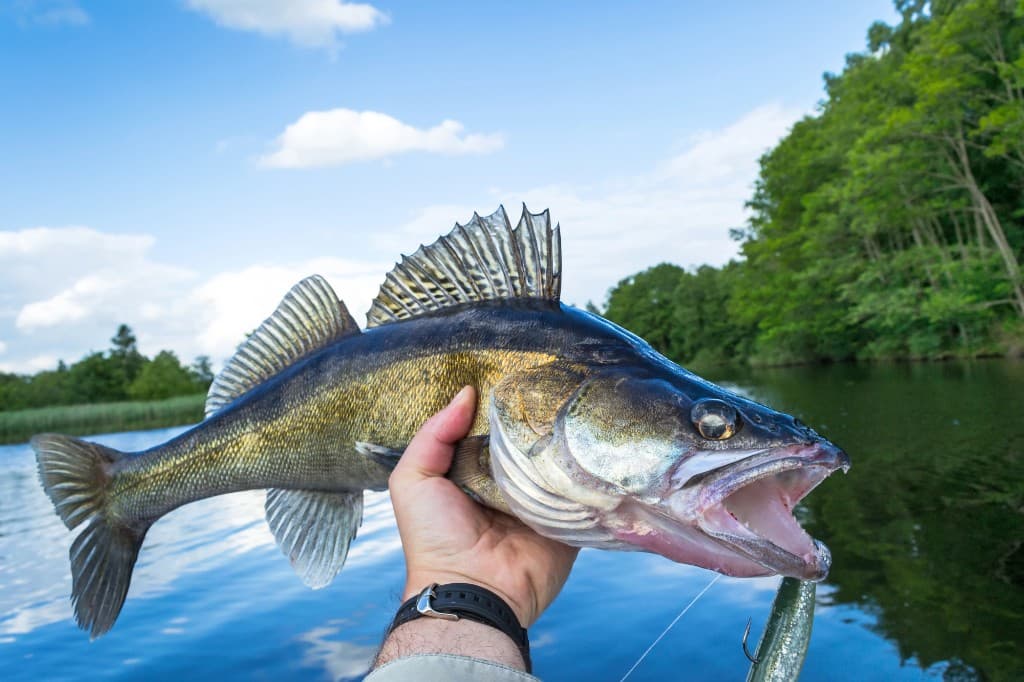
Ohio fishing 2026—license options, official ODNR regulations, Lake Erie walleye and perch rules, inland reservoir planning, and where to buy.
2026 seasons & limits
Verify rules with Ohio fish & wildlife
- Confirm open seasons, daily bag, and possession limits for each species and water you fish.
- Check length and slot rules—many lakes, rivers, and bays have special tables beyond statewide defaults.
- Review 2026 summaries and any emergency orders (closures, health notices, gear rules) before you go.
The Inside Spread orients you for trip planning only. Conservation officers enforce the official published regulations—not articles or forum posts.
Need an Ohio fishing license, the current regulations booklet, or the right official page before your trip? Start by deciding whether you are fishing Lake Erie or inland Ohio. That one choice changes weather risk, species priorities, basin-specific rules, and the kind of ODNR guidance you need before leaving the driveway. The Ohio Department of Natural Resources, Division of Wildlife, is the official source for 2026 license details, regulations, and lake- or species-specific updates.
Ohio fishing really does mean choosing between two different experiences and planning like they are different sports. Lake Erie brings open water, major weather, and intense focus on walleye, yellow perch, and smallmouth bass. Inland Ohio means reservoirs, glacial lakes, rivers, tailwaters, and public lakes with a broader mix of bass, crappie, saugeye, catfish, muskie, and stocked trout. This guide helps you organize the state, not replace the regulations.
2026 Seasons, Limits, and Rule Changes
This article is not the law. Your state's fish and wildlife agency publishes the official rules—online digests, mobile apps, and emergency notices—and those sources control what you can keep, when you can fish, and where.
Ohio manages Great Lakes and inland freshwater fisheries; rules differ between lakes, connecting waters, rivers, and border waters. Named lakes and rivers often have special regulations beyond statewide defaults; border waters with neighboring states or provinces may add more rules. Always match the species, water body, and date you plan to fish to the correct table.
What to verify before every trip
- Seasons and closures for each species you target (game fish, panfish, trout, salmon, steelhead, and Great Lakes species)
- Daily and possession limits (creel limits) and whether aggregate caps apply across similar species
- Minimum and maximum length and slot limits, plus how length is measured (total length vs. fork length)
- Gear restrictions (bait, hooks, tackle) where they apply
- Special rules for WMAs, community fishing waters, trophy waters, and border waters
2026 updates and mid-season changes
Agencies publish annual summaries and sometimes emergency orders (water quality, fish health, stock changes, or temporary closures). Before you plan 2026 trips:
- open the current regulations for the license year that covers your dates
- check your agency's news or rule change page for new limits, stamps, or reporting rules
- read invasive species and bait movement notices if you move boats or gear between waters
If a forum or social post disagrees with the agency PDF, trust the agency and walk away from edge cases.
Popular species: what to look up in the digest
Use the index or online tools to find limits for the fish you actually plan to catch—black bass (largemouth, smallmouth, spotted), panfish (crappie, bluegill, perch, sunfish), catfish, trout and salmon (including steelhead where present), walleye and sauger, muskies and pike, and Great Lakes species such as yellow perch, lake trout, coho salmon, and chinook salmon where those fisheries apply. Do not keep fish until you match the species to the exact rule line for that water body and date.
| Topic | Verify in the official digest |
|---|---|
| Daily bag | Per-day harvest limit per species or aggregate groups |
| Possession | Fish you may have in camp, cooler, or vehicle combined |
| Length / slot | Minimum, maximum, or protected length bands |
| Season | Opening and closing dates, catch-and-release-only windows, closures |
Ohio official source: Ohio Department of Natural Resources — Division of Wildlife — Fishing
Why Ohio Is a Split Personality Fishing State
Few states give anglers such a clear geographic split. Lake Erie is an internationally known destination with charter fleets, migration timing, big launches, and weather windows that matter as much as lure color. Inland Ohio, by contrast, is a practical mix of accessible state reservoirs, river systems, flood-control lakes, and community waters that reward flexible planning and local knowledge. That split matters because anglers often make the mistake of reading one digest and assuming they are covered everywhere. In reality, Ohio’s statewide regulations may be supplemented by water-specific rules, and Lake Erie planning often requires an extra layer of trip preparation, especially for boaters. The best planning habit is simple: pick the species first, then the water, then the regulation table, and only then start obsessing over tackle.
What Ohio Fishing License Do You Need?
Most Ohio anglers need a valid license unless they fall into a listed exemption category. Short-trip anglers often compare a one-day option against an annual license, while resident and nonresident pricing can shape whether a weekend road trip is worth it. Buy through the official Ohio licensing system or an authorized vendor, and keep digital or printed proof in a dry bag. That last point sounds basic until you are at a windy Erie launch before sunrise, or tucked into a river access where service is weak and a screenshot would have saved you time. If you plan to fish more than one day or bounce between waters, it is worth reviewing the license page carefully rather than assuming the cheapest option fits the trip you actually have in mind.
Lake Erie Is the Center of Gravity
If someone outside the Midwest knows anything about Ohio fishing, they probably know Lake Erie first. That reputation is deserved. Erie drives destination travel for walleye, draws major yellow perch interest, and gives smallmouth anglers one of the most talked-about fisheries in the region. It also punishes casual assumptions. Wind can turn a safe plan into a cancellation plan. Basin differences matter. Port selection matters. Water temperature, wave period, and distance from safe harbor matter. A great Ohio fishing strategy starts with an honest answer to a simple question: are you planning an Erie trip because the conditions truly fit, or because the internet fed you a hero photo from three days ago?
Western Basin, Central Basin, and Eastern Basin
Lake Erie trips get better when you stop talking about the lake as one giant uniform system. The western basin is famous for spring and early-season walleye conversation, accessible launches, and the kind of boat traffic that can make weekends feel like organized chaos. The central basin becomes part of countless summer trolling plans, with open-water fish movements and long runs that reward electronics, discipline, and conservative weather judgment. The eastern basin attracts attention for a different mix of walleye, yellow perch, and late-season considerations, and it also connects anglers to tributary conversations once steelhead and seasonal river fishing enter the picture. Reading the lake through basin language helps you follow ODNR updates more intelligently because the fishery is managed and discussed at a finer scale than many first-time anglers expect.
Lake Erie Walleye Planning in Practice
Ohio walleye planning is not just about whether fish are present. It is about how your chosen launch, boat size, crew experience, and weather tolerance line up with the day you are actually facing. Erie can be generous and still be dangerous. A small inland-lake mindset does not transfer cleanly to open Great Lakes water. If you are towing in from central Ohio or farther south, build flexibility into lodging, ramp choice, and departure time. If the lake is rough, the best call may be to stay onshore, fish a protected harbor area if legal and sensible, or shift inland instead of forcing the hero plan. Many bad fishing decisions start with too much drive time and not enough willingness to cancel.
Yellow Perch and Smallmouth Add Different Erie Angles
Walleye may dominate most Ohio travel talk, but perch and smallmouth create different Erie styles that deserve their own planning. Yellow perch trips often focus anglers on current local reports, access convenience, and the reality that good information gets stale fast on big water. Smallmouth anglers, meanwhile, should treat seasonal location, handling ethics, and any bass-specific regulations seriously, especially around busy periods or tournament pressure. Lake Erie smallmouth fishing is spectacular because it blends big-water scenery with shallow-rock precision, but that same popularity means access points, launch etiquette, and fish care all matter. Trophy fisheries stay trophy fisheries only when anglers stop acting like every fish is disposable.
Tributaries, Steelhead, and Cold-Season Opportunity
When Ohio anglers talk about Erie beyond the open lake, tributaries and seasonal steelhead conversations quickly follow. This is where a lot of visitors get sloppy. Stream rules are not just “Erie rules but smaller.” Tributaries can carry seasonal closures, method restrictions, access limitations, or local etiquette expectations that feel very different from boat-based lake fishing. Wading safety also changes dramatically in cold weather. Slippery banks, sudden rises, ice-edged access, and crowded pools all create pressure points. If you are traveling for tributary fishing, pack traction, dry clothes, and a conservative attitude. The fish are never worth pretending that winter water is forgiving.
Where Should I Focus on Lake Erie Versus Inland Ohio?
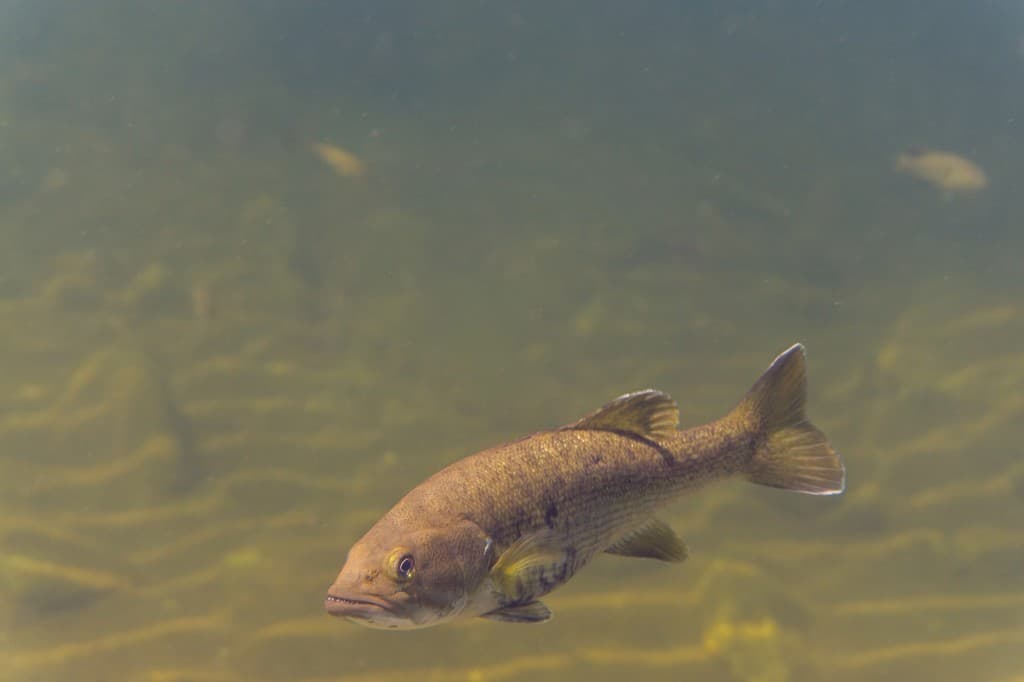
The answer depends on how much uncertainty you want in your day. If you have a trailer-ready boat, flexible dates, and the willingness to cancel for weather, Lake Erie gives Ohio’s most celebrated fishing and some of the most memorable catches in the state. If you need a more reliable plan, inland Ohio often wins. Reservoirs, rivers, and smaller lakes give you more ways to adapt when a front moves in, a ramp fills, or your crew wants a shorter day. Erie is the high-upside plan. Inland Ohio is often the high-control plan. Smart anglers keep both in play, especially when road-tripping with family or a mixed-skill group.
Inland Reservoirs Keep Ohio Fishing Accessible
Away from Erie, Ohio’s reservoirs make the state feel more democratic. You do not need a Great Lakes-capable boat to build a good season here. Waters such as Alum Creek, Caesar Creek, Salt Fork, Deer Creek, and others give anglers real options for largemouth bass, crappie, catfish, saugeye, and seasonal hybrids depending on the system. Each lake develops its own personality through water clarity, fishing pressure, shoreline development, and structure. Some fish better for early-morning bank access. Some reward electronics and offshore structure work. Some are simply better family lakes because they have easier ramps, restrooms, and a less intimidating pace. That matters more than internet bragging rights when you are actually trying to make a trip happen.
Muskie, Saugeye, and Other Inland Ohio Identity Species
Ohio’s inland identity is stronger when you look beyond generic bass talk. Muskie anglers know that Ohio can be a real planning state, where patience, release discipline, and careful fish handling matter more than raw numbers. Saugeye add another uniquely Ohio-flavored layer to the calendar, especially for anglers who love reservoirs, current, and shoulder-season trips. Catfish, panfish, and stocked trout also expand the state’s accessibility for anglers who do not need every outing to revolve around one headline species. The practical benefit is obvious: when one pattern slows, Ohio often gives you a totally different type of fishery within a reasonable drive.
Rivers Matter More Than Casual Visitors Realize
Ohio’s fishing reputation is sometimes told too much through lake culture, but rivers matter. The Ohio River itself influences southern-border planning, and interior rivers give opportunities for smallmouth, catfish, and multispecies fishing that reward mobility and seasonal reading. Current changes fish location, but it also changes risk. High water, debris, dam influence, and slippery access points can turn a promising float or bank trip into a bad day quickly. River anglers should check flows, wear wading belts where appropriate, keep a throw rope in small craft, and remember that the prettiest access point online may not reflect today’s water level or bank condition.
Public Access and Ramp Strategy
Good Ohio fishing trips are often won before the first cast through access planning alone. Lake Erie launches can be packed on major weekends, and inland reservoirs can bottleneck when tournaments, pleasure boating, and families all hit the same water. Build extra time into launches, prep your boat away from the ramp lane, and do not become the person everyone remembers for the wrong reasons. Bank anglers should check whether a site is truly public, whether seasonal park hours affect access, and whether local signage adds restrictions not obvious from a map. Access mistakes are preventable, and they tend to ruin good fishing faster than slow bites.
Seasonal Patterns Across Ohio
Spring in Ohio pulls attention in multiple directions at once. Erie conversations ramp up, reservoirs warm, crappie flood shallow structure, and river anglers watch water levels like hawks. Summer stretches the state even wider, with Erie at full destination intensity while inland lakes shift toward early, late, and offshore windows. Fall is one of the most appealing periods because cooling water can stabilize patterns, tributary interest builds, and pleasure-boat traffic often eases. Winter compresses the options but does not erase them. Tailored cold-weather plans, stocked waters, and tributary trips still produce if you respect conditions and stop pretending every outing needs to look like June.
Weather Is a Bigger Topic in Ohio Than It First Appears
Every fishing state requires weather attention, but Ohio turns weather into a strategic divider. On Lake Erie, wind forecast interpretation is part of the trip, not an optional extra. On inland reservoirs, thunderstorms, cold fronts, fog, and summer heat still matter, but you often have more protected water and more realistic exit options. That means the same angler can have a green-light day inland and a no-go day on Erie. Build a two-plan weekend whenever possible. The ability to shift from big water to inland water without emotional collapse is one of the most useful Ohio fishing skills you can develop.
Documentation, Measurement, and Enforcement
Most preventable fishing citations come from boring mistakes, not dramatic misconduct. Read the current digest, know how the state defines legal length, and do not trust a cooler-lid guess when you are near a limit. Keep a real measuring board in the boat if you are targeting species with size-based harvest rules. Organize your catch before you trailer home because possession questions do not disappear when the boat leaves the water. If you fish with guests, walk them through the rules before the trip rather than scolding them after a mistake. A five-minute conversation at breakfast beats a ruined afternoon at the ramp.
Family Trips, New Anglers, and Realistic Expectations
Ohio is a strong state for introducing people to fishing because it offers so many access levels. A family does not need to gamble everything on a full Erie run if a smaller inland lake, community water, or reservoir shoreline gives a safer and easier first experience. Keep beginner trips short, close to restrooms, and simple on gear. If your group includes kids, teach fish handling, hook safety, and life-jacket habits before anyone starts chasing social-media photos. The best recruiting trips are fun, manageable, and forgiving. Ohio gives you enough variety to choose that type of day if you want it.
Plan Your Ohio Fishing Trip
Use this guide alongside our Ohio outdoors hub and the Ohio fishing state page for location context and related coverage. Browse additional fishing articles if you want technique ideas that fit the season you are planning around. If you are road-tripping to Erie, book lodging with trailer parking and build weather flexibility into your schedule. If you are staying inland, decide whether your priority is bank access, kid-friendly access, or a serious boat day before you choose the lake. Ohio rewards anglers who plan for the water they actually have, not the fantasy version of the trip they saw online.
Frequently Asked Questions
Do I need an Ohio fishing license?
Most anglers need a valid Ohio fishing license unless an exemption applies; compare one-day, annual, and resident or nonresident options on ODNR before you fish.
Where can I read Ohio fishing regulations?
Use the Ohio Division of Wildlife fishing pages for the current Ohio Fishing Regulations booklet, Lake Erie updates, and water-specific special rules.
What is Ohio’s most famous fishery?
Lake Erie is Ohio’s signature fishery, especially for walleye, yellow perch, and smallmouth bass, while inland reservoirs and glacial lakes carry strong bass, muskie, and panfish opportunities.
How should I plan a Lake Erie trip?
Start with basin-specific Ohio regulations, marine forecasts, ramp conditions, and your exact target species because weather and management details can change quickly on Erie.
What inland Ohio waters are worth planning around?
Alum Creek, Mosquito Creek, Salt Fork, Caesar Creek, and many state reservoirs and rivers give anglers year-round options for bass, crappie, catfish, muskie, and saugeye.
Where can I buy an Ohio fishing license?
Purchase through Ohio’s official licensing system or authorized agents, and keep digital or printed proof with you in case cell service fails at the ramp.
Sources
- Ohio Department of Natural Resources, Division of Wildlife. "Fishing." ODNR, ohiodnr.gov/discover-and-learn/safety-conservation/about-ODNR/wildlife/fishing. Accessed 7 Apr. 2026.
- Ohio Department of Natural Resources, Division of Wildlife. "Fishing Licenses." ODNR, ohiodnr.gov/discover-and-learn/seasons-and-regulations/fishing-licenses. Accessed 7 Apr. 2026.
- Ohio Department of Natural Resources, Division of Wildlife. "Ohio Fishing Regulations." ODNR, ohiodnr.gov/discover-and-learn/seasons-and-regulations/fishing-regulations. Accessed 7 Apr. 2026.
Official state agency
Ohio Department of Natural Resources — Division of Wildlife — FishingVerify season openings, daily bag, possession, and length or slot rules for each water and species you target—plus any 2026 rule changes or emergency orders—before you fish.
Written by
The Inside Spread Team
The Inside Spread team covers fishing regulations and access across all 50 states. We tie every guide to official agency sources so you can verify seasons, bag limits, and license rules before you launch.
Comments
No comments yet. Be the first to share your thoughts.
More in state-guides
Arkansas Duck Hunting 2026: Season Dates, WMA Permits, License Costs & Complete Guide
Arkansas duck hunting 2026-27—three-segment season dates, nonresident WMA waterfowl permits, Black River and Bayou Meto access changes, and Delta license costs.
Georgia Whitetail Deer Hunting 2026: Season Dates, Extended Counties, License Costs & Nonresident Guide
Georgia whitetail deer hunting 2026-27—archery, primitive weapons, and firearms dates, 29-county extended archery, 12-deer bag, Game Check, and the nonresident guide.
Kentucky Whitetail Deer Hunting 2026: Season Dates, Zone Changes, License Costs & Nonresident Guide
Kentucky whitetail deer hunting 2026-27—archery, crossbow, and modern gun dates, the 2026 zone map, license and deer permit costs, Telecheck, and the nonresident guide.
Michigan Whitetail Deer Hunting 2026: Season Dates, License Costs, UP vs LP & Nonresident Guide
Michigan whitetail deer hunting 2026—archery, firearm, and three-day December dates, DNR license fees, Upper vs Lower Peninsula rules, baiting, and the nonresident guide.