
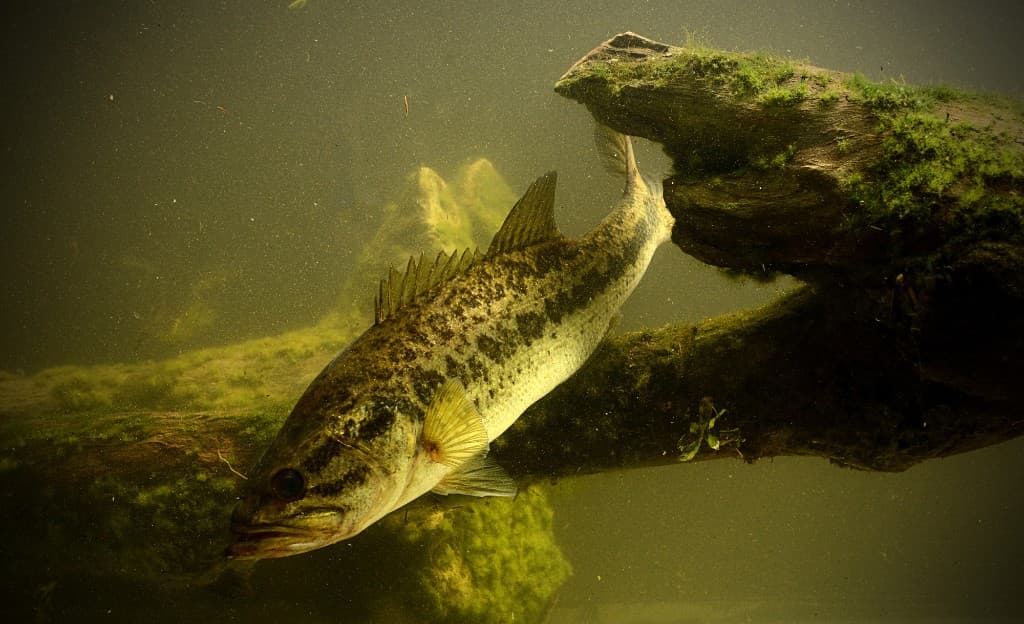
Oklahoma Fishing 2026: Licenses, Plains Lakes, and Southeast Rivers
Oklahoma fishing 2026—license options, official ODWC regulations, Texoma border-water planning, trout-water checks, and reservoir rule links.
2026 seasons & limits
Verify rules with Oklahoma fish & wildlife
- Confirm open seasons, daily bag, and possession limits for each species and water you fish.
- Check length and slot rules—many lakes, rivers, and bays have special tables beyond statewide defaults.
- Review 2026 summaries and any emergency orders (closures, health notices, gear rules) before you go.
The Inside Spread orients you for trip planning only. Conservation officers enforce the official published regulations—not articles or forum posts.
Need an Oklahoma fishing license, the current regulations guide, or the right Lake Texoma or trout-water page before your trip? Start with Oklahoma Department of Wildlife Conservation — Fishing and decide whether you are planning a reservoir, a river, a trout outing, or a Texoma border-water trip. That first choice usually solves most of the licensing and special-rule questions.
Oklahoma is about variety more than stereotype. Grand, Tenkiller, Broken Bow, the Lower Mountain Fork, big prairie reservoirs, and Lake Texoma do not share the same planning assumptions, and wind plus water level matter almost as much as lure choice. If you define the exact region and fishery first, the regulation and access questions become much easier to sort.
2026 Seasons, Limits, and Rule Changes
This article is not the law. Your state's fish and wildlife agency publishes the official rules—online digests, mobile apps, and emergency notices—and those sources control what you can keep, when you can fish, and where.
Oklahoma manages freshwater fisheries only—rivers, reservoirs, lakes, and streams. Named waters often carry special regulations beyond statewide defaults; border waters and interstate coordination may apply on shared rivers. Always match the species, water body, and date you plan to fish to the correct table.
What to verify before every trip
- Seasons and closures for each species you target (game fish, panfish, trout, salmon, and steelhead where present)
- Daily and possession limits (creel limits) and whether aggregate caps apply across similar species
- Minimum and maximum length and slot limits, plus how length is measured (total length vs. fork length)
- Gear restrictions (bait, hooks, tackle) where they apply
- Special rules for WMAs, community fishing waters, trophy waters, and border waters
2026 updates and mid-season changes
Agencies publish annual summaries and sometimes emergency orders (water quality, fish health, stock changes, or temporary closures). Before you plan 2026 trips:
- open the current regulations for the license year that covers your dates
- check your agency's news or rule change page for new limits, stamps, or reporting rules
- read invasive species and bait movement notices if you move boats or gear between waters
If a forum or social post disagrees with the agency PDF, trust the agency and walk away from edge cases.
Popular species: what to look up in the digest
Use the index or online tools to find limits for the fish you actually plan to catch—black bass (largemouth, smallmouth, spotted), panfish (crappie, bluegill, perch, sunfish), catfish, trout and salmon (including steelhead where present), walleye and sauger, muskies and pike, and other species listed for your water in the official guide. Do not keep fish until you match the species to the exact rule line for that water body and date.
| Topic | Verify in the official digest |
|---|---|
| Daily bag | Per-day harvest limit per species or aggregate groups |
| Possession | Fish you may have in camp, cooler, or vehicle combined |
| Length / slot | Minimum, maximum, or protected length bands |
| Season | Opening and closing dates, catch-and-release-only windows, closures |
Oklahoma official source: Oklahoma Department of Wildlife Conservation — Fishing
What Oklahoma Fishing License Do I Need?
Most anglers in Oklahoma need a valid fishing license unless they fall under an exemption in the current ODWC rules. Resident and nonresident options differ, and the best practice is to buy the correct license through the official licensing system before your trip. That sounds basic, but it saves time at the ramp and reduces the chance that you discover a missing permit or misunderstanding only after you have already traveled.
Licenses are only the first layer. Oklahoma also has species-specific and area-specific rules that can shape what you need to know before you fish. Trout waters deserve close reading. Paddlefish snagging is its own category of planning. Striped bass, hybrid fisheries, and special-water regulations can add details that do not show up in a simple license purchase flow. If your plan includes a famous destination water, read the regulations for that fishery itself instead of assuming the generic statewide summary is enough.
A simple Oklahoma pre-trip license checklist looks like this:
- Confirm your residency status under current ODWC definitions.
- Buy the appropriate fishing license through the official system or a licensed agent.
- Read any special regulations tied to trout, paddlefish, striped bass, or your exact lake or river.
- Keep proof of license available in a format you can access without depending entirely on cell service.
Lake Texoma is the place where planning tends to get more complicated. Because it is border water with Texas, anglers should be careful not to rely on hearsay about reciprocal privileges or old assumptions about who can fish where. Even experienced Texoma anglers check the current rules because the details matter. Where you launch, what area you intend to fish, and which species you plan to keep can all influence what guidance applies. Border-water trips are fun, but they reward exact reading more than casual confidence.
Seasonal Patterns Across Oklahoma
Spring is the season that introduces many traveling anglers to Oklahoma because it stacks multiple fisheries at once. Bass move shallow or near-shallow structure, crappie bunch around cover and creek channels, river systems gain life, and trout still offers comfortable conditions. Spring is also windy. That matters more in Oklahoma than in many states because broad, open reservoirs can get difficult fast. On a map, a run may look short. In a spring crosswind, it can feel much longer and much rougher.
Summer shifts the state toward early, late, and night-oriented fishing. Reservoir bass anglers often focus on deeper structure, offshore schools, docks, or low-light windows. Catfish anglers settle into river channels, reservoir edges, and consistent summer feeding patterns. Striper and hybrid anglers keep a close eye on open-water activity, bait, and boat-ready weather windows. Summer can be excellent, but it demands respect for heat exposure, hydration, lightning, and surface traffic on popular lakes.
Fall is a great travel season in Oklahoma because it often combines manageable weather with active fish and less family-recreation traffic. Bass and hybrids push bait, crappie becomes more patternable, and catfish remains relevant. Fall also rewards mobility. If one windblown area muddies up or gets crowded, another section of the lake may fish well enough to save the day. That kind of flexibility is one reason Oklahoma remains a strong road-trip state for multi-species anglers.
Winter is more specialized but still valuable. Trout stays prominent. Warm-water species do not disappear, but they often ask for slower presentations and more careful timing. River conditions become even more important, and cold-weather safety takes a bigger role in trip planning, especially on larger lakes where wind chill can turn a simple boat ride into a bad decision.
Where Are Oklahoma’s Top Bass and Catfish Waters?
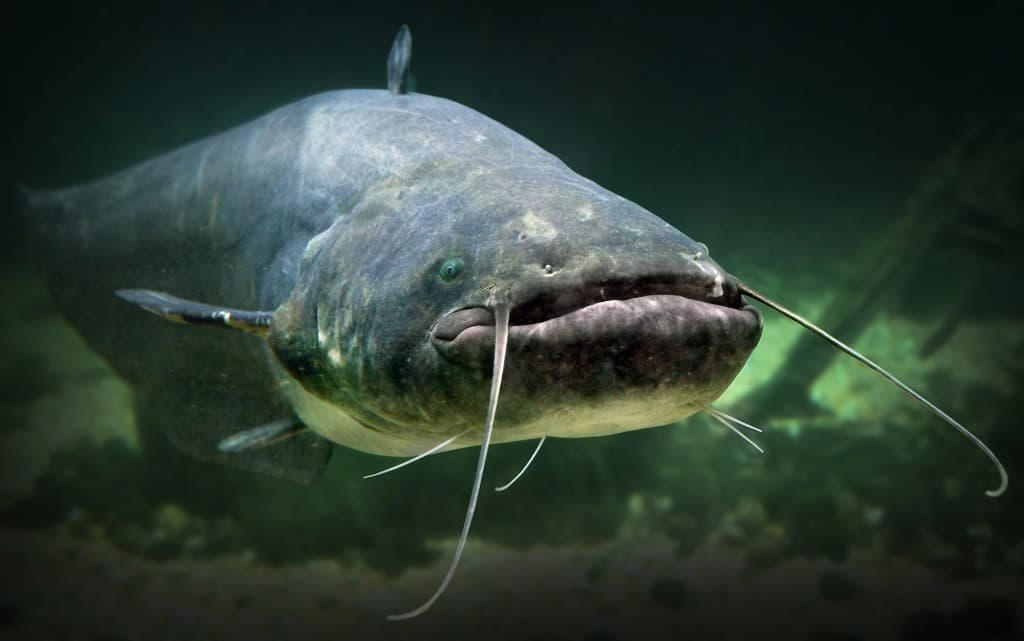
Oklahoma's reputation rests heavily on a handful of destination fisheries, but those waters matter because they are genuinely different from each other. Grand Lake O' the Cherokees is a major name for bass, docks, and tournament energy. Lake Texoma is famous for striped bass but also matters to bass anglers and anyone who likes big-water planning. Broken Bow Lake offers clear water and scenic southeastern terrain that fish differently from many prairie reservoirs. The Arkansas River system, the Red River region, and various flatland reservoirs widen the state's catfish and mixed-species appeal.
- Grand Lake: high-profile bass water with dock patterns, tournament traffic, and a developed shoreline.
- Lake Texoma: border-water destination known especially for striped bass, but also a major planning lake for multi-species anglers.
- Broken Bow Lake: clear southeastern reservoir with bass appeal, scenic structure, and finesse-friendly conditions.
- Tenkiller Ferry Lake: another clear-water option that blends bass, crappie, and seasonal versatility.
- Arkansas River: broad system with catfish, sand bass, hybrids, and current-related hazards.
- Red River and southern impoundments: productive territory for catfish anglers who plan around flow, access, and weather.
Grand Lake is the most obvious example of how Oklahoma fishing can be both exciting and crowded. It is productive, famous, and heavily used. If you love docks, boat lanes, and competitive bass atmosphere, that may be a positive. If you prefer solitude, fish it on off-peak windows or use it as a weekday destination. Broken Bow is almost the opposite in mood. It still attracts attention, but the scenery, water clarity, and southeastern terrain change how the day feels and how anglers approach fish location.
Catfish anglers should not treat Oklahoma as one uniform fishery either. Blue cat, channel cat, and flathead opportunities exist across the state, but the patterns differ between large reservoirs, river channels, and smaller local waters. Current, bait availability, and access method matter more than broad statewide assumptions. Many anglers do best when they pick one catfish style for the trip instead of trying to combine still-water and river approaches in the same day.
Trout, Rivers, and Unique Oklahoma Fisheries
Oklahoma surprises people with trout. Lower Mountain Fork River and Blue River are the best-known names, and for good reason. They offer coldwater opportunities that stand out in a state more often associated with warm-water fishing. But trout trips require more regulation awareness than many bass or catfish outings. Special method areas, stocking-related expectations, seasonal shifts, and local access rules all shape the experience. Read the current ODWC guidance before you go, especially if you are traveling a long way and building a dedicated trout weekend.
Paddlefish is another uniquely Oklahoma conversation. The state has long had strong interest in paddlefish snagging and related planning, but it is not something to approach casually. Seasons, reporting expectations, and biological management all make it more regulated than a simple bank-fishing trip. If paddlefish is the target, build the trip around the current ODWC framework instead of trying to add it as a spontaneous side mission.
Striped bass and hybrids also give Oklahoma a different personality from neighboring inland states. Texoma is the headline, but open-water fish can create a saltwater-style urgency that some freshwater anglers love. The challenge is that these fisheries magnify safety issues. Wind, open runs, sudden weather changes, and heavy boat traffic matter more when anglers chase schooling activity over broad water.
Border Water Planning on Lake Texoma
Texoma deserves its own section because it blends opportunity with complexity. Anglers are drawn there for good reason. The lake is large, productive, and has a reputation that extends far beyond Oklahoma. But border-water fishing is where details matter. You should know which ramps you intend to use, what part of the reservoir you expect to fish, and which rules apply under current Oklahoma guidance before you back down the trailer.
Use a conservative border-water routine:
- Read the latest ODWC licensing and regulation guidance before the trip.
- If your plan touches Texas water, read the applicable Texas information too.
- Understand your launch point and likely fishing area rather than improvising across the state line.
- Treat online hearsay as a starting point, not the final word.
Texoma also teaches a broader lesson about Oklahoma fishing. The state's best-known waters are productive because they are dynamic. Wind can reshape your route. Holiday traffic can change your safe run. A calm cove at dawn can be rough by lunch. That is not a reason to avoid the lake; it is a reason to respect it.
Safety, Weather, and Access
Oklahoma anglers plan around wind more than many visitors expect. Big reservoirs without much natural shelter can become challenging in a hurry, and long points or open basins can turn a short run into a wet, punishing ride. Add summer thunderstorms, spring cold fronts, or winter chill, and safety becomes the foundation of trip planning rather than a box you check at the end.
River anglers face a different set of issues. Current, submerged obstructions, fluctuating levels, and in some places navigation or low-water hazards can all matter. Larger rivers may include traffic you need to give wide room. Smaller rivers and streams can feel tame until a rain event changes clarity and speed. The right mindset is to assume Oklahoma water conditions are variable, not fixed.
A strong safety routine includes:
- Watching wind forecasts as closely as you watch fish forecasts.
- Wearing a life jacket during runs and whenever conditions call for it.
- Carrying extra water, sun protection, and a realistic heat plan in warm months.
- Checking access rules, ramp conditions, and any posted notices before the trip.
- Avoiding low-water crossings, steep muddy banks, and fast current when bank fishing rivers.
Public access deserves attention too. Oklahoma has excellent opportunities through public lakes, wildlife management areas, and community resources, but not every shoreline is public. Use signed access areas, respect gates and parking designations, and do not turn a fishing trip into a land-access argument. That is both the legal and practical way to keep good spots open.
Tournaments, Pressure, and Summer Conditions
Tournament culture is a real part of Oklahoma fishing, especially on headline bass lakes. If you are not fishing an event, you should still think like someone who understands event logistics. Ramps may fill earlier than expected. Fishable community holes may be crowded. Midday fish handling may be more stressful in summer. Knowing that in advance lets you plan smarter. Sometimes the best move is launching later, choosing a secondary ramp, or fishing a less famous lake that better matches your goals.
Summer fish care matters whether you are fun fishing or competing. Warm livewells, long photo sessions, and rough handling can all reduce survival. If you plan to release fish, do it efficiently. If you plan to keep fish, stay within current limits and be honest about what you will use. Oklahoma's fisheries do not need more social-media hero shots; they need anglers who make decisions that leave the fishery healthy for the next trip.
Invasive Species, Water Stewardship, and Ethics
Oklahoma anglers move between lakes a lot, which makes invasive-species awareness more than a talking point. Boats, trailers, anchors, livewells, and wading gear can carry unwanted plants, animals, and pathogens between waters. One of the simplest habits in fishing is also one of the most important: inspect your gear, drain water where required, and let equipment dry before moving to another fishery whenever possible.
Ethics go beyond staying legal. Give other anglers room, especially during schooling bites and narrow river access situations. Do not block ramps while rigging. Pack out line, bait containers, and soft plastics. Be realistic about harvest. If you are introducing a child or first-time angler to fishing, model good conduct as deliberately as you model knot tying. Fisheries culture is taught at the ramp one interaction at a time.
Plan Your Oklahoma Fishing Trip
The easiest way to build a productive Oklahoma trip is to choose one of three identities for the weekend. Make it a bass trip, a trout trip, or a catfish-and-mixed-bag trip. Bass travelers often start with Grand, Texoma, Broken Bow, or Tenkiller depending on whether they want tournament energy, striped bass adjacency, or clearer southeastern water. Trout travelers simplify around Lower Mountain Fork or Blue River and read regulations carefully before arrival. Catfish travelers decide whether they want reservoir structure, southern river systems, or a broad river approach with current in play.
Once you choose the fishery, build a backup for weather. Oklahoma punishes one-plan itineraries when the wind turns wrong or a favored ramp gets crowded. Have one protected option, one bank-access fallback, and one shorter run that still matches your species target. That flexibility keeps the trip enjoyable even when conditions are not ideal.
See Oklahoma outdoors and Oklahoma fishing hub. More: fishing articles.
Frequently Asked Questions
Do I need a fishing license in Oklahoma?
Most anglers need a valid Oklahoma fishing license unless they qualify for an exemption in current ODWC rules. Residents and nonresidents should verify the right option before they travel.
Where can I find Oklahoma fishing regulations?
Use the ODWC fishing pages and the current Oklahoma fishing regulations materials. That is where you will find the statewide summary plus special rules for particular waters and species.
What lakes are famous for bass in Oklahoma?
Grand Lake, Lake Texoma, Broken Bow Lake, and Tenkiller are among the best-known names. Each fishes differently, so pick one that matches the season, weather, and style of trip you want.
Does Lake Texoma require special planning?
Yes. Texoma is a border-water destination with interstate considerations, open-water wind risk, and heavy recreational and fishing pressure. Read the current official guidance before you go.
Where are Oklahoma’s main trout opportunities?
Lower Mountain Fork River and Blue River are the headline trout destinations for many anglers. Before traveling, verify the latest methods, access notes, and regulation details that apply to the exact section you plan to fish.
What should I watch for on Oklahoma rivers?
Current, changing water levels, summer heat, and navigation hazards are the biggest recurring concerns. Rivers can shift quickly after weather changes, so treat the day's conditions as a live safety factor, not background information.
Sources
- Oklahoma Department of Wildlife Conservation. "Fishing." ODWC, https://www.wildlifedepartment.com/fishing. Accessed 7 Apr. 2026.
- Oklahoma Department of Wildlife Conservation. "Licenses." ODWC, https://www.wildlifedepartment.com/licensing. Accessed 7 Apr. 2026.
- Oklahoma Department of Wildlife Conservation. "Fishing Regulations." ODWC, https://www.wildlifedepartment.com/fishing/regulations. Accessed 7 Apr. 2026.
Official state agency
Oklahoma Department of Wildlife Conservation — FishingVerify season openings, daily bag, possession, and length or slot rules for each water and species you target—plus any 2026 rule changes or emergency orders—before you fish.
Written by
The Inside Spread Team
The Inside Spread team covers fishing regulations and access across all 50 states. We tie every guide to official agency sources so you can verify seasons, bag limits, and license rules before you launch.
Comments
No comments yet. Be the first to share your thoughts.
More in state-guides
Arkansas Duck Hunting 2026: Season Dates, WMA Permits, License Costs & Complete Guide
Arkansas duck hunting 2026-27—three-segment season dates, nonresident WMA waterfowl permits, Black River and Bayou Meto access changes, and Delta license costs.
Georgia Whitetail Deer Hunting 2026: Season Dates, Extended Counties, License Costs & Nonresident Guide
Georgia whitetail deer hunting 2026-27—archery, primitive weapons, and firearms dates, 29-county extended archery, 12-deer bag, Game Check, and the nonresident guide.
Kentucky Whitetail Deer Hunting 2026: Season Dates, Zone Changes, License Costs & Nonresident Guide
Kentucky whitetail deer hunting 2026-27—archery, crossbow, and modern gun dates, the 2026 zone map, license and deer permit costs, Telecheck, and the nonresident guide.
Michigan Whitetail Deer Hunting 2026: Season Dates, License Costs, UP vs LP & Nonresident Guide
Michigan whitetail deer hunting 2026—archery, firearm, and three-day December dates, DNR license fees, Upper vs Lower Peninsula rules, baiting, and the nonresident guide.