
Oregon Fishing 2026: Licenses, Columbia Rivers, and Coastal Waters
Oregon fishing 2026—license options, combined-tag checks, ODFW regulations, Columbia River planning, coastal salmon updates, and official emergency rules.
2026 seasons & limits
Verify rules with Oregon fish & wildlife
- Confirm open seasons, daily bag, and possession limits for each species and water you fish.
- Check length and slot rules—many lakes, rivers, and bays have special tables beyond statewide defaults.
- Review 2026 summaries and any emergency orders (closures, health notices, gear rules) before you go.
The Inside Spread orients you for trip planning only. Conservation officers enforce the official published regulations—not articles or forum posts.
Need an Oregon fishing license, the right combined tag, or the current emergency regulation before your trip? Start with MyODFW and decide whether your day is built around the Columbia, a coastal river, an inland lake, or marine water. That first choice usually answers most of the licensing and rule-table questions.
Oregon still begins with a map in your head. The Columbia does not plan like a high-desert trout lake, and neither works like a coastal salmon river or a Willamette Valley warm-water trip. Because salmon, steelhead, sturgeon, and halibut can require special tags or rapidly changing in-season rules, anglers do best when they define the exact fishery first and then read the matching ODFW update.
2026 Seasons, Limits, and Rule Changes
This article is not the law. Your state's fish and wildlife agency publishes the official rules—online digests, mobile apps, and emergency notices—and those sources control what you can keep, when you can fish, and where.
Oregon layers freshwater and saltwater rules differently; named lakes, rivers, and bays often have special regulations beyond statewide defaults; border waters and stocks shared with neighboring states or federal waters can add more rules. Always match the species, water body, and date you plan to fish to the correct table.
What to verify before every trip
- Seasons and closures for each species you target (game fish, panfish, trout, salmon, steelhead, or saltwater species)
- Daily and possession limits (creel limits) and whether aggregate caps apply across similar species
- Minimum and maximum length and slot limits, plus how length is measured (total length vs. fork length)
- Gear restrictions (bait, hooks, tackle) where they apply
- Special rules for WMAs, community fishing waters, trophy waters, and border waters
2026 updates and mid-season changes
Agencies publish annual summaries and sometimes emergency orders (water quality, fish health, stock changes, or temporary closures). Before you plan 2026 trips:
- open the current regulations for the license year that covers your dates
- check your agency's news or rule change page for new limits, stamps, or reporting rules
- read invasive species and bait movement notices if you move boats or gear between waters
If a forum or social post disagrees with the agency PDF, trust the agency and walk away from edge cases.
Popular species: what to look up in the digest
Use the index or online tools to find limits for the fish you actually plan to catch—black bass (largemouth, smallmouth, spotted), panfish (crappie, bluegill, perch, sunfish), catfish, trout and salmon (including steelhead where present), walleye and sauger, muskies and pike, and—if your trip includes coastal or estuary water—saltwater species such as red drum, spotted seatrout, snapper, groupers, striped bass, and flounder. Do not keep fish until you match the species to the exact rule line for that water body and date.
| Topic | Verify in the official digest |
|---|---|
| Daily bag | Per-day harvest limit per species or aggregate groups |
| Possession | Fish you may have in camp, cooler, or vehicle combined |
| Length / slot | Minimum, maximum, or protected length bands |
| Season | Opening and closing dates, catch-and-release-only windows, closures |
Oregon official source: Oregon Department of Fish and Wildlife — Fishing
What Oregon Fishing License Do I Need?
Most anglers 12 and older need a valid Oregon angling license unless a current exemption applies. ODFW directs anglers to MyODFW and license agents for purchases and renewals. The practical planning step is to match the license and any required tags to the species and waters you intend to fish. Salmon and steelhead fisheries often involve combined angling tags and careful attention to harvest recording. Sturgeon fisheries can be highly regulated with strict size windows and seasonal closures. Pacific halibut opportunities can involve additional validations and ocean-focused rules that do not translate to inland lakes.
Youth anglers and families should read the current age thresholds and license expectations each year. Oregon’s programs can include reduced-cost options for qualifying residents, but qualifications and administrative details can change. If you are fishing with a guide or charter, confirm what the operation provides versus what you must carry personally. Never assume someone else’s paperwork covers your legal responsibilities.
Columbia River Joint Rules and Why They Matter
The Columbia River is Oregon’s headline water for many anglers, but it is not “just another big river” under Oregon-only rules. Joint management with Washington means compact agreements and shared seasons can govern mainstem fishing in ways that differ from tributary rules. Walleye fisheries have passionate followings in eastern sections, while salmon and steelhead fisheries draw effort from Portland upstream through famous drifts and boat launches. Sturgeon encounters require special care: regulations can be tight, identification must be confident, and release practices must protect fish.
If you are planning a Columbia trip, build a pre-trip routine: identify your launch, identify the river section, and identify whether your day is governed by joint mainstem rules or a more localized set of expectations. Carry screenshots or downloaded PDFs when cell service is spotty. The river’s size also means weather and wind can change safety conditions quickly; life jackets and conservative decisions prevent tragedies that regulations cannot fix.
Coastal Rivers and Nearshore Saltwater
Oregon’s north and south coasts offer different personalities. Winter steelhead traditions run deep in coastal communities, and summer steelhead fisheries bring a different pace and tackle emphasis. Saltwater anglers pursue bottomfish, lingcod, and seasonal opportunities depending on ports and ocean conditions. Nearshore fishing can be excellent, but ocean swells and bar crossings require respect. Check forecasts, understand your vessel’s limits, and avoid crossing bars when experienced locals are staying ashore.
Estuary systems can behave like moving boundaries: tides, clarity, and bait presence shift daily. That variability is part of the appeal, but it also means you should confirm species identification carefully when retention is part of the plan. Rockfish and bottomfish fisheries often involve depth rules and area restrictions designed to protect rebuilding stocks. Treat those rules as part of successful fishing, not an obstacle to workaround.
High-Desert Lakes, Klamath Basin Complexity, and Eastern Reservoirs
Eastern Oregon’s high-desert lakes and reservoirs offer trout, kokanee, and warm-water opportunities in a dramatically different landscape from the coast. These fisheries can be wind-affected, structurally simple from a distance, and surprisingly technical once you dial in trolling passes or still-fishing depths. Walleye fisheries in the region can be strong where habitat and forage align, but they still require attention to local rules and changing conditions.
Water availability, drought cycles, and management challenges can affect some eastern waters over time. Anglers should read notices for fish health, access changes, or special regulations tied to conservation concerns. Flexibility matters: a backup lake within a reasonable drive can salvage a trip when wind turns a primary reservoir into a whitecap arena.
Willamette Valley Reservoirs and Urban-Adjacent Fisheries
Closer to population centers, Willamette Valley reservoirs and river reaches support popular bass and panfish fisheries, catfish opportunities, and seasonal trout stocking programs that help families connect with fishing. These waters can be crowded on weekends, and etiquette becomes part of success. Give other anglers space, avoid cutting lines, and follow ramp procedures so everyone gets on the water safely.
Seasonal Patterns Across Oregon
Spring often highlights early trout opportunities and shifting river conditions. Summer opens high-country access and stable reservoir patterns while increasing recreational boat traffic. Fall can offer some of the year’s best steelhead and salmon windows depending on runs and regulations. Winter is specialized but culturally important for steelhead anglers who accept cold water and short days. Across seasons, check road conditions and forest closures when heading into remote areas.
Invasive Species, Boat Hygiene, and Bait Movement
Oregon’s aquatic invasive species program is part of modern fishing. Inspectable watercraft may encounter checkpoints; all anglers benefit from clean, drain, dry discipline. Do not move live fish or prohibited bait between waters. If you wade multiple rivers in a week, inspect boots and gear for mud and plant material. These steps protect the fisheries that make Oregon trips memorable.
Safety: Cold Water, Swift Water, and Ocean Weather
Oregon’s beauty includes hazards. Swift coastal rivers can rise quickly after rain. Cold water immersion is a real risk in winter steelhead fisheries. Ocean conditions can change faster than a forecast refresh. Wear a life jacket when conditions warrant it, carry signaling tools in remote settings, and teach new anglers to respect wading limits. On reservoirs, sudden wind can make return trips rough; plan morning launches with afternoon wind in mind.
Where Are Oregon’s Strongest River and Coastal Fisheries?
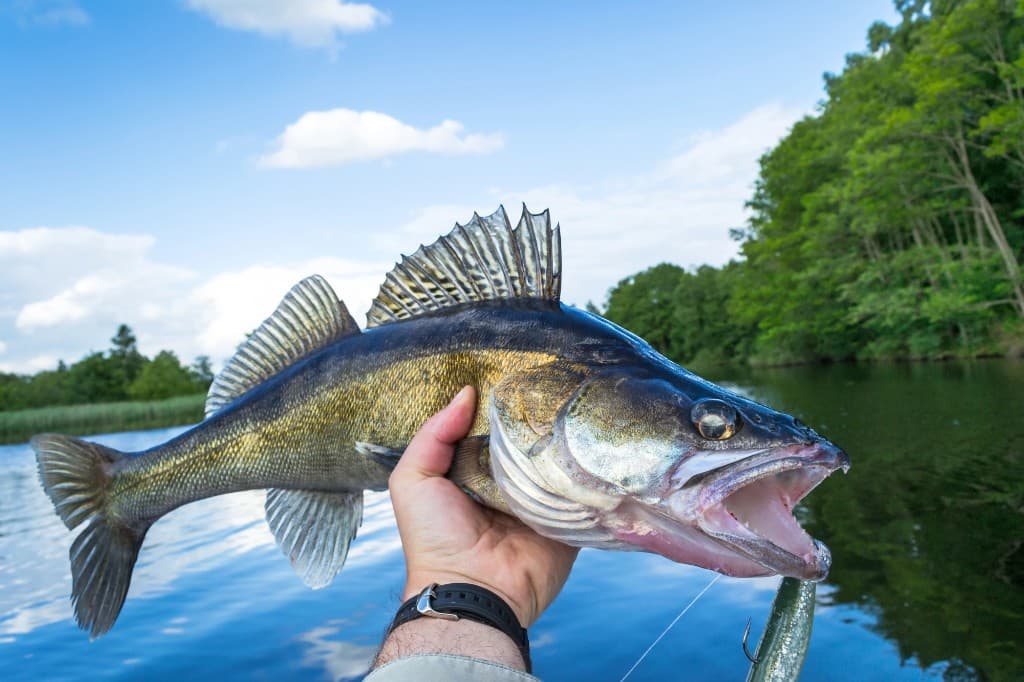
Oregon’s strongest river fisheries cluster around the Columbia system, major coastal rivers with salmon and steelhead traditions, and inland reaches where trout and steelhead opportunities align with habitat and regulations. Coastal strength often tracks seasonal runs and local knowledge more than a single “best river” headline. Reservoir strength in eastern Oregon tracks kokanee and trout fisheries in clear deep lakes, while Willamette Valley waters shine for accessible warm-water fishing and family-friendly stocking programs.
If you are building a first Oregon trip, pick one region and learn it well. The state rewards repeat visitors who return with better timing, better access knowledge, and better respect for local norms.
Plan Your Oregon Fishing Trip
Start with a species goal, then choose a region that supports it legally and practically. Confirm licensing and tags, confirm access, and build a weather-dependent backup. If you mix Columbia fishing with coastal fishing in one vacation, separate your regulation research into two notebooks—joint river rules and ocean/coastal rules do not always feel intuitive when combined on one itinerary.
Use our Oregon outdoors guide with the Oregon fishing hub. More: fishing articles.
Frequently Asked Questions
Do I need an Oregon fishing license?
Most anglers 12 and older need a valid Oregon angling license; combined angling tags or validations may apply for salmon, steelhead, sturgeon, or Pacific halibut—check MyODFW for current rules.
Where can I find Oregon fishing regulations?
Use MyODFW and ODFW regulations pages for the Oregon Sport Fishing Regulations booklet and Columbia River compact updates.
What are Oregon’s best-known fisheries?
The Columbia and coastal rivers support salmon and steelhead; high-desert lakes offer trout and kokanee; Willamette Valley reservoirs are popular for bass and panfish.
Why is Columbia River fishing different from other Oregon waters?
The Columbia mainstem is managed with Washington under joint rules in many situations; seasons, closures, and gear rules may not match inland Oregon defaults—verify the Columbia-specific tables for your date and location.
What invasive species steps should Oregon boaters take?
Clean, drain, and dry boats and gear, follow inspection requirements where posted, and avoid moving water or aquatic material between basins.
Where should I check for mid-season rule changes in Oregon?
Use ODFW/MyODFW emergency regulation updates and in-season announcements; salmon and steelhead fisheries can change quickly depending on run status and management needs.
Sources
- Oregon Department of Fish and Wildlife. "MyODFW." ODFW, myodfw.com. Accessed 16 Apr. 2026.
- Oregon Department of Fish and Wildlife. "Fishing Regulations." ODFW, myodfw.com/fishing. Accessed 16 Apr. 2026.
- Oregon State Marine Board. "Boating Safety." OSMB, oregon.gov/osmb. Accessed 16 Apr. 2026.
Official state agency
Oregon Department of Fish and Wildlife — FishingVerify season openings, daily bag, possession, and length or slot rules for each water and species you target—plus any 2026 rule changes or emergency orders—before you fish.
Written by
The Inside Spread Team
The Inside Spread team covers fishing regulations and access across all 50 states. We tie every guide to official agency sources so you can verify seasons, bag limits, and license rules before you launch.
Comments
No comments yet. Be the first to share your thoughts.
More in state-guides
Arkansas Duck Hunting 2026: Season Dates, WMA Permits, License Costs & Complete Guide
Arkansas duck hunting 2026-27—three-segment season dates, nonresident WMA waterfowl permits, Black River and Bayou Meto access changes, and Delta license costs.
Georgia Whitetail Deer Hunting 2026: Season Dates, Extended Counties, License Costs & Nonresident Guide
Georgia whitetail deer hunting 2026-27—archery, primitive weapons, and firearms dates, 29-county extended archery, 12-deer bag, Game Check, and the nonresident guide.
Kentucky Whitetail Deer Hunting 2026: Season Dates, Zone Changes, License Costs & Nonresident Guide
Kentucky whitetail deer hunting 2026-27—archery, crossbow, and modern gun dates, the 2026 zone map, license and deer permit costs, Telecheck, and the nonresident guide.
Michigan Whitetail Deer Hunting 2026: Season Dates, License Costs, UP vs LP & Nonresident Guide
Michigan whitetail deer hunting 2026—archery, firearm, and three-day December dates, DNR license fees, Upper vs Lower Peninsula rules, baiting, and the nonresident guide.