
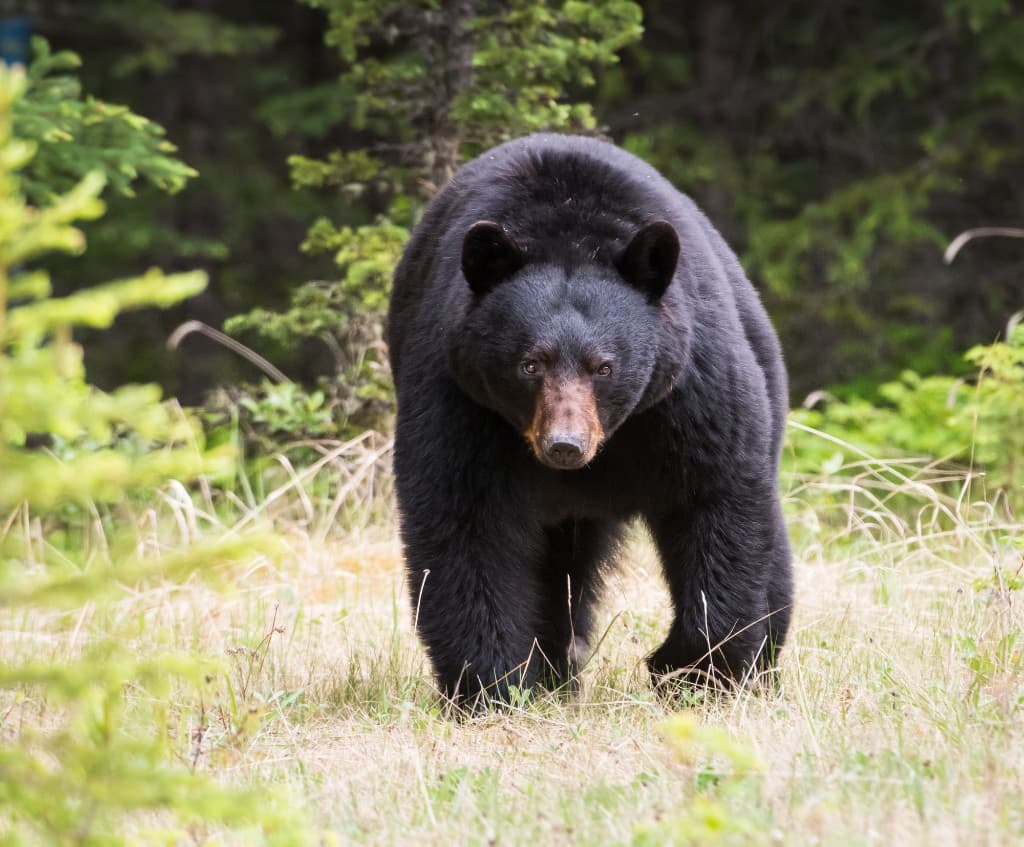
Oregon Spring Black Bear Hunting 2026: Controlled Hunts, Forecast & Where to Hunt
Oregon spring bear 2026—controlled hunts, April–May season framework, no OTC spring tags, and verifying tag numbers and units in ODFW regulations.
Oregon runs its entire spring bear season through a controlled hunt system—there are no over-the-counter spring bear tags. For 2026, spring bear controlled hunts generally run April 1 through May 31; tag numbers, hunt series, and deadlines are set in the current Oregon Big Game Regulations—verify your hunt number, unit, and purchase deadlines before you apply or buy. Weather and snowpack vary by year and unit; scout access and read the current year’s rules rather than relying on informal forecasts.
- Controlled hunt season: typically April 1 – May 31 (confirm in current regulations)
- Tag allocation and hunt codes: see current ODFW big game synopsis
- Application and tag purchase deadlines: published annually—confirm on myodfw.com
When Is Oregon Spring Bear Season 2026?
Oregon's spring bear season runs April 1 through May 31 for all controlled hunt tag holders. Unlike states with general OTC seasons, Oregon requires hunters to apply for and receive a controlled hunt tag before pursuing spring bears. Season dates are uniform across most Wildlife Management Units, though some units may have slight variations.
- Season dates: April 1 – May 31 statewide
- Shooting hours: 30 minutes before sunrise to 30 minutes after sunset
- All hunts are controlled (no OTC spring tags)
- Verify dates and unit details at myodfw.com
The April–May window aligns with peak bear activity after den emergence. Bears are concentrated on south-facing slopes and in valley bottoms feeding on early grasses, skunk cabbage, and carrion. The first two weeks of the season often produce the best glassing opportunities before vegetation fills in.
How Oregon's Controlled Hunt System Works
Oregon uses controlled spring bear hunts (historically in the 700 hunt-number series—confirm the current synopsis). Tag allocations vary by Wildlife Management Unit and year. Do not use third-party tag totals for planning; use the ODFW controlled hunt tables for the license year you are hunting.
- Application deadlines, preference points, and tag sale deadlines: published in the current big game regulations
- Draw odds and tag counts: vary by unit and year—see ODFW publications for the year you apply
Southwest Oregon often has more tags and higher bear harvest in ODFW data than some other regions, but your hunt’s odds depend on the specific hunt code and year.
Tracking deadlines and draw results is easier with the right tools. The best hunting apps for 2025 include platforms that manage application timelines across multiple states.
Spring Conditions and Identification
Spring weather, snowpack, and green-up timing change every year. Use local Forest Service road status, snow depth, and recent scouting to plan access—do not treat any single winter as “typical.”
Oregon has no grizzly bear population, which simplifies species identification versus Idaho and Montana. Black bears still demand wind discipline—see how animals detect your presence.
Where to Hunt Spring Bears in Oregon
Southwest Oregon dominates spring bear hunting in the state by sheer tag volume and bear density. The Coast Range, Siskiyou Mountains, and southern Cascades hold the highest populations. Eastern Oregon offers lower-pressure hunts in more open terrain but with fewer tags and lower bear densities.
- SW Oregon (Rogue, Umpqua, Coos units): Often strong bear harvest in ODFW data; thick timber, burns, and clearcuts—spot-and-stalk on old logging roads
- NW Oregon (Coast Range units): Dense vegetation; glassing can be harder than in open country
- South Central / Eastern Oregon: More open terrain in places; tag numbers and seasons vary—match the regulations to your unit
Public land access is excellent across Oregon. BLM and National Forest land cover millions of acres in bear country, and Oregon does not restrict public land bear hunting to specific tracts the way some states limit access on WMAs. Old logging roads provide vehicle access deep into hunting areas, particularly in SW and NW Oregon.
For gear that handles Oregon's variable spring weather—rain, snow, and 60-degree afternoons in the same day—our elk hunting gear guide covers layering systems and optics that translate directly to spring bear.
Key Regulations
Oregon allows any legal weapon for spring bear—rifles, shotguns, muzzleloaders, bows, and crossbows. Specific weapon restrictions may apply in certain controlled hunt designations, so check your tag details.
- Bag limit: one bear per tag; one tag per hunter per season
- Legal weapons: any legal weapon unless restricted by specific hunt designation
- Cubs and sows: unlawful to harvest cubs (bears under one year) or sows accompanied by cubs
- Mandatory check-in: all harvested bears must be checked in at an ODFW office within 10 days of harvest
- Harvest reporting: report hunt results (success or not) by January 31, 2027; failure to report may affect future controlled hunt eligibility
- Baiting: prohibited for bear hunting in Oregon
- Hound hunting: prohibited for bear hunting in Oregon (Measure 18, 1994)
- Evidence of sex: must remain naturally attached to the hide until checked in
Oregon's prohibition on baiting and hound hunting means all spring bear hunting is spot-and-stalk or calling. This levels the playing field and puts a premium on glassing skills, terrain knowledge, and patience. Hunters who invest in scouting and learn to read bear sign—tracks, scat, turned rocks, torn logs—have a significant advantage.
Hunter-funded conservation is the backbone of Oregon's bear management program. Every controlled hunt tag sold generates revenue that supports population surveys, habitat work, and damage management. Learn more about who funds wildlife conservation and why the controlled hunt system exists.
Plan Your Oregon Spring Bear Hunt
Oregon's controlled hunt system caps participation by unit and hunt. If you drew a tag, confirm your season dates and weapon restrictions on the license and regulations for that hunt. Focus on glassing south-facing slopes and edges, and hunt when movement is most likely for bears in your area.
Check the Oregon hunting guide for more on seasons, licenses, and public land across the state. If you didn't draw this year, start building preference points for 2027 and consider SW Oregon units where draw odds are most favorable. Spring bear in Oregon rewards the prepared hunter—and the country is worth every mile of hiking.
Sources
- Oregon Department of Fish and Wildlife. "Big Game Hunting." ODFW, myodfw.com/big-game-hunting. Accessed 31 Mar. 2026.
- Oregon Department of Fish and Wildlife. Oregon Big Game Regulations (current year). ODFW / eRegulations, eregulations.com/oregon. Accessed 31 Mar. 2026.
Official state agency
Oregon Department of Fish and WildlifeVerify seasons, bag limits, and license rules with the agency before you hunt.
Written by
The Inside Spread Team
The Inside Spread team includes hunters with field experience across the Pacific Northwest. Our writers have pursued spring black bears in Oregon's Coast Range, Cascades, and eastern desert units, and stay current on ODFW regulation changes and tag allocation data.
Comments
No comments yet. Be the first to share your thoughts.
More in state-guides
Arkansas Duck Hunting 2026: Season Dates, WMA Permits, License Costs & Complete Guide
Arkansas duck hunting 2026-27—three-segment season dates, nonresident WMA waterfowl permits, Black River and Bayou Meto access changes, and Delta license costs.
Georgia Whitetail Deer Hunting 2026: Season Dates, Extended Counties, License Costs & Nonresident Guide
Georgia whitetail deer hunting 2026-27—archery, primitive weapons, and firearms dates, 29-county extended archery, 12-deer bag, Game Check, and the nonresident guide.
Kentucky Whitetail Deer Hunting 2026: Season Dates, Zone Changes, License Costs & Nonresident Guide
Kentucky whitetail deer hunting 2026-27—archery, crossbow, and modern gun dates, the 2026 zone map, license and deer permit costs, Telecheck, and the nonresident guide.
Michigan Whitetail Deer Hunting 2026: Season Dates, License Costs, UP vs LP & Nonresident Guide
Michigan whitetail deer hunting 2026—archery, firearm, and three-day December dates, DNR license fees, Upper vs Lower Peninsula rules, baiting, and the nonresident guide.