
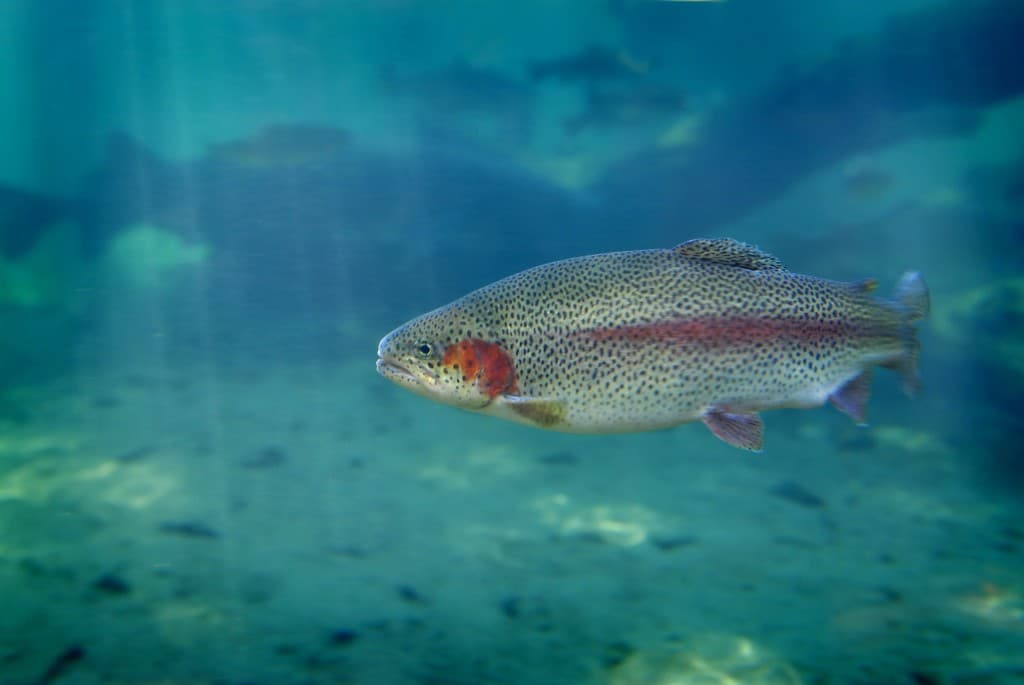
Pennsylvania Fishing 2026: Licenses, Lake Erie, and Mountain Trout
Pennsylvania fishing 2026—license options, PFBC regulations, Lake Erie permits, trout and salmon add-ons, and inland special-rule planning.
2026 seasons & limits
Verify rules with Pennsylvania fish & wildlife
- Confirm open seasons, daily bag, and possession limits for each species and water you fish.
- Check length and slot rules—many lakes, rivers, and bays have special tables beyond statewide defaults.
- Review 2026 summaries and any emergency orders (closures, health notices, gear rules) before you go.
The Inside Spread orients you for trip planning only. Conservation officers enforce the official published regulations—not articles or forum posts.
Need a Pennsylvania fishing license, Lake Erie permit, trout-salmon privilege, or the current PFBC summary before your trip? Start with the Pennsylvania Fish & Boat Commission, because Pennsylvania is really several fisheries under one state map. Lake Erie does not work like Raystown, Penns Creek does not fish like a suburban county lake, and Pymatuning adds border-water questions that can affect both permits and expectations.
Pennsylvania is a serious fishing state because it offers three distinct identities at once: Great Lakes opportunity on Erie, a broad inland network of reservoirs and rivers, and a coldwater tradition built around stocked streams, wild trout water, and special-regulation sections. The best planning move for 2026 is to decide which Pennsylvania you are fishing first, then buy the right license or add-on and read the matching PFBC summary.
2026 Seasons, Limits, and Rule Changes
This article is not the law. Your state's fish and wildlife agency publishes the official rules—online digests, mobile apps, and emergency notices—and those sources control what you can keep, when you can fish, and where.
Pennsylvania manages Great Lakes and inland freshwater fisheries; rules differ between Lake Erie, inland lakes, rivers, stocked trout water, and border waters. Named lakes and streams often have special regulations beyond statewide defaults, and add-on permits may apply for Lake Erie or trout and salmon. Always match the species, water body, and date you plan to fish to the correct table.
What to verify before every trip
- Seasons and closures for each species you target (game fish, panfish, trout, salmon, steelhead, or saltwater species)
- Daily and possession limits (creel limits) and whether aggregate caps apply across similar species
- Minimum and maximum length and slot limits, plus how length is measured (total length vs. fork length)
- Gear restrictions (bait, hooks, tackle) where they apply
- Special rules for WMAs, community fishing waters, trophy waters, and border waters
2026 updates and mid-season changes
Agencies publish annual summaries and sometimes emergency orders (water quality, fish health, stock changes, or temporary closures). Before you plan 2026 trips:
- open the current regulations for the license year that covers your dates
- check your agency's news or rule change page for new limits, stamps, or reporting rules
- read invasive species and bait movement notices if you move boats or gear between waters
If a forum or social post disagrees with the agency PDF, trust the agency and walk away from edge cases.
Popular species: what to look up in the digest
Use the index or online tools to find limits for the fish you actually plan to catch—black bass (largemouth, smallmouth, spotted), panfish (crappie, bluegill, perch, sunfish), catfish, trout and salmon (including steelhead where present), walleye and sauger, muskies and pike, and—if your trip includes coastal or estuary water—saltwater species such as red drum, spotted seatrout, snapper, groupers, striped bass, and flounder. Do not keep fish until you match the species to the exact rule line for that water body and date.
| Topic | Verify in the official digest |
|---|---|
| Daily bag | Per-day harvest limit per species or aggregate groups |
| Possession | Fish you may have in camp, cooler, or vehicle combined |
| Length / slot | Minimum, maximum, or protected length bands |
| Season | Opening and closing dates, catch-and-release-only windows, closures |
Pennsylvania official source: Pennsylvania Fish & Boat Commission — Fishing
Species-specific guides (2026)
Deeper dives on Pennsylvania’s top game fish—history, where they live, 2026 regulations, and how to fish for them:
What Pennsylvania Fishing License Do I Need?
Most anglers need a valid Pennsylvania fishing license unless they qualify for an exemption, but Pennsylvania is also known for add-on privileges that matter to specific destinations. The biggest one for many visitors is the Lake Erie permit, because anglers heading to Erie waters often need more than the baseline license. Trout and salmon privileges can also matter depending on species and location, so the safest move is to buy through official PFBC channels and match every permit to the exact trip you are planning.
This matters because Pennsylvania trips often overlap categories. An angler might spend a morning in a stocked trout stream, then drive to a reservoir for bass, or make a weekend run to Erie and fish both open water and tributaries. The right question is not only "Do I have a Pennsylvania fishing license?" It is "Do I have the license and privileges for this water, this species, and this section?"
Use this practical checklist before purchasing:
- Are you fishing general inland freshwater only, or are you heading to Lake Erie or Presque Isle waters?
- Will you fish waters where trout or salmon privileges apply?
- Are you a resident, nonresident, youth angler, or another license class with different pricing or rules?
- Are you planning any border-water trip where adjoining-state or commission guidance matters?
Pennsylvania is good at publishing summaries, but anglers still need to read the details. Do not assume a single checkout screen answers every permit question. Confirm the actual language in the PFBC materials and carry proof with you, especially when cell service is weak or launch mornings are rushed.
Why PFBC Is the Key Source for Pennsylvania Fishing
Pennsylvania stands out because the Pennsylvania Fish & Boat Commission is not just one office among many. PFBC is the specialist agency anglers rely on for fishing regulations, licenses, access sites, hatcheries, stocking schedules, boating information, and annual summaries. If you are new to the state, this can actually make planning easier. Instead of bouncing between multiple agencies, you can start with PFBC and then drill down into the exact summary or regional page for your target water.
That specialization matters most in two places: trout and Lake Erie. Trout anglers need the annual summary, opening information, stocking details, and special regulation listings. Erie anglers need the inland summary plus Erie-specific guidance because Great Lakes waters and tributaries often come with their own timing, permit, and seasonal nuances. In other words, PFBC is not just a general homepage. It is the source that turns a broad destination idea into a legal, realistic plan.
Where Are Pennsylvania’s Lake Erie and Inland Priorities?
If you ask ten Pennsylvania anglers to define the state’s fishing identity, many will start with Lake Erie. That is understandable. Erie gives Pennsylvania a major walleye and perch profile, plus steelhead opportunities that draw anglers from across the region. Presque Isle Bay, tributary mouths, and broader Erie access areas create a fishery that feels bigger and more technical than many inland trips.
But inland Pennsylvania deserves equal attention. Reservoirs like Raystown Lake, large systems such as the Susquehanna drainage, destination waters like Pymatuning, and a long list of smaller lakes and rivers give the state year-round range. Bass anglers can build entire seasons around rivers and impoundments. Muskie anglers have enough high-potential water to make Pennsylvania a repeat destination. Panfish and catfish anglers are not short on choice either.
Then there is the trout side. Pennsylvania’s trout identity is broad enough that it includes urban-stocking style convenience, classic opening-day culture, freestone and limestone stream traditions, and serious wild-trout appeal. Penns Creek is the kind of name that carries weight nationally among fly anglers, but it is only one part of a large trout map.
Lake Erieis the headline for walleye, perch, and steelhead-focused trips.Pymatuning,Raystown, and major river systems lead the inland warmwater conversation.Mountain and valley trout waterkeeps Pennsylvania relevant far beyond one opening day.
Lake Erie and Presque Isle: Pennsylvania’s Great Lakes Identity
Lake Erie changes the Commonwealth’s fishing profile completely. Instead of a typical inland setup, anglers get open-water thinking, weather-driven risk, and a fishery tied to both lake conditions and tributary cycles. Walleye and yellow perch are among the most visible draws, while steelhead keeps the Erie region in play across a broader seasonal window than many nonresidents expect. Presque Isle Bay adds its own personality by creating protected-water and nearshore opportunities that can appeal to boaters, kayakers, and shore anglers depending on season.
The important planning point is that Erie is not just "another Pennsylvania lake." It requires Erie-specific permit awareness, attention to wind and wave conditions, and a clear understanding of whether you are fishing open lake, bay, or tributary contexts. Tributary fishing can also come with seasonal protections and special rules designed around fish movement and spawning concerns. If you are targeting steelhead or other Great Lakes-related species, read the Erie materials with the same care you would bring to a western trout regulation booklet.
Erie fishing can be rewarding for both harvest-minded and sport-focused anglers, but the fishery becomes much more enjoyable when you commit to the right version of it. A boat-based summer walleye plan is very different from a fall tributary steelhead plan or a bay-centered multi-species trip. Choose one and build around it.
Trout Culture, Stocking, and Special Regulation Waters
Pennsylvania’s trout culture is one of the deepest in the East. Hatchery stocking, regional opening traditions, and a large network of designated trout waters make trout fishing part of the state’s identity even for people who mainly fish bass or panfish. At the same time, Pennsylvania also supports anglers who want more technical trout experiences in wild, delayed-harvest, catch-and-release, or artificial-only contexts. That mix is one reason the state stays relevant to both family anglers and dedicated trout specialists.
For newer anglers, stocked trout waters provide an accessible entry point. They are clearly discussed in PFBC materials, often easy to reach, and a good way to build a short, realistic trip. For more experienced anglers, the state’s special regulation streams are where Pennsylvania becomes more nuanced. Gear restrictions, harvest rules, and local stream character all matter. A broad recommendation like "fish Penns Creek" is not enough. You need to know which section, what the current conditions are, and what the special regulations say there.
Trout gear does not need to be complicated. Light spinning tackle, a small box of spinners and spoons, or a focused fly selection will cover many situations. What matters more is reading the water, moving carefully, and understanding when the stream is crowded, low, warm, or freshly stocked. Pennsylvania trout fishing rewards both preparation and restraint.
Bass, Muskie, and Reservoir Fishing Inland
Warmwater anglers can spend years in Pennsylvania without exhausting the options. Raystown Lake is a well-known bass destination, the Susquehanna system is a major river draw, and reservoirs across the state create countless patterns around structure, forage, and season. Largemouth and smallmouth both matter, but in different settings. River smallmouth anglers often chase current seams, shoals, and ledges, while reservoir largemouth patterns lean more on grass, timber, docks, and contour transitions.
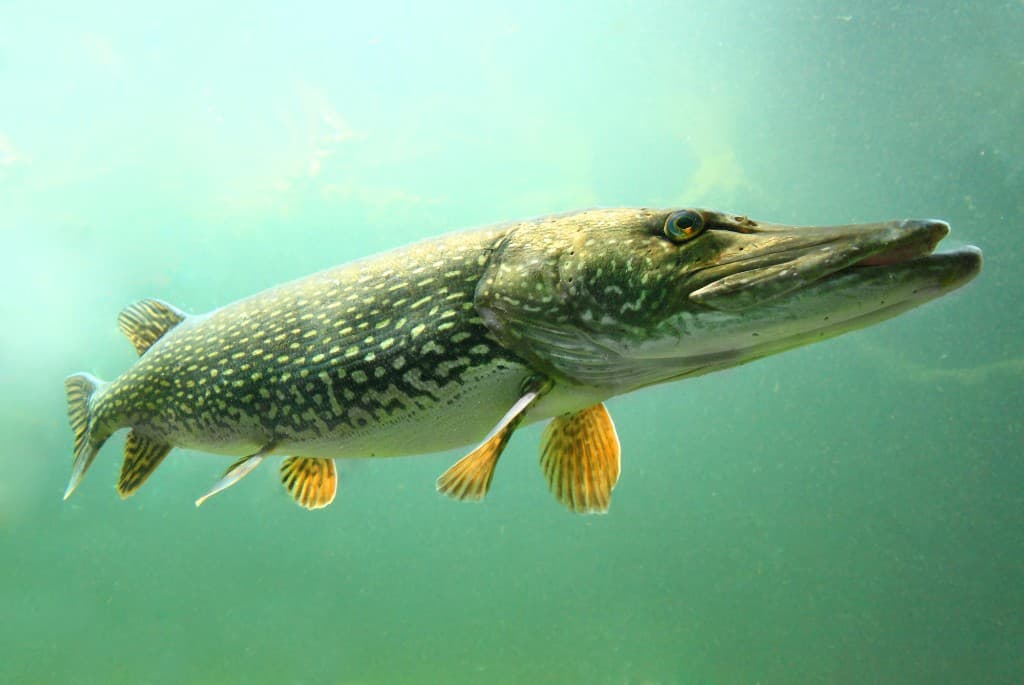
Muskie and pike give Pennsylvania an extra layer of appeal. Pymatuning is one of the names that comes up quickly because it combines muskie reputation with panfish appeal and a border-water character. Other reservoirs and river systems also produce, but the common theme is that muskie fishing in Pennsylvania is a serious commitment, not a casual add-on. If you are planning around muskie, bring the right tools, measure fish carefully, and read the current size and harvest language in the summary before you consider keeping one.
Panfish and catfish should not be treated as fallback species in Pennsylvania. Many local anglers build great seasons around them, particularly when weather, crowds, or time constraints make more specialized plans less attractive. One of Pennsylvania’s best features is that there is almost always a reasonable Plan B water nearby.
Seasonal Strategy for Pennsylvania Fishing 2026
Spring in Pennsylvania is crowded for a reason. Trout stocking, opening traditions, pre-spawn and spawn-period bass interest, and improving weather all pull anglers onto the water at once. If you want space, fish less famous waters or target weekdays. If you want a classic Pennsylvania experience, lean into the opening-day culture but still read current PFBC guidance closely, because the state’s trout program includes details that matter on a stream-by-stream basis.
Summer often sharpens the choice between Erie, reservoirs, and trout. Erie walleye and perch trips become major draws when conditions cooperate. Reservoir anglers chase low-light periods, deeper structure, and night bites. Trout opportunity becomes more selective, with better odds in colder, healthier water or in early and late windows. River smallmouth anglers can enjoy excellent fishing if flows stay favorable.
Fall is one of the strongest times statewide. Erie steelhead attention rises, inland bass fishing often improves with cooler weather, and trout streams gain appeal as crowds thin and temperatures settle down. Muskie anglers also take fall seriously. Winter is more specialized, but not empty. Certain tailwaters, mild periods, and steelhead-related Erie trips can keep rods bent long after casual anglers put gear away.
Plan Your Pennsylvania Fishing Trip
Start by choosing one of four Pennsylvania trip models: Lake Erie, trout, inland bass and muskie, or family mixed-species. That first choice simplifies almost everything else. Erie trips need permit clarity, weather planning, and Great Lakes expectations. Trout trips need stocking and regulation awareness. Bass and muskie trips depend more on waterbody choice, ramp access, and seasonal patterning. Family trips usually work best on well-known lakes, stocked waters, or accessible parks where success is measured by activity rather than one trophy fish.
Use Pennsylvania outdoors and Pennsylvania fishing hub for broader trip planning. A western or central Pennsylvania road trip can pair reservoirs, trout streams, and small towns without long transfer times. Erie-focused trips should be built around weather windows and backup options such as Presque Isle Bay or inland stops if the lake becomes unattractive. If you are crossing from another state, keep all licenses, permits, and launch details organized before you arrive.
A smart packing list for Pennsylvania includes:
- Your Pennsylvania fishing license plus any Erie or trout-salmon privileges that apply.
- Separate tackle trays if you are trying to combine trout and warmwater fishing on one trip.
- Weather layers for lake wind, mountain mornings, and fast seasonal swings.
- A landing net and fish-care setup suited to the species you plan to release or keep.
- Downloaded regulations or saved screenshots for waters where special rules matter.
Pennsylvania rewards anglers who narrow their plan. The state offers so much that it is easy to become overambitious. One focused Erie weekend or one focused trout weekend is usually more productive than trying to cram every version of Pennsylvania fishing into the same trip.
Frequently Asked Questions
Do I need a Pennsylvania fishing license?
Most anglers do need a Pennsylvania fishing license unless they fall under a listed exemption, and many trips also require that you confirm whether trout-salmon privileges or other add-ons apply to your destination.
Where can I find Pennsylvania fishing regulations?
Use the Pennsylvania Fish & Boat Commission fishing pages for the annual Fishing Summary, PFBC access information, trout guidance, and Lake Erie-specific materials that add details beyond the general statewide rules.
What are Pennsylvania’s best-known fisheries?
Pennsylvania is best known for Lake Erie walleye, yellow perch, and steelhead, widely distributed trout water supported by hatchery programs and special regulations, and inland bass and muskie fisheries in reservoirs and major river systems.
Do I need a Lake Erie permit in Pennsylvania?
Many anglers fishing Erie waters do, and it is important to confirm whether your exact trip also involves trout or salmon privileges so that your paperwork matches the species and section you plan to fish.
Why is PFBC separate from other state agencies?
PFBC is the Commonwealth’s specialized fishing and boating authority, which is why it handles the annual summary, licenses, stocking, access, and lake-specific guidance that anglers should use as their primary planning source.
What Pennsylvania waters are best for trout, bass, and muskie?
Penns Creek and many other mountain and valley streams are well known for trout, while Raystown, the Susquehanna system, Pymatuning, and several large reservoirs stand out for bass, muskie, pike, and mixed warmwater opportunity.
Sources
- Pennsylvania Fish & Boat Commission. "Fishing." PFBC, fishandboat.com/Fishing. Accessed 7 Apr. 2026.
- Pennsylvania Fish & Boat Commission. "Pennsylvania Fishing Summary." PFBC, fishandboat.com/Regulations. Accessed 7 Apr. 2026.
- Pennsylvania Fish & Boat Commission. "Lake Erie and Tributaries." PFBC, fishandboat.com/Fishing/WhereToFish/Pages/LakeErie.aspx. Accessed 7 Apr. 2026.
Official state agency
Pennsylvania Fish & Boat Commission — FishingVerify season openings, daily bag, possession, and length or slot rules for each water and species you target—plus any 2026 rule changes or emergency orders—before you fish.
Written by
The Inside Spread Team
The Inside Spread team covers fishing regulations and access across all 50 states. We tie every guide to official agency sources so you can verify seasons, bag limits, and license rules before you launch.
Comments
No comments yet. Be the first to share your thoughts.
More in state-guides
Arkansas Duck Hunting 2026: Season Dates, WMA Permits, License Costs & Complete Guide
Arkansas duck hunting 2026-27—three-segment season dates, nonresident WMA waterfowl permits, Black River and Bayou Meto access changes, and Delta license costs.
Georgia Whitetail Deer Hunting 2026: Season Dates, Extended Counties, License Costs & Nonresident Guide
Georgia whitetail deer hunting 2026-27—archery, primitive weapons, and firearms dates, 29-county extended archery, 12-deer bag, Game Check, and the nonresident guide.
Kentucky Whitetail Deer Hunting 2026: Season Dates, Zone Changes, License Costs & Nonresident Guide
Kentucky whitetail deer hunting 2026-27—archery, crossbow, and modern gun dates, the 2026 zone map, license and deer permit costs, Telecheck, and the nonresident guide.
Michigan Whitetail Deer Hunting 2026: Season Dates, License Costs, UP vs LP & Nonresident Guide
Michigan whitetail deer hunting 2026—archery, firearm, and three-day December dates, DNR license fees, Upper vs Lower Peninsula rules, baiting, and the nonresident guide.