
Rhode Island Fishing 2026: Licenses, Narragansett Bay, and Freshwater Ponds
Rhode Island fishing 2026—freshwater license guidance, DEM marine and inland regulation links, Narragansett Bay rules, trout pond planning, and closures.
2026 seasons & limits
Verify rules with Rhode Island fish & wildlife
- Confirm open seasons, daily bag, and possession limits for each species and water you fish.
- Check length and slot rules—many lakes, rivers, and bays have special tables beyond statewide defaults.
- Review 2026 summaries and any emergency orders (closures, health notices, gear rules) before you go.
The Inside Spread orients you for trip planning only. Conservation officers enforce the official published regulations—not articles or forum posts.
Need a Rhode Island fishing license, the current marine table, or the right freshwater pond rule before your trip? Start with Rhode Island DEM fishing resources and decide whether your day is freshwater, Narragansett Bay, Block Island Sound, or a shellfish/crabbing plan. That first split usually tells you which license, registry, closure, or table matters.
Rhode Island proves small geography can still mean real regulatory homework. A stocked trout pond and a striped bass shoreline may be minutes apart, but they do not share the same license or rule mindset. If you define the exact fishery first, DEM freshwater guidance, marine tables, and access pressure become much easier to handle.
2026 Seasons, Limits, and Rule Changes
This article is not the law. Your state's fish and wildlife agency publishes the official rules—online digests, mobile apps, and emergency notices—and those sources control what you can keep, when you can fish, and where.
Rhode Island combines freshwater licensing with marine fisheries management for Narragansett Bay, Block Island Sound, and Atlantic nearshore waters; named ponds, lakes, and tidal reaches often carry special regulations beyond statewide defaults; shared regional stocks and interstate considerations can appear in striped bass and other species management. Always match the species, water body, and date you plan to fish to the correct table.
What to verify before every trip
- Seasons and closures for each species you target (game fish, panfish, trout, salmon, steelhead, or saltwater species)
- Daily and possession limits (creel limits) and whether aggregate caps apply across similar species
- Minimum and maximum length and slot limits, plus how length is measured (total length vs. fork length)
- Gear restrictions (bait, hooks, tackle) where they apply
- Special rules for WMAs, community fishing waters, trophy waters, and border waters
2026 updates and mid-season changes
Agencies publish annual summaries and sometimes emergency orders (water quality, fish health, stock changes, or temporary closures). Before you plan 2026 trips:
- open the current regulations for the license year that covers your dates
- check your agency's news or rule change page for new limits, stamps, or reporting rules
- read invasive species and bait movement notices if you move boats or gear between waters
If a forum or social post disagrees with the agency PDF, trust the agency and walk away from edge cases.
Popular species: what to look up in the digest
Use the index or online tools to find limits for the fish you actually plan to catch—black bass (largemouth, smallmouth, spotted), panfish (crappie, bluegill, perch, sunfish), catfish, trout and salmon (including steelhead where present), walleye and sauger, muskies and pike, and—if your trip includes coastal or estuary water—saltwater species such as red drum, spotted seatrout, snapper, groupers, striped bass, and flounder. Do not keep fish until you match the species to the exact rule line for that water body and date.
| Topic | Verify in the official digest |
|---|---|
| Daily bag | Per-day harvest limit per species or aggregate groups |
| Possession | Fish you may have in camp, cooler, or vehicle combined |
| Length / slot | Minimum, maximum, or protected length bands |
| Season | Opening and closing dates, catch-and-release-only windows, closures |
Rhode Island official source: Rhode Island Department of Environmental Management — Freshwater Fishing
What Rhode Island Fishing License Do I Need?
Freshwater anglers typically need a valid Rhode Island freshwater fishing license unless a current exemption applies. Saltwater anglers must also confirm whether federal or state marine registry and licensing expectations apply to their activities—do not treat a freshwater license as a universal pass for every saltwater scenario. Purchase through official DEM channels or authorized agents, and keep documentation accessible at the shoreline or ramp.
Nonresident visitors should buy before peak weekend hours when possible. If you fish with children, review youth provisions in advance. If your weekend mixes ponds and bay fishing, review both freshwater and marine materials; the point is not to memorize every paragraph, but to avoid keeping fish under the wrong rule set.
Narragansett Bay: Estuary Fishing, Tides, and Traffic
Narragansett Bay is Rhode Island’s signature saltwater classroom: rocky shorelines, bridge shadows, channel edges, and seasonal species rotations tied to temperature. Tides move fish and bait, but they also move boats—commercial traffic and recreational congestion can change what is safe on any given tide stage. Striped bass, bluefish, scup, black sea bass, and fluke show up in seasonal patterns that anglers track closely; tautog fisheries bring their own cult following and careful size-season discipline.
Treat species identification as compliance: mistaken identity can turn a keeper into a violation. Carry a measuring device suited to the species you target, and photograph releases if you are practicing catch-and-release in ways that protect fish health.
Block Island Sound: Crossings, Weather, and Planning
Block Island Sound trips can be spectacular for pelagic and bottomfish pursuits, but crossings deserve sober weather windows and seamanship. Wind against tide can build steep seas quickly; fog changes navigation. If you are new to the area, local knowledge matters—charter operators and experienced private boaters can teach you more in one trip than a season of guessing.
Stocked Trout Ponds and Spring Freshwater Excitement
Rhode Island’s stocked trout program concentrates effort in ponds where families can learn fundamentals and specialists can chase quality fish under posted rules. Read special regulations for individual waters, including bait restrictions or seasonal closures. Arrive early on stocking buzz weekends, pack patience, and teach new anglers to keep shorelines clean—public support for stocking depends on public behavior.
Warm-Water Ponds: Bass, Panfish, and Urban Access
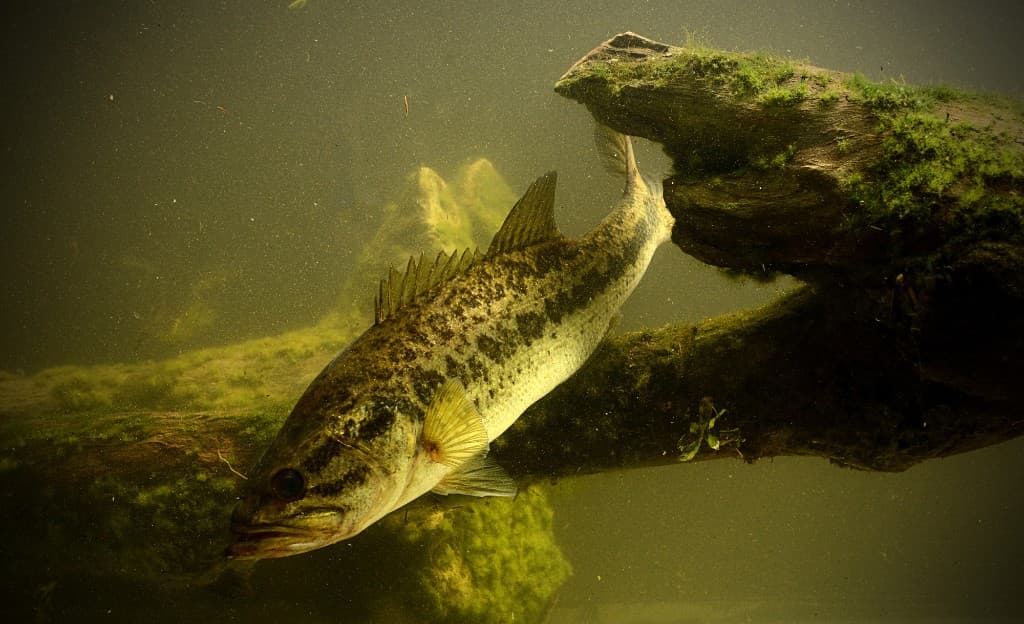
Major ponds support largemouth bass tournaments and panfish weekends that define local culture. Aquatic vegetation management and invasive plant concerns can shape access and tactics; follow posted notices and avoid spreading plant fragments on trailers and gear.
Shellfish, Blue Crab, and Separate Rule Sets
If your interests extend to shellfish or blue crab, treat permitting and sanitation closures as a separate research project from finfish regulations. Maps can change with rainfall and water quality; “looks clean” is not a legal standard.
Invasive Species and Responsible Boating
Rhode Island’s dense water network makes invasive spread a community problem. Inspect boats, trailers, and waders; follow DEM guidance on bait; and avoid moving water or plants between systems. Clean, drain, dry remains the baseline habit for responsible anglers.
Public Access, Courtesy, and Shoreline Ethics
In a small state, every parking conflict matters. Park legally, keep voices down near homes, and pack out trash. If you wade, avoid disturbing nesting birds or fragile shoreline habitat where posted.
Safety: Rocks, Currents, and Cold Water
Narragansett Bay shorelines can be slippery and sharp; waves can surprise you on exposed points. Wear appropriate footwear, watch swell even on “calm” days, and respect cold-water risk in spring and fall. On boats, life jackets are part of judgment, not just regulation.
Massachusetts Border Waters, Shared Bays, and Jurisdiction Awareness
Rhode Island’s size makes interstate context surprisingly common. Anglers working the upper reaches of shared estuary systems or fishing near state boundaries should confirm which rules apply to harvest and licensing for the water they actually float over. A drift that feels like “still Rhode Island” on intuition can be a compliance mistake if the boundary line disagrees. When in doubt, conservative release and a map check beat a story you tell yourself because the bite was good.
This is not abstract legalism—it is practical fishing. Striped bass and other species are managed with regional attention; the right behavior on the water includes knowing where you are, not only what you caught. Keep a paper map or downloaded chart available when cell coverage drops, especially on busy holiday weekends when channels clog and plans change fast.
Kayak and Shoreline Fishing: Mobility, Tides, and Safety Margins
Rhode Island rewards kayak anglers who read tides and avoid shipping lanes. Low-profile craft can access skinny water where larger boats cannot go, but they also disappear visually to faster traffic. Bright clothing, lights at low visibility, and conservative crossing plans are part of the tackle list. For shoreline anglers, rockweed-slick boulders are a sprained ankle waiting to happen—move slowly, scout waves, and never chase a snagged lure into a dangerous surge zone.
Family Pond Fishing and Teaching the Next Generation
Stocked trout ponds are where many Rhode Island families begin. Teach kids to identify fish before they touch the cooler, to handle fish quickly for release, and to pick up line scraps. A child’s first trout is a conservation moment as much as a photo moment: enthusiasm should pair with respect for other anglers waiting their turn at limited shoreline space.
Freshwater Tournament Pressure and Ramp Courtesy
Bass tournaments concentrate trailers at popular ramps on weekend mornings. If you are not competing, either arrive outside peak staging times or choose a different pond for peace. If you are competing, remember that public ramps belong to everyone—efficient launches help the whole community avoid bad feelings and unsafe crowding.
Marine For-Hire Trips: What to Ask Captains
Charters and party boats can accelerate learning curves for saltwater species identification and safe boat handling. Ask what the crew expects for bag limits, fish handling, and tipping culture before you leave the dock. Good crews want compliance as much as you do—enforcement headaches ruin businesses faster than a slow day of fishing.
Reading Emergency Notices and Red Tide–Style Events
Marine fisheries management sometimes responds quickly to environmental conditions. If agencies post emergency notices, treat them as trip-planning constraints, not suggestions. The same mindset applies to water quality advisories that might affect harvest even when fishing remains technically legal—when public health guidance says do not eat, the fishing trip still needs a new objective.
Where Are Rhode Island’s Best Saltwater and Freshwater Fisheries?
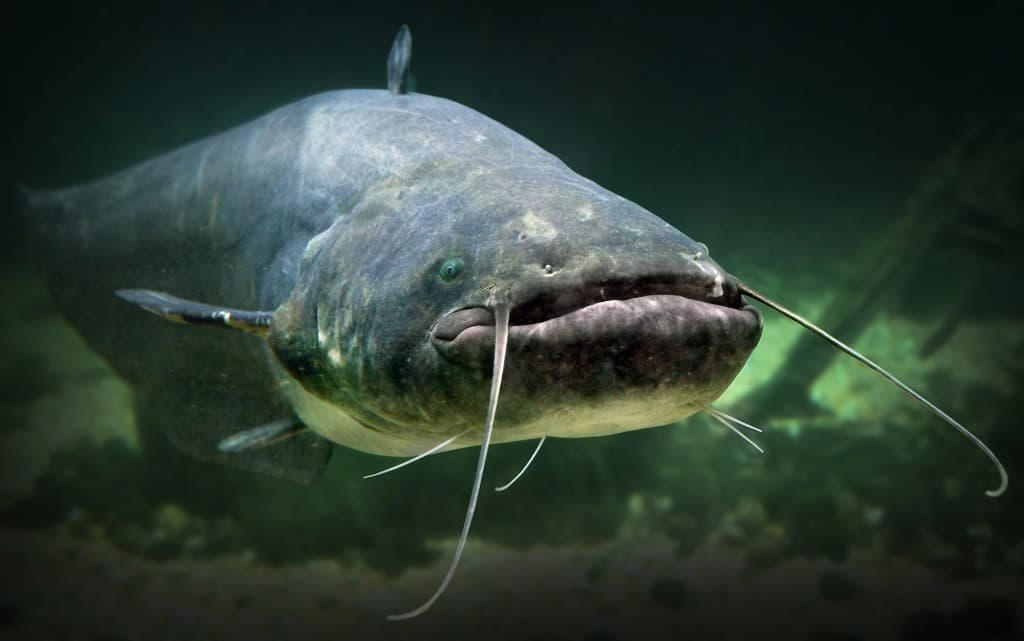
Saltwater highlights cluster around Narragansett Bay’s structure and shore access, with Block Island Sound offering offshore-oriented trips when weather allows. Freshwater highlights include stocked trout ponds in spring and warm-water ponds statewide for bass and panfish. For traveling anglers, Rhode Island rewards a simple plan executed well: pick a tide window, confirm marine tables, and match your freshwater day to the correct pond rules.
Plan Your Rhode Island Fishing Trip
Build your plan around realistic weather and tide windows, then confirm regulations for each water type you will touch. Save DEM pages offline if possible, identify backup ponds if wind blows out the bay, and keep measuring tools and identification references in your kit—not in your phone’s camera roll alone.
Use our Rhode Island outdoors guide with the Rhode Island fishing hub. More: fishing articles.
Frequently Asked Questions
Do I need a Rhode Island fishing license?
Freshwater anglers need a Rhode Island fishing license as described by DEM; saltwater anglers should follow marine fisheries licensing and registry requirements—verify both freshwater and marine resources for your plan.
Where can I find Rhode Island fishing regulations?
Use DEM Fish and Wildlife pages for freshwater summaries and RIDEM marine fisheries resources for saltwater seasons, sizes, closures, and island-specific notices.
What are Rhode Island’s best-known fisheries?
Narragansett Bay and Block Island Sound offer striped bass, bluefish, and fluke; stocked ponds provide trout in spring; major lakes support bass and panfish; nearshore structure rewards kayakers who read tides.
Why is Narragansett Bay different from fishing “open ocean”?
Estuaries blend freshwater influence, tidal movement, and heavy local traffic. Species mix, safety considerations, and seasonal rules can differ from offshore trips—match your location to the correct marine tables.
What should I know about shellfish or crabbing permits?
Finfish rules are not shellfish rules. If you harvest crabs or shellfish, confirm seasons, closures, permits, and maps separately from your fishing digest—public health closures can change quickly.
How do invasive species affect Rhode Island anglers?
Aquatic invasive plants and unwanted fish species shape bait and boating norms. Follow DEM guidance on bait movement, inspect gear, and avoid spreading plants between ponds and estuaries.
Sources
- Rhode Island Department of Environmental Management. "Freshwater fishing." DEM, dem.ri.gov/fish-wildlife/freshwater-fishing. Accessed 16 Apr. 2026.
Official state agency
Rhode Island Department of Environmental Management — Freshwater FishingVerify season openings, daily bag, possession, and length or slot rules for each water and species you target—plus any 2026 rule changes or emergency orders—before you fish.
Written by
The Inside Spread Team
The Inside Spread team covers fishing regulations and access across all 50 states. We tie every guide to official agency sources so you can verify seasons, bag limits, and license rules before you launch.
Comments
No comments yet. Be the first to share your thoughts.
More in state-guides
Arkansas Duck Hunting 2026: Season Dates, WMA Permits, License Costs & Complete Guide
Arkansas duck hunting 2026-27—three-segment season dates, nonresident WMA waterfowl permits, Black River and Bayou Meto access changes, and Delta license costs.
Georgia Whitetail Deer Hunting 2026: Season Dates, Extended Counties, License Costs & Nonresident Guide
Georgia whitetail deer hunting 2026-27—archery, primitive weapons, and firearms dates, 29-county extended archery, 12-deer bag, Game Check, and the nonresident guide.
Kentucky Whitetail Deer Hunting 2026: Season Dates, Zone Changes, License Costs & Nonresident Guide
Kentucky whitetail deer hunting 2026-27—archery, crossbow, and modern gun dates, the 2026 zone map, license and deer permit costs, Telecheck, and the nonresident guide.
Michigan Whitetail Deer Hunting 2026: Season Dates, License Costs, UP vs LP & Nonresident Guide
Michigan whitetail deer hunting 2026—archery, firearm, and three-day December dates, DNR license fees, Upper vs Lower Peninsula rules, baiting, and the nonresident guide.