
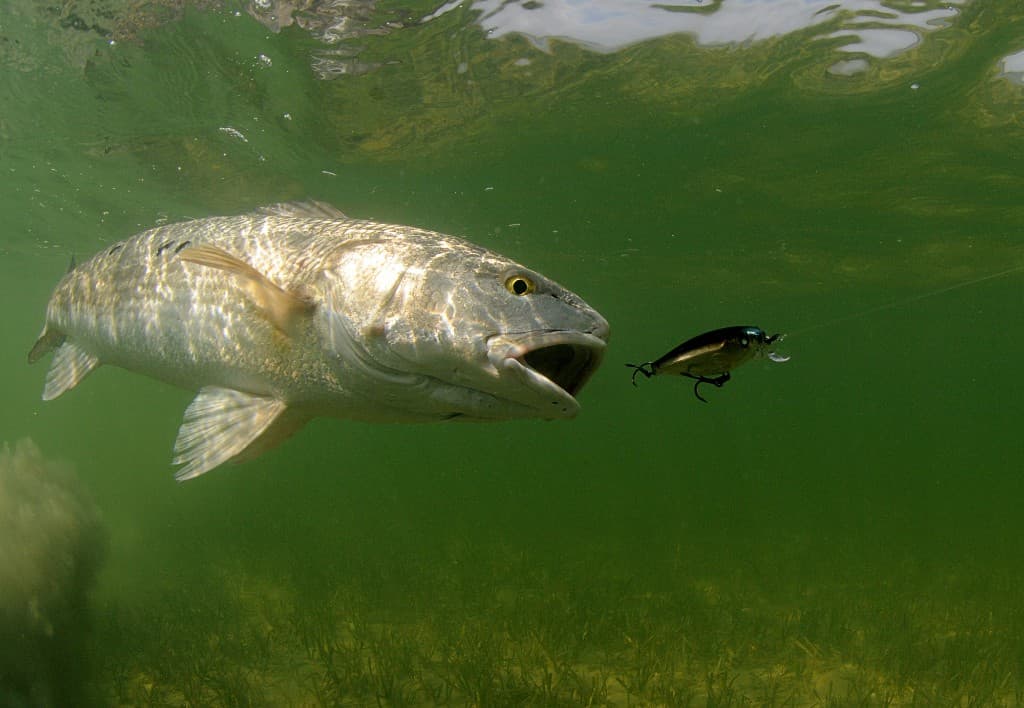
South Carolina fishing 2026—license options, SCDNR freshwater and saltwater regulations, redfish rule checks, reservoir planning, and official links.
2026 seasons & limits
Verify rules with South Carolina fish & wildlife
- Confirm open seasons, daily bag, and possession limits for each species and water you fish.
- Check length and slot rules—many lakes, rivers, and bays have special tables beyond statewide defaults.
- Review 2026 summaries and any emergency orders (closures, health notices, gear rules) before you go.
The Inside Spread orients you for trip planning only. Conservation officers enforce the official published regulations—not articles or forum posts.
Need a South Carolina fishing license, the current freshwater or saltwater regulations, or the right redfish table before your trip? Start with SCDNR Fishing and decide whether your day is freshwater inland or saltwater coastal. That first split handles most of the licensing and harvest-rule confusion.
South Carolina blends Santee Cooper reservoir fishing with Charleston Harbor tides and Upstate trout streams, but those fisheries do not share the same planning assumptions. Inland anglers need reservoir and river rules; coastal anglers need tidal species tables and, offshore, sometimes federal seasons as well. Define the exact fishery first and the paperwork gets much easier.
2026 Seasons, Limits, and Rule Changes
This article is not the law. Your state's fish and wildlife agency publishes the official rules—online digests, mobile apps, and emergency notices—and those sources control what you can keep, when you can fish, and where.
South Carolina layers freshwater and saltwater rules differently; named lakes, rivers, and bays often have special regulations beyond statewide defaults; border waters and stocks shared with neighboring states or federal waters can add more rules. Always match the species, water body, and date you plan to fish to the correct table.
What to verify before every trip
- Seasons and closures for each species you target (game fish, panfish, trout, salmon, steelhead, or saltwater species)
- Daily and possession limits (creel limits) and whether aggregate caps apply across similar species
- Minimum and maximum length and slot limits, plus how length is measured (total length vs. fork length)
- Gear restrictions (bait, hooks, tackle) where they apply
- Special rules for WMAs, community fishing waters, trophy waters, and border waters
2026 updates and mid-season changes
Agencies publish annual summaries and sometimes emergency orders (water quality, fish health, stock changes, or temporary closures). Before you plan 2026 trips:
- open the current regulations for the license year that covers your dates
- check your agency's news or rule change page for new limits, stamps, or reporting rules
- read invasive species and bait movement notices if you move boats or gear between waters
If a forum or social post disagrees with the agency PDF, trust the agency and walk away from edge cases.
Popular species: what to look up in the digest
Use the index or online tools to find limits for the fish you actually plan to catch—black bass (largemouth, smallmouth, spotted), panfish (crappie, bluegill, perch, sunfish), catfish, trout and salmon (including steelhead where present), walleye and sauger, muskies and pike, and—if your trip includes coastal or estuary water—saltwater species such as red drum, spotted seatrout, snapper, groupers, striped bass, and flounder. Do not keep fish until you match the species to the exact rule line for that water body and date.
| Topic | Verify in the official digest |
|---|---|
| Daily bag | Per-day harvest limit per species or aggregate groups |
| Possession | Fish you may have in camp, cooler, or vehicle combined |
| Length / slot | Minimum, maximum, or protected length bands |
| Season | Opening and closing dates, catch-and-release-only windows, closures |
South Carolina official source: South Carolina Department of Natural Resources — Fishing
How SCDNR Structures Freshwater and Saltwater Rules
Inland waters include Piedmont reservoirs, state lakes, rivers, and mountain trout streams with classifications such as delayed harvest, artificial lures only, and special regulations on named waters. Saltwater fisheries span estuaries, bays, sounds, and nearshore Atlantic waters where tides position fish on oyster bars, grass edges, and docks. The question that prevents mistakes: Which rule set applies to the water body and species I am targeting today? If you fish Lake Murray one day and Beaufort tidal creeks the next, you need both freshwater and saltwater literacy—and the correct license privileges.
What South Carolina Fishing License Do I Need?
Purchase through SCDNR license channels or authorized vendors. Short-term visitor licenses help vacation anglers; compare duration options against annual packages if you will return. Confirm freshwater versus saltwater privileges before you launch—trying to save money at the ramp is expensive if enforcement finds the wrong credential.
On border lakes such as Hartwell (with Georgia) and shared river reaches, license and creel rules may depend on which state’s water you float or where you are anchored. Read SCDNR border-water guidance and never assume one license covers both sides. Carry printed or offline regulation pages when cell service fails at remote ramps.
Santee Cooper: Marion, Moultrie, and the Diversion Canal
The Santee Cooper system anchors much of South Carolina’s freshwater identity. Lake Marion and Lake Moultrie support blue catfish, bass, striped bass, and crappie fisheries that draw national attention. Lock schedules and generation-influenced flows move fish and access—check notices before you commit a long run through the Diversion Canal. Navigation hazards include stumps, floating debris after floods, and heavy recreational traffic on holiday weekends.
Lake Murray, Lake Wylie, and Piedmont Reservoirs
Lake Murray hosts bass and striped bass fisheries with metro Columbia pressure; Lake Wylie and other Catawba chain fisheries offer spotted bass and crappie opportunities with clear water finesse tactics. Hartwell and Keowee carry smallmouth and spotted bass patterns that differ from shallow Delta style fishing—graph structure and match techniques to seasonal movements.
Weekend traffic and pleasure boat wakes stack waves on windy points—early launches beat midday chaos when possible. Holiday fireworks shows can temporarily close sections near dams—check notices before night runs.
Upstate Trout and Mountain Streams
Delayed-harvest and stocked trout waters carry gear and creel differences—artificial-only reaches are common. Wild trout streams reward stealth and light tippets; access may require hiking on steep terrain. Watch flash flood risk in summer thunderstorms and hypothermia risk in winter wading.
Lowcountry and Atlantic Coast
Speckled trout, redfish, and flounder lead inshore catches from Charleston to Hilton Head; sheepshead, black drum, and tripletail fill seasonal niches. Tides matter: moving water stacks bait on points, drains, and marsh creeks. Kayak anglers should wear PFDs, run visibility flags, and understand wind against tide chop. Nearshore spanish and king mackerel add variety; offshore reef trips cross federal snapper and grouper seasons—carry NOAA summaries and confirm circle-hook and descending-device rules for reef fish.
Georgetown, Murrells Inlet, and Little River add nearshore structure and inlet current complexity—jetties concentrate predators but demand respect for surf surge and boat traffic. Wade anglers should shuffle for stingrays and watch for sharks when cleaning fish at water edge. Pier anglers share rails with tourists—cast with awareness and pack out trash.
Charter clients should ask how federal permits and HMS documentation apply to pelagic targets before booking offshore tunas and billfish. Private boats crossing federal waters should monitor VHF weather and file float plans when running long range.
Cooper River, Shad Runs, and Current Fisheries
Shad runs and American shad fisheries where open draw crowds to lower rivers—read gear restrictions and snagging rules where posted. Striped bass management in rivers and reservoirs can include special harvest rules—verify annually before you keep fish.
Catfish, Bowfishing, and Gear Chapters
Blue, channel, and flathead catfish reward anglers who read gear sections. Jug fishing, trotlines, and bowfishing can carry water-body restrictions—check tags, seasons, and archery rules. Gar and rough fish removal where allowed helps some systems—still identify targets carefully.
Reading Creel Tables and Slot Limits
Red drum and other species often carry slot limits that change with management needs—verify annually. Measure with the published length method; misidentification between similar drum and snapper species causes avoidable violations. Near limits, switch to catch-and-release photography.
Possession limits on boats and coolers still apply after you leave the water—organize counts before trailering home. Tournament anglers should carry measuring boards that match SCDNR definitions and trail culling rules.
Photography, Social Media, and Access
Content creators should avoid revealing private docks, posted leases, or GPS pins to secret flats without permission—access depends on trust. When two sources disagree, trust published agency text over viral threads.
WMAs, PFAs, and Public Access
Wildlife Management Areas and public fishing opportunities may require permits, check-in, or seasonal closures tied to hunting schedules. Read area brochures before you hike in with float tubes or launch small boats. State parks can offer family-friendly bank access when rules allow.
Invasive Species and Bait Discipline
Clean, drain, dry boats when moving between basins. Invasive plants and illegal bait releases threaten access and native fish. Follow bait rules for each water body.
Snakeheads and other unwanted species where present require rapid identification and reporting—learn recognition from SCDNR materials and never release unidentified fish back into new systems. Whirling disease and other pathogens move with bait water—use certified bait when rules require it.
Family Fishing and Realistic Trip Design
Kids stay engaged when trips are short, shady, and close to restrooms. State park piers and stocked ponds where allowed beat long offshore runs for beginners. Teach PFD habits, hook safety, and fish identification before celebration photos.
Border Rivers: Savannah and Broad
Savannah River and other shared reaches can split regulations between states—carry both summaries when you anchor near lines or fish tailwaters below dams. Flow changes from generation move fish and hazards—check notices before wading.
Seasonal Patterns and Weather
Spring pushes bass shallow and concentrates crappie on spawning cover. Summer moves bass to low-light windows and deep structure. Fall can reopen shallow feeding as bait moves. Winter still rewards patient trout and vertical crappie anglers. Hurricanes and tropical storms reshape marsh access—check closures after weather events.
Safety: Lightning, Dams, and Tides
Thunderstorms build fast in summer. Lightning ends trips—leave open water. Fog on bays hides navigation aids—slow down and use GPS backups. Tailwaters below dams require generation awareness and PFDs for strong current.
Cold fronts in winter can drop inshore temperatures quickly—dress in layers and watch wind shifts that dirty water and move bait. Spring tornado outbreaks demand flexible plans—never launch when warnings cover your county.
Night Fishing, Pier Lights, and Courtesy
Night catfish and hybrid striper trips are popular on Santee and Murray—run navigation lights where required and avoid shining bright lights at other boats. Pier anglers should coordinate casting lanes and keep walkways clear for families passing through.
Tournaments and Ramp Courtesy
Bass and crappie tournaments concentrate traffic at popular ramps. Stage trailers out of launch lanes, idle where posted, and give room to non-tournament families. Prop scars on spawning flats last longer than bragging rights.
Ethics and Stewardship
Pick up monofilament at piers and launches. Do not crowd working boats on schooling fish unless invited. Teach kids identification before keepers hit the cooler.
Volunteer stream cleanups and oyster reef restoration events strengthen fisheries long-term. Report tagged fish when instructions request data. Support local tackle shops that teach kids and fund access projects.
Plan Your South Carolina Fishing Trip
Link to our South Carolina outdoors guide and South Carolina fishing hub. Browse fishing articles for techniques that complement regulations. Book lodging with trailer parking if you haul a bay boat, and build buffer time for Charleston or Myrtle Beach traffic on holiday weekends.
Road trippers should inspect trailer bearings, tires, and lights—rural coastal routes feature limited parts stores after dark. Flying anglers should confirm airline policies for rods and tackle boxes. Multi-day itineraries that split Upstate trout and Lowcountry redfish should stage separate tackle systems to avoid cross-contamination of invasive species between drainages.
A Practical Seasonal Calendar
January–February: Cold trout water in the Upstate rewards slow presentations; Santee catfish anglers still produce with patience and fresh bait. Inshore sight-fishing can be windy—dress in layers.
March–April: Bass move shallow on Piedmont reservoirs; shad runs draw crowds to rivers. Marsh redfish wake in warming creeks.
May–June: Striped bass and spotted bass chase bait on Murray and Hartwell; saltwater trout and redfish feed aggressively. Thunderstorms demand radar discipline.
July–August: Heat pushes bass to dawn and dusk; night catfish trips increase. Hydrate on kayak flats.
September–October: Cooling water can improve shallow feeding; surf and pier action often improves. Hurricane season requires flexible plans.
November–December: Crappie trolling improves on many lakes; duck season traffic overlaps some WMAs—read closures. Holiday boat parades and festival traffic can close channels—check local notices before night runs downtown.
Emergency Orders and Fish Health
Drought, floods, and fish kills can trigger temporary closures or rule changes. Check SCDNR news the week of your trip. Algal blooms and water quality advisories can close contact recreation—respect signage and local health warnings even when fish appear active.
Documentation and Enforcement
Keep proof of license and privileges in a dry bag. If you receive a citation, remain calm—disputes belong in court, not at the ramp. Screenshot regulation pages before you lose signal in remote cuts or offshore—busy weekends overload cell towers too. Paper copies still work when batteries die at noon on hot July days every single year on the water itself.
Frequently Asked Questions
Do I need a fishing license in South Carolina?
Most anglers need a valid South Carolina recreational fishing license unless an exemption applies; verify freshwater versus saltwater privileges on SCDNR license pages.
Where can I read South Carolina fishing regulations?
Use the SCDNR fishing section for freshwater and saltwater regulations, including size and bag limits and seasonal closures.
What fisheries are famous in South Carolina?
Santee Cooper lakes are known for catfish and bass; the Lowcountry offers redfish, trout, and flounder in tidal creeks and nearshore waters.
How do Hartwell and other border lakes work for licenses?
Shared reservoirs and river borders may require the correct state license and regulations for the water you are fishing; read SCDNR border-water guidance before you fish boundary waters.
What should I know about red drum slot limits?
Red drum are managed with slot and bag rules that can change; verify the current saltwater regulations summary for the coast you fish.
Where can I buy a South Carolina fishing license?
Purchase online through SCDNR or at authorized vendors; keep proof of license and the correct freshwater or saltwater privileges with you.
Sources
- South Carolina Department of Natural Resources. "Fishing." SCDNR, dnr.sc.gov/fishing.html. Accessed 31 Mar. 2026.
- South Carolina Department of Natural Resources. "Licenses." SCDNR, dnr.sc.gov/licenses.html. Accessed 31 Mar. 2026.
- National Oceanic and Atmospheric Administration. "Southeast Fisheries." NOAA Fisheries, fisheries.noaa.gov/region/southeast-science-center. Accessed 31 Mar. 2026.
Official state agency
South Carolina Department of Natural Resources — FishingVerify season openings, daily bag, possession, and length or slot rules for each water and species you target—plus any 2026 rule changes or emergency orders—before you fish.
Written by
The Inside Spread Team
The Inside Spread team covers fishing regulations and access across all 50 states. We tie every guide to official agency sources so you can verify seasons, bag limits, and license rules before you launch.
Comments
No comments yet. Be the first to share your thoughts.
More in state-guides
Arkansas Duck Hunting 2026: Season Dates, WMA Permits, License Costs & Complete Guide
Arkansas duck hunting 2026-27—three-segment season dates, nonresident WMA waterfowl permits, Black River and Bayou Meto access changes, and Delta license costs.
Georgia Whitetail Deer Hunting 2026: Season Dates, Extended Counties, License Costs & Nonresident Guide
Georgia whitetail deer hunting 2026-27—archery, primitive weapons, and firearms dates, 29-county extended archery, 12-deer bag, Game Check, and the nonresident guide.
Kentucky Whitetail Deer Hunting 2026: Season Dates, Zone Changes, License Costs & Nonresident Guide
Kentucky whitetail deer hunting 2026-27—archery, crossbow, and modern gun dates, the 2026 zone map, license and deer permit costs, Telecheck, and the nonresident guide.
Michigan Whitetail Deer Hunting 2026: Season Dates, License Costs, UP vs LP & Nonresident Guide
Michigan whitetail deer hunting 2026—archery, firearm, and three-day December dates, DNR license fees, Upper vs Lower Peninsula rules, baiting, and the nonresident guide.