
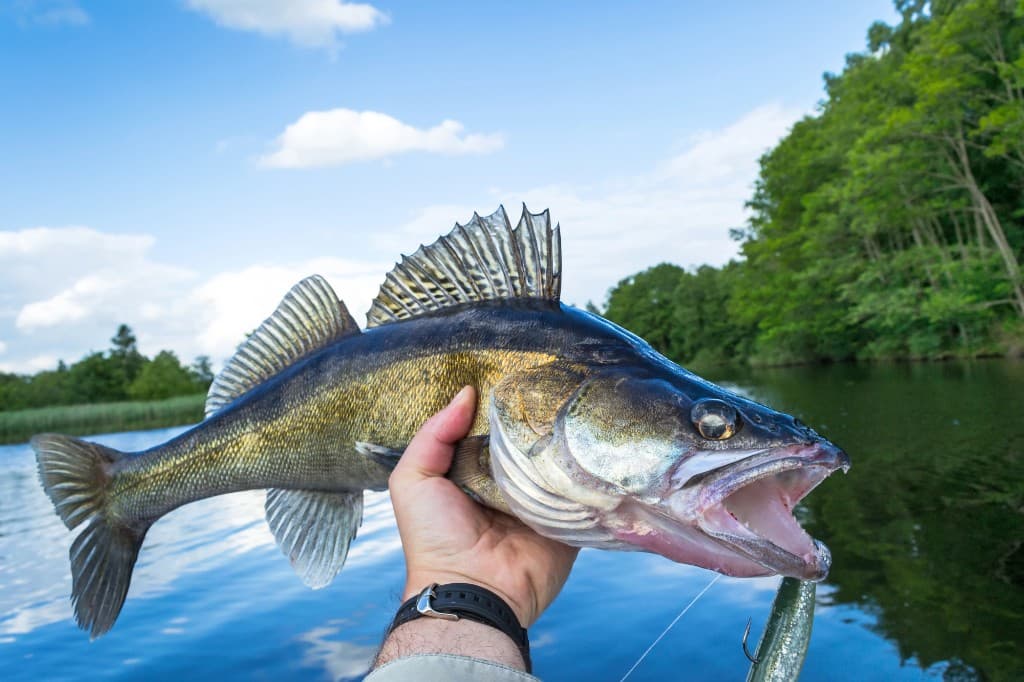
South Dakota Fishing 2026: Licenses, Missouri River, and Glacial Lakes
South Dakota fishing 2026—license options, official GFP regulations, Missouri River reservoir rules, glacial lakes planning, and border-water checks.
2026 seasons & limits
Verify rules with South Dakota fish & wildlife
- Confirm open seasons, daily bag, and possession limits for each species and water you fish.
- Check length and slot rules—many lakes, rivers, and bays have special tables beyond statewide defaults.
- Review 2026 summaries and any emergency orders (closures, health notices, gear rules) before you go.
The Inside Spread orients you for trip planning only. Conservation officers enforce the official published regulations—not articles or forum posts.
Need a South Dakota fishing license, the current GFP handbook, or the right official page before you travel? Start by deciding whether your trip is built around the Missouri River corridor or the glacial lakes. That one choice shapes everything from wind and launch planning to walleye expectations, border-water questions, and which special regulations matter most. South Dakota Game, Fish and Parks fishing information is the official source for 2026 licenses, regulations, and fishery-specific updates.
South Dakota works because it lets anglers fish big reservoir water and smaller natural-lake systems in the same state without pretending they are the same experience. A crew chasing open-water walleye on wind-blown points is solving a different problem than a family fishing protected glacial lakes, community waters, or Black Hills trout streams. The more precisely you define the trip, the easier the rulebook becomes.
2026 Seasons, Limits, and Rule Changes
This article is not the law. Your state's fish and wildlife agency publishes the official rules—online digests, mobile apps, and emergency notices—and those sources control what you can keep, when you can fish, and where.
South Dakota manages freshwater fisheries only—rivers, reservoirs, lakes, and streams. Named waters often carry special regulations beyond statewide defaults; border waters and interstate coordination may apply on shared rivers. Always match the species, water body, and date you plan to fish to the correct table.
What to verify before every trip
- Seasons and closures for each species you target (game fish, panfish, trout, salmon, and steelhead where present)
- Daily and possession limits (creel limits) and whether aggregate caps apply across similar species
- Minimum and maximum length and slot limits, plus how length is measured (total length vs. fork length)
- Gear restrictions (bait, hooks, tackle) where they apply
- Special rules for WMAs, community fishing waters, trophy waters, and border waters
2026 updates and mid-season changes
Agencies publish annual summaries and sometimes emergency orders (water quality, fish health, stock changes, or temporary closures). Before you plan 2026 trips:
- open the current regulations for the license year that covers your dates
- check your agency's news or rule change page for new limits, stamps, or reporting rules
- read invasive species and bait movement notices if you move boats or gear between waters
If a forum or social post disagrees with the agency PDF, trust the agency and walk away from edge cases.
Popular species: what to look up in the digest
Use the index or online tools to find limits for the fish you actually plan to catch—black bass (largemouth, smallmouth, spotted), panfish (crappie, bluegill, perch, sunfish), catfish, trout and salmon (including steelhead where present), walleye and sauger, muskies and pike, and other species listed for your water in the official guide. Do not keep fish until you match the species to the exact rule line for that water body and date.
| Topic | Verify in the official digest |
|---|---|
| Daily bag | Per-day harvest limit per species or aggregate groups |
| Possession | Fish you may have in camp, cooler, or vehicle combined |
| Length / slot | Minimum, maximum, or protected length bands |
| Season | Opening and closing dates, catch-and-release-only windows, closures |
South Dakota official source: South Dakota Game, Fish and Parks — Fishing
What South Dakota Fishing License Do I Need?
Most anglers need a valid South Dakota fishing license unless they meet a listed exemption, and GFP licensing pages are the cleanest place to confirm current options. South Dakota is easy to oversimplify because many visitors think only in terms of buying a general license and heading for the Missouri River. In reality, a smart trip starts with reading both the license page and the fishing handbook. Trout waters, border waters, and certain special situations may require you to understand more than the statewide baseline.
This is also a state where your destination should shape your prep. A resident heading out for a quick evening on a local lake and a nonresident trailering west for a week on Oahe are both "South Dakota anglers," but their planning needs are not remotely the same. Buy licenses before the trip, store digital proof where you can reach it without service, and read the exact section for the water you intend to fish. That is especially important if you will move between Missouri River pools, fish a water near a state line, or add a Black Hills trout stop to the itinerary.
Another practical point: if you are bringing friends or family with mixed goals, settle the legal side early. South Dakota is a great state for multi-interest travel, but nothing slows down a launch morning faster than discovering one person assumed their old license or another state's paperwork was enough.
Where Are South Dakota's Top Walleye and Bass Fisheries?
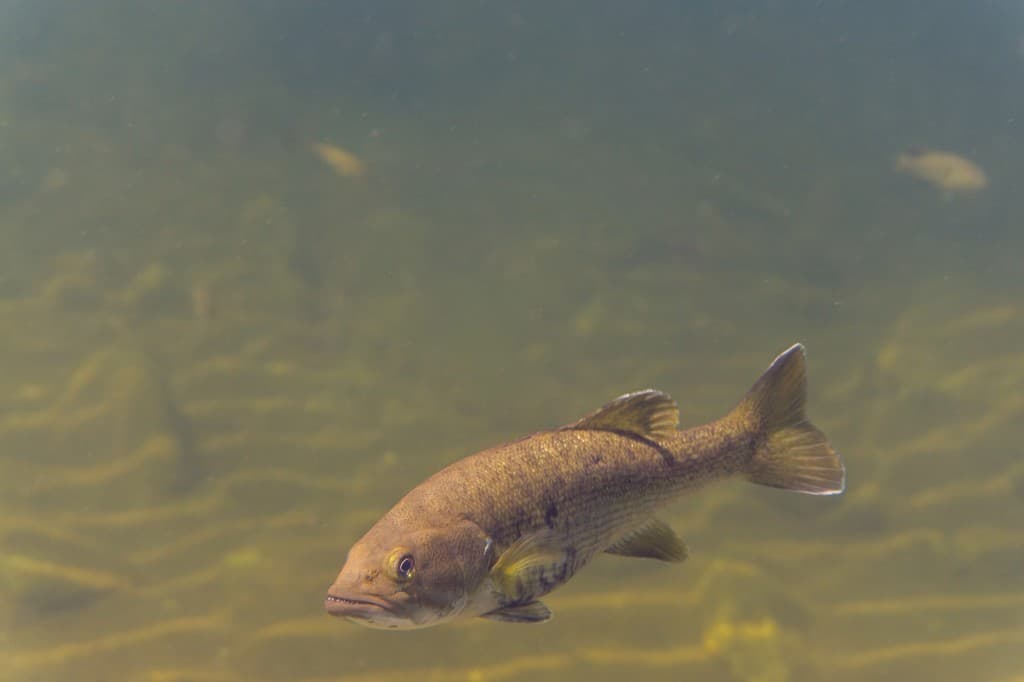
Lake Oahe is the name most traveling anglers know first, and it earns that attention. It is huge, windswept, and capable of producing memorable walleye trips, smallmouth opportunities, and the kind of expansive open-water experience that feels bigger than a single reservoir. Oahe also demands respect. The same size that makes it famous makes it hard on underprepared crews. Wind can shape the whole day. Long runs may stop making sense by midday. Launch choice matters, and a backup plan matters even more.
Lake Sharpe offers a different Missouri River personality. It can still fish big, but it often feels more manageable to anglers who want reservoir scale without always dealing with the widest, most intimidating basin conditions. Sharpe is valuable because it keeps walleye front and center while still giving bass anglers reason to pay attention. Near Pierre and central access points, it is one of the most useful waters for anglers trying to balance travel convenience with real destination quality.
Lake Francis Case and Lewis and Clark Lake round out the classic southern Missouri River conversation. Francis Case can reward anglers who like covering water and working through changing structure, while Lewis and Clark offers accessibility and border-water importance. It is a reminder that South Dakota's Missouri River system is not one giant interchangeable fishery. Pool by pool, the character changes.
South Dakota bass anglers should not be treated as an afterthought in a walleye state. Smallmouth on the Missouri reservoirs, plus largemouth opportunities on inland lakes and some glacial waters, give the state more bass depth than outsiders often assume. If your crew includes both walleye and bass anglers, South Dakota is actually one of the easier Plains states to plan around because the same trip can keep both groups interested.
- Lake Oahe: flagship South Dakota reservoir with major walleye reputation and real big-water demands.
- Lake Sharpe: central Missouri River option with strong travel value and multi-species potential.
- Lake Francis Case: long reservoir with walleye focus and broad structural variety.
- Lewis and Clark Lake: southern border water with travel convenience and mixed-species interest.
- Inland lakes and glacial waters: important backups or primary destinations for bass, perch, panfish, and more protected conditions.
Why the Glacial Lakes Region Matters
The northeastern glacial lakes are one of South Dakota's strongest fishing arguments because they give the state a second headline region instead of just one giant river system. Lakes in the Waubay area, Enemy Swim system, Bitter Lake area, and nearby chains create a landscape where anglers can stay mobile and make smart weather calls without abandoning quality. Perch, bluegill, crappie, and walleye all matter here, and the trip style is different from the Missouri River. Instead of committing to one massive basin and riding it out, anglers can often choose among several lakes based on wind direction, clarity, access, and recent reports.
This region is especially attractive for anglers who enjoy making practical, on-the-water decisions. If one lake turns muddy or gets crowded, another option may be a short drive away. That flexibility is a huge advantage, especially during spring transitions, fall cool-downs, and winter ice periods when conditions change rapidly.
The glacial lakes are also part of what makes South Dakota such a complete fishing state. Not every great trip has to be a classic Missouri River trolling or structure-fishing grind. Some of the best travel memories in South Dakota come from moving through these lake systems, fishing a protected afternoon bite, and discovering that the famous destination is not always the only good answer.
Missouri River Strategy for Traveling Anglers
Planning a Missouri River trip in South Dakota starts with the wind forecast and the pool map, not with the lure box. Anglers who succeed here usually make peace with the idea that they may not fish the exact stretch they imagined two weeks earlier. Oahe, Sharpe, Francis Case, and Lewis and Clark can all shift in fishability based on wind direction, launch orientation, and water level. That is not a flaw in the system. It is the system.
The best Missouri River crews usually do four things well. First, they keep distances realistic. Second, they identify more than one launch option. Third, they stay flexible about species and pattern. Fourth, they understand that border-water considerations may matter depending on pool and access site. South Dakota is generous to anglers who make those adjustments early. It punishes those who insist on treating big reservoirs like small hometown lakes.
Boat safety matters here because conditions can change quickly and long open runs can become rough faster than visiting anglers expect. Check fuel, batteries, weather windows, and communication plans before leaving the dock. If the forecast looks borderline, shift to a protected inland lake rather than forcing the Missouri. There is too much good fishing elsewhere in the state to make stubborn decisions on big water.
Black Hills Trout and Western South Dakota Variety
South Dakota's trout opportunities, especially in and around the Black Hills, add another layer to the state's fishing profile. Trout are not the primary reason most traveling anglers first think of South Dakota, but they absolutely matter to anyone planning a broad statewide trip. Streams, tailwaters, and stocked opportunities give families and mixed-interest groups more flexibility than a Missouri River-only itinerary would.
For western South Dakota travel, that matters a lot. A group can spend one day sightseeing, one day fishing a coolwater or trout setting, and another day chasing warmwater species elsewhere on the route. GFP maintains trout information and current regulations for anglers who want to add that dimension. As with most specialized fisheries, reading the water-specific rules ahead of time is the difference between a smooth stop and a frustrating one.
How to Fish South Dakota by Season
Spring is a prime season because both the Missouri system and inland lakes begin to open up into broader, more consistent patterns. Walleye-minded anglers can find stable travel windows, while panfish and perch fans in the glacial region often enjoy improving action as the season settles. Spring is also one of the best times to build a flexible road trip because you can move between regions depending on weather.
Summer is excellent but demands strategy. Recreational traffic, open-water wind, and heat can all push anglers toward early launches, evening sessions, or more protected inland lakes. Missouri River reservoirs remain productive, but summer success usually comes from timing and location discipline rather than brute-force hours.
Fall is one of the finest times to fish South Dakota. Cooling temperatures, active forage, and less pleasure-boat traffic make both the Missouri and glacial systems easier to enjoy. If you want one season that shows off the state most completely, fall is a strong choice.
Winter turns the glacial lakes into a major draw and keeps parts of the state relevant for serious ice anglers. Safe ice always depends on current conditions, not reputation, so anglers should confirm local reports before making long drives.
Plan Your South Dakota Fishing Trip
The smartest South Dakota trip usually starts with an honest choice between two styles. If you want iconic big-water walleye and smallmouth country, build your schedule around the Missouri River reservoirs and choose lodging, ramps, and backup inland lakes that fit the forecast. If you want flexibility, panfish depth, and more shelter from wind, center the trip in the glacial lakes region and keep several lake options ready.
You can also split the difference. Many traveling anglers spend a few days on the Missouri and then move east or northeast for protected water and species variety. That kind of two-region itinerary is one of South Dakota's great advantages over states that are famous for only one type of fishing.
Use our South Dakota outdoors guide with the South Dakota fishing hub to frame the trip, then finish by checking GFP for the current handbook, licensing, and waterbody-specific updates. In South Dakota, the anglers who adapt to wind and geography are almost always the anglers who enjoy the state most.
Frequently Asked Questions
Do I need a South Dakota fishing license?
Most anglers do need a valid South Dakota fishing license unless an exemption applies. Residents and nonresidents should verify the right option before traveling, especially if the trip includes multiple regions or specialized waters.
Where can I find South Dakota fishing regulations?
The official GFP fishing pages and current South Dakota Fishing Handbook are the correct place to start. After that, read any pool-specific, trout-specific, or border-water notes tied to your destination.
What are South Dakota's famous fisheries?
Lake Oahe, Lake Sharpe, Lake Francis Case, Lewis and Clark Lake, and the northeastern glacial lakes are the best-known fisheries. Together they give the state a rare combination of giant reservoirs and highly flexible natural-lake travel.
Are the glacial lakes worth a dedicated trip?
Yes. They are one of South Dakota's strongest fishing assets, especially for anglers who want perch, panfish, walleye variety, and the ability to move among several lakes when wind or pressure shifts.
Does South Dakota have trout fishing?
Yes. Trout opportunities in and around the Black Hills and selected managed waters add valuable diversity to the statewide lineup. Anglers should check current GFP rules because trout waters often operate under more specific regulations than general warmwater lakes.
How important is wind on the Missouri River reservoirs?
It is one of the biggest planning factors in the entire state. Wind affects launch choice, run length, safety, and which parts of the reservoir are realistically fishable, so it should guide the whole trip plan.
Sources
- South Dakota Game, Fish and Parks. "Fishing." GFP, https://gfp.sd.gov/fishing/. Accessed 14 Apr. 2026.
- South Dakota Game, Fish and Parks. "Licensing." GFP, https://gfp.sd.gov/licensing/. Accessed 14 Apr. 2026.
- South Dakota Game, Fish and Parks. "Fishing Handbook." GFP, https://gfp.sd.gov/fishing-handbook/. Accessed 14 Apr. 2026.
- South Dakota Game, Fish and Parks. "Missouri River Fisheries." GFP, https://gfp.sd.gov/fishing-areas/. Accessed 14 Apr. 2026.
- South Dakota Game, Fish and Parks. "Trout Fishing." GFP, https://gfp.sd.gov/trout/. Accessed 14 Apr. 2026.
Official state agency
South Dakota Game, Fish and Parks — FishingVerify season openings, daily bag, possession, and length or slot rules for each water and species you target—plus any 2026 rule changes or emergency orders—before you fish.
Written by
The Inside Spread Team
The Inside Spread team covers fishing regulations and access across all 50 states. We tie every guide to official agency sources so you can verify seasons, bag limits, and license rules before you launch.
Comments
No comments yet. Be the first to share your thoughts.
More in state-guides
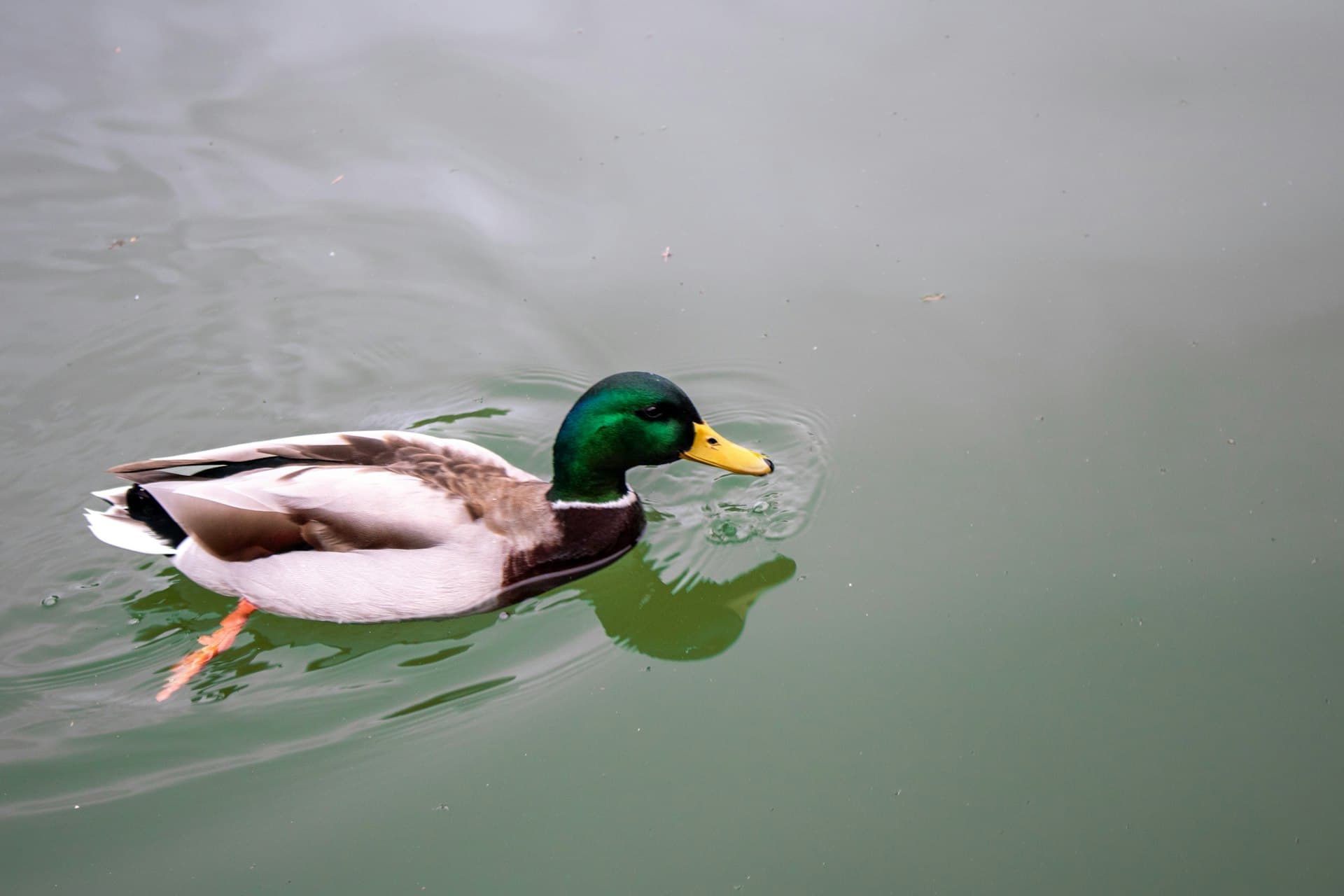
Arkansas Duck Hunting 2026: Season Dates, WMA Permits, License Costs & Complete Guide
Arkansas duck hunting 2026-27—three-segment season dates, nonresident WMA waterfowl permits, Black River and Bayou Meto access changes, and Delta license costs.
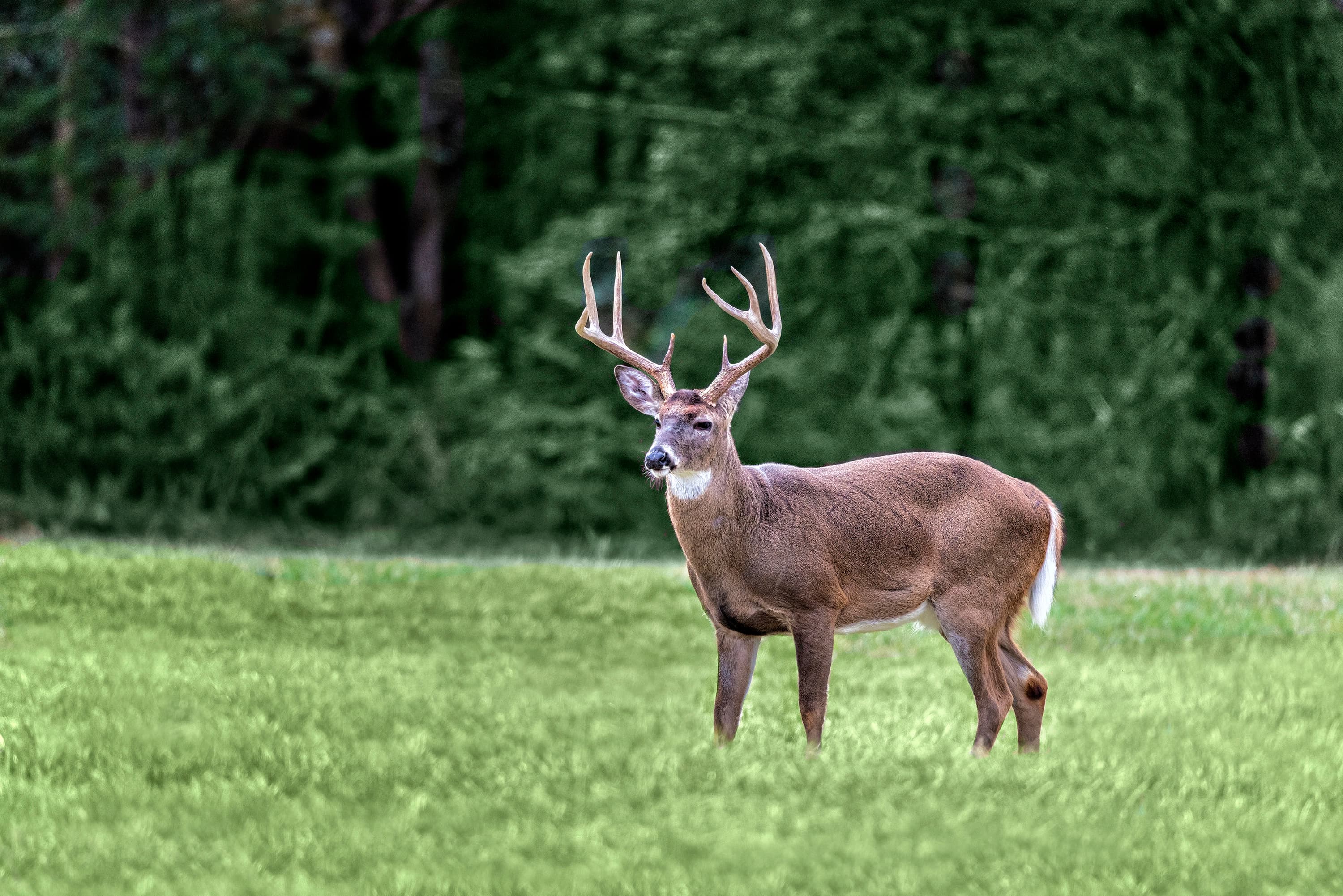
Georgia Whitetail Deer Hunting 2026: Season Dates, Extended Counties, License Costs & Nonresident Guide
Georgia whitetail deer hunting 2026-27—archery, primitive weapons, and firearms dates, 29-county extended archery, 12-deer bag, Game Check, and the nonresident guide.
Kentucky Whitetail Deer Hunting 2026: Season Dates, Zone Changes, License Costs & Nonresident Guide
Kentucky whitetail deer hunting 2026-27—archery, crossbow, and modern gun dates, the 2026 zone map, license and deer permit costs, Telecheck, and the nonresident guide.
Michigan Whitetail Deer Hunting 2026: Season Dates, License Costs, UP vs LP & Nonresident Guide
Michigan whitetail deer hunting 2026—archery, firearm, and three-day December dates, DNR license fees, Upper vs Lower Peninsula rules, baiting, and the nonresident guide.