
Utah Fishing 2026: Licenses, Blue-Ribbon Streams, and Mountain Lakes
Utah fishing 2026—license options, DWR guidebook links, Blue Ribbon water rules, two-pole permit checks, Flaming Gorge planning, and quagga notices.
2026 seasons & limits
Verify rules with Utah fish & wildlife
- Confirm open seasons, daily bag, and possession limits for each species and water you fish.
- Check length and slot rules—many lakes, rivers, and bays have special tables beyond statewide defaults.
- Review 2026 summaries and any emergency orders (closures, health notices, gear rules) before you go.
The Inside Spread orients you for trip planning only. Conservation officers enforce the official published regulations—not articles or forum posts.
Need a Utah fishing license, the current guidebook, a two-pole permit check, or the right Blue Ribbon water rule before your trip? Start with Utah DWR Fishing and decide whether your day is a Blue Ribbon stream, Flaming Gorge, community fishery, or warm-water reservoir outing. That first choice usually answers most of the license and special-regulation questions.
Utah is mountain-water culture with a desert backbone. The Green River, Flaming Gorge, community ponds, Wasatch streams, and Utah Lake do not share the same planning assumptions, and quagga-mussel rules can affect launch-day logistics. If you define the exact water first, the DWR guidebook, two-pole permit, and border-water questions become much easier to sort.
2026 Seasons, Limits, and Rule Changes
This article is not the law. Your state's fish and wildlife agency publishes the official rules—online digests, mobile apps, and emergency notices—and those sources control what you can keep, when you can fish, and where.
Utah manages freshwater fisheries only—rivers, reservoirs, lakes, and streams. Named waters often carry special regulations beyond statewide defaults; border waters and interstate coordination may apply on shared rivers. Always match the species, water body, and date you plan to fish to the correct table.
What to verify before every trip
- Seasons and closures for each species you target (game fish, panfish, trout, salmon, and steelhead where present)
- Daily and possession limits (creel limits) and whether aggregate caps apply across similar species
- Minimum and maximum length and slot limits, plus how length is measured (total length vs. fork length)
- Gear restrictions (bait, hooks, tackle) where they apply
- Special rules for WMAs, community fishing waters, trophy waters, and border waters
2026 updates and mid-season changes
Agencies publish annual summaries and sometimes emergency orders (water quality, fish health, stock changes, or temporary closures). Before you plan 2026 trips:
- open the current regulations for the license year that covers your dates
- check your agency's news or rule change page for new limits, stamps, or reporting rules
- read invasive species and bait movement notices if you move boats or gear between waters
If a forum or social post disagrees with the agency PDF, trust the agency and walk away from edge cases.
Popular species: what to look up in the digest
Use the index or online tools to find limits for the fish you actually plan to catch—black bass (largemouth, smallmouth, spotted), panfish (crappie, bluegill, perch, sunfish), catfish, trout and salmon (including steelhead where present), walleye and sauger, muskies and pike, and other species listed for your water in the official guide. Do not keep fish until you match the species to the exact rule line for that water body and date.
| Topic | Verify in the official digest |
|---|---|
| Daily bag | Per-day harvest limit per species or aggregate groups |
| Possession | Fish you may have in camp, cooler, or vehicle combined |
| Length / slot | Minimum, maximum, or protected length bands |
| Season | Opening and closing dates, catch-and-release-only windows, closures |
Utah official source: Utah Division of Wildlife Resources — Fishing
What Utah Fishing License Do I Need?
Most anglers 12 and older need a valid Utah fishing license unless a current exemption applies. DWR directs anglers to official licensing systems and agents for purchases. Utah also offers combination licenses that bundle hunting and fishing privileges for residents who participate in both; verify whether a combination option saves money for your calendar year. Multi-year licenses can be convenient for locals who know they will fish often.
Nonresident anglers traveling for famous waters should purchase licenses before prime-time weekends when possible. Keep proof on your phone and a paper backup in the truck. If you hire guides, confirm what they provide versus what you must carry. Youth anglers need clear adult supervision and age-appropriate coaching on identification and limits.
Two-Pole Permits and When an Extra Line Helps
Utah’s two-pole permit can be a practical tool for bait-fishing situations and certain stillwater techniques, but it is not a free pass to fish two lines everywhere. The guidebook lists where two poles are allowed; posted signs may reinforce special water rules. If you are unsure, default to one pole until you confirm. The goal is more time fishing legally, not more time explaining mistakes.
Blue Ribbon Streams, Wild Trout, and Artificial-Only Segments
Blue Ribbon waters represent Utah’s commitment to high-quality trout fishing, often with restrictions that protect fish from excessive harvest and habitat damage. Artificial fly or lure segments can appear in the guidebook, and anglers should treat those rules as part of the fishery’s identity. Catch-and-release practices on wild fish should emphasize quick handling, wet hands, and minimal air exposure—especially in summer when water temperatures climb.
The Provo River and other Wasatch-front streams draw heavy pressure because they are close to population centers. Courtesy matters: do not low-hole other anglers, keep dogs under control where allowed, and pack out trash. Pressure is not just social; it affects fish behavior and can push trout into tougher lies, which is part of the challenge.
Flaming Gorge: Lake Trout, Kokanee, and Border Awareness
Flaming Gorge is famous for lake trout and kokanee salmon fisheries that can feel more western Canada than stereotypical desert Utah. Deep water, strong weather, and big fish demand serious tackle and boat safety habits. Because the reservoir crosses the Utah–Wyoming line, anglers must verify which state’s rules apply to their location and harvest. Carry a clear map mental model: border fishing is not ambiguous in regulation even when the scenery feels seamless.
Green River Tailwater: World-Class Fishing and Real-World Etiquette
The Green River below Flaming Gorge Dam is a destination tailwater with sections that fish like textbook trout water. It is also a place where drift boat traffic, wading lines, and changing flows can create conflict without bad intentions. Yield space, communicate at launches, and avoid cutting in front of working anglers. If you are new to tailwaters, consider hiring a reputable guide for your first day to learn currents, wading hazards, and fish handling expectations.
Utah Lake, Jordanelle, and Wasatch-Front Reservoirs
Utah Lake and nearby reservoirs support warm-water fisheries that anchor local culture: walleye, white bass, channel catfish, and panfish opportunities depending on season and conditions. Ice fishing appears where conditions allow, but Utah ice demands the same respect as anywhere else: local knowledge, thickness verification, and conservative decisions. Reservoir bass fisheries bring tournament energy and weekend boat traffic; ramp etiquette and safe wake behavior keep access workable for everyone.
Community Fisheries and Urban Ponds
Community ponds are a pillar of Utah’s recruitment into fishing. Simplified regulations help families focus on skills rather than paperwork—yet ethics still matter. Teach beginners to identify species, handle fish quickly, and appreciate stocking programs as a privilege that depends on clean banks and lawful behavior.
Seasonal Patterns: Runoff, Hatches, and Reservoir Temperatures
Spring runoff can stain rivers and push trout into new holding water. Summer pushes anglers higher in elevation or earlier in the day. Fall can be spectacular for brown trout behavior and cooling reservoirs. Winter narrows options but rewards prepared anglers. Match your tactics to seasonal realities rather than forcing summer patterns onto winter flows.
Hatch timing matters on many Utah streams, but so does angler pressure. Weekday mornings often fish more calmly than holiday afternoons on accessible water. On popular reservoirs, wind direction can reposition plankton, baitfish, and predators faster than a map study predicts—keep an open mind and move when the bite refuses to meet your first plan.
Ice anglers should treat Utah ice like any western state: thickness varies by location, currents weaken seemingly solid areas, and changing temperatures can weaken ice quickly. Carry picks, rope, and a float plan mindset even for “short” outings. The best ice trip is the one that ends with dry boots and warm hands.
Invasive Species: Quagga Mussels and Mandatory Decontamination
Utah has been vocal about quagga mussel risks on major waters. Mandatory decontamination or inspection protocols can apply depending on where you boat and where you have been. Treat DWR notices as binding trip steps. Clean, drain, and dry remain universal habits for all gear, including kayaks and float tubes.
Safety: Altitude, Weather, Lightning, and Cold Water
Utah’s mountains can exceed newcomers’ expectations for altitude effects. Hydrate, pace yourself, and watch for afternoon thunderstorms in summer. Cold water immersion remains a risk on reservoirs and rivers even when the air feels warm. Wear life jackets when boating conditions warrant, and teach wading safety early—slippery rocks and fast seams injure more anglers than fish do.
Where Are Utah’s Best Trout and Reservoir Fisheries?
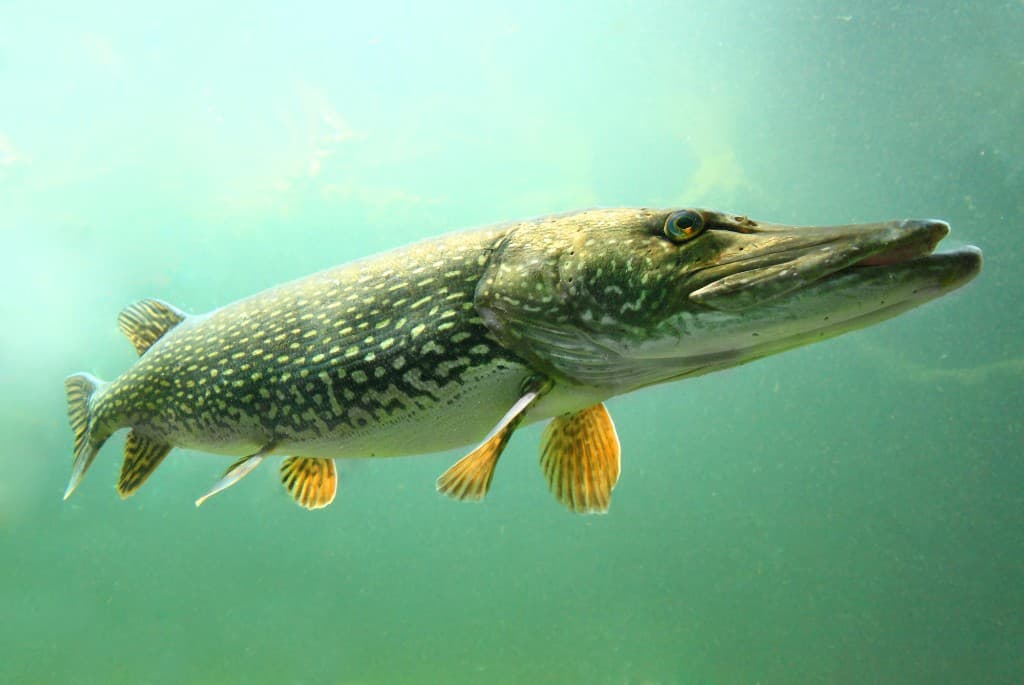
Utah’s trout strengths cluster in Blue Ribbon streams, high-country lakes, and famous tailwaters like the Green below Flaming Gorge Dam. Reservoir strengths include Flaming Gorge for lake trout and kokanee, Wasatch-front impoundments for multi-species days, and southern Utah red-rock country waters that add scenery to the ledger. Warm-water highlights include Utah Lake and popular bass and panfish fisheries when regulations and conditions align.
If you are planning a highlight reel, combine at least one technical trout day with one relaxed family day at a community pond. Utah’s fishing culture lives in both places.
Plan Your Utah Fishing Trip
Start with the Utah Fishing Guidebook PDF on your phone, then add DWR’s stocking and special regulation pages for your waters. Confirm boat decontamination needs before you trailer. Build weather buffers for mountain roads and canyon winds. Keep a backup plan when crowds or algae conditions shift access.
Use our Utah outdoors guide with the Utah fishing hub. More: fishing articles.
Frequently Asked Questions
Do I need a Utah fishing license?
Most anglers 12 and older need a valid Utah fishing license; combination licenses and multi-year options are available—check DWR for current fees and exemptions.
Where can I find Utah fishing regulations?
Use DWR fishing pages for the Utah Fishing Guidebook, community fishery rules, and special regulations by water.
What are Utah’s best-known fisheries?
The Green and Provo rivers support blue-ribbon trout; Flaming Gorge offers trout and kokanee; Utah Lake and Jordanelle are popular for bass, walleye, and panfish.
What is a Blue Ribbon fishery in Utah?
Blue Ribbon waters are high-quality trout fisheries with special rules; read the guidebook for bait restrictions, seasonal closures, and gear limits that can differ from statewide defaults.
When is a two-pole permit valid in Utah?
Utah offers a two-pole permit where allowed, but not on every water—verify the current guidebook and posted rules for your specific waterbody before fishing two lines.
Why is quagga mussel prevention emphasized at Utah launches?
Invasive mussels threaten reservoirs and infrastructure; mandatory decontamination or inspection requirements can apply on certain waters—check DWR notices before you trailer a boat.
Sources
- Utah Division of Wildlife Resources. "Fishing." Utah DWR, wildlife.utah.gov/fishing.html. Accessed 16 Apr. 2026.
- Utah Division of Wildlife Resources. "Licenses and Permits." Utah DWR, wildlife.utah.gov/licenses-permits.html. Accessed 16 Apr. 2026.
- Utah Division of Wildlife Resources. "Utah DWR Home." Utah DWR, wildlife.utah.gov. Accessed 16 Apr. 2026.
Official state agency
Utah Division of Wildlife Resources — FishingVerify season openings, daily bag, possession, and length or slot rules for each water and species you target—plus any 2026 rule changes or emergency orders—before you fish.
Written by
The Inside Spread Team
The Inside Spread team covers fishing regulations and access across all 50 states. We tie every guide to official agency sources so you can verify seasons, bag limits, and license rules before you launch.
Comments
No comments yet. Be the first to share your thoughts.
More in state-guides
Arkansas Duck Hunting 2026: Season Dates, WMA Permits, License Costs & Complete Guide
Arkansas duck hunting 2026-27—three-segment season dates, nonresident WMA waterfowl permits, Black River and Bayou Meto access changes, and Delta license costs.
Georgia Whitetail Deer Hunting 2026: Season Dates, Extended Counties, License Costs & Nonresident Guide
Georgia whitetail deer hunting 2026-27—archery, primitive weapons, and firearms dates, 29-county extended archery, 12-deer bag, Game Check, and the nonresident guide.
Kentucky Whitetail Deer Hunting 2026: Season Dates, Zone Changes, License Costs & Nonresident Guide
Kentucky whitetail deer hunting 2026-27—archery, crossbow, and modern gun dates, the 2026 zone map, license and deer permit costs, Telecheck, and the nonresident guide.
Michigan Whitetail Deer Hunting 2026: Season Dates, License Costs, UP vs LP & Nonresident Guide
Michigan whitetail deer hunting 2026—archery, firearm, and three-day December dates, DNR license fees, Upper vs Lower Peninsula rules, baiting, and the nonresident guide.