
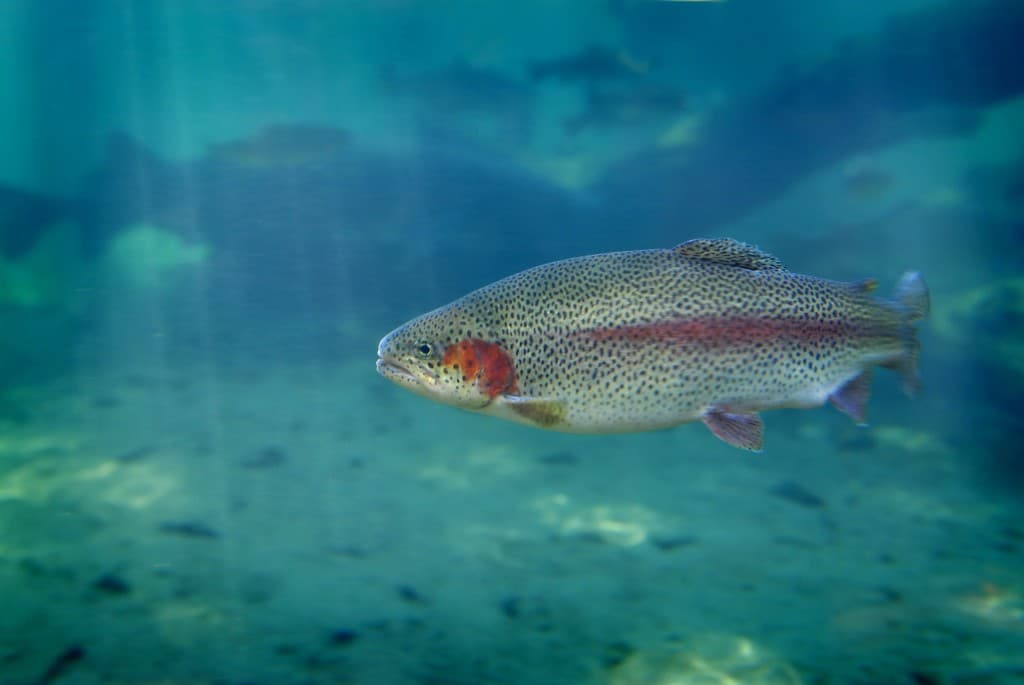
West Virginia Fishing 2026: Licenses, Mountain Streams, and Ohio River
West Virginia fishing 2026—license options, trout-stamp checks, official DNR regulations, river planning, and Ohio River border-water guidance.
2026 seasons & limits
Verify rules with West Virginia fish & wildlife
- Confirm open seasons, daily bag, and possession limits for each species and water you fish.
- Check length and slot rules—many lakes, rivers, and bays have special tables beyond statewide defaults.
- Review 2026 summaries and any emergency orders (closures, health notices, gear rules) before you go.
The Inside Spread orients you for trip planning only. Conservation officers enforce the official published regulations—not articles or forum posts.
Need a West Virginia fishing license, the current regulations digest, or the right trout-stamp guidance before your trip? Start with WVDNR Fishing and decide whether your day is a trout stream, a smallmouth river, or an Ohio River border-water trip. That first split usually answers most of the licensing and special-rule questions.
West Virginia can feel like three different fishing states in one season. Stocked mountain trout water, the New or Gauley for bronzebacks, and the Ohio River for catfish or mixed warmwater species do not share the same planning assumptions, and some streams add delayed-harvest or artificial-only rules. If you define the exact fishery first, the regulations get much easier to navigate.
2026 Seasons, Limits, and Rule Changes
This article is not the law. Your state's fish and wildlife agency publishes the official rules—online digests, mobile apps, and emergency notices—and those sources control what you can keep, when you can fish, and where.
West Virginia manages freshwater fisheries only—rivers, reservoirs, lakes, and streams. Named waters often carry special regulations beyond statewide defaults; border waters and interstate coordination may apply on shared rivers. Always match the species, water body, and date you plan to fish to the correct table.
What to verify before every trip
- Seasons and closures for each species you target (game fish, panfish, trout, salmon, and steelhead where present)
- Daily and possession limits (creel limits) and whether aggregate caps apply across similar species
- Minimum and maximum length and slot limits, plus how length is measured (total length vs. fork length)
- Gear restrictions (bait, hooks, tackle) where they apply
- Special rules for WMAs, community fishing waters, trophy waters, and border waters
2026 updates and mid-season changes
Agencies publish annual summaries and sometimes emergency orders (water quality, fish health, stock changes, or temporary closures). Before you plan 2026 trips:
- open the current regulations for the license year that covers your dates
- check your agency's news or rule change page for new limits, stamps, or reporting rules
- read invasive species and bait movement notices if you move boats or gear between waters
If a forum or social post disagrees with the agency PDF, trust the agency and walk away from edge cases.
Popular species: what to look up in the digest
Use the index or online tools to find limits for the fish you actually plan to catch—black bass (largemouth, smallmouth, spotted), panfish (crappie, bluegill, perch, sunfish), catfish, trout and salmon (including steelhead where present), walleye and sauger, muskies and pike, and other species listed for your water in the official guide. Do not keep fish until you match the species to the exact rule line for that water body and date.
| Topic | Verify in the official digest |
|---|---|
| Daily bag | Per-day harvest limit per species or aggregate groups |
| Possession | Fish you may have in camp, cooler, or vehicle combined |
| Length / slot | Minimum, maximum, or protected length bands |
| Season | Opening and closing dates, catch-and-release-only windows, closures |
West Virginia official source: West Virginia Division of Natural Resources — Fishing
What West Virginia Fishing License Do I Need?
Most anglers need a West Virginia fishing license unless they qualify for a listed exemption. WVDNR also uses additional trout-related credentials on designated waters, so trout anglers should never assume that a general fishing license covers every coldwater trip. If you are targeting stocked trout, planning a spring float that passes through trout water, or splitting time between ponds and streams, check the current license descriptions before you buy. The agency’s licensing system explains what each privilege covers, who qualifies for resident pricing, and whether a trout credential applies to the water you plan to fish.
For a practical trip plan, break your license decision into three questions:
- Are you fishing only in West Virginia inland waters, or do border-water rules affect your launch or shoreline?
- Are you targeting trout or entering waters that WVDNR identifies as trout-managed?
- Are you a resident, nonresident, youth angler, or another angler class with separate license language?
That checklist helps because many West Virginia trips are mixed-species trips. You might spend a morning throwing spinners for trout in a mountain stream and an evening casting tubes for smallmouth in a nearby river. The right answer is not just "buy a fishing license." The right answer is "buy the exact license and stamps that match the waters and species on your route." Carrying proof electronically or in print is a good habit, especially in places with limited cell service.
How WVDNR Regulations Shape a Typical West Virginia Trip
WVDNR organizes fishing information around species, stocking programs, and water-specific regulations. That matters because West Virginia is not a one-rule state. Different streams, impoundments, and rivers can have different harvest limits, gear restrictions, and seasonal protections. Trout waters are where most visitors run into the most detail. Stocked streams can carry traditional harvest opportunity, but certain reaches emphasize catch-and-release or artificial-lure management. If you are driving into the mountains for a weekend, spend a few minutes reading the exact stream listing instead of relying on memory or social media advice.
River anglers need the same mindset. Smallmouth bass regulations can vary by species and waterbody, and navigability does not eliminate the need to confirm legal access. Launch availability, seasonal flow, and boating safety all affect the day before the first cast. On bigger rivers, particularly those that interact with locks, dams, or commercial traffic, boating awareness matters just as much as creel awareness. WVDNR’s fishing pages are useful partly because they connect anglers to the current regulation summary and broader access information in one place.
West Virginia is also a strong example of why "general fishing advice" can be misleading. A recommendation to fish "the New River" or "Shavers Fork" is too broad to be useful unless you know the section, access point, and the regulations in that reach. Good trip planning in West Virginia means pairing destination names with official maps and summaries.
Where Are West Virginia’s Best Trout and Smallmouth Waters?
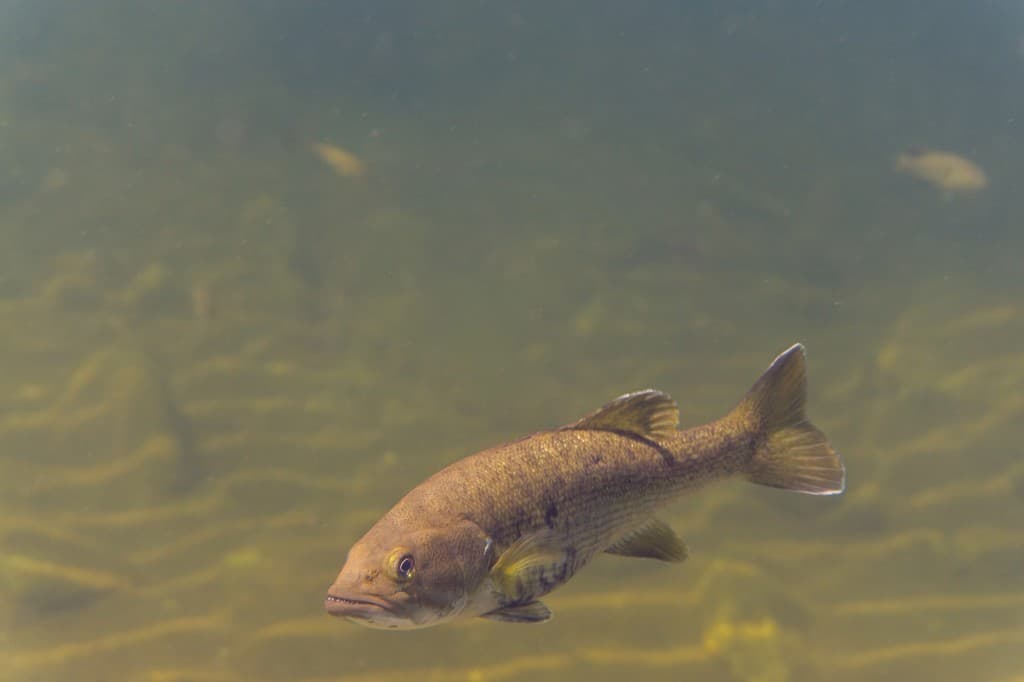
The state’s best-known fishing waters tend to fall into three buckets: mountain trout systems, moving-water smallmouth fisheries, and large-river warmwater fisheries. Each bucket fishes differently and asks different things from anglers.
For trout, names such as Shavers Fork, Williams River, Cranberry drainage waters, Elk River tributaries, and many stocked park-area streams show up often in trip conversations. Some of these waters are known for put-and-take opportunity, while others build more of a destination reputation because of scenery, public-land setting, and a mix of stocked and wild fish potential. The appeal is not just catching trout. It is also the setting: national forest roads, cold water, high-elevation weather, and a day that can shift from bright sun to mountain rain in an hour.
For smallmouth bass, the New River is the headliner for many nonresidents. It has size, current, structure, and a reputation that attracts serious float anglers every year. The Gauley, Greenbrier, and South Branch Potomac also matter. These waters produce fish in current breaks, eddies, ledges, and rocky runs, and they reward anglers who can adjust lure size and depth to flow conditions. Spring and early summer often produce the most visible excitement, but summer and early fall can fish well if water conditions cooperate.
The Ohio River gives West Virginia a very different profile. Instead of wading pocket water or floating rapids, anglers deal with navigation, current influenced by dams and commercial movement, and species like catfish, sauger, and other warmwater fish that thrive in big-river habitat. It is a legitimate destination in its own right, not just a backup when trout streams run low.
- Mountain trout water shines when stocking schedules, cold temperatures, and easy public access line up.
- River smallmouth fishing peaks when flows are manageable and anglers treat current safety as part of the plan.
- The Ohio River is best approached as a big-water system with specialized tactics, not a casual extension of stream fishing.
Trout Fishing in the Mountains
West Virginia trout fishing is popular because it offers a wide spread of experiences. A family can fish stocked park water with straightforward bank access, while more experienced anglers can walk farther into a forest stream and target fish in pocket water, plunge pools, and undercut banks. The state’s trout identity is tied to stocking, but that does not mean every trout trip is the same. Water temperature, stocking timing, stream size, fishing pressure, and special regulations all change the day’s feel.
Early-season anglers often focus on predictable access and recently stocked stretches. That makes sense if the goal is to put fish in the net and introduce new anglers to the state. As the season moves forward, lower-pressure water, higher-elevation sections, and better presentation matter more. Spinners, small spoons, nymphs, worms where legal, and compact jigs all have a place. The common mistake is overpacking and underreading the water. In many West Virginia streams, a careful first cast into a seam or plunge pool matters more than cycling through ten lure choices.
Coldwater safety also matters. Mountain streams are slippery, fast, and isolated in a way that can catch people off guard. Felt soles may be restricted depending on where you travel regionally, so check local guidance and use stable wading footwear. Let someone know where you are headed if you are leaving the roadside. If you are visiting from out of state, do not assume a stream that looks small is harmless after rain. Appalachian waters can rise fast and color up quickly.
New River and Other Smallmouth Fisheries
The New River is famous for a reason. It combines enough size to feel adventurous with enough access and float culture to make trip planning possible for visitors. Smallmouth bass in these rivers relate to rock, current seams, shoals, and transitional banks. They often reward moving baits in active conditions and bottom-oriented presentations when fish slide deeper or grow less aggressive. Tubes, soft-plastic craws, compact swimbaits, jerkbaits, and topwaters all have a place depending on season and flow.
The challenge is that a good bass plan in West Virginia starts with water conditions, not lure color. High water can erase easy access, increase danger, and push fish into different holding areas. Low clear water can call for lighter line, longer casts, and quieter boat positioning. Whitewater character also matters. Some reaches are ideal for anglers with local shuttle support and river-reading experience; other reaches are better left to guides or paddlers who know the hazards.
The Gauley and Greenbrier add similar appeal with their own personalities. The South Branch Potomac expands the menu further, especially for anglers who like clear water and a mix of bass and incidental other species. Across all of them, the best tactic is usually to narrow down to a specific reach rather than the whole river. Pick a launch, confirm access, watch the flow, and build a short plan that matches that stretch.
Ohio River, Tailwaters, and Warmwater Options
The Ohio River makes West Virginia more diverse than many anglers expect. It is not a scenic afterthought. It is a major fishery with catfish potential, mixed warmwater action, and water conditions that require attention. Shore anglers may focus on access points, eddies, riprap, and slower current edges. Boat anglers can cover more ground, but they also assume more responsibility for navigation, wake awareness, and traffic around industrial areas and lock infrastructure.
West Virginia also offers warmwater opportunities away from the Ohio. Reservoirs, flood-control lakes, and slower river sections can produce crappie, largemouth bass, hybrid striped bass, catfish, and muskie. Tailwaters deserve a separate mention because they can fish like their own category. Water released from dams changes temperature, current speed, and fish location quickly. A tailwater that looks gentle at the ramp can become a very different place once generation changes.
If you are traveling with a mixed group, warmwater lakes are often the easiest compromise. They offer bank access, boat ramps, panfish opportunity for beginners, and a chance at bass or catfish for experienced anglers. They may not get the same attention as iconic trout or smallmouth rivers, but they broaden the state’s appeal.
Seasonal Strategy for West Virginia Fishing 2026
Spring is the most obvious entry point for many trips. Stocked trout attract crowds but also create dependable opportunity, especially around towns, public parks, and major access corridors. River anglers often watch for stable flows and warming conditions that improve smallmouth activity. Cold fronts and rain can still reset the whole week, so flexibility helps.
Summer often divides the state into coldwater and warmwater priorities. Trout anglers usually do best by targeting higher elevations, cooler mornings, or tailwater-influenced systems that stay fishable longer. Smallmouth anglers can have excellent dawn and dusk windows, especially on rivers with defined current breaks and predictable summer structure. Lake and pond anglers lean on early, late, and night bites when heat pushes fish deeper or tighter to cover.
Fall is underrated in West Virginia. Crowds usually drop, scenery improves, and both trout and bass anglers can find strong action. Cooler nights stabilize conditions, and many anglers fish with more patience after the peak tourist season. Winter is more specialized, but not empty. Tailwaters, milder river stretches, and select stocked opportunities can still produce if anglers dress for cold water and shorten their expectations to a few productive hours rather than an all-day mission.
Plan Your West Virginia Fishing Trip
A successful trip usually starts with narrowing your goal before you choose the town. Decide whether you want a trout weekend, a river float, or a mixed-family fishing trip. From there, build around access, lodging, and travel time rather than only around famous names. In West Virginia, a less famous stream with easy access and legal room to move can outperform a famous destination that is crowded, high, or poorly matched to your skill level.
Use West Virginia outdoors and West Virginia fishing hub to connect fishing with the rest of the state. If you are traveling with kids or nonanglers, look for towns that pair stream access with short drives, food, and simple trail or scenic options. If you are planning a float, solve shuttle and ramp logistics before you leave home. If you are heading into mountain country, download maps because service can disappear quickly.
Pack with the state’s variety in mind:
- Lightweight rain gear for mountain weather and long river days.
- Stable footwear for slick rocks, muddy ramps, and uneven banks.
- A paper or downloaded copy of your license and key regulations.
- Spare dry clothes if you are floating cold water or early-season rivers.
- A backup destination in case rain blows out your first-choice stream.
That last point matters more in West Virginia than in flatter states. One storm can change an entire drainage. The best itineraries leave room to pivot from stream to pond, from river float to bank fishing, or from one watershed to another.
Frequently Asked Questions
Do I need a West Virginia fishing license?
Most anglers need a valid West Virginia fishing license unless exempt, and the easiest way to avoid mistakes is to buy through official WVDNR channels and confirm that your license class matches your residency and trip type.
Where can I find West Virginia fishing regulations?
Use the official WVDNR fishing pages for the West Virginia Fishing Regulations summary, trout information, licensing details, access links, and water-specific guidance that may affect harvest, gear, or season timing.
What is West Virginia known for fishing?
West Virginia is best known for stocked and wild-trout opportunity in mountain streams, strong smallmouth bass fishing in rivers such as the New and Gauley, and warmwater options that include catfish and mixed-species action on the Ohio River.
Do I need a trout stamp in West Virginia?
Many trout trips require more than a basic fishing license, so anglers should check whether their destination is a designated trout water and whether WVDNR requires an additional trout privilege before fishing or keeping trout.
What rivers are best for West Virginia smallmouth bass?
The New River is the most famous draw for visiting anglers, but the Gauley, Greenbrier, and South Branch Potomac also deserve attention when flows, access, and angler skill line up with the reach you plan to fish.
Can I fish the Ohio River under West Virginia rules alone?
Because border-water fishing can involve reciprocal agreements, adjoining-state provisions, and section-specific rules, anglers should read the WVDNR summary carefully before assuming a West Virginia license or harvest rule applies everywhere on the river.
Sources
- West Virginia Division of Natural Resources. "Fishing." WVDNR, wvdnr.gov/fishing. Accessed 7 Apr. 2026.
- West Virginia Division of Natural Resources. "Fishing Regulations." WVDNR, wvdnr.gov/fishing-regulations. Accessed 7 Apr. 2026.
- West Virginia Division of Natural Resources. "Trout Stocking." WVDNR, wvdnr.gov/fishing/trout-stocking. Accessed 7 Apr. 2026.
Official state agency
West Virginia Division of Natural Resources — FishingVerify season openings, daily bag, possession, and length or slot rules for each water and species you target—plus any 2026 rule changes or emergency orders—before you fish.
Written by
The Inside Spread Team
The Inside Spread team covers fishing regulations and access across all 50 states. We tie every guide to official agency sources so you can verify seasons, bag limits, and license rules before you launch.
Comments
No comments yet. Be the first to share your thoughts.
More in state-guides
Arkansas Duck Hunting 2026: Season Dates, WMA Permits, License Costs & Complete Guide
Arkansas duck hunting 2026-27—three-segment season dates, nonresident WMA waterfowl permits, Black River and Bayou Meto access changes, and Delta license costs.
Georgia Whitetail Deer Hunting 2026: Season Dates, Extended Counties, License Costs & Nonresident Guide
Georgia whitetail deer hunting 2026-27—archery, primitive weapons, and firearms dates, 29-county extended archery, 12-deer bag, Game Check, and the nonresident guide.
Kentucky Whitetail Deer Hunting 2026: Season Dates, Zone Changes, License Costs & Nonresident Guide
Kentucky whitetail deer hunting 2026-27—archery, crossbow, and modern gun dates, the 2026 zone map, license and deer permit costs, Telecheck, and the nonresident guide.
Michigan Whitetail Deer Hunting 2026: Season Dates, License Costs, UP vs LP & Nonresident Guide
Michigan whitetail deer hunting 2026—archery, firearm, and three-day December dates, DNR license fees, Upper vs Lower Peninsula rules, baiting, and the nonresident guide.