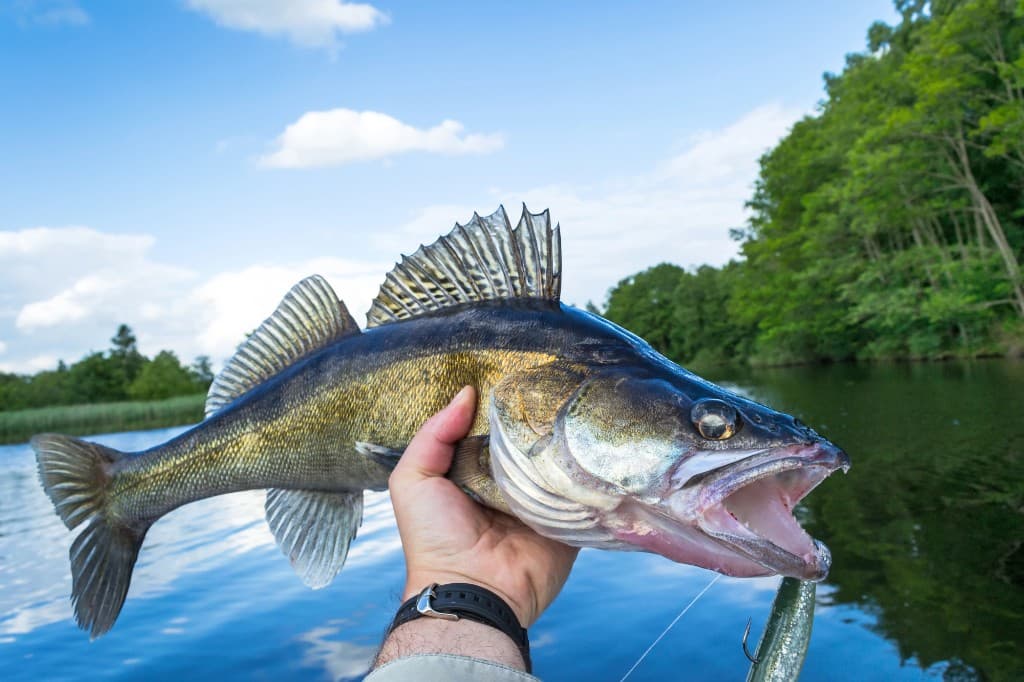
Wisconsin fishing 2026—license options, official DNR regulations, Great Lakes salmon and trout privileges, inland walleye rules, and boundary-water checks.
2026 seasons & limits
Verify rules with Wisconsin fish & wildlife
- Confirm open seasons, daily bag, and possession limits for each species and water you fish.
- Check length and slot rules—many lakes, rivers, and bays have special tables beyond statewide defaults.
- Review 2026 summaries and any emergency orders (closures, health notices, gear rules) before you go.
The Inside Spread orients you for trip planning only. Conservation officers enforce the official published regulations—not articles or forum posts.
Need a Wisconsin fishing license, the current regulations guide, or the right Great Lakes privilege before your trip? Start with the Wisconsin DNR fishing pages and identify whether you are planning a Great Lakes trip, an inland-lake day, an ice-fishing outing, or a boundary-water run. That choice determines whether trout or salmon privileges, water-specific exceptions, or another state’s rules enter the picture.
Wisconsin still means variety more than any single headline species. Green Bay trophy walleye, Lake Michigan salmon and trout, northern-flowage muskies, Winnebago-system ice fishing, and small inland panfish lakes all fit under one state map, but not under one planning mindset. If you match the trip to the exact lake, flowage, river, or port first, the regulations become much easier to navigate.
2026 Seasons, Limits, and Rule Changes
This article is not the law. Your state's fish and wildlife agency publishes the official rules—online digests, mobile apps, and emergency notices—and those sources control what you can keep, when you can fish, and where.
Wisconsin manages Great Lakes and inland freshwater fisheries; rules differ between lakes, connecting waters, rivers, and border waters. Named lakes and rivers often have special regulations beyond statewide defaults; border waters with neighboring states or provinces may add more rules. Always match the species, water body, and date you plan to fish to the correct table.
What to verify before every trip
- Seasons and closures for each species you target (game fish, panfish, trout, salmon, steelhead, and Great Lakes species)
- Daily and possession limits (creel limits) and whether aggregate caps apply across similar species
- Minimum and maximum length and slot limits, plus how length is measured (total length vs. fork length)
- Gear restrictions (bait, hooks, tackle) where they apply
- Special rules for WMAs, community fishing waters, trophy waters, and border waters
2026 updates and mid-season changes
Agencies publish annual summaries and sometimes emergency orders (water quality, fish health, stock changes, or temporary closures). Before you plan 2026 trips:
- open the current regulations for the license year that covers your dates
- check your agency's news or rule change page for new limits, stamps, or reporting rules
- read invasive species and bait movement notices if you move boats or gear between waters
If a forum or social post disagrees with the agency PDF, trust the agency and walk away from edge cases.
Popular species: what to look up in the digest
Use the index or online tools to find limits for the fish you actually plan to catch—black bass (largemouth, smallmouth, spotted), panfish (crappie, bluegill, perch, sunfish), catfish, trout and salmon (including steelhead where present), walleye and sauger, muskies and pike, and Great Lakes species such as yellow perch, lake trout, coho salmon, and chinook salmon where those fisheries apply. Do not keep fish until you match the species to the exact rule line for that water body and date.
| Topic | Verify in the official digest |
|---|---|
| Daily bag | Per-day harvest limit per species or aggregate groups |
| Possession | Fish you may have in camp, cooler, or vehicle combined |
| Length / slot | Minimum, maximum, or protected length bands |
| Season | Opening and closing dates, catch-and-release-only windows, closures |
Wisconsin official source: Wisconsin Department of Natural Resources — Fishing
What Wisconsin Fishing License Do I Need?
Most anglers need a valid Wisconsin fishing license unless they qualify for an exemption under current state rules. The Wisconsin DNR directs anglers to its Go Wild licensing system and license agents for purchases, renewals, and duplicate documents. That sounds straightforward, but the practical question is not just whether you need a license. It is whether you need any added privileges or whether the water you plan to fish falls under a separate layer of regulation.
If you are targeting inland trout or fishing waters where trout privileges apply, you need to confirm whether a trout stamp or inland trout privilege is required for your exact plan. If you are heading to the Great Lakes and targeting salmon or trout, you should verify whether Great Lakes salmon and trout privileges apply to your trip. Those requirements are part of what makes Wisconsin so rewarding but also so easy to misread if you only glance at a general summary. A walleye angler on an inland lake may need something different than a family trolling out of Kenosha or fishing near Apostle Islands access points.
Nonresidents should pay especially close attention before they travel. Wisconsin is popular with anglers from Minnesota, Illinois, Iowa, Michigan, and farther south, and many visitors assume regional similarities mean identical license structures. That is not a safe assumption. Read the current Wisconsin licensing information, buy before the trip if possible, keep your documentation accessible, and double-check whether youth, senior, resident, or disabled provisions apply in your case. If you are introducing kids to fishing, it is worth reviewing the youth rules in advance rather than sorting it out at the launch.
It is also smart to build a habit around regulation confirmation instead of memory. Save the official Wisconsin DNR fishing page, the licensing page, and the regulations material to your phone before you leave home. Cell coverage can get thin in northern counties, along remote river stretches, and around some forest access areas. A downloaded copy of the official guidance can save time and keep your group out of trouble.
Where Are Wisconsin’s Best Walleye and Musky Waters?
Wisconsin walleye water comes in several forms, and that matters because the tactics and regulations can feel very different from one region to another. The Winnebago system is one of the state’s best-known walleye destinations and has a reputation that extends far beyond Wisconsin residents. Green Bay and its connected waters can produce exceptional fish and attract serious attention. Northern natural lakes and flowages offer classic structure-oriented walleye fishing. The Mississippi River brings current, backwaters, and navigation influence into the equation. Each of those experiences deserves separate planning.
For muskies, northern Wisconsin remains the center of gravity. Lakes in Vilas, Oneida, Sawyer, and surrounding counties still drive bucket-list interest because they combine habitat, history, and a strong catch-and-release culture. The Chippewa Flowage is one of the names that almost always enters the conversation, but it is not alone. Smaller waters, river systems, and lesser-known natural lakes can all reward anglers who match their approach to seasonal movements and current regulations. Wisconsin musky fishing often rewards patience more than numbers, so it helps to arrive with realistic expectations and a release plan that protects fish in warm weather.
Walleye anglers looking for a road map can think in three categories. First are big destination fisheries such as Lake Winnebago, Green Bay, and famous reservoirs or flowages. Second are community lakes and midsize inland waters where the bite may be less famous but easier to pattern for family trips. Third are rivers and boundary waters, where current, navigation traffic, and jurisdiction issues require extra attention. If your goal is simply to put a fish dinner together within legal limits, the second category can be more dependable than a high-profile destination that gets intense pressure.
Boundary water awareness matters more in Wisconsin than many first-time visitors realize. The St. Croix River with Minnesota, the Mississippi River along the western edge, the Menominee River toward Michigan, and Great Lakes-adjacent waters can all introduce separate considerations. The safest approach is to assume that crossing a line, launching from a different side, or fishing a shared reach may change what rules govern your day. Read both states’ agency materials when you are near a border and decide before leaving the dock which jurisdiction applies to your trip.
Great Lakes Water, Boundary Water, and Inland Water Are Not the Same Trip
One of the easiest ways to mis-plan Wisconsin fishing is to talk about the state as if Lake Michigan, Lake Superior, inland lakes, and river systems all work the same way. They do not. Great Lakes anglers think about ports, weather windows, salmon and trout patterns, harbor structure, and open-water safety. Inland anglers may care more about boat traffic, weed growth, panfish progression, or evening walleye bites. River anglers factor in current seams, pool navigation, changing water levels, and barge or recreational traffic.
On Lake Michigan, Wisconsin ports such as Kenosha, Racine, Milwaukee, Port Washington, Sheboygan, Manitowoc, and areas connected to Green Bay each have different reputations through the season. Some are better known for trolling opportunities, some for mixed-species potential, and some for access convenience. Conditions can change fast when wind stacks water, so the best plan is one that includes a back-up inland option if the lake becomes unsafe or unfishable.
Lake Superior offers a different feel. The water is colder, the weather can shift suddenly, and anglers often need a more conservative mindset than they would bring to a southern inland lake in July. The reward is a distinctly different experience: cleaner-feeling horizons, fewer casual crowds, and the chance to build a trip around a cold-water fishery with a real north-country atmosphere. It is a fantastic option, but not one to approach casually if your crew has limited big-water experience.
Inland Wisconsin is where many anglers eventually settle because it offers consistency and flexibility. You can chase bluegills after work, plan a cabin weekend around walleyes and northern pike, or take a new angler to an accessible county lake and still feel like you are participating in the same Wisconsin fishing tradition that drives the big-name destinations. The best inland trips often come from matching expectations to the water instead of chasing whatever fish is trending online that week.
Seasonal Planning for Wisconsin in 2026
Spring is all about timing. Ice-out can open opportunities on some lakes while northern waters still lag behind. Early-season river systems, warming bays, and shallow structure often pull fish into reach, but spring is also the season when anglers most often assume old dates or habits still apply. Before the opener or any early trout, walleye, bass, or panfish trip, confirm the current Wisconsin regulations and any special closures. A short check can prevent a long mistake.
Summer is the state’s most flexible fishing season. Family groups can split time between swimming, camping, and multi-species fishing. Serious anglers can run dawn-to-midmorning plans and still leave room for travel or sightseeing. Great Lakes trolling, weed-edge bass fishing, deep summer panfish patterns, and classic night walleye tactics all fit into the calendar. This is also the season when boating pressure, tournaments, and weekend traffic can affect access. Launch early, have a second landing in mind, and pay attention to local signs rather than assuming every county access works the same way.
Fall has a loyal following because fish often feed hard and crowds shrink. Musky anglers circle this period for good reason. Smallmouth bass fishing can also be excellent, and some Great Lakes anglers prefer autumn weather windows and reduced congestion over peak-summer crowds. The trade-off is that conditions become more variable. Cold rain, strong winds, and shorter days demand better preparation than a warm July outing.
Ice fishing deserves its own category because in Wisconsin it is not an afterthought. It is part of the culture. Panfish, pike, walleye, perch, whitefish, and other species all draw winter attention depending on region and waterbody. But no fish is worth guessing on ice. Thickness can vary dramatically even on the same lake, pressure cracks can shift, current can weaken areas that look solid, and vehicle travel is never something to assume from internet chatter. Use current local reports, carry safety gear, and understand that the angler who turns around is often the smartest one on the lake.
Invasive Species, Fish Care, and Safety
Wisconsin anglers should expect aquatic invasive species rules and best practices to be part of every trip conversation. Clean, drain, and dry is not just a slogan. It is the baseline for moving responsibly between waters. Remove vegetation and mud from trailers and bunks. Drain water from places the law requires. Avoid transporting live aquatic material unless it is clearly lawful. Let equipment dry thoroughly when moving between different lakes, rivers, or Great Lakes launches. Those habits protect the fisheries that make Wisconsin so appealing in the first place.
Cold-water safety matters beyond winter. Early spring and late fall can put anglers in dangerous water temperatures even on days that feel mild on shore. Wear a life jacket, file a float plan when heading onto big water, and think honestly about your crew’s experience. Lake Michigan and Lake Superior can punish overconfidence quickly. The right answer on a rough morning is often the inland backup lake you researched the night before.
Fish care matters, too, especially in high-profile musky and bass fisheries that rely on strong release ethics. Keep handling time short, use appropriate landing tools, support large fish carefully, and avoid extended photo sessions in warm water. Wisconsin’s best fisheries stay good when anglers treat catch-and-release as stewardship rather than marketing.
Plan Your Wisconsin Fishing Trip
A successful Wisconsin trip usually starts by choosing the style of fishing you want before choosing the exact destination. If you want a Great Lakes experience, narrow it to a port and a target species group, then build in a weather backup. If you want inland walleye action, decide whether you prefer a famous destination with heavier pressure or a quieter regional lake where access may be easier. If you want a true northwoods musky trip, plan around realistic expectations, good release tools, and enough time on the water to let the fishery work.
For mixed groups, Wisconsin is especially strong because one basecamp can support multiple kinds of outdoor time. Cabin country, campground corridors, and state-park-centered travel can all work if you match the trip to the season. It helps to line up three layers of planning before departure:
- Read the exact Wisconsin DNR guidance for your waterbody and target species.
- Confirm the launch, parking, and access situation for the day you intend to fish.
- Build a second option in case weather, wind, crowds, or water levels force a change.
That approach keeps the trip fun and keeps decisions from becoming rushed once everyone is already in the truck. Wisconsin gives anglers plenty of choices. Good planning is what turns that variety into a reliable trip.
Use our Wisconsin outdoors guide alongside the Wisconsin fishing hub for more destination coverage, trip ideas, and related fishing articles.
Frequently Asked Questions
Do I need a Wisconsin fishing license?
Most anglers do, unless they qualify for a current exemption. Depending on the trip, you may also need trout or Great Lakes salmon and trout privileges, so verify the exact rules for your destination and target species before fishing.
Where can I read Wisconsin fishing regulations?
Start with the Wisconsin Department of Natural Resources fishing page and current regulations materials. Then check for lake-specific, river-specific, county, Great Lakes, or boundary-water exceptions that affect your exact trip.
What are Wisconsin’s famous fisheries?
Lake Winnebago, Green Bay, northern musky lakes and flowages, the Mississippi River, and Lake Michigan ports are among the state’s best-known fisheries. Lake Superior and many inland panfish and bass lakes also deserve attention.
Does Wisconsin have good Great Lakes fishing?
Yes. Wisconsin anglers can target salmon, trout, smallmouth bass, perch, and walleye in Great Lakes-connected waters, but the best ports and tactics change by season and weather pattern.
Is ice fishing important in Wisconsin?
Absolutely. Wisconsin has a deep ice fishing culture on inland lakes and major systems, but local ice reports, current conditions, and conservative decision-making matter more than any old habit or rumor.
What invasive species steps matter most in Wisconsin?
Cleaning off vegetation and mud, draining water where required, and fully drying gear before moving between waters are the basics. Those steps help protect inland lakes, rivers, and Great Lakes launches from spreading unwanted species.
Sources
- Wisconsin Department of Natural Resources. "Fishing." WDNR, https://dnr.wisconsin.gov/topic/Fishing. Accessed 14 Apr. 2026.
- Wisconsin Department of Natural Resources. "Go Wild." WDNR, https://dnr.wisconsin.gov/topic/GoWild. Accessed 14 Apr. 2026.
- Wisconsin Department of Natural Resources. "Aquatic Invasive Species." WDNR, https://dnr.wisconsin.gov/topic/Invasives. Accessed 14 Apr. 2026.
Official state agency
Wisconsin Department of Natural Resources — FishingVerify season openings, daily bag, possession, and length or slot rules for each water and species you target—plus any 2026 rule changes or emergency orders—before you fish.
Written by
The Inside Spread Team
The Inside Spread team covers fishing regulations and access across all 50 states. We tie every guide to official agency sources so you can verify seasons, bag limits, and license rules before you launch.
Comments
No comments yet. Be the first to share your thoughts.
More in state-guides
Arkansas Duck Hunting 2026: Season Dates, WMA Permits, License Costs & Complete Guide
Arkansas duck hunting 2026-27—three-segment season dates, nonresident WMA waterfowl permits, Black River and Bayou Meto access changes, and Delta license costs.
Georgia Whitetail Deer Hunting 2026: Season Dates, Extended Counties, License Costs & Nonresident Guide
Georgia whitetail deer hunting 2026-27—archery, primitive weapons, and firearms dates, 29-county extended archery, 12-deer bag, Game Check, and the nonresident guide.
Kentucky Whitetail Deer Hunting 2026: Season Dates, Zone Changes, License Costs & Nonresident Guide
Kentucky whitetail deer hunting 2026-27—archery, crossbow, and modern gun dates, the 2026 zone map, license and deer permit costs, Telecheck, and the nonresident guide.
Michigan Whitetail Deer Hunting 2026: Season Dates, License Costs, UP vs LP & Nonresident Guide
Michigan whitetail deer hunting 2026—archery, firearm, and three-day December dates, DNR license fees, Upper vs Lower Peninsula rules, baiting, and the nonresident guide.