Wyoming Fishing 2026: Licenses, Alpine Lakes, and Plains Reservoirs
Wyoming fishing 2026—license options, conservation stamp checks, Game and Fish regulations, trout-water rules, Flaming Gorge planning, and AIS inspections.
2026 seasons & limits
Verify rules with Wyoming fish & wildlife
- Confirm open seasons, daily bag, and possession limits for each species and water you fish.
- Check length and slot rules—many lakes, rivers, and bays have special tables beyond statewide defaults.
- Review 2026 summaries and any emergency orders (closures, health notices, gear rules) before you go.
The Inside Spread orients you for trip planning only. Conservation officers enforce the official published regulations—not articles or forum posts.
Need a Wyoming fishing license, conservation stamp guidance, or the current Game and Fish regulations before your trip? Start with Wyoming Game and Fish — Fishing and decide whether your day is a North Platte tailwater, high-country trout water, plains reservoir, Flaming Gorge, or national park trip. That first choice usually tells you which permit, special rule, or inspection step matters.
Wyoming fishing is defined by elevation, wind, and space. Grey Reef and the Miracle Mile do not plan like alpine cutthroat water, Glendo, Alcova, Flaming Gorge, or Yellowstone National Park. Because border reservoirs, park rules, native-trout conservation, and aquatic invasive species inspections can all change the paperwork, anglers do best when they define the exact fishery first.
2026 Seasons, Limits, and Rule Changes
This article is not the law. Your state's fish and wildlife agency publishes the official rules—online digests, mobile apps, and emergency notices—and those sources control what you can keep, when you can fish, and where.
Wyoming manages freshwater fisheries only—rivers, reservoirs, lakes, and streams. Named waters often carry special regulations beyond statewide defaults; border waters and interstate coordination may apply on shared rivers. Always match the species, water body, and date you plan to fish to the correct table.
What to verify before every trip
- Seasons and closures for each species you target (game fish, panfish, trout, salmon, and steelhead where present)
- Daily and possession limits (creel limits) and whether aggregate caps apply across similar species
- Minimum and maximum length and slot limits, plus how length is measured (total length vs. fork length)
- Gear restrictions (bait, hooks, tackle) where they apply
- Special rules for WMAs, community fishing waters, trophy waters, and border waters
2026 updates and mid-season changes
Agencies publish annual summaries and sometimes emergency orders (water quality, fish health, stock changes, or temporary closures). Before you plan 2026 trips:
- open the current regulations for the license year that covers your dates
- check your agency's news or rule change page for new limits, stamps, or reporting rules
- read invasive species and bait movement notices if you move boats or gear between waters
If a forum or social post disagrees with the agency PDF, trust the agency and walk away from edge cases.
Popular species: what to look up in the digest
Use the index or online tools to find limits for the fish you actually plan to catch—black bass (largemouth, smallmouth, spotted), panfish (crappie, bluegill, perch, sunfish), catfish, trout and salmon (including steelhead where present), walleye and sauger, muskies and pike, and other species listed for your water in the official guide. Do not keep fish until you match the species to the exact rule line for that water body and date.
| Topic | Verify in the official digest |
|---|---|
| Daily bag | Per-day harvest limit per species or aggregate groups |
| Possession | Fish you may have in camp, cooler, or vehicle combined |
| Length / slot | Minimum, maximum, or protected length bands |
| Season | Opening and closing dates, catch-and-release-only windows, closures |
Wyoming official source: Wyoming Game and Fish Department — Fishing
What Wyoming Fishing License Do I Need?
Most anglers age 14 and older need a valid Wyoming fishing license to fish Wyoming waters, with exemptions and categories published on WGFD license pages. Conservation stamps fund habitat work and may be required—verify current stamp rules when you purchase. Daily licenses can make sense for short visits; annual licenses reward anglers who fish multiple seasons.
Nonresidents flock to Wyoming for trout and western scenery. Compare license costs against trip length and consider purchasing early to avoid last-minute delays at rural vendors. Residents should verify whether discounted categories apply. Youth and family rules deserve a careful read before mentoring trips—adults should know identification and possession rules cold.
If you fish Flaming Gorge Reservoir, remember the Utah–Wyoming border runs through the fishery. License requirements, possession rules, and access points can differ depending on where you launch and where you fish. When in doubt, carry documentation for both states or choose a conservative plan that stays clearly within one jurisdiction.
Yellowstone National Park and Grand Teton National Park waters are not governed by Wyoming state regulations alone. National Park Service rules, permits, and seasonal closures can differ. If you fish inside park boundaries, start from NPS fishing publications, not only WGFD materials.
North Platte Tailwaters: Grey Reef, Miracle Mile, and Float Culture
The North Platte tailwater fisheries are famous for large trout, technical nymphing, and strong currents. Float fishing is common; so is careful wading. Seasonal closures protect spawning fish and reduce pressure during sensitive windows—check current maps before you go.
Etiquette matters. Do not low-hole other anglers, avoid anchoring across productive runs without communication, and give bank anglers space. If you wade, understand that Wyoming rivers can push hard—wading staffs and studded boots are not vanity gear.
Wind River and Snake Headwaters
The Wind River Range and Snake River headwaters offer alpine lake hiking and stream fishing that feel remote even when trailheads are busy. Weather changes fast; snow can fall in summer at elevation. Pack layers, navigation tools, and bear-aware storage where required.
Flaming Gorge: Lake Trout, Kokanee, and Border Rules
Flaming Gorge is a shared Utah–Wyoming reservoir with big lake trout, kokanee, and smallmouth bass opportunities depending on reach and season. Management can include special harvest rules for lake trout to protect other species. Verify which state’s regulations apply to your trip and whether you need licenses from both states.
Eastern Plains Reservoirs: Walleye, Bass, and Weekend Traffic
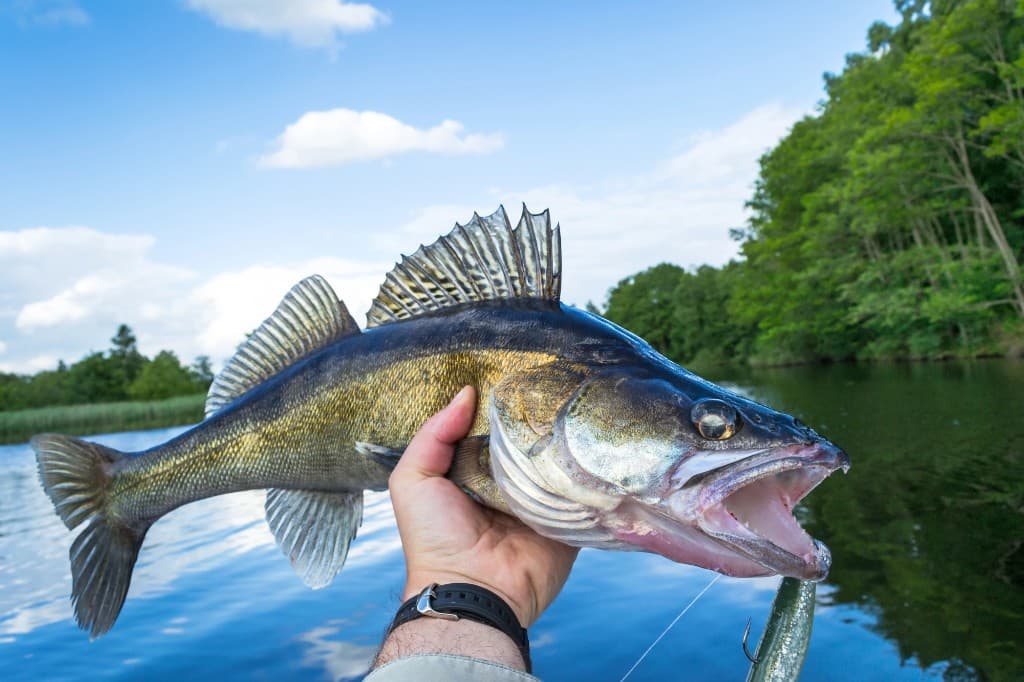
Glendo, Alcova, Pathfinder, and similar impoundments attract walleye and bass anglers from across the region. Wind can build dangerous waves; morning often fishes better before pleasure boat traffic peaks. Walleye anglers should verify slot and bag rules; bass tournaments can increase ramp pressure—arrive early and rig efficiently.
Cutthroat, Grayling, and Native Fish Conservation
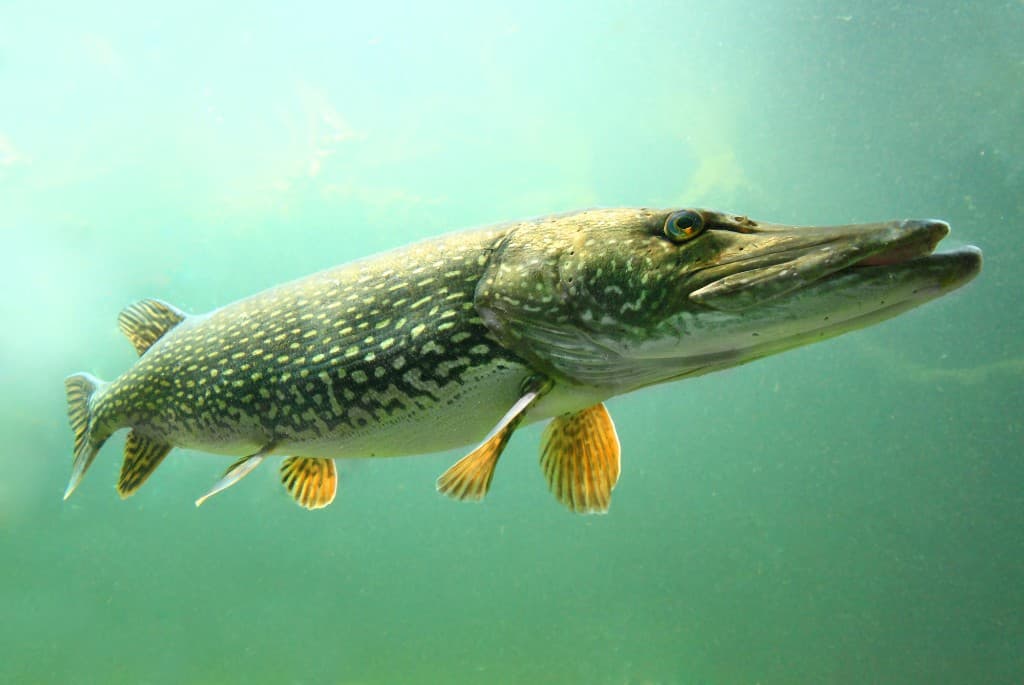
Wyoming’s native fish story includes Yellowstone cutthroat and fine-spotted Snake River cutthroat management in specific drainages. Some waters require catch-and-release, gear restrictions, or seasonal closures. Grayling fisheries are special—treat them as limited resources, not unlimited targets.
Northern Pike and Lake Trout Management
Northern pike can appear in reservoirs as both sport fish and management challenges depending on water. Lake trout in Flaming Gorge can affect kokanee and other species; harvest incentives or special rules may apply—read current WGFD guidance.
Seasons and Weather
Spring runoff can stain rivers and push flows; tailwaters remain more stable but still change with releases. Summer offers long days but also afternoon thunderstorms and heavy wind. Fall can be excellent for reservoir fishing and cooling trout streams. Winter ice fishing exists on some waters; always verify local ice safety rather than trusting social media thickness claims.
Access, Ramps, and Public Land
Wyoming has abundant public land, but water access varies. Respect private land boundaries; walk in only where legal. Wildlife management areas may have seasonal closures. At ramps, keep tempers in check—busy weekends stress everyone.
Invasive Species and Boat Inspections
Clean, drain, dry, and comply with WGFD aquatic invasive species protocols. Inspections protect fisheries that drive Wyoming tourism.
Safety: Wind, Cold Water, and Remote Travel
Wear life jackets on cold rivers and big reservoirs. File a float plan. Carry emergency supplies on remote roads—Wyoming distances are real, and cell coverage is not.
Border Waters: Montana, Idaho, South Dakota, Nebraska, Colorado, Utah
Fishing shared waters can require multiple licenses or special rules. If you fish the Snake near Idaho or reservoirs touching neighboring states, verify jurisdiction before harvest.
Where Are Wyoming’s Best Trout and Warm-Water Fisheries?
- Grey Reef and Miracle Mile (North Platte tailwater reaches): Trophy trout fisheries with special regulations—watch seasonal closures, float etiquette, and strong currents.
- Snake River headwaters and alpine lakes: High-elevation trout fishing with weather and access challenges—plan for rapid changes.
- Flaming Gorge Reservoir: Lake trout, kokanee, and smallmouth opportunities—verify Utah–Wyoming license and rule requirements for your launch.
- Glendo and Alcova reservoirs: Popular walleye and bass fisheries on the eastern plains—expect wind and weekend boat traffic.
- Yellowstone Lake and Lewis Lake (inside Yellowstone National Park): Lake trout and cutthroat fisheries under National Park Service rules—do not rely on Wyoming state regulations alone.
Plan Your Wyoming Fishing Trip
Choose a region before you book lodging. Tailwater trout trips need wind backups and respectful float plans. Reservoir trips need early launches on busy weekends. Park trips need NPS fishing rules integrated into your plan.
Use our Wyoming outdoors guide with the Wyoming fishing hub. Explore more in fishing articles.
Family Fishing and Community Waters
Smaller ponds and accessible reservoirs can be excellent for kids when regulations allow. Teach fish identification, safe casting, and catch-and-release basics early.
Night Fishing and Courtesy
Night fishing for walleye and catfish can be productive on plains reservoirs. Use navigation lights and avoid disturbing shoreline campers.
Documentation and Enforcement
Keep proof of license and conservation stamps. Officers check boats during peak season. If you receive a citation, verify details calmly against official publications.
Ice Fishing, Winter Access, and Conservative Choices
Some Wyoming reservoirs and ponds support ice fishing when conditions allow, but thickness varies with elevation, currents, and springs under the ice. Local reports, auger tests, and conservative decision-making matter more than enthusiasm. Carry ice picks, rope, and a backup plan when wind or warming trends weaken edges. If you are unsure, fish open water on tailwaters or wait—Wyoming will still be here next weekend.
Frequently Asked Questions
Do I need a Wyoming fishing license?
Most anglers 14 and older need a valid Wyoming fishing license; daily licenses and conservation stamps may apply—check Game and Fish for current fees and exemptions.
Where can I find Wyoming fishing regulations?
Use Game and Fish fishing pages for the Wyoming Fishing Regulations booklet, creel limits, and special rules for trout and grayling waters.
What are Wyoming’s best-known fisheries?
The North Platte tailwaters support trophy trout; high-country lakes offer cutthroat and grayling; Glendo and Pathfinder are popular for walleye and bass.
How does Flaming Gorge Reservoir work for Wyoming anglers?
Flaming Gorge spans Utah and Wyoming—verify license needs, possession rules, and access points for the state and ramp you use.
What is different about fishing inside Yellowstone National Park?
National Park Service rules and permits apply inside park boundaries—do not assume Wyoming state regulations alone cover park waters.
What invasive species rules should Wyoming boaters follow?
Follow Game and Fish aquatic invasive species guidance; clean, drain, and dry boats and comply with inspection stations when required.
Sources
- Wyoming Game and Fish Department. "Fishing in Wyoming." WGFD, wgfd.wyo.gov/Fishing-in-Wyoming. Accessed 16 Apr. 2026.
Official state agency
Wyoming Game and Fish Department — FishingVerify season openings, daily bag, possession, and length or slot rules for each water and species you target—plus any 2026 rule changes or emergency orders—before you fish.
Written by
The Inside Spread Team
The Inside Spread team covers fishing regulations and access across all 50 states. We tie every guide to official agency sources so you can verify seasons, bag limits, and license rules before you launch.
Comments
No comments yet. Be the first to share your thoughts.
More in state-guides
Arkansas Duck Hunting 2026: Season Dates, WMA Permits, License Costs & Complete Guide
Arkansas duck hunting 2026-27—three-segment season dates, nonresident WMA waterfowl permits, Black River and Bayou Meto access changes, and Delta license costs.
Georgia Whitetail Deer Hunting 2026: Season Dates, Extended Counties, License Costs & Nonresident Guide
Georgia whitetail deer hunting 2026-27—archery, primitive weapons, and firearms dates, 29-county extended archery, 12-deer bag, Game Check, and the nonresident guide.
Kentucky Whitetail Deer Hunting 2026: Season Dates, Zone Changes, License Costs & Nonresident Guide
Kentucky whitetail deer hunting 2026-27—archery, crossbow, and modern gun dates, the 2026 zone map, license and deer permit costs, Telecheck, and the nonresident guide.
Michigan Whitetail Deer Hunting 2026: Season Dates, License Costs, UP vs LP & Nonresident Guide
Michigan whitetail deer hunting 2026—archery, firearm, and three-day December dates, DNR license fees, Upper vs Lower Peninsula rules, baiting, and the nonresident guide.