
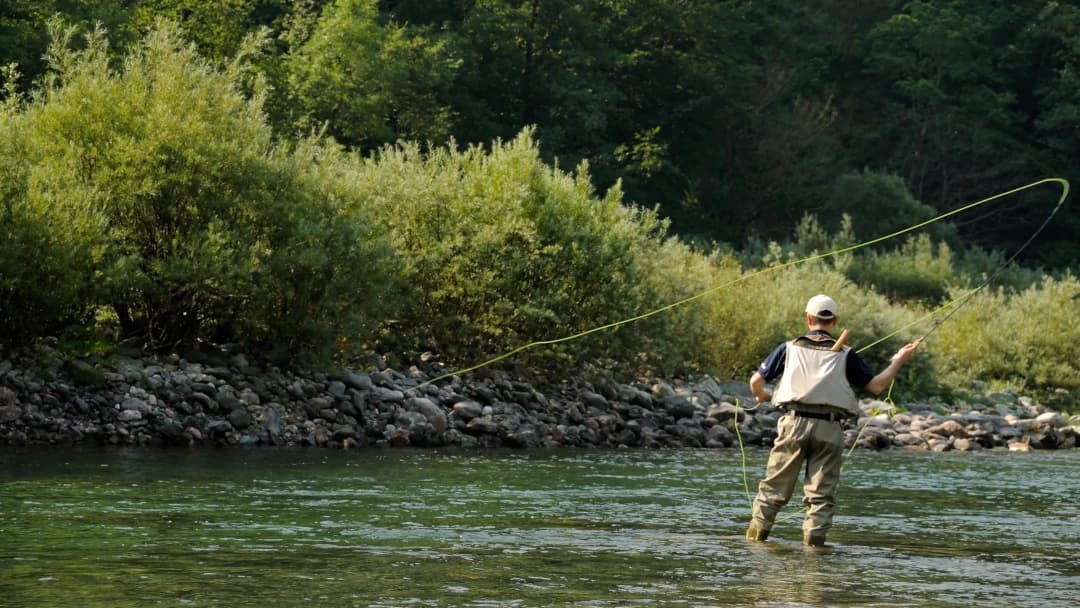
I started fishing with my parents when I was a toddler. I can remember using an old cane pole over the side of a boat. I got into spin casting when I was a…
What Whet my Line for Fly Fishing
I started fishing with my parents when I was a toddler. I can remember using an old cane pole over the side of a boat. I got into spin casting when I was a teenager, but I always wanted to learn how to fly fish. I’m not sure if it was seeing an old fly rod that had belonged to my grandfather and sat in my closet growing up. It could have been watching some movies and seeing the smooth rhythm of those casting. However, I think it was due to a class my middle school offered in life skills.
In seventh grade our school at the time had a quarter of classes dedicated to boating safety and hunting safety, a quarter dedicated to teaching basic art skills, a quarter learning the Michigan map (even drawing our own map), and a quarter dedicated to fly tying and rod repair. I remember watching Mr. Clark winding the thread over the hackle and I was hooked on fly tying. This led me desire to go out fly fishing.
Flying it Alone
A while after getting married and settling into married life I tried getting into fly tying. My wife bought me a fly rod and reel for Christmas. We were living in Michigan’s U.P. at the time, but life soon took a turn, and we moved to southern Michigan and then Illinois. The fly rod broke in one of three moves, and with my busy work schedule I rarely found time to tie flies.
I decided three years ago to get back into fly fishing. I bought a basic Marlin 5/6 fly rod kit. I watched a few YouTube videos on fly fishing. Then I went out and tried my hand at it. I went out several times on the Kankakee River the first year and over a dozen times the next year. I never caught a fish to mount but was able to land several bass on the river. To be honest I never really knew if my fly rod kit was all that great, and I wasn’t sure how well I was doing at the art of casting and fly fishing. Last year life became too chaotic to fish, so I set it aside.
Over the past few years I’ve expanded my fly-fishing equipment, still not fully understanding what was needed and taking what I could learn from the internet. I bought better leader and tippet, a couple of boxes of flies, and even started building up supplies to rekindle fly tying.
The Michigan DNR Skills Fly Fishing Clinic
Our move this past winter back to Michigan brought back memories of fishing the lakes I grew up on. I really wanted to get back into fly fishing and try some of the rivers and streams I never went to when I was young. When I was buying my fishing license I found out that there was going to be a fly-fishing clinic hosted by the Michigan Department of Natural Resources. The great thing was that it was going to be hosted in Cadillac at the Carl T. Johnson DNR center, which sits between Lakes Mitchell and Cadillac. Since the clinic was right in our hometown area, I knew I needed to go and learn from some people in person who know the art of fly fishing.
The Michigan DNR offers the fly-fishing Clinic three or four times a year, it costs $35, and is a two-day clinic run by some great people who have been involved in the sport for some time. You sign up under the Skills link on the Michigan DNR website, and you will need your own rod and reel to take part. Both days are recommended; however, the second morning is really to go out and fish a local river to practice what was learned.
The first day runs from 10 a.m. to 4 p.m., and they give you lunch as well. The bulk of the instruction is done on the first day of the clinic, and I would recommend going to a clinic like this to learn or improve your own fly-fishing skills. The clinic I attended was scheduled for Father’s Day weekend unfortunately, so I didn’t make the river fishing. I had to go out a few days later to put everything I learned into practice. So, let’s cast into some of the things I learned about fly fishing from the experienced instructors.
Essential Fly Fishing For Beginners
Choosing the Right Rod, Reel, and Line
The basic equipment you must have is a rod and a reel. A fly rod is between 7 and 12 feet in length and rated by flexibility from 2 to 15. The higher the number the less flexible your rod will be. You want flexibility for normal fishing such as trout, panfish, and bass. The less flexible poles are generally used for Ocean and Great Lakes Fishing. John, one of the instructors said to start out in the middle with a 4-6 rod.
The second part of the essential equipment is the fly-line. All fly-line consists of 4 parts: backing, fly/float, leader, and tippet. The backing connects and helps fill the reel, then the fly-line is added, the leader is added, and the very end will be your tippet for tying your flies to your line.
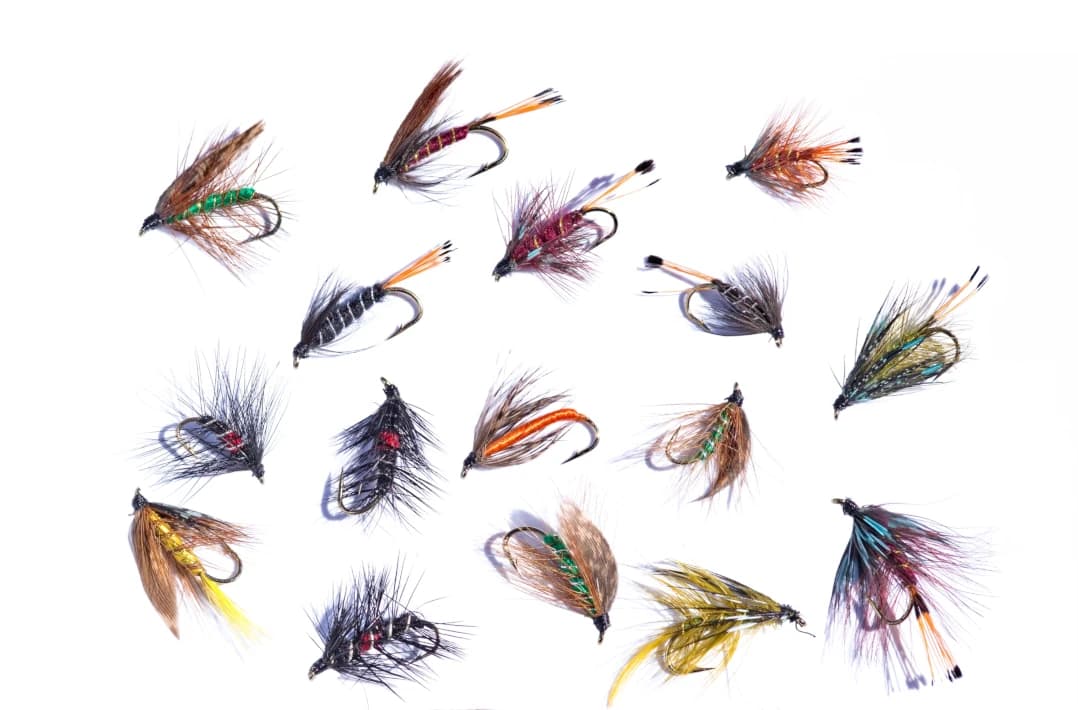
They are set to work together. This means that if you are using a 5/6 rod and reel then the line should be a 5/6 line. You can use a smaller numbered line, but the ideal is to match the number up. This means you may later want different rod and reel setups for different sized fish you plan to go for. The Leaders and Tippets should also match the number, but again if it is smaller, it will still work.
So, what should a beginner start with?
The middle set up of a 5/6 would be a great starting point. It is a good weight and allows the rod great flexibility. You can use a 5/6 fly-rod and reel set up for pan fish, trout, and average sized bass. The instructors at the clinic, John and Ed, shared that for salmon you may want to go up to 8-10 for your kit, because of the size. They also emphasized that in regular lake and river fishing going above the 9-10 size would never be necessary. Again, the upper numbers are if you’re planning to go ocean or sea fishing.
Basic Kits are the best starting point.
I’ll be honest I sat in the clinic wondering if my $50 5/6 starter rod and reel were really going to be good enough for fly fishing. Then John told us the best place to start is with a kit, because they come with all the needed line setup. They are set with matched line and rod all in one. It was nice knowing I had made the right choice.
Keeping your line for years.
Ed told us that the greatest danger to monofilament (fishing line) is heat and Deet. You need to lubricate or lick your line when you tie it, because even pulling tightening the line can create enough heat to weaken your line. Deet found in many bug sprays will also eat away at monofilament, so he said to use care when putting on bug repellent.
He also told us that your line can last years, and he was using some float that was over 20 years old. He did say not to leave your line in your car too long, because again the heat will weaken the strength and integrity of the monofilament. This means that your investment in buying a kit can last you for years to come. The tippet is what you are trying with, and it will be what you need to replace, and occasionally the leader, but the float will last.
The kit I found was on Amazon, and is a MARLIN 5/6, 8 ½ foot kit. It runs for about $50, and has the whole set up in the kit. I personally would recommend it as a starting kit. I’ve caught those bass in the past and now know it is the right setup for most fishing I would do on a regular basis.
Basic Fly Fishing Tackle and Accessories
What do you need for Tackle beyond this? The tackle and accessories can be as basic or extravagant as you’d like. If you’re just getting started just keep it simple and expand to what you would like. **Make sure everything you take is connected to you, tied on, so you don’t lose things on the river.
Basic needs to keep on you in the river:
- Clippers- for cutting your line as you change flies.
- Forceps- for removing hooks from fish.
- Net- a small net for lifting fish. (Ed reminded us to net from under the fish, since if they see it, they will often run and break free.)
- Flies- both dry and wet flies because conditions may decide a need to change your flies. (Ed and John recommended Green, Black, and Brown as basic starting colors often used.)
- Vest or chest pack- you need to have some way to carry your flies and tackle. I prefer the vest, but others like using a small backpack or chest pack.
- Wading Staff- This helps you to check depths before stepping out into the water.
Recommendations that can be added:
- Wading Boots- John suggested having boots that have studs, because they will grab onto rocks and the bottom. He also reminded us to remember rocks often are slippery if you don’t use studs. I can attest to this, I haven’t found the perfect wading boots yet, and I know I tend to walk carefully in the old boots I use to get into the river.
- Waders- while you can get into water without waders in warm weather, rivers tend to be cooler so having waders will help standing in water for a long time. You’ll likely want to get some wader repair welding too just in case you snag your waders. I haven’t used waders yet but have a pair my friend gave to try out in the future. I have been out in warm weather and just use my water boots to get in the river.
Mastering the Art of Fly Casting
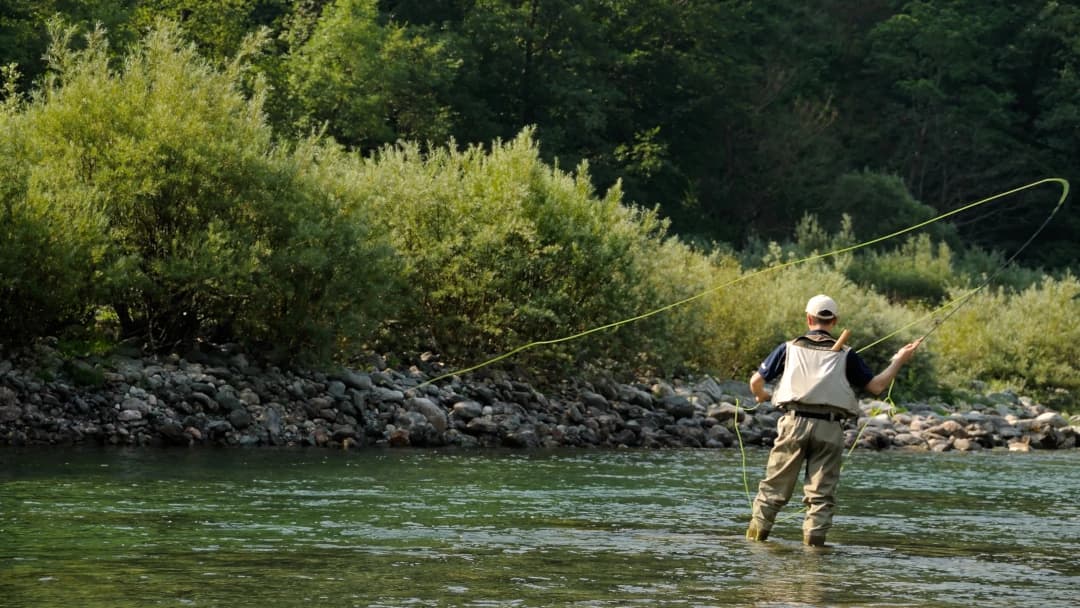
You’re probably thinking it’s about time we get to casting. There really is a lot more I could get into, and I’ll likely write on this in future articles. However, to get started the next basic need is to understand casting. Casting for Fly fishing is a bit different than bait or spin casting.
Let your rod and line do the work:
This is one of the most critical and hardest things to remember. You start with about 20 or more yards of fly-line pulled out, and as you are casting the weight of the line and flex in the pole will cast the line forward. It is not your strength, but the dynamic of the bending rod and weighted line going completely back, and the forward that causes the available line to be cast forward. You guide the line with one hand and hold the line tight to the pole with the hand you are using to cast with.
Think 11 and 1:
I remember years ago someone telling me to cast thinking 10 and 2 on a clock, which works very well for spin casting; however, for fly-casting it is recommended that you focus on 11 and 1. In fact one of the instructors at the clinic even told us don’t even think 11 and 1, think 12 o’clock, because our tendency is to go past where we are intending to go in our casting. I’m finding as I’ve practiced since that day that this is so true.
Use your wrist and elbow not your arm:
Since the fly-line and flexibility of the rod will be doing most of the work, you really must learn to only use a bit of elbow and a twist of the wrist. It doesn’t take much to get the line moving and cast. You will want to go back enough to get the line in the air, come to a complete stop, wait for all the line to get behind fully, then go forward, stop completely and let the line go forward. You can dry your flies by false casting (going back to front a couple of times, always stopping at the back and in the front. You can practice false casting without any tippet in your yard to build muscle memory for casting.
Be aware and watch as you cast:
This is especially true when you are starting out. You should watch to be sure your line is completely behind in the air, before casting forward. It will take time, but you will learn to feel the weight behind you and know by feeling, but when you’re starting to cast you can see and know your line is completely back. Again, practicing to build muscle memory before going to the river is a great idea.
The Basics of Using Flies
There are books written on understanding different flies and hatches of bugs to know what to use and the best time of year to use them. For Michigan and the upper Mid-west Ed recommended “THE POCKET GUIDE TO UPPER MID-WEST HATCHES” by Ann R. Miller (ISBN-13: 978-0811772327). He said this book will give you the complete guide to the insects and hatches of the Upper Mid-west, so you have a general idea of what time of year and what type of flies to use. They also recommended checking the local fly-fishing shops since they usually are up on what is currently hitting in your local area.
They did recommend keeping crickets and grasshoppers for summer, and having a variety of basic brown, green, and black flies in different sizes. You must look around the spot where you are fishing and see what insects are active and use that as a guide. However, in the end, like most fishing you may need to try a few different flies before you find the right one for that day’s fishing.
Get Out and Cast Away
Finally, I would greatly encourage you to attend a clinic or go with someone who is experienced in fly fishing if you’re just starting out. John told us one reason he waited to get into fly fishing was that he didn’t have anyone to show him until he was attending college. He said it makes a difference having someone there to see and advise you on improving your cast and in learning which flies to use. I would agree with him, like I said I’ve watched a lot of videos, but never had anyone there to watch and give advice to improve my casting. This is how we ended our first day, and I found the advice during our false-casting practice very helpful.
I could spend dozens of pages talking about studying the river and hatch, using care in wading, types of wanders, and the many types of flies. There are books and great videos you can use to add to your own growing experience of fly fishing. The best thing to do is to buy a kit, get a basic variety of flies, get out there and start casting away.

Written by
Dan Shipton
Contributing writer at The Inside Spread. Passionate about sharing hunting knowledge and conservation efforts.
Comments
No comments yet. Be the first to share your thoughts.
More in fishing
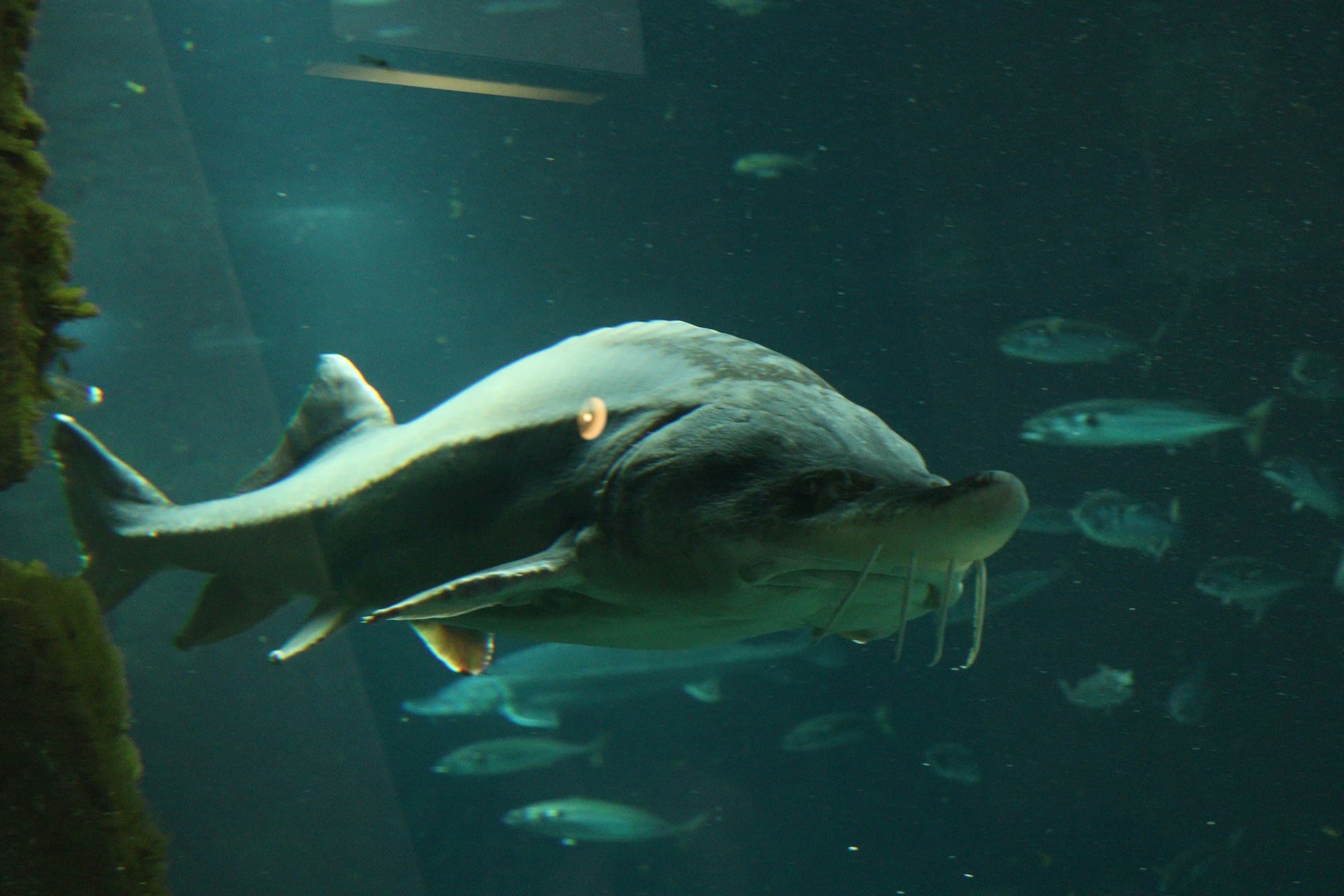
These Idaho Sturgeon Are Older Than the Anglers Chasing Them. Sixteen Just Died, and Fish and Game Had to Act.
Idaho closed sturgeon fishing on part of CJ Strike after 16 white sturgeon died. Closure dates, water-quality causes, and why the population matters.
California Salmon Came Back After Three Years Gone. Then Anglers Caught the Season Shut in Weeks.
California salmon fishing returned in 2026, but fast Chinook catches closed the Klamath zone and shortened Fort Bragg. Here is what anglers need to know.
Best Spinning Reels Under $100: Top Budget Picks for 2026
Best spinning reels under $100 for 2026—Daiwa Exceler LT, Pflueger President XT, Penn Pursuit IV, Shimano Sedona FJ, and Daiwa Crossfire LT for bass, trout, and light salt.
They Caught a $6.5 Million Marlin. Then They Gave It to Science. Here's What Was Found Inside.
Marlin Fever's 919.9-pound Big Rock record marlin held a sailfish and wahoo in its stomach—findings NC State CMAST researchers call unprecedented in 24 years. Final payout, science partnership, and FAQ.