
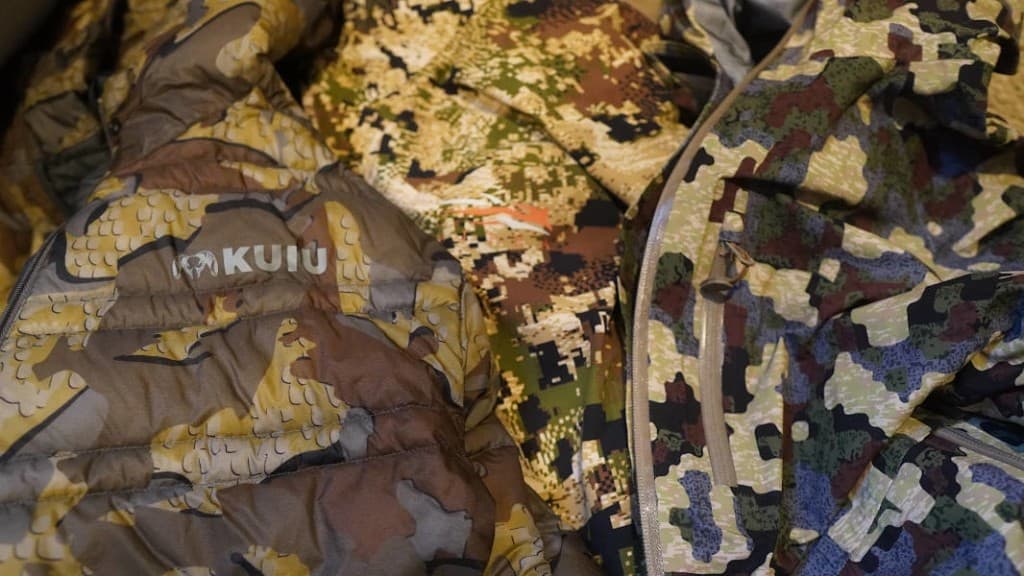
High-end hunting clothing from Sitka, Kuiu, First Lite, and Forloh—why it costs so much, when premium camo is worth it, and when budget gear is enough.
It's hard not to get sticker shock while perusing new hunting clothing in a store these days. Hunting jackets and pants that cost $300 or more used to be unthinkable. Today, they make up half the offerings in big-box stores.
This isn't a simple tariff, inflation, or pandemic-related issue either. Kuiu and Sitka were pricey before the world started becoming unaffordable. I don't have any answers about how it got to this point. I'm interested in whether premium prices are worth it. After all, all grandfathers and great-grandfathers didn't need a $1,000 outfit to kill deer.
I've had the privilege of hunting while wearing premium brands like First Lite, Sitka, Kuiu, and Forloh. This is why these brands are so expensive, and what I thought of them.
Why is this clothing so expensive?
Most of the high prices on premium brands are due to materials. The better the materials, the higher the price. Many brands come up with pet marketing terms for their materials, furthering confusion. For instance, Kuiu's "Quixdown" is goose down insulation. First Lite's "Aerowool" is a blend of Merino wool and a synthetic material. We could sit here all day and pour over the exact components in a modern hunting outfit.
The more expensive the outfit, the more likely it is to have materials that are hard to source or in high demand. Merino wool is a prime example here. The sheep that produce it do best in dry, arid climates. In recent years, Australia has taken over as the Merino king. The costs of importing wool play a factor here.
Yet, it goes beyond that. These sheep are also very labor-intensive, requiring tons of care to produce the best wool. Manufacturers and consumers bear the brunt of these costs from the farmers.
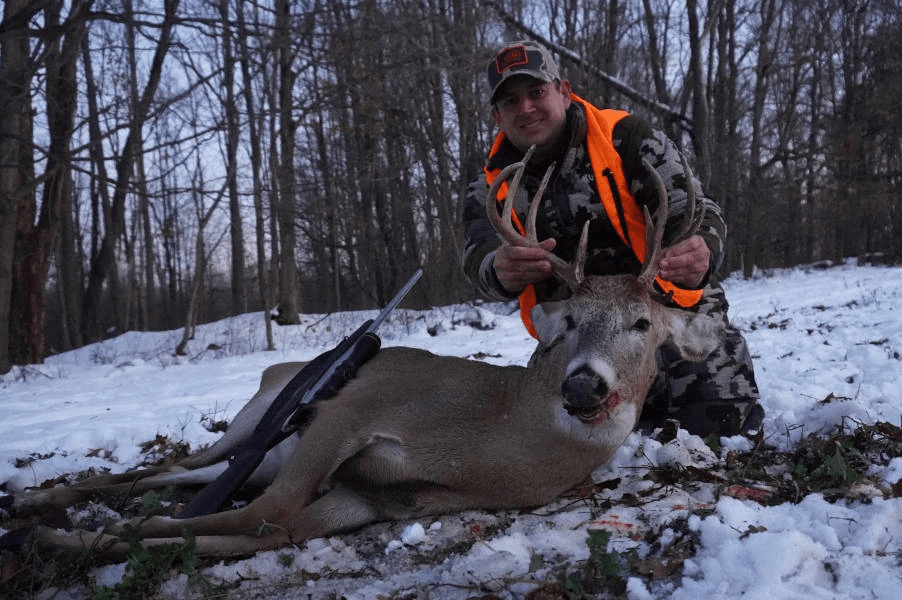
Is it worth it to pay for better materials? Yes, in my experience. Clothing with better insulation has allowed me to wear fewer layers of clothing. At the same time, I haven't had to compromise on comfort or warmth.
In my experience, there is usually a material or labor factor at play affecting these high prices.
Camo Patterns
I started hunting in the late 90s, when "sticks and leaves" patterns were all the rage. Mossy Oak and Realtree are the two big players here. They have licensed their patterns out to hundreds of manufacturers. I've used classic Mossy Oak Break-Up and Realtree Hardwoods with great success. I have nothing against either brand. However, I have noticed that the patterns on the high-end brands seem more effective. Premium brands tend to have open, less defined patterns. Something about them seems to trick a deer's eye better.
My primary hunting area has many large, mature does. It's a blessing and a curse since they have a penchant for sneaking up and ruining a hunt. I usually find myself in at least one stare-down with an alarmed doe each season. These were battles I never used to win because these deer are smart. It's hard to fool them once they get on high alert. Since wearing higher-end camo, I've won several of these stare-downs. It also feels like I'm picked off less than I was with common brands.
The open nature of modern patterns may have something to do with this success. Some of the sticks and leaves patterns may cause the hunter's outline to "blob." Under the right light conditions, it may give them away. I don't have any proof of that, but I suspect a subtle breaking up of the hunter's outline is harder for animals to discern. At least when compared to a dense, packed pattern. One thing is for sure, I'm seeing fewer sticks and leaves in patterns than I was 15 years ago.
Do you need high-end hunting clothing?
The short answer to this question is no. My two biggest bucks were harvested while wearing a simple Realtree Hardwoods jacket and pants. I doubt the whole outfit cracked the $80 mark. Plenty of big bucks have been harvested wearing simple outfits, some that weren't camouflaged at all. Our grandparents and great-grandparents didn't have the luxury of modern fabrics and patterns. If they can still put meat on the table, so can modern hunters.
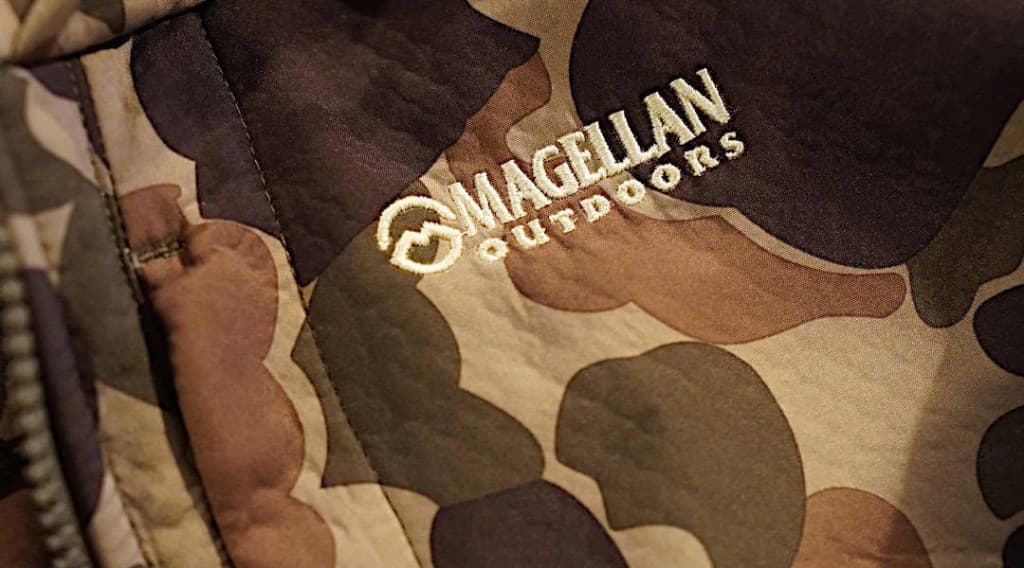
I'm also a big fan of some of the more affordable budget brands out there. For instance, Academy Sports has a house brand called Magellan that produces excellent shirts, pants, and jackets. Their lineup has exceptional lightweight options for warmer climates. I also like Cabela's RedHead brand for simple clothing at bargain prices. These two brands prove that quality budget options exist. It does take a little more searching to find the good ones because there are so many junk products.
While one doesn't NEED high-end clothing, there is no doubting it is nice to have. I liken it to choosing between a 19-inch TV and a 70-inch one. The smaller TV will function fine, but most people will enjoy watching the bigger one more.
In the same manner, cheaper clothing will function fine. However, the more expensive stuff tends to be better made, and is more comfortable.
Conclusion
High-end hunting clothing brands are a luxury item. There is no denying that. Hunters are paying extra for things like better stitching, lighter weight, and better camo patterns. Clothing of this quality isn't necessary to be successful hunting, but it does make it more comfortable and enjoyable.
The best advice I have is for hunters to familiarize themselves with different fabric, insulation, and components. Knowledge is power, and knowing what constitutes a good piece of clothing can help with informed decisions.

Written by
Travis Smola
Travis Smola grew up hunting and fishing in rural southwest Michigan. He started writing in traditional newsprint journalism before deciding outdoor topics were more fun. Travis has interviewed famous outdoor figures like Remi Warren, Bill Dance, and Kevin VanDam. Over the last decade, he's shared boats and blinds with dozens of pro anglers, hunters, and outdoor influencers. When he isn't hunting or fishing, he's probably out geocaching or camping in his homemade van conversion. He has a strong desire to try homesteading and farming in the future. His bylines have appeared in Field & Stream, Outdoor Life, Great Days Outdoors, Knife Informer, Gear Junkie, and Wide Open Spaces.
Comments
No comments yet. Be the first to share your thoughts.
More in hunting
Pre-Rut Whitetail Guide: How to Hunt Bucks Right as They Go On Their Feet
A complete pre-rut whitetail guide covering scrape lines, rub lines, scent-checking behavior, rattling tactics, and how to adjust your setup as bucks shift off food and onto their feet in October.
Early Season Whitetail Guide: What Deer Are Doing Right Now (And How to Cash In Before the Rut)
A complete early season whitetail guide covering deer behavior, food source patterns, buck sighting tactics, and the best time to harvest a doe before the rut kicks in.
What to Look for When Walking Hunting Land for the First Time
On the first walk of hunting land, look past acreage. Judge food, water, cover, and neighboring properties the way deer actually use the landscape.
Best Trail Camera Deals This Week: Cellular Cameras, Feeders & Bows Worth Buying
This week's Academy Sports hot deals—cellular trail cameras, feeders, and archery gear worth buying, plus a few we'd skip.