
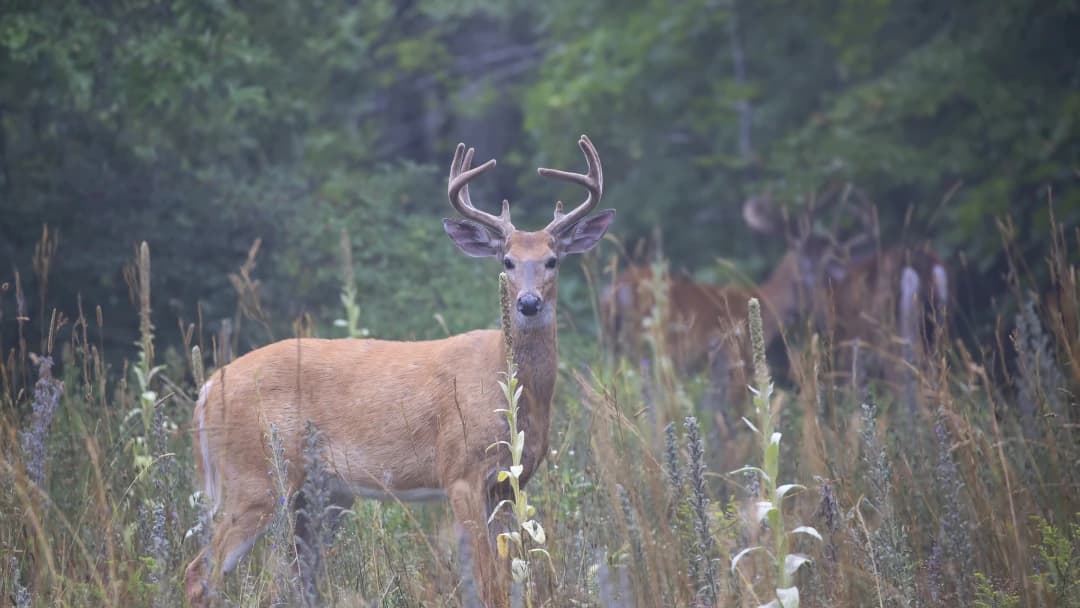
August food plot guide for whitetails—what to plant now (brassicas, winter peas, oats), regional timelines, seeding rates, and mistakes that kill fall hunting…
If you are reading this in mid-summer, your August food plot window is almost open—and for northern hunters it is already a countdown. What you plant in the next few weeks decides whether mature bucks have a reason to visit your property when hunting season hits.
Late summer planting is not “throw seed and hope.” Cool-season crops seeded now peak when deer need energy in the rut and early winter—right when your stands matter most.
Pair this with deer season prep so plots and hunting pressure plans work together.
August planting calendar (quick)
| Timing | Focus |
|---|---|
| Week 1 | Northern states — brassicas and winter peas first |
| Week 2 | Midwest — most cool-season crops in the sweet spot |
| Week 3 | Southern states — begin primary plantings |
| Week 4 | Last realistic chance for many northern / upper Midwest plots |
Build a weather buffer. A washed-out seeding week without a backup plan is how empty plots happen in October.
Why August is prime time
Cool-season crops planted now establish before hard frost and stay attractive through hunting season. Spring plots can burn up in July heat; August plantings ride cooler nights and dew into fall.
Deer also lock in fall patterns now. A productive plot near cover becomes a travel and feeding hub—stand placement gets easier when the grocery store is real.
What to plant in August
Brassicas (the heavy hitters)
- Purple top turnips — Foolproof attraction that often improves after frost. Typical rate about 3–5 lb/acre. Blends like Big Tine Buck Brunch pair turnips with grains and clover.
- Daikon radishes — High tonnage under browse pressure; good in dense deer areas.
- Kale — Underrated cold-hardy forage; mix at 1–2 lb/acre with other brassicas.
- Rape / canola — High energy after frost; strong in mixed brassica blends.
More brassica strategy: Whitetail Habitat Solutions and Mossy Oak Gamekeeper.
High-protein legumes
- Winter peas — High protein when fertility is right; plant by late August up north, early September farther south. See Realtree’s winter pea guide.
- Crimson clover — Longer-term nutrition; often overseeded with annual grains for immediate draw.
Quick-establishing grains
- Oats — Fast green-up; deer often hit them within two weeks. Strong nurse crop. Blends like Whitetail Institute Pure Attraction combine oats with brassicas.
- Winter wheat — Reliable forage and cover near security cover.
- Cereal rye — Tough on marginal soils; builds ground for next year’s plot.
Multi-species bags (oats, peas, clover, chicory, turnips) can cover several bases when you only get one seeding pass.
Seeding rates cheat sheet
- Brassica mixes: 4–6 lbs/acre
- Winter peas: 20–30 lbs/acre
- Oats: 60–90 lbs/acre
- Winter wheat: 90–120 lbs/acre
- Cereal rye: 90–120 lbs/acre
More seed is not better. Over-seeding makes skinny plants that fail under browse.
Regional timeline
- Northern states / Canada — Brassicas and peas early August; cereals through mid-August. The window closes fast.
- Midwest — Most crops through late August; cereals sometimes into early September.
- Southern states — Into early September is possible, but earlier root growth still wins.
Planting tips that actually matter
Soil prep
Seed-to-soil contact is everything. For no-till, kill existing vegetation (often glyphosate 7–10 days ahead) and cultipack or drag. See MDC’s food plot establishment guidance for a solid process checklist.
Fertilizer
Soil-test first. Brassicas want phosphorus and potassium; legumes need proper pH for protein. Guessing fertility is how you buy expensive green weeds.
Depth
Small brassica seed wants shallow planting—about ¼ to ½ inch. Too deep and germination dies.
Weed control
Pre-emergents right after planting (before germination) can help. Match herbicide labels to your crop—wrong chemistry nukes the plot.
Minerals near plots (where legal)
Place mineral sites about 50–100 yards from plots to create travel. Check state rules—some restrict minerals during hunting season. Where legal, they reinforce habitual visits.
Mistakes that waste August
- Planting too late — Every day past your regional window cuts establishment odds.
- Skipping soil tests — Cheap insurance vs wasted seed.
- Wrong depth — Especially with brassicas.
- Poor drainage — Standing water kills stands.
- No backup seed — Keep oats ready if the first seeding fails.
Troubleshooting tip sheet: NDA turnip profile.
This week’s action list
- Soil-test or pull samples now.
- Order seed before shelves empty.
- Kill sod / prep ground.
- Plant on the first good moisture window in your region.
- Mark stand sites once green-up shows deer trails.
August work is not glamorous. It is how October gets easy. For more seasonal prep, see whitetail hunting strategies for beginners.
FAQ
What should I plant in August for deer?
Brassicas, winter peas, and cereal grains (oats, wheat, rye) are the core cool-season August plantings for fall and winter attraction.
Is it too late if I wait until Labor Day?
In the North, often yes for brassicas. In the South, early September can still work—earlier is safer everywhere.
Can I no-till August plots?
Yes if you kill competing vegetation and get seed-to-soil contact. A throw-and-hope broadcast on thick sod rarely pays.
Written by
The Inside Spread Team
Contributing writer at The Inside Spread. Passionate about sharing hunting knowledge and conservation efforts.
Comments
No comments yet. Be the first to share your thoughts.
More in hunting
Pre-Rut Whitetail Guide: How to Hunt Bucks Right as They Go On Their Feet
A complete pre-rut whitetail guide covering scrape lines, rub lines, scent-checking behavior, rattling tactics, and how to adjust your setup as bucks shift off food and onto their feet in October.
Early Season Whitetail Guide: What Deer Are Doing Right Now (And How to Cash In Before the Rut)
A complete early season whitetail guide covering deer behavior, food source patterns, buck sighting tactics, and the best time to harvest a doe before the rut kicks in.
What to Look for When Walking Hunting Land for the First Time
On the first walk of hunting land, look past acreage. Judge food, water, cover, and neighboring properties the way deer actually use the landscape.
Best Trail Camera Deals This Week: Cellular Cameras, Feeders & Bows Worth Buying
This week's Academy Sports hot deals—cellular trail cameras, feeders, and archery gear worth buying, plus a few we'd skip.