
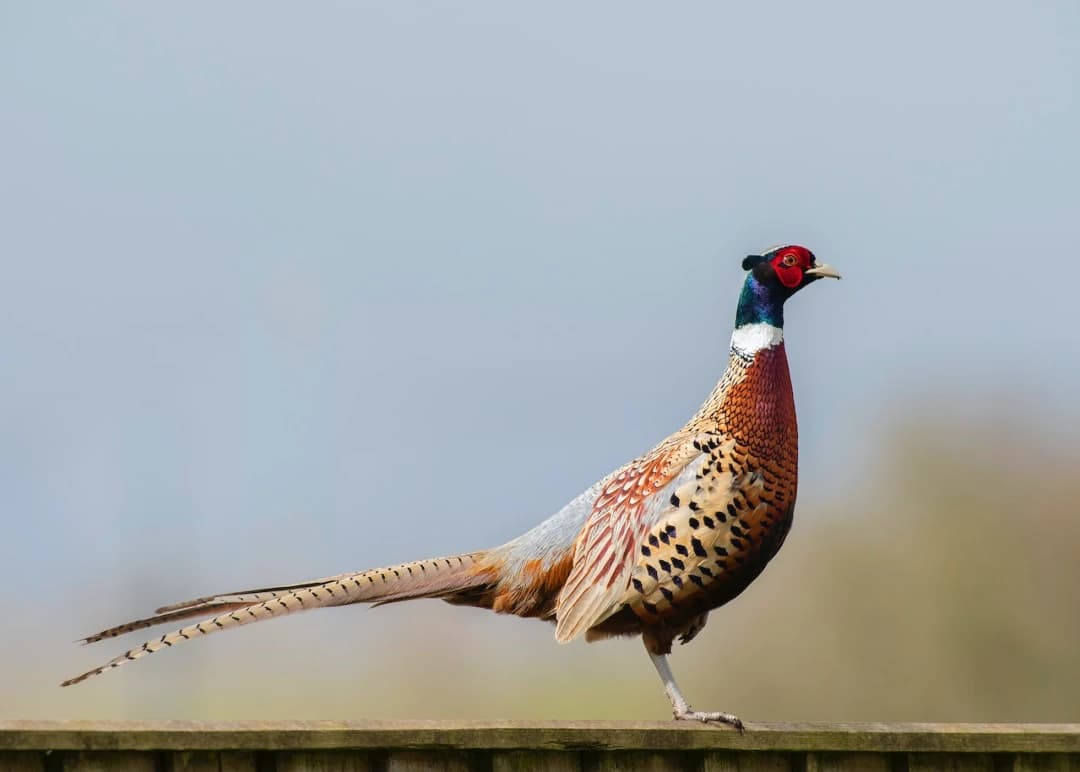
The Feathered Five: Top States for Unforgettable Pheasant Hunting Adventures
I’ve chased pheasants through the heart of America—the Dakotas, Kansas, and even eastern Colorado. Each state had its own flavor: the golden grasslands of…
I’ve chased pheasants through the heart of America—the Dakotas, Kansas, and even eastern Colorado. Each state had its own flavor: the golden grasslands of South Dakota, where birds seem to outnumber people; Kansas’ sweeping plains that seem to stretch forever; and Colorado’s rugged mix of farmland and sagebrush, where you’ve got to work a little harder for your bag. Wyoming deserves an honorable mention—it came close to cracking this list, with its small but mighty pheasant population and wide-open landscapes that feel like a hunter’s dream. But this article is about the crème de la crème, the Feathered Five.These states aren’t just random picks—they’re the promised land for pheasant hunters. They’re where habitat, bird populations, and hunting tradition collide in perfect harmony. Whether you’re a seasoned upland hunter or someone looking to bag your first bird, these destinations will leave you grinning ear to ear, shotgun in hand, and stories to tell.
Before we dive into the specifics, let me put my hunter’s cap on and remind you about one crucial thing: your pheasant hunting license. These birds are wily, and state wildlife agencies work hard to manage populations so we can keep hunting them for generations to come. Make sure you’ve got your paperwork in order—license, stamps, the whole deal. Regulations vary by state, so do your homework. Trust me, nothing kills the vibe faster than getting caught without the right credentials.
So, grab your gear, lace up those boots, and let’s hit the fields. These top five states are calling, and the roosters aren’t going to wait. Welcome to the Feathered Five—a hunter’s guide to pheasant paradise.
Why These States Are Pheasant Hunting Hotspots
South Dakota, Kansas, Montana, Nebraska, and Colorado—these aren’t just dots on the map; they’re the sacred grounds of upland hunting legend. South Dakota, the mecca, is where pheasants seem to outnumber blades of grass, and every mile of rolling prairie hums with the buzz of bird dogs and the boom of shotguns. Kansas? It’s a gritty proving ground, with its hard-won roosters and a staggering 1.7 million acres of public lands whispering, “If you’re tough enough, come get ‘em.”
Montana stretches out like a hunter’s fever dream—vast, empty prairies, sharp-tailed grouse skittering like ghosts, and pheasants bursting from hidden coulees like firecrackers. Nebraska is the dark horse, the quiet achiever, where millions of acres of accessible land hold fields teeming with wild roosters waiting for the sharp-eyed and quick-footed. And then there’s Colorado, the wildcard—scrappy and untamed, where the eastern prairies and hard-to-find pheasant havens promise gold to the hunters willing to dig deep.
Together, these states are a symphony of abundant habitat, thriving bird populations, deep-rooted traditions, and some of the best public land access you could ask for. This is where the upland hunting dreams are forged—and if you’ve got the guts, the birds are waiting.
South Dakota – The Pheasant Capital of the World
The endless horizon stretching out beneath a bluebird sky, the wind whipping through the high grasses, and pheasants erupting from the earth like fiery sparks in the dry air. It’s not just the state’s title of Pheasant Capital of the World that draws you in—it’s the land, the birds, and the hunt itself, steeped in tradition and bathed in golden sunlight.
My brothers and I have walked these fields a few times, the grass towering over our heads, the scent of dust and earth rising with every step. Our father’s voice cuts through the wind, his words a constant reminder of the hunt’s rhythm, the unspoken bond of family that connects us with each bird that bursts from the underbrush. As the pheasants break cover, there’s that familiar rush—a thousand feathers, the crack of a shot, the thrill of the chase.
South Dakota’s landscape is a pheasant paradise. With vast stretches of public land, preserved grasslands, and wetlands, it’s the perfect habitat for the birds—an endless expanse of grass, cattails, and cornfields that seem to go on forever. It’s not just about the terrain; it’s about the culture here. Hunters flock to the state because it’s a place where pheasant hunting isn’t just a sport—it’s a way of life.
License and Season Dates
The pheasant season in South Dakota, the grand stage for the high-flying game bird, kicks off with a roar every year on the third Saturday of October—this year, that date’s October 18, 2025. It runs until January 31, 2026, giving you ample time to plunge into those wild grasslands, your boots caked with the season’s grit, and chase the bird that made this place famous. But, remember, the hunt doesn’t start at dawn—that’s reserved for the die-hard coffee drinkers. No, you wait until the golden hour of 10 a.m. Central Time before you unleash your fury on those pheasants, diving under the endless bluebird sky.
The air’s thick with anticipation, and by sunset, that’s your final call. No more sneaking around in the shadows once that sun dips behind the horizon. The pheasants, the prairie, the land—they don’t stop, but you’ve gotta call it a day.
But hold onto your hat! Dates and times may change in the dark corners of bureaucracy, so check with the South Dakota Game, Fish, and Parks Department before you head out to make sure you’re not chasing birds in the wrong season. You’ve got the green light, but double-check it first, just to be sure.
Kansas – The Hidden Gem of Pheasant Hunting
The silent killer of the pheasant hunting world. Tucked away in the heart of the Midwest, it quietly sits in the shadow of its flashier cousins, South Dakota and Nebraska. But if you know where to look, it’s a goldmine of feathered targets—especially in the wide, dusty stretches of western Kansas. A place where the wind always seems to blow with the promise of adventure, and every field hides a bird or two that could change your luck forever.
When it comes to pheasant hunting, western Kansas is where the magic happens. The land stretches out like an endless sea of wheat fields, where pheasants are as common as tumbleweeds. The high plains are home to thick cover, the perfect refuge for roosters with a bad attitude. You’ll find birds in the fields, in the ditches, and in the edge of the crops, just waiting for you to make the first move. If you're ready for it, head toward the southwest—where the soil's as dry as your humor, and the pheasants are thick enough to choke a dog.
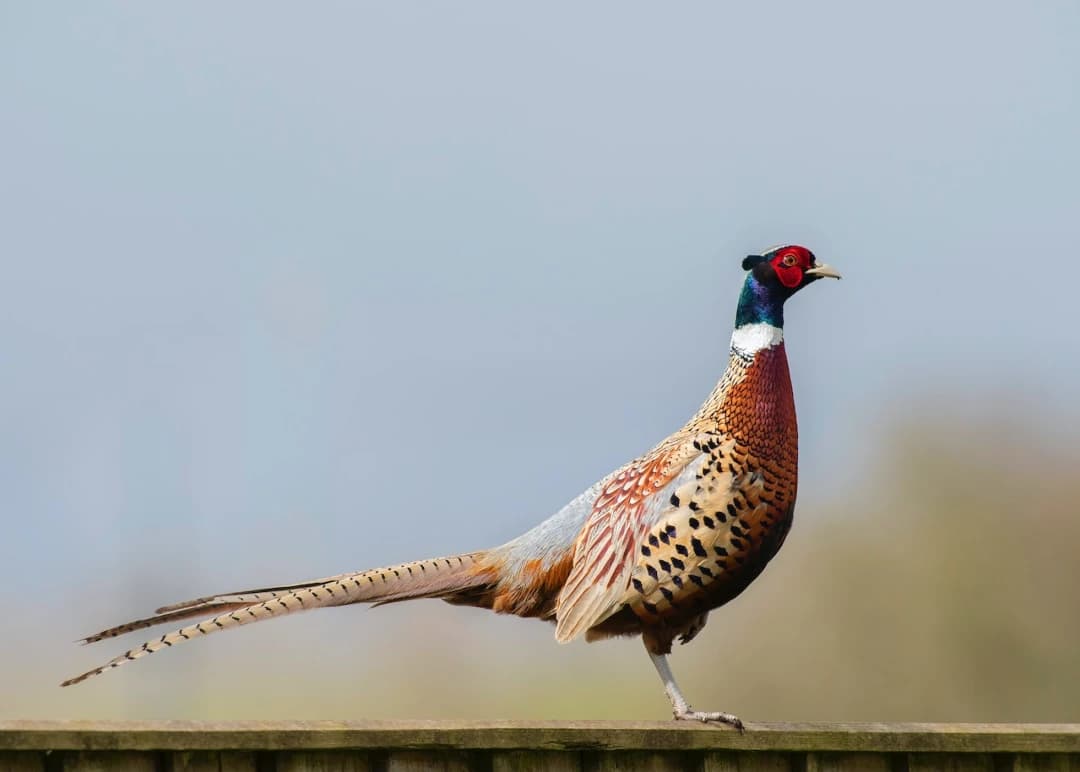
But don’t make the rookie mistake of thinking Kansas is all golden fields and warm winds. Nah, the weather here is a beast. One minute you’re sweating under the blazing sun, the next, a cold front rolls in like a freight train. Those Kansas winds? They’ll cut through you like a scythe. So, layer up, and make sure your gear is tough enough to handle the heat and the freeze. In my opinion, a beard isn't just a fashion statement—it's a tactical advantage. That rugged face armor does more than add a dash of wild to your look; it’s a barrier against the cutting gusts that whip across the plains.
License and Season Dates
To hunt in Kansas, it’s all about the licenses. You’ve got to get yourself a hunting permit, which is dirt cheap compared to the golden ticket other states will ask for. A resident hunting license will run you around $27, and for non-residents, you're looking at a hefty $97 for a one-year license. Simple enough—get your license online or at any authorized dealer, and you're golden. That bird in your sights? It’s within reach.
The season typically kicks off on the second Saturday of November and runs through January 31. For 2025, that means the hunt begins on November 8 and wraps up on January 31, 2026. Hunting hours are generally from 30 minutes before sunrise to sunset. The daily bag limit is four roosters, and you must leave evidence of the bird's sex on the bird for transportation.
But don't just take my word for it. Check with the Kansas Department of Wildlife and Parks for the latest updates and any changes to the season dates or regulations.
Montana – Big Sky Country’s Pheasant Hunting Haven
Just the name stretches out like the horizon itself—endless, wild, and teeming with promise. They call it Big Sky Country for a reason, and under those cathedral skies lies a playground for upland bird hunters. This isn’t your average pheasant-hunting state; it’s an experience. You’re not just chasing roosters in Montana—you’re hunting in a landscape so vast it swallows time, a place where the ghosts of buffalo roam and the wind whispers stories of the old West.
When I fought fire in Montana, the land got under my skin. Long shifts on the line, blackened skies from smoke, and the smell of sagebrush hanging in the air—it was beautiful and brutal. But no matter how many seasons I spent battling wildfires, I never got to chase pheasants out here. The thought stayed with me, though, gnawing at the edges of my imagination. One day, I’d hunt these prairies, shotgun in hand, the echoes of fire and smoke replaced by the cackle of flushing roosters.
Montana’s magic lies in its diversity. Rolling grasslands stretch into golden fields, and those fields fade into the jagged teeth of the Rockies. This variety isn’t just scenic—it’s pheasant heaven. The state’s Block Management Areas (BMAs) are a hunter’s dream: nearly 7.5 million acres of private land open to public hunting through agreements with landowners. Add to that a mix of state lands, wildlife management areas, and federal terrain, and you’ve got access like nowhere else.
License and Season Dates
First things first, you’ll need a license. For nonresidents, you’re looking at $110 for the Upland Bird License, plus $15 for a Conservation License. Residents pay a more modest $7.50 for upland birds and $8 for the conservation tag. Pro tip: Get them online through Montana Fish, Wildlife & Parks or at local vendors. The state makes it easy—just don’t wait until the last minute because those BMAs require a bit of planning to access.
The pheasant season usually runs October 12 through January 1, and you can bag three roosters daily, with a possession limit of nine. But don’t let the long season fool you; Montana’s weather doesn’t play fair. One day, you’re hunting in a T-shirt under a bluebird sky; the next, you’re slogging through snowdrifts. Layer up, and don’t forget gloves—the wind out here cuts to the bone.
One day, I’ll be out there, not with a drip torch or a Pulaski, but with my brothers, father, and Artemis, my trusty wired haired griffon, walking those wide-open fields under that endless sky. The ghosts of fires past will follow me, sure, but so will the thrill of the hunt and the promise of roosters exploding into the crisp Montana air.
Nebraska – The Midwest’s Underrated Pheasant Hunting Paradise
The Cornhusker State might not scream “pheasant hunting” like South Dakota or Kansas, but don’t let its modesty fool you. This is the sleeper pick of upland bird hunting, a place where the sun paints the sky in a thousand shades of orange, and the fields whisper promises of roosters hiding just ahead. Nebraska is growing into one of the Midwest's finest destinations for pheasant hunting, and if you’re smart, you’ll get in before the rest of the world catches on.
Nebraska’s secret weapon is its Open Fields and Waters (OFW) Program, a shining example of what happens when private landowners and public initiatives shake hands. This program opens up nearly 500,000 acres of private land to public hunting, creating a patchwork of opportunity for hunters who don’t have a deed to a family farm. Add to that, the state’s wildlife management areas and federal land, and you’ve got more space to roam than you could cover in a lifetime.
And the terrain? Oh, it’s varied, alright. One minute you’re trekking through rolling grasslands; the next, you’re working the edges of a cornfield or peering into a thick riparian zone along the Platte River. The birds here are just as diverse as the land. Pheasants, quail, and grouse all call Nebraska home, and they thrive in habitats that range from CRP fields to grain stubble left behind after the harvest.
License and Season Dates
Getting your hunting license in Nebraska is about as straightforward as it gets. First, you’ll need a Nebraska Hunt Permit ($109 for nonresidents, $18 for residents) and a Habitat Stamp ($25 for nonresidents, $10 for residents). If you’re going to chase pheasants, grab an Upland Game Bird Endorsement too. All of this can be handled online through the Nebraska Game and Parks website or at local retailers.
The pheasant season generally runs October 26 through January 31, giving you plenty of time to explore. Bag limits are generous: three roosters daily, with a possession limit of 12. But remember, Nebraska’s winters can shift gears in a heartbeat. One day, it’s mild and breezy; the next, you’re freezing your fingers off in a prairie blizzard. Layer up and keep a thermos of something hot in the truck—trust me, you’ll thank yourself.
Colorado is a place that gets under your skin and into your soul, a land of contrasts, where I spent over a decade navigating its extremes. The off-season from fighting fire always meant something different—sometimes it was skiing first tracks in Vail’s back bowls, carving turns so clean they felt like a victory lap after another fire season survived. Other times, it was loading up the truck after a powder morning, shotgun riding shotgun, and hauling east to the plains where the world opened wide and the birds flew wild.
Fighting fire in Colorado taught me the edge of exhaustion, digging line through beetle-kill forests and racing flames down ridges under skies that alternated between cobalt blue and smoke-filled chaos. Hunting here, though—especially chasing pheasants after those alpine mornings—was the antidote. The perfect blend of adrenaline and zen. It’s a rhythm that only Colorado can deliver, a state that’s equal parts grit and grace, mountains and plains, fire and flight.
You wouldn’t think it, but Colorado’s eastern plains are a bird hunter’s dream. Stretching out like a carpet of grass and grain, these wide-open spaces are home to some of the best pheasant habitat in the West. Think cut cornfields, CRP grasslands, and weedy fence lines that seem tailor-made for flushing birds. While the pheasant population here isn’t on par with South Dakota or Kansas, eastern Colorado has its hotspots—and they reward hunters willing to put in the legwork.
License and Season Dates
Getting legal to hunt in Colorado isn’t too complicated, but you’ve got to stay sharp. First, snag yourself a Small Game License—$98.92 for nonresidents and $35.76 for residents. Don’t forget the Colorado Habitat Stamp ($12.47). Everything’s available online through Colorado Parks and Wildlife, or you can grab it at sporting goods stores when you roll into town. You’ll also have to register with the Harvest Information Program (HIP).
Pheasant season typically runs from mid-November to late January, with bag limits of three roosters per day and a possession limit of nine. Be sure to check the regulations annually; Colorado loves its bureaucracy as much as it loves its crafted beer.
There’s something surreal about walking those fields after living in the shadow of the Rockies. The land rolls on forever, golden and endless, the silence broken only by the rustle of wind and the cackle of a rooster taking flight. It’s a humbler hunt, maybe, but no less rewarding.
Preparing for a Successful Pheasant Hunt
Preparing for a successful pheasant hunt is equal parts strategy, endurance, and a touch of lunacy, especially if you're the kind of hunter who spent years slogging through fields without a dog. Trust me, I’ve been there—leg-deep in CRP grass, flushing birds the hard way, feeling every ounce of effort in my legs by the end of the day.
Pheasant hunting without a dog isn’t just a workout; it’s a war of attrition, man versus bird in the great golden battlegrounds of the plains. But now, things have changed. I’ve got Artemis, my wire-haired griffon pup, named after the goddess of the hunt, and while he’s still in training, he’s already a game-changer.
If you’re gearing up for your own hunt, start with the essentials: a reliable shotgun that feels like an extension of your arm, a pocketful of the right ammo (to each their own regarding what type of shot but I prefer BXD Upland), and clothing that’ll keep you warm, dry, and thorn-proof. Layering is key—you want to be able to shed that jacket once the adrenaline starts pumping and you’re chasing birds under the midday sun.
For those with dogs, training is as important as the gear. Whether you’re working with a pup like Artemis or a seasoned veteran, invest time in obedience and fieldwork. A good hunting dog is like having a partner who can smell opportunity long before you see it. But if you’re flying solo, scout your land and know your terrain. Pheasants love to play hide-and-seek in thick cover, so get familiar with the lay of the land before opening day.
Finally, read up on local regulations—don’t be the guy who forgot to check the bag limit or left his license in the truck. Pheasant hunting is a game of preparation, persistence, and savoring the chaos of the chase. Whether you’ve got a dog by your side or not, the thrill of the hunt is the same: it’s about connection—between man, bird, and land—and the stories you’ll tell when the day is done.
Final Thoughts on Pheasant Hunting in the Top 5 States
Pheasant hunting doesn’t get much better than in South Dakota, Kansas, Montana, Nebraska, and Colorado—each state offering its own unique blend of prime habitat, bird populations, and hunting traditions. From South Dakota’s title as the "Pheasant Capital of the World" to Kansas' hidden treasures in the western plains, Montana’s vast public lands, Nebraska’s diverse habitats, and Colorado’s mix of grasslands and high desert, these states deliver the ultimate upland adventure.
Before you load up your gear, make sure you’ve got your hunting license squared away and are familiar with the local rules. Each state has its quirks—whether it’s license fees, access programs like Montana’s BMA’s or Nebraska’s OFW, or specific season dates. Being prepared is the key to enjoying your hunt and staying on the right side of the game wardens.
If you’re looking to maximize your adventure, here’s a pro tip: plan early and go big. Whether you’re a local from the West or making the pilgrimage from farther afield, these five states are close enough to hit on a single two-week road trip. With careful planning, a trusty shotgun, and maybe a good hunting dog by your side, you can cover a lot of ground and bring home enough pheasants to stock your freezer for months. Above all, savor the tradition, the camaraderie, and the thrill of the chase. This is pheasant hunting at its finest.
Forged in the wilds of Ohio, Ron Guy Jr grew up steeped in the chaotic beauty of the outdoors—hunting whitetail and waterfowl in the cold dawn light with a pack of family renegades. That was the spark, but the fire burned far brighter. He chased it across the Rockies—those jagged gods of stone and snow—climbing peaks, carving powder runs, and stalking mule deer and elk through the sagebrush. The Appalachians called too, with their misty ridgelines and ghost stories, offering just as much danger and reward. When he wasn’t dodging avalanches or flushing upland game birds from the grasslands of Wyoming, he was fighting fire—sweat, smoke, and adrenaline—turning chaos into control and lighting prescribed burns to heal the land. Now, with six daughters and a son on the way, he’s saving for a homestead, dreaming of a place where the wild and the human can coexist on his own terms.
Written by
The Inside Spread Team
Contributing writer at The Inside Spread. Passionate about sharing hunting knowledge and conservation efforts.
Comments
No comments yet. Be the first to share your thoughts.
More in hunting
Pre-Rut Whitetail Guide: How to Hunt Bucks Right as They Go On Their Feet
A complete pre-rut whitetail guide covering scrape lines, rub lines, scent-checking behavior, rattling tactics, and how to adjust your setup as bucks shift off food and onto their feet in October.
Early Season Whitetail Guide: What Deer Are Doing Right Now (And How to Cash In Before the Rut)
A complete early season whitetail guide covering deer behavior, food source patterns, buck sighting tactics, and the best time to harvest a doe before the rut kicks in.
What to Look for When Walking Hunting Land for the First Time
On the first walk of hunting land, look past acreage. Judge food, water, cover, and neighboring properties the way deer actually use the landscape.
Best Trail Camera Deals This Week: Cellular Cameras, Feeders & Bows Worth Buying
This week's Academy Sports hot deals—cellular trail cameras, feeders, and archery gear worth buying, plus a few we'd skip.