
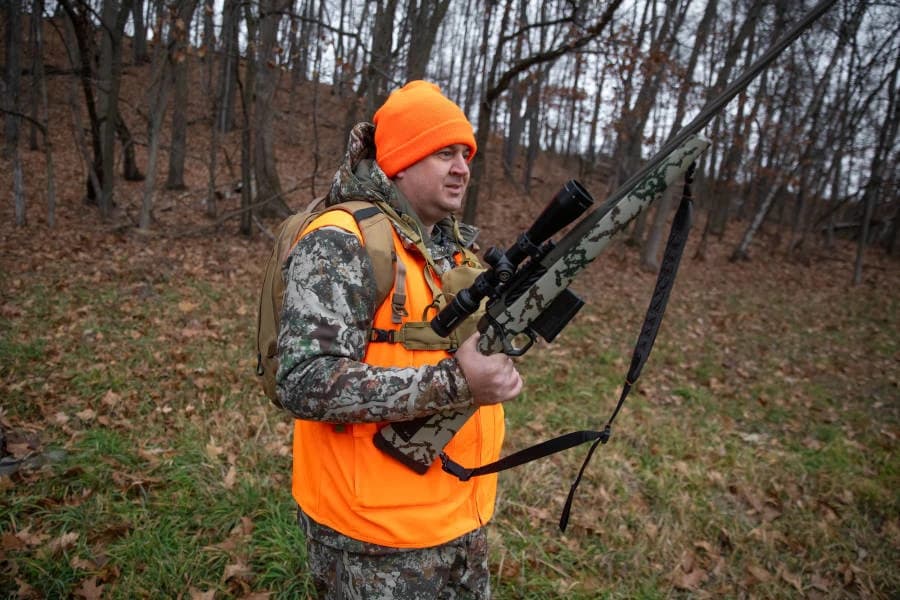
I probably should have shot the little buck, but that realization didn’t hit me until long afterward. Given a little additional context, it’s funny how…
Hunting The Duren Farm
I probably should have shot the little buck, but that realization didn’t hit me until long afterward. Given a little additional context, it’s funny how humbling the outdoors can be and how perspectives can shift depending on the scenario. However, I’m getting ahead of myself here. You need the whole story.
It was the last morning of a hunt at the Duren family farm in Richland County, Wisconsin. The night before, I shot a small doe from a box blind on a different part of the property. It was the smallest deer I’d ever harvested. However, it was noteworthy because it marked my first-ever deer harvest outside my home state of Michigan.
Perspective Changed at the Duren Farm
With meat in the freezer, I was thinking big buck as I was seated on a hillside next to Meateater’s Ryan Callaghan. He’d remarked the day prior how refreshing this hunt was for him. It was one of the few hunts on his busy schedule that didn’t require filming the whole experience for the TV show.
Before I drove to Wisconsin, I told myself I wasn’t driving six hours around Lake Michigan, through a slew of Chicago rush hour traffic, for a small buck. Having seen the episodes of Meateater filmed on the Duren farm, I also didn’t want to wear the infamous “sombrero” reserved for the guy or gal who shot the smallest buck in camp.
However, upon arriving at the farm and meeting Doug Duren himself, I learned things had changed since that episode was filmed. The Duren farm is in a prime chronic wasting disease (CWD) zone. And things have only gotten worse year to year. Subsequently, the focus of the Duren family has shifted away from growing the biggest bucks to doing what’s right for the herd. Unfortunately, that means harvesting as many deer as possible. I was shocked to learn that most bucks that reach 3.5 years on the farm are almost always positive for the disease.
This has led to a complete shift in management strategy. Doug explained that evening that their new policy is for hunters to shoot “what makes them happy.” There is now zero judgment for shooting a buck that may not be up to another hunter’s standards. While the infamous sombrero has a permanent place in the Duren farmhouse, it has been effectively retired.
A Buck and A Realization
It’s still hard not to think about big bucks, especially as Doug regaled me with stories about some of the monsters hanging on the wall of the farmhouse. Thus, the following day, when Doug and I were sitting in a box blind, I let a small spike walk, even as he encouraged me to shoot it. I have no regrets about that, as the trip’s organizer bagged it the following morning for his first buck ever. However, I do regret that second buck that I let walk.
The second morning, Ryan and I made our way up the hill behind the Duren farmhouse through a monstrous beanfield to a spot behind a tree on a downhill slope. In front of us was a popular deer escape route. We were strategically positioned here as some other members of the Duren family started one of their traditional pushes or “mooches” in our direction.
After about an hour and a half of waiting, Ryan spotted a few deer exactly where we’d predicted they’d run through. I quickly glassed the first brown body I saw roughly 130 yards before me and saw it was a 1.5-year-old buck. It looked like a small six-pointer. I’ve shot my share of bucks that size back home in Michigan. Thus, I decided to let the small buck walk away. We didn’t see anything else on the hunt, and I drove back to Michigan that night with just that single doe tag filled.
In the following weeks and months, I realized I should have shot that smaller buck. And there’s a bevy of reasons why. Firstly, one of my former co-workers was also on this hunt, and he got skunked. Had I bagged the small buck, I could have donated my doe to him, and we could have both gone home with some venison. Secondly, I couldn’t stop thinking about Doug Duren’s CWD management policies on the way home—focusing on the herd's health rather than satisfying hunters' need for big antlers. Did I do the right thing by letting that little guy go?
Another thing that kept echoing was Doug’s selfless message about sharing his family’s land with others. He has a saying, “It’s not ours, it’s just our turn.” It’s a message about having a long-term view of the land, the importance of conservation, and the appreciation of what the outdoors provides. In hindsight, I later realized that my desire to bag a big buck on the trip may have been a little selfish in the grander scheme. The Duren family wanted deer harvested, no matter the gender or size. That’s their current management strategy in the face of an unrelenting disease ravaging the herd.
Hunting Opportunities and Lessons Learned
However, it’s deeper than following a management strategy. About a month later, I was suddenly laid off from my dream job at Field & Stream during a company acquisition. It was then that I realized how privileged I was to go on that hunt in the first place. Not every hunter out there gets to do that kind of thing and call it work. Even fewer can probably say they hunted with Ryan Callaghan, and in retrospect, it would have been cool to point to the Euro mount on the wall and tell people I shot that buck while hunting with one of the guys from Meateater.
Lastly, Doug Duren showed me incredible hospitality on this trip, and I felt I could have paid the kindness forward a little more by helping with their management goals.
Does that mean I’ve shifted my policy to being exclusively a meat hunter? Not exactly. I passed up three or four little bucks this past year before bagging a nicer seven-pointer. However, it has made me want to be more of a situational hunter. Rather than basing what I shoot exclusively on social media or other hunters' desires, I’ll make future decisions based on what makes sense for the place and time.
Ultimately, that trip to Wisconsin was a great life lesson on how humbling the outdoors can be for a person. Every year, I learn more about nature, the creatures that inhabit it, and myself. That’s partially why I got into writing in the first place: to pass along the lessons I’ve learned to others. Hopefully, I will continue to be able to do that here at the Inside Spread. I hope you’ll join me for the ride.
Written by
Travis Smola
Travis Smola grew up hunting and fishing in rural southwest Michigan. He started writing in traditional newsprint journalism before deciding outdoor topics were more fun. Travis has interviewed famous outdoor figures like Remi Warren, Bill Dance, and Kevin VanDam. Over the last decade, he's shared boats and blinds with dozens of pro anglers, hunters, and outdoor influencers. When he isn't hunting or fishing, he's probably out geocaching or camping in his homemade van conversion. He has a strong desire to try homesteading and farming in the future. His bylines have appeared in Field & Stream, Outdoor Life, Great Days Outdoors, Knife Informer, Gear Junkie, and Wide Open Spaces.
Comments
No comments yet. Be the first to share your thoughts.
More in hunting
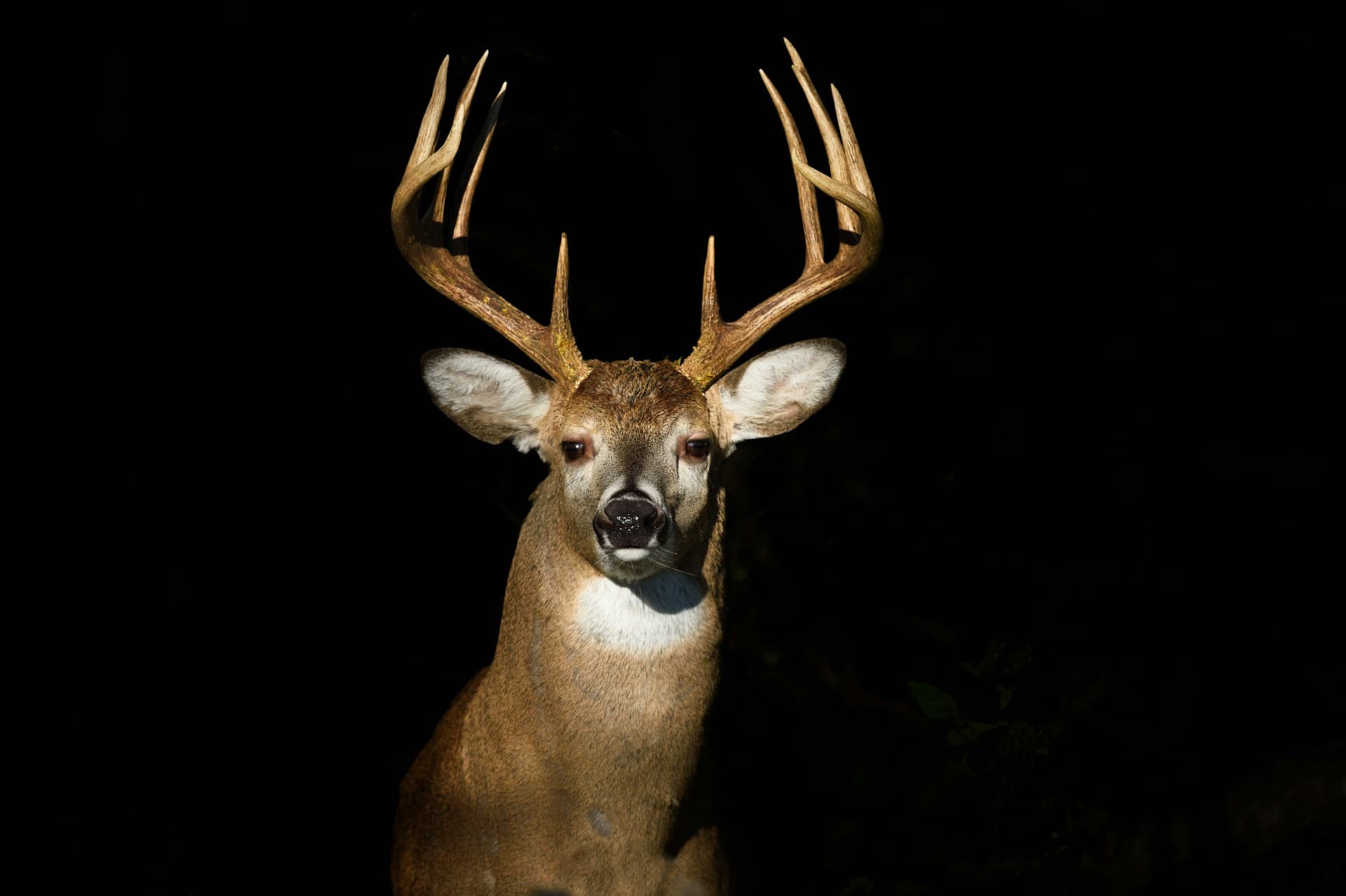
Pre-Rut Whitetail Guide: How to Hunt Bucks Right as They Go On Their Feet
A complete pre-rut whitetail guide covering scrape lines, rub lines, scent-checking behavior, rattling tactics, and how to adjust your setup as bucks shift off food and onto their feet in October.
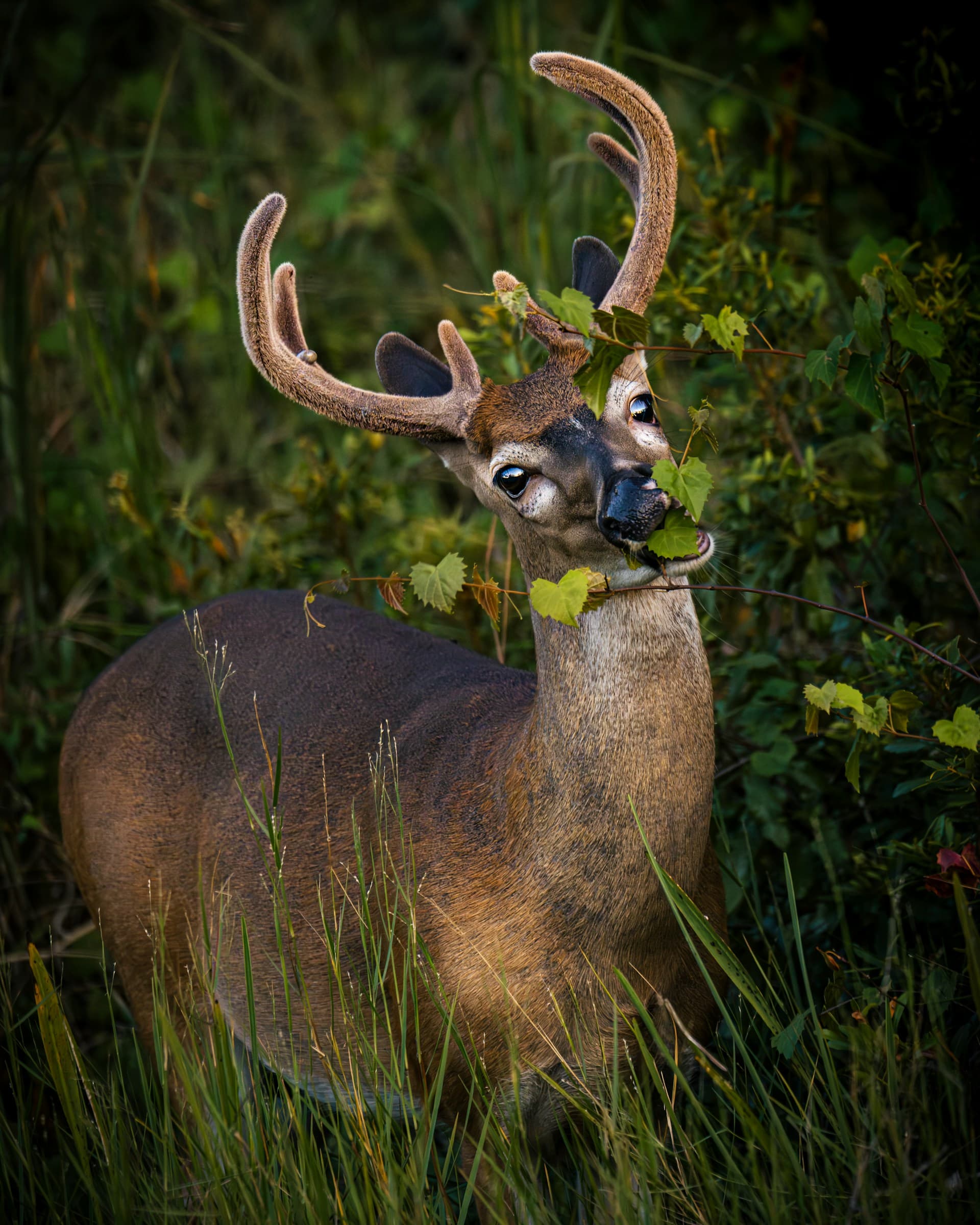
Early Season Whitetail Guide: What Deer Are Doing Right Now (And How to Cash In Before the Rut)
A complete early season whitetail guide covering deer behavior, food source patterns, buck sighting tactics, and the best time to harvest a doe before the rut kicks in.
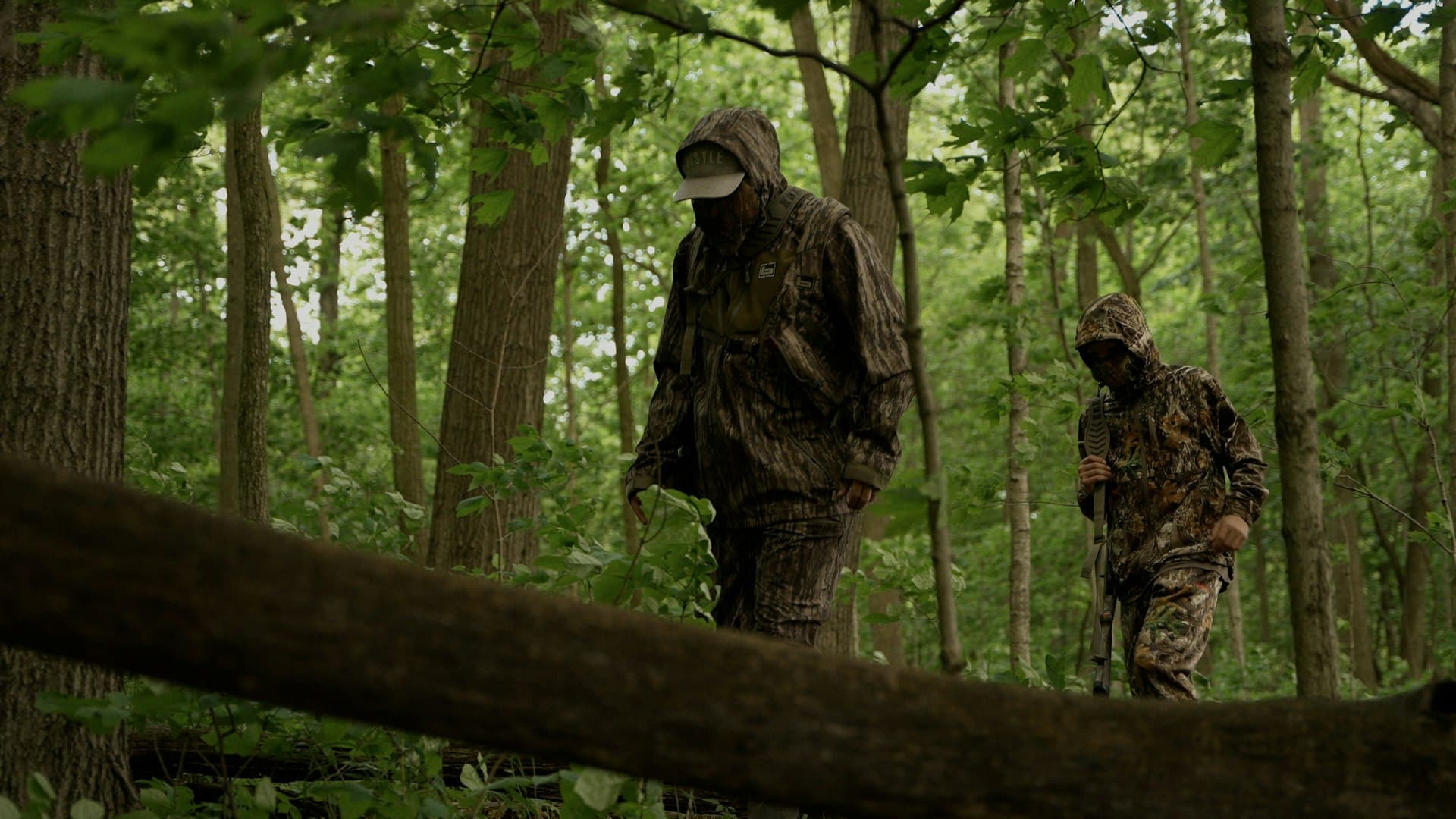
What to Look for When Walking Hunting Land for the First Time
On the first walk of hunting land, look past acreage. Judge food, water, cover, and neighboring properties the way deer actually use the landscape.
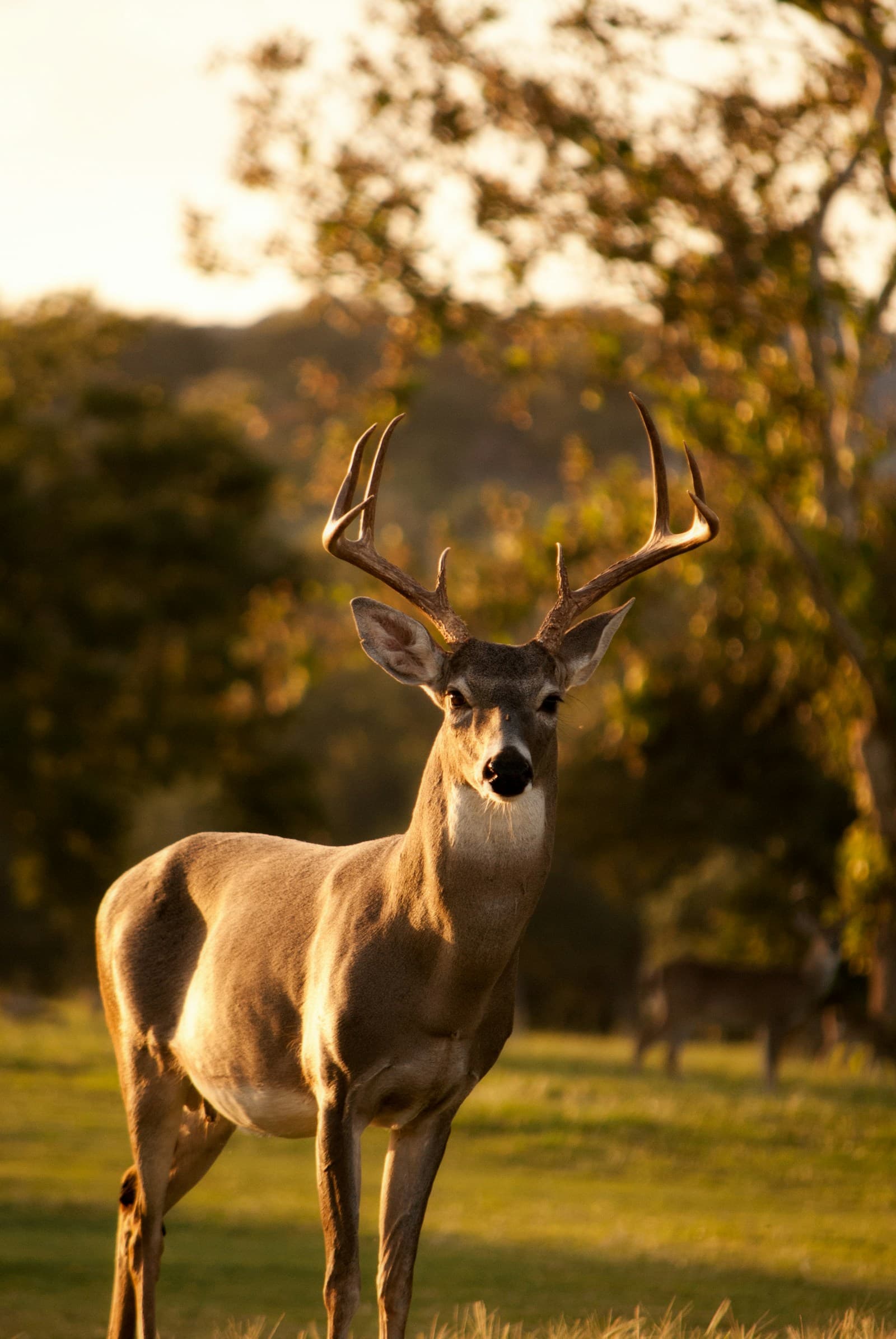
Best Trail Camera Deals This Week: Cellular Cameras, Feeders & Bows Worth Buying
This week's Academy Sports hot deals—cellular trail cameras, feeders, and archery gear worth buying, plus a few we'd skip.