
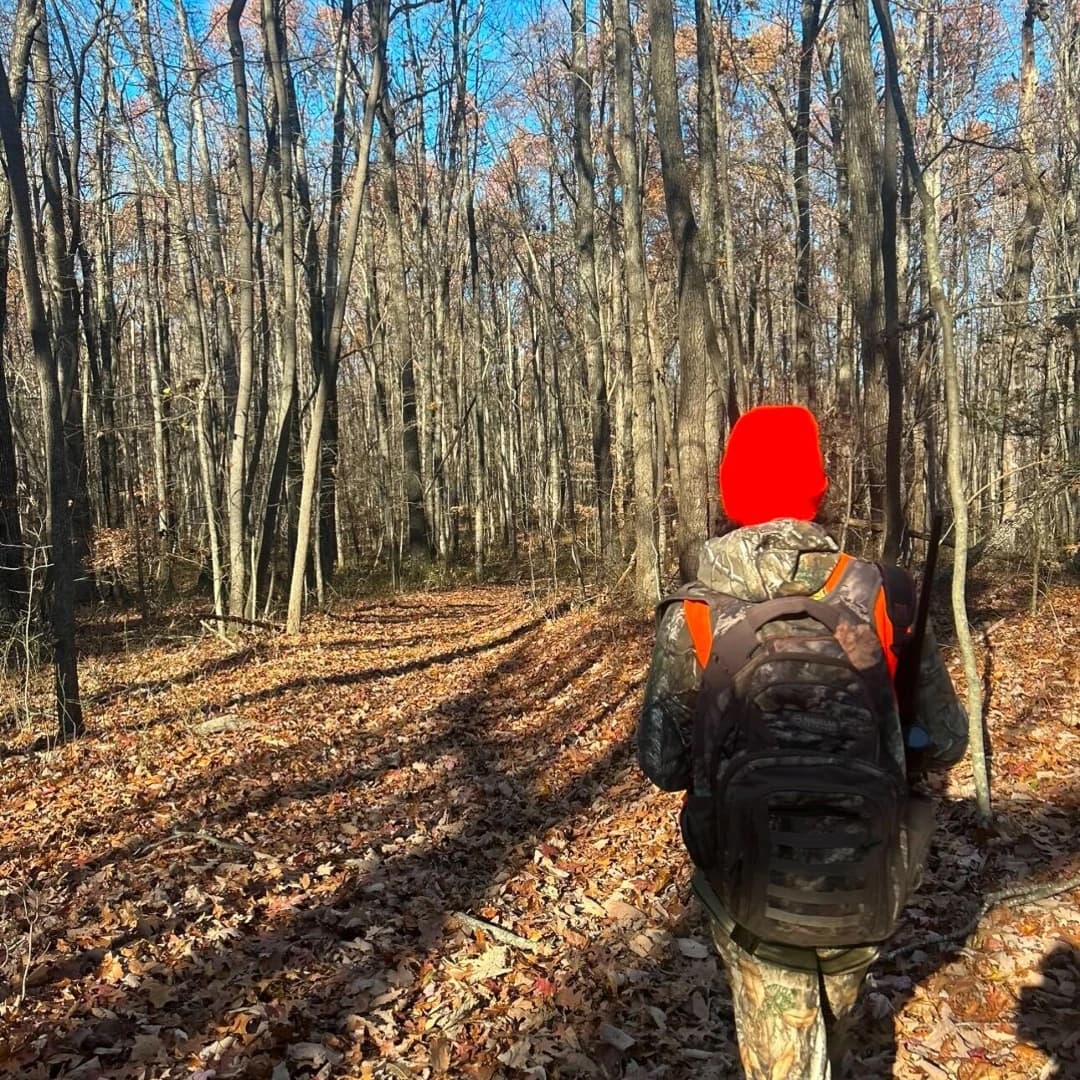
I vividly remember spending countless hours glued to videos from The Hunting Public and Seek One the summer before I started college. Watching their ability…
Getting Started in Saddle Hunting
I vividly remember spending countless hours glued to videos from The Hunting Public and Seek One the summer before I started college. Watching their ability to move so effortlessly and set up quickly in their saddles while still having incredible success was wildly impressive. At the time, I’d just become fully obsessed with deer hunting, and after a summer of hard work, I had a little extra cash to invest. I wasn’t necessarily looking for the cheapest setup—I wanted the best stand option for hunting. The catch? I had no idea what kind of land I’d even be hunting on. Public or private? Flat fields or steep hills? As a born-and-raised Florida man heading to the rugged, forested Appalachian woods of Tennessee, it was a whole new world.
Fast forward four years, and I never would’ve guessed how much ground I’d cover—literally and figuratively. I’ve spent over 130 hunts and more than 500 hours in my saddle, and I’ve learned a lot along the way. Most of it has been positive, but there were definitely things I wish I’d known starting out.
In this article, I’ll share everything I’ve learned—what I wish someone had told me before I bought my saddle, which accessories are must-haves, and which ones are more gimmick than game-changer. I’ll also help you set some realistic expectations so you can decide if saddle hunting is the right fit for you. Whether you’re new to the idea or already halfway convinced, I hope this will give you a clearer picture of what to expect.
The Learning Curve
When I first got my saddle setup, I knew I’d need to invest some serious time learning the ins and outs of the gear and logging enough hours in it to feel truly comfortable. It definitely took time to trust my equipment—I mean, you’re hanging 20 feet up by a single connection, which can feel a little unnerving at first! I’d say it took me about 10 hunts to feel confident enough to take a shot at an animal. Not that I didn’t try during those first 10 sits, but looking back… yeah, I probably should’ve waited.
When I was still getting the hang of my saddle gear, I’d always pre-set my sticks and platform at least a day before the hunt. It gave me time to figure out the best placement and adjust without the pressure of rushing to get set up. Plus, it helped me understand my limits—like how high I could comfortably and safely go.
Here’s the thing: you’re not going to be ready to hunt the moment you get your saddle setup. It takes time to practice not just setting up but also shooting while hanging. Shooting from a saddle feels completely different, and getting used to the angles and body positions takes work. Saddle hunters have a lot of unique shot opportunities, but successfully pulling them off means spending time practicing those moves.
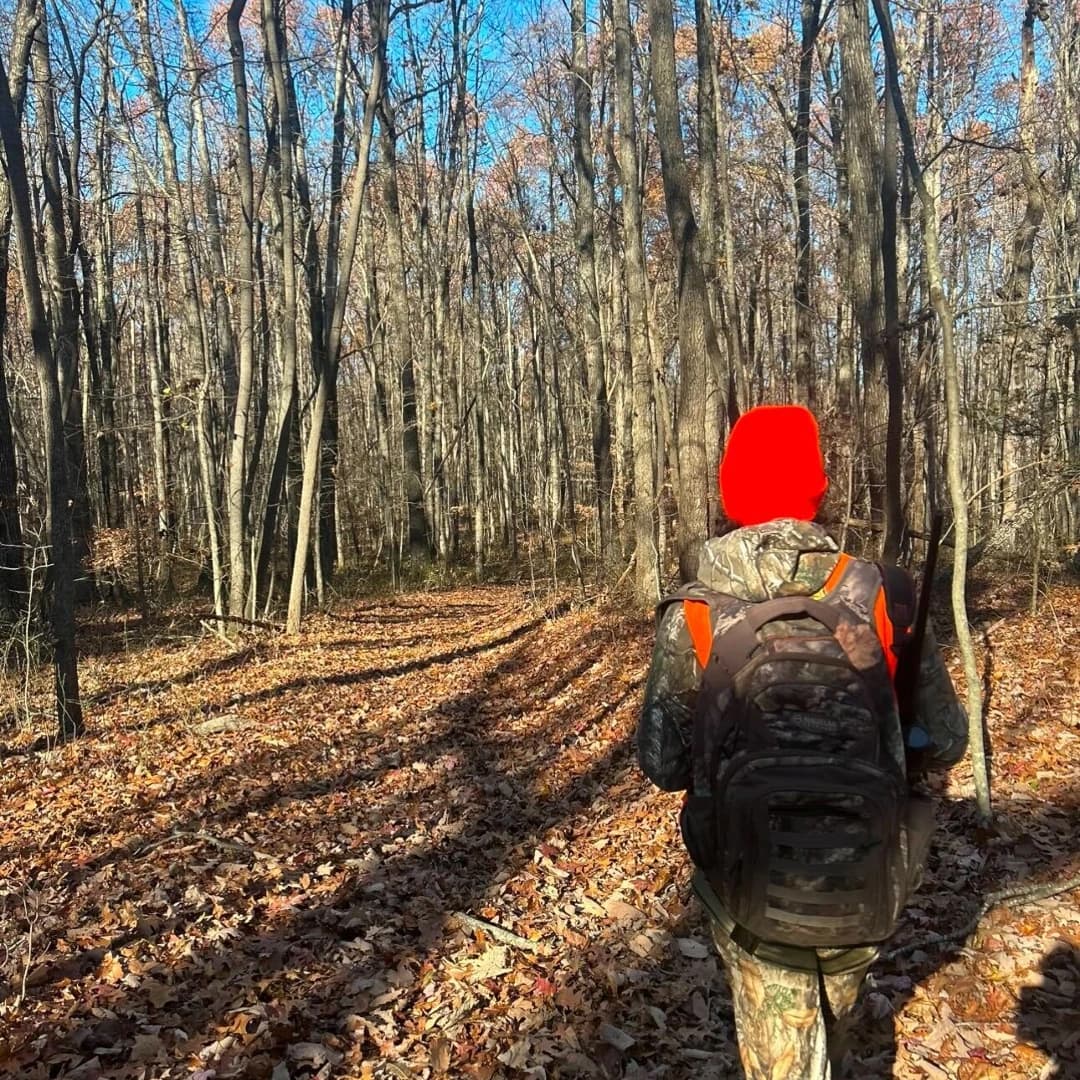
Honestly, most of what I learned came from trial and error during actual hunts, and that made each success even sweeter. I was constantly tweaking my setup—adjusting my platform’s position, fine-tuning my bridge for comfort, and adapting based on how each hunt felt. Every sit brought new challenges, but by staying aware of how I felt in the tree and making deliberate adjustments, I got a little more confident and comfortable with every outing.
What Makes a Good Place to Set Up in a Saddle
When I first started saddle hunting, I was laser-focused on setting up near deer sign, which, in my area, was practically everywhere. I’d pick the closest tree and set up without giving much thought to how visible I was. Unsurprisingly, this often ended with me getting busted before I even had a chance to draw my bow. After a few frustrating outings, I started paying closer attention to how deer reacted to my setups. That’s when it hit me—perching in small, straight trees with little foliage left me completely exposed. I could barely move, let alone draw my bow, without spooking everything around me.
So, I switched things up. I found that the best trees were at least 1.5 times as wide as my torso and had plenty of leaves either behind me or just below my platform. Bonus points if the tree split about 12 feet up, allowing me to tuck into the crook. I learned that sacrificing a bit of range for better concealment was a tradeoff worth making. It was far better to have a limited shooting window than to watch white tails dart away every time I tried to draw.
When setting up, it’s crucial to have a good idea of where the deer are likely to come from. This lets you make your 9-to-12 o’clock window your primary shooting lane (or 12-to-3 for lefties). While saddle hunting opens the door to some acrobatic shooting angles, pulling them off takes a lot of confidence and practice.
How high I climb depends entirely on where I can find the best cover. Most of the time, I’m set up between 12 and 15 feet, but there are always exceptions. I remember one particularly hot spot full of deer sign where I’d already seen deer earlier that morning. The problem? My sticks were still in another tree. All I had was my saddle and bow, so I had to get creative. I spotted this gnarly red oak that looked like it had been struck by lightning—it split about three feet up. I tossed my lineman's rope around one of the trunks and climbed into the crook.
Five minutes later, two does trotted up, completely unaware of my presence. That ugly, broken tree made me invisible and gave me the perfect opportunity to take a mature doe. The lesson here? Prioritize finding a tree that keeps you hidden over climbing as high as possible.
When I first started researching saddles, there weren’t a ton of options to choose from. Ultimately, The Hunting Public’s endorsement led me to Tethrd, and I have to say, their products and customer service have been fantastic. Their Phantom saddle has been plenty comfortable and the lineman’s rope and tree tether have remained strong after many times freezing and thawing. That said, I’ve since tried a handful of other saddles, and the market has come a long way.
These days, you’ll find everything from multi-panel designs with lumbar support to wild hammock-like setups. Whatever you choose, one thing remains constant: your gear is your lifeline. Don’t cut corners when it comes to your saddle, tether, or lineman's rope. These are the foundation of your setup, and quality is non-negotiable. You can save a few bucks on other accessories, but these essentials are worth every penny.
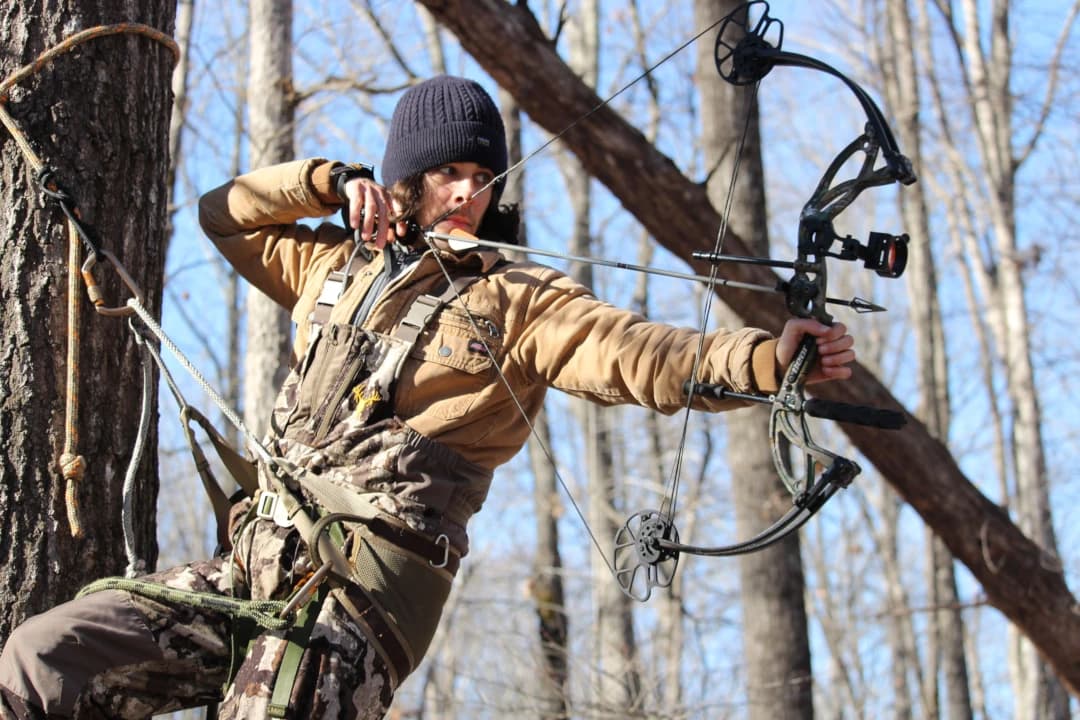
For the past four seasons, I’ve been using Hawk Helium Mini sticks. While they’re not the lightest option out there, they’re reliable workhorses that get the job done. I’d highly recommend them to anyone starting out. To make them even better, I replaced the stock straps with daisy chains from Custom Amsteel Products and added an aider to the bottom step, giving me a few extra feet of reach.
Speaking of Custom Amsteel, I also picked up my gear and bow hangers from them, and they’ve held up flawlessly over the years. As for platforms, this is another area where I’d suggest investing in quality. I went with Tethrd’s predator platform, and while it’s served me well, I suspect there are even better options available now. Whatever you choose, go for a large platform, regardless of your size. It makes a huge difference in comfort during long sits and helps you stay stable for those awkward shots.
In my first season, I was recovering from a broken back and still pretty weak from wearing a brace. To take some of the strain off, I invested in a back band, which made a noticeable difference in comfort. However, it wasn’t without its drawbacks. More than once, I had a deer approach from my non-dominant side, requiring me to move my bow to the other side of the tree. Since the back band connects to the tether, I had to lift it over the band, which caused way too much movement. I lost three good opportunities because of it. After that season, I ditched the back band and focused on strengthening my core instead, which made saddle hunting not only easier but also more enjoyable overall.
There are countless saddle-hunting accessories on the market today, and many of them are likely worth experimenting with—just maybe not on a tight college budget. My advice? Start with the basics, get some hunts under your belt, and then slowly upgrade your gear as you figure out what works best for you.
The Saddle Hunting Final Verdict
I absolutely love my saddle. It’s a blast to hunt out of, especially for someone like me who’s a little indecisive and loves to stay on the move. That said, it’s not a one-size-fits-all tool. There are plenty of situations where a hang-on stand might be the better option—like hunting private land and setting up near a big food source where deer could come from any direction.
One thing I can say about saddles is that they helped me get over my slight fear of heights, so I don’t think that should be a dealbreaker. However, you do need to be honest with yourself about how active and mobile you are. Saddle hunting requires you to maneuver your body into some awkward positions for certain shot opportunities. Being a smaller dude has been a big advantage for me in a saddle, but I know plenty of bigger hunters who do great with theirs, too. The key is staying active and flexible—it makes a big difference.
At the end of the day, for the way I like to hunt—on both private and public land—a saddle has been the best hunting tool I’ve ever bought. Its versatility and mobility blow climbers out of the water, and the ability to make use of the ugliest, most awkward trees really sets it apart from other setups. Saddles are also incredibly safe if you take the time to get familiar with your equipment and learn how to use it properly.
If you’re considering saddle hunting, my advice is to dive into the research and explore all the options out there. Don’t skimp on your lifeline—your saddle, tether, and ropes are non-negotiable when it comes to quality. Then, get out in the woods and practice. With time and effort, I believe almost anyone can be successful hunting from a saddle.
Written by
Cory Gurman
Cory Gurman is a land management technician at the Appalachian Conservation Institute in Tennessee. An avid hunter, fisherman, and amateur wild game chef, he enjoys writing about his experiences in a number of outdoor publications. Follow him on Instagram @cory.gurman.
Comments
No comments yet. Be the first to share your thoughts.
More in hunting
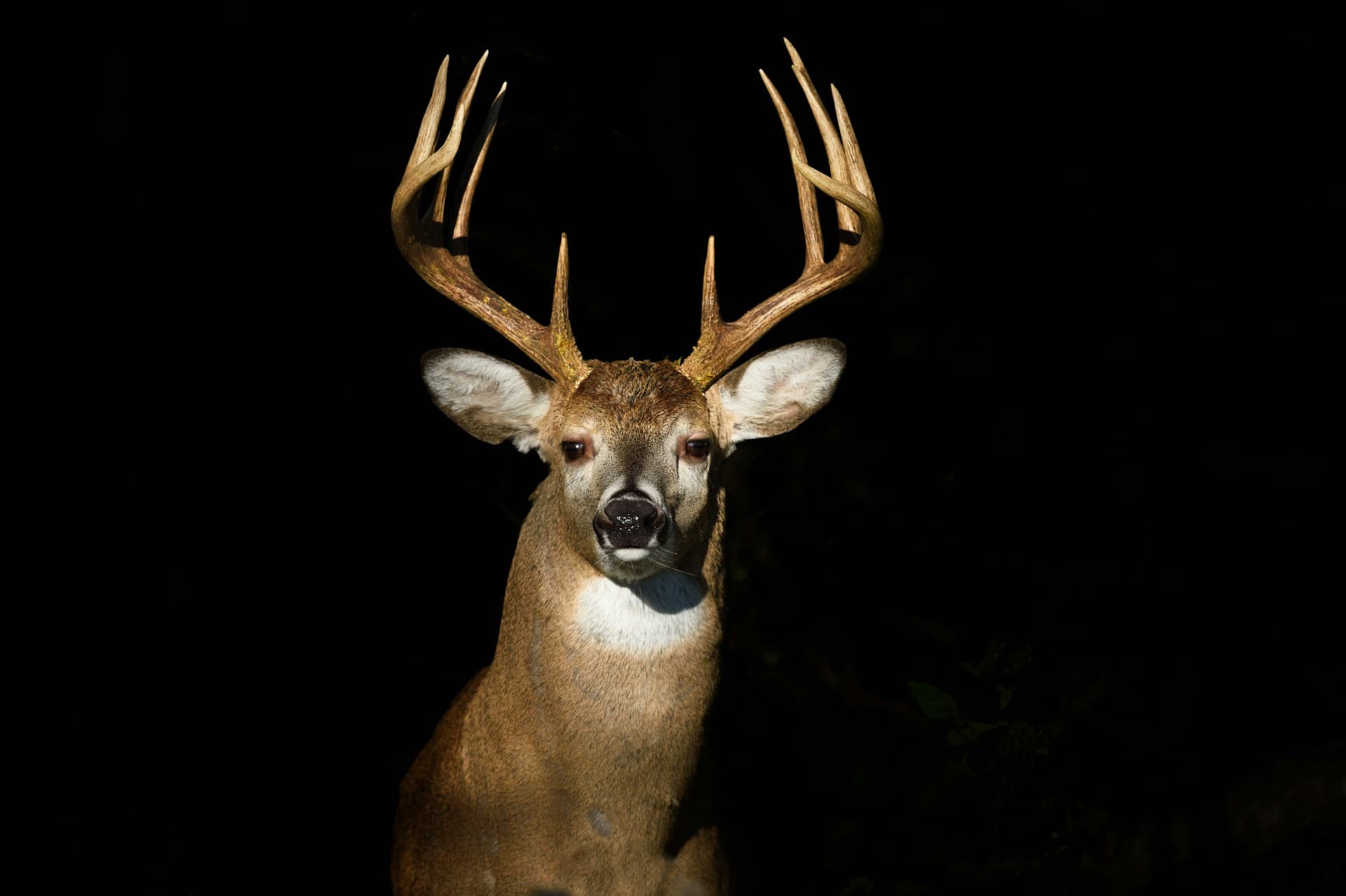
Pre-Rut Whitetail Guide: How to Hunt Bucks Right as They Go On Their Feet
A complete pre-rut whitetail guide covering scrape lines, rub lines, scent-checking behavior, rattling tactics, and how to adjust your setup as bucks shift off food and onto their feet in October.
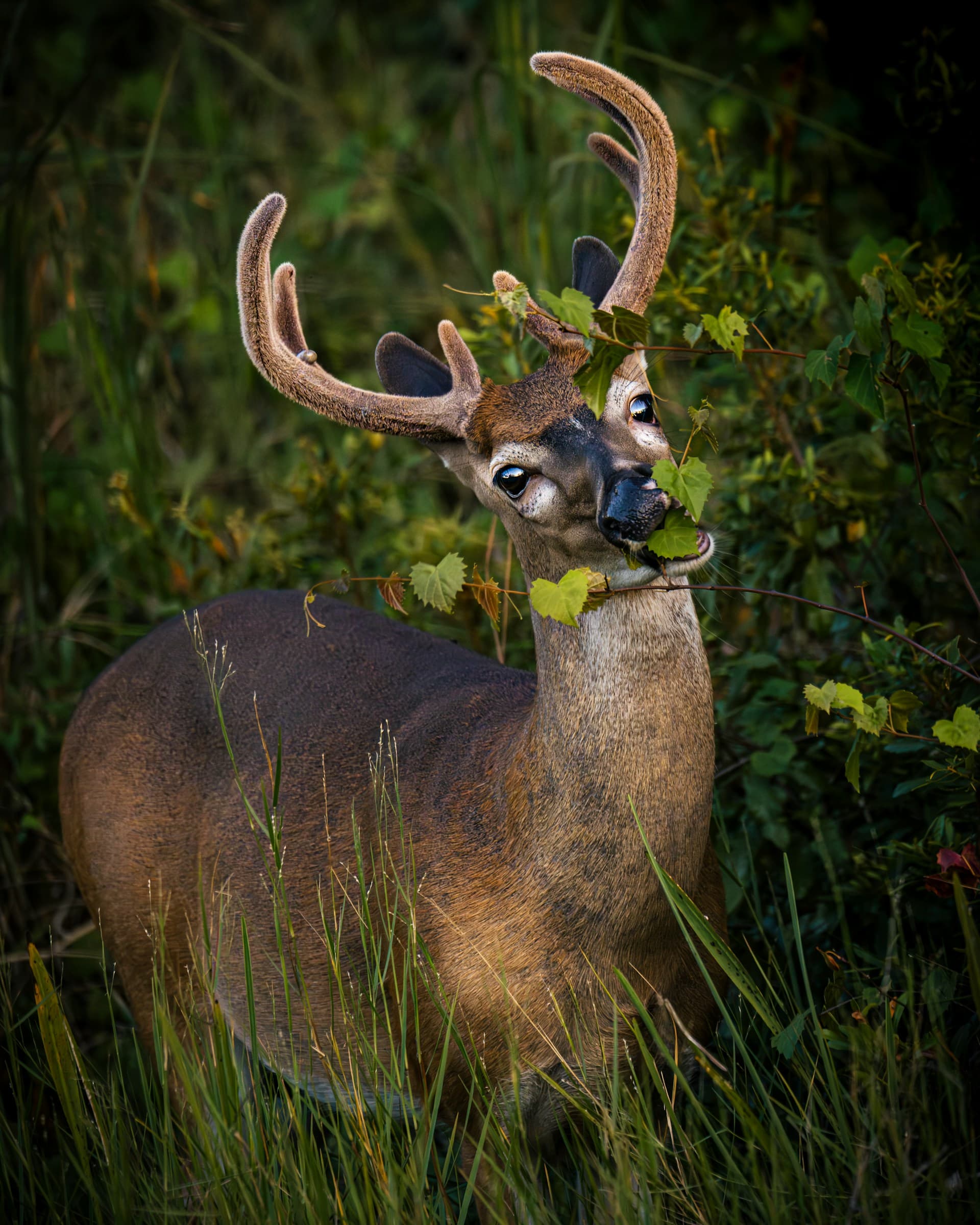
Early Season Whitetail Guide: What Deer Are Doing Right Now (And How to Cash In Before the Rut)
A complete early season whitetail guide covering deer behavior, food source patterns, buck sighting tactics, and the best time to harvest a doe before the rut kicks in.
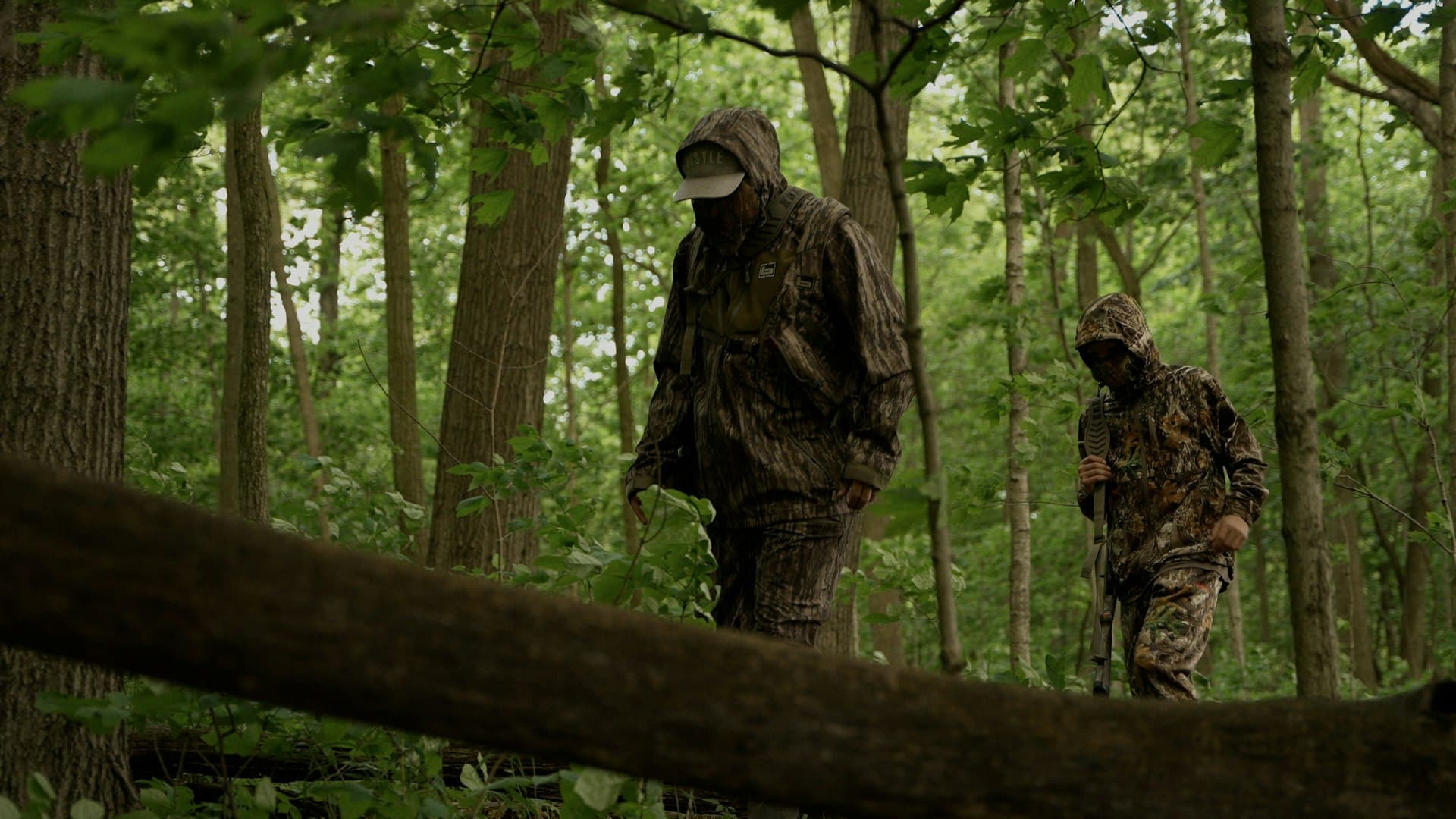
What to Look for When Walking Hunting Land for the First Time
On the first walk of hunting land, look past acreage. Judge food, water, cover, and neighboring properties the way deer actually use the landscape.
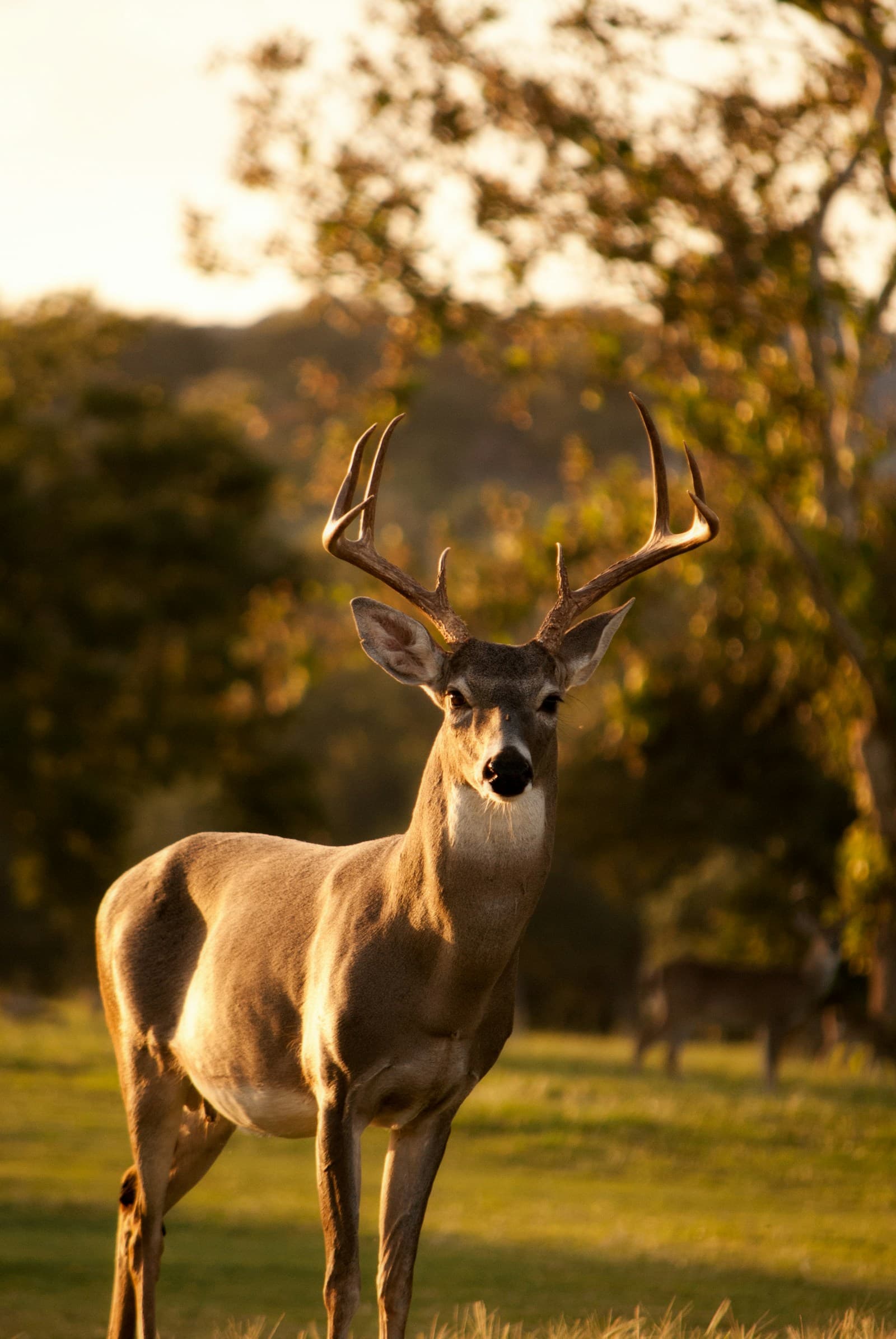
Best Trail Camera Deals This Week: Cellular Cameras, Feeders & Bows Worth Buying
This week's Academy Sports hot deals—cellular trail cameras, feeders, and archery gear worth buying, plus a few we'd skip.