
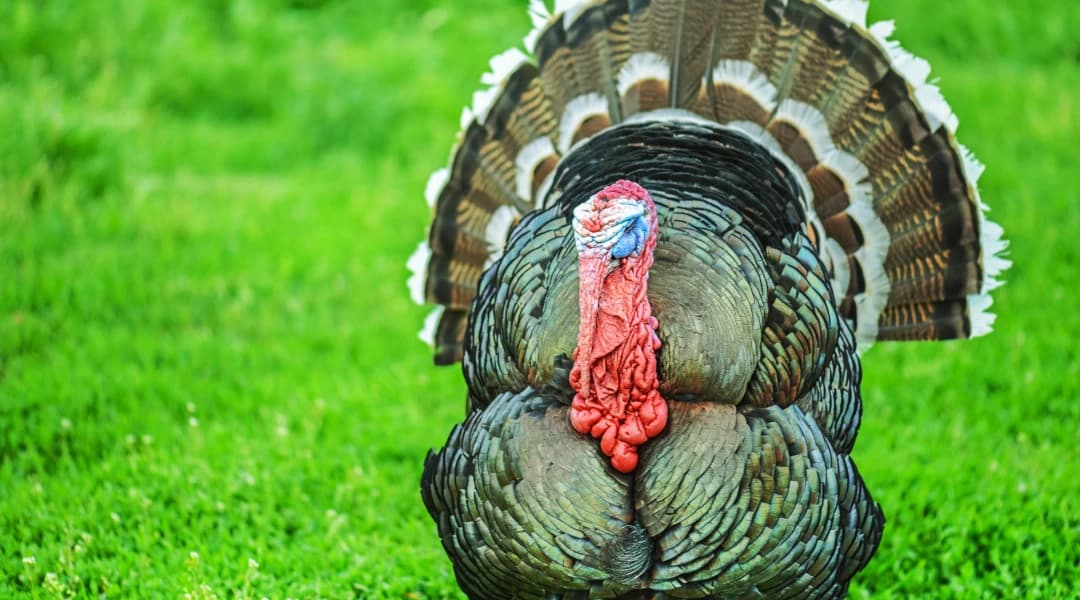
Spring turkey hunting in Idaho is both a tradition and a challenge. With over 50,000 wild turkeys spread across the state, hunters have ample opportunities to…
Scout Turkeys in Idaho
Spring turkey hunting in Idaho is both a tradition and a challenge. With over 50,000 wild turkeys spread across the state, hunters have ample opportunities to locate and pursue gobblers in diverse landscapes. However, success in the field starts well before opening day. Understanding turkey habits, scouting effectively, and identifying key areas will significantly improve your chances of harvesting a mature tom. This guide provides a comprehensive look at when and how to scout, the best locations to find birds, and how conservation efforts play a role in maintaining healthy turkey populations in Idaho.
When to Start Scouting Turkeys in Idaho
The timing of your scouting efforts plays a crucial role in turkey hunting success. Idaho's diverse terrain and fluctuating weather conditions mean that turkey movement and behavior can vary significantly from one area to another. Generally, scouting should begin two to four weeks before the season opens to ensure you have time to locate active areas and make necessary adjustments.
Early Season (March – Early April)
During the early season, turkeys begin transitioning from wintering grounds to breeding areas. Snow may still be present at higher elevations, limiting accessibility, but birds are often grouped in larger flocks. At this stage, gobblers are not always responsive to calls, but you can locate them by listening for soft yelping from hens and watching for large groups feeding in open meadows. The cooler temperatures can also make mid-day hunting more viable, as birds stay active longer.
Mid-Season (April – May)
This is the prime period for turkey scouting. As breeding intensifies, gobblers become more vocal and break away from winter flocks to search for receptive hens. Locator calls, such as owl hoots or crow calls, can be highly effective for pinpointing a roosted tom’s location. This is also the best time to set up trail cameras and pattern birds’ daily movements. During this time, you should also pay attention to strut zones—open areas where toms display for hens. These zones are often used consistently throughout the season.
Late Season (May – June)
By late May, most hens have started nesting, leaving toms roaming alone in search of companionship. While this can make them more willing to respond to calls, late-season birds are also more cautious due to hunting pressure. Strategic setups and soft, subtle calling can be the key to success. At this point, locating fresh sign, such as dusting areas and strut zones, will be more valuable than simply listening for gobbles. Late-season toms often travel alone and can be more responsive to decoys placed in natural-looking setups.
Techniques Scouting Turkeys in Idaho
Successful scouting requires a combination of observation, listening, and understanding turkey behavior. Here are some effective methods to locate birds before the season starts.
Locating Roosting Areas and Travel Routes
Turkeys prefer to roost in tall trees, often near water sources such as creeks, rivers, and ponds. In Idaho, cottonwoods in river valleys, ponderosa pines in rolling hills, and Douglas firs in higher elevations are all favored roosting spots.
The best way to find roost sites is to head out at dawn and dusk. Gobblers will often let out a few gobbles while still on the limb before flying down in the morning or settling in at night. Once you pinpoint their location, observe their morning movement to determine their daily travel routes. Turkeys tend to follow the same general travel patterns, often moving from their roosting sites to feeding areas and then strutting zones later in the morning.
Identifying Turkey Sign: Tracks, Droppings, and Feathers
Reading turkey sign can help confirm an area’s activity levels. Look for three-toed tracks in soft dirt, particularly along fence lines, logging roads, and near water sources. Droppings also provide useful clues—J-shaped droppings usually indicate a gobbler, while smaller, straight droppings belong to hens. Feathers, especially wing feathers found near roosting trees or strutting areas, suggest high turkey traffic. Another key sign is scratch marks in leaves or dirt, which indicate areas where turkeys have been feeding.
Using Trail Cameras and Locator Calls
Trail cameras can be a game-changer when scouting large areas. Set them up along ridges, food sources, and known roosting locations to track turkey movement over time. Additionally, locator calls such as crow, owl, or coyote calls can be used to trigger shock gobbles from toms, allowing you to determine their exact location without drawing them in prematurely.
For hunters looking to purchase a locator call, several reliable options are widely available at most sporting goods stores or Amazon:
- Primos Crow Call: This is one of the easiest-to-use crow calls on the market, providing a loud, sharp sound that often triggers a gobbler’s shock response.
- H.S. Strut Mega Hoot Owl Call: A great option for simulating the natural hoots of an owl, which is an effective way to locate turkeys in the early morning or late evening.
- Flextone Coyote Howler Call: This call produces a realistic coyote howl, which can startle gobblers into revealing their location, especially at dawn or dusk.
Each of these calls serves a specific purpose, and having more than one on hand allows you to adapt to different hunting scenarios.
Using OnX Hunt to Locate Public Land and Avoid Trespassing
Navigating Idaho’s mix of public and private lands can be challenging, and unintentional trespassing is a concern for many hunters. OnX Hunt is a powerful mapping tool that can make finding legal hunting spots much easier. The app provides detailed property boundary overlays, highlighting public land managed by the BLM, National Forest Service, and Idaho Fish and Game.
OnX Hunt also allows users to mark waypoints for roosting sites, feeding areas, and travel corridors, making it an invaluable tool for scouting. By using OnX, hunters can confidently plan their routes, ensuring they are within legal hunting areas and avoiding private land without permission. Additionally, the app provides topographic and satellite imagery, which can help in identifying strut zones and high-traffic feeding areas.
Final Thoughts on Spring Scouting for Turkeys in Idaho
This year, I have the privilege of taking my son on his first turkey hunt. Preparing for this experience has been just as exciting as the hunt itself. We've been dialing in our gear, making sure he has good camouflage, as blending in is one of the most important aspects of turkey hunting. We’ve spent time practicing both locator calls and turkey calls, ensuring he understands how and when to use them. I’ve also been teaching him how to identify the differences between a tom and a hen, using pictures and videos to help him judge beard length and other key features of mature gobblers. Additionally, I’m introducing him to OnX Hunt—not just for finding public land but as a tool to mark locations, create routes, and develop a solid game plan. The excitement in his eyes as we prepare reminds me why I fell in love with hunting in the first place.
Taking a youth hunter into the field is a great opportunity to pass on knowledge and create lasting memories. Patience is key, and teaching them to enjoy the process—from scouting to setting up the perfect shot—ensures that they develop a deep respect for the hunt. The future of turkey hunting lies in engaging young hunters, helping them appreciate conservation efforts, and instilling ethical hunting practices from the start.
For those looking for expert advice or help planning a successful hunt, feel free to reach out to me. With careful preparation, responsible hunting, and a deep respect for the land, Idaho turkey hunters can look forward to an exciting and productive 2025 season.
Some links and ads within this article contain an Amazon Affiliate links, which supports this website and writer.

Written by
Matt Myers
Guide and Hunting Consultant. Doublemoutdoors.com
Comments
No comments yet. Be the first to share your thoughts.
More in hunting
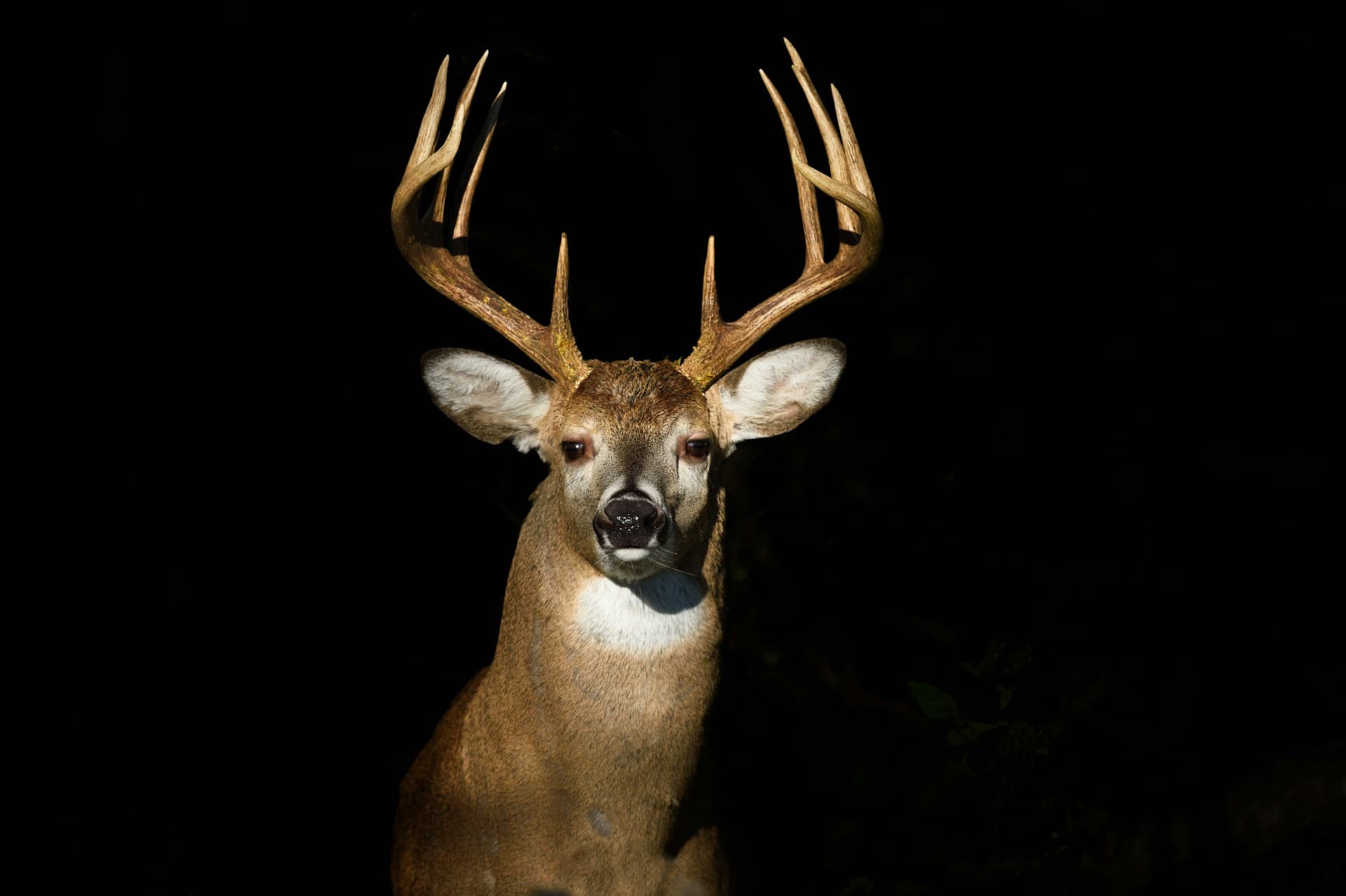
Pre-Rut Whitetail Guide: How to Hunt Bucks Right as They Go On Their Feet
A complete pre-rut whitetail guide covering scrape lines, rub lines, scent-checking behavior, rattling tactics, and how to adjust your setup as bucks shift off food and onto their feet in October.
Early Season Whitetail Guide: What Deer Are Doing Right Now (And How to Cash In Before the Rut)
A complete early season whitetail guide covering deer behavior, food source patterns, buck sighting tactics, and the best time to harvest a doe before the rut kicks in.
What to Look for When Walking Hunting Land for the First Time
On the first walk of hunting land, look past acreage. Judge food, water, cover, and neighboring properties the way deer actually use the landscape.
Best Trail Camera Deals This Week: Cellular Cameras, Feeders & Bows Worth Buying
This week's Academy Sports hot deals—cellular trail cameras, feeders, and archery gear worth buying, plus a few we'd skip.