
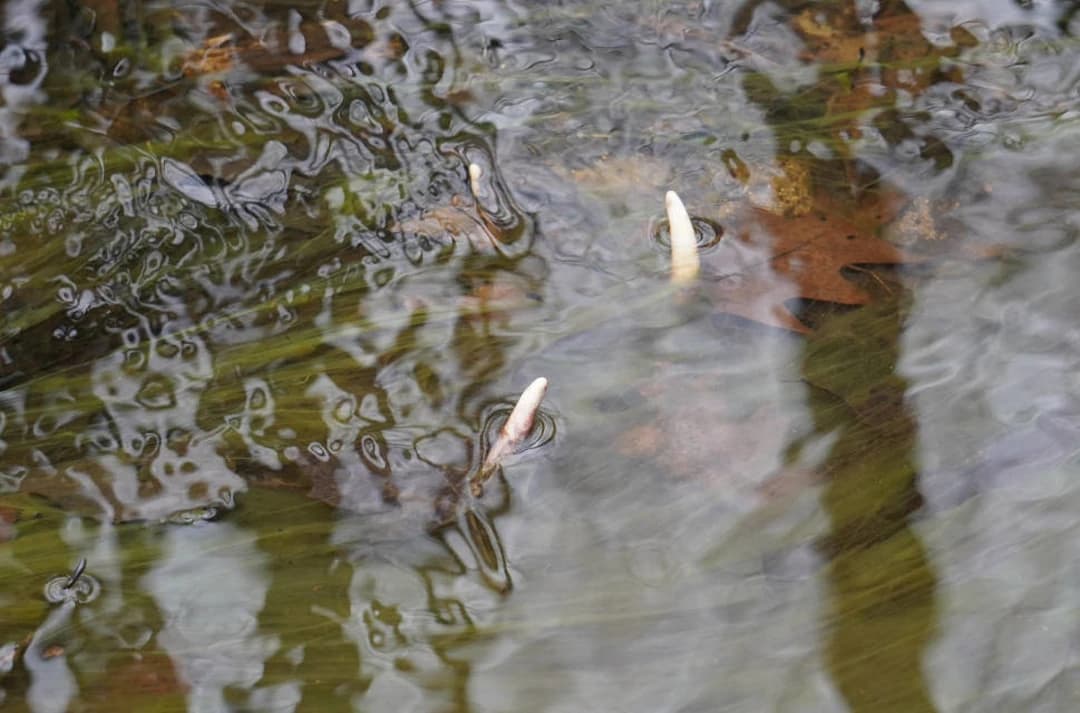
The antler would have been invisible without the inch of the brow and G-2 tines sticking out of the water. Obscured under a heavy layer of mud, leaves, and…
Shed Hunting
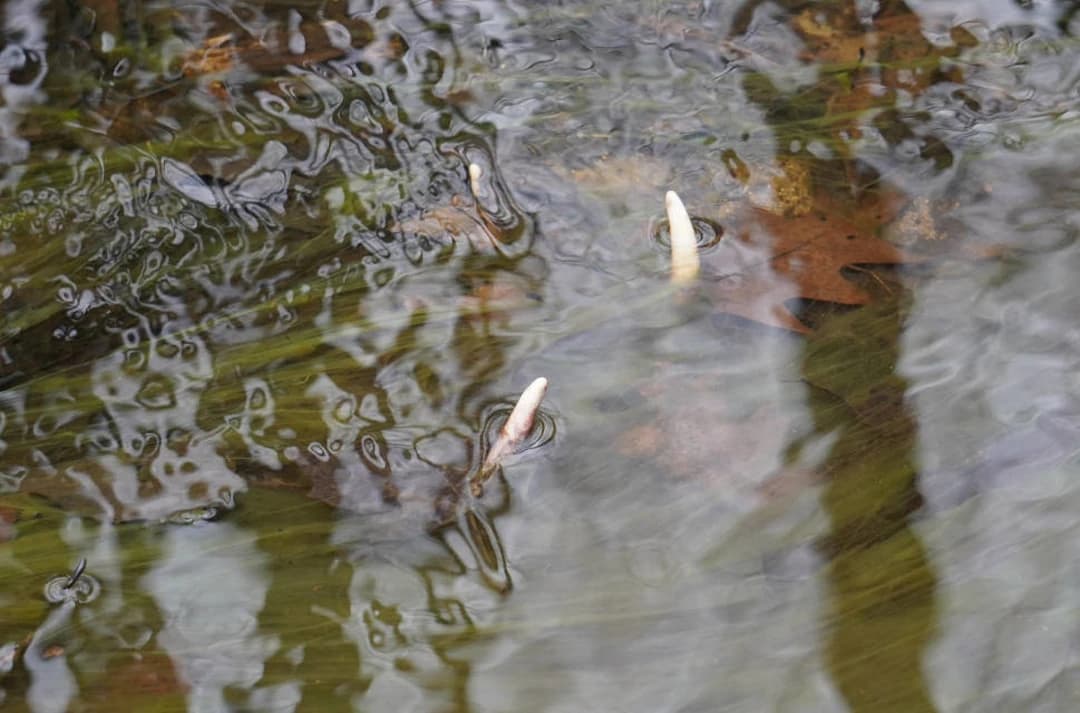
The antler would have been invisible without the inch of the brow and G-2 tines sticking out of the water. Obscured under a heavy layer of mud, leaves, and underwater grasses, I was shocked I even spotted the antler. It was April, and I had just about given up for the day when I decided to expand my hike.
The 4-point shed lay in a shallow pool of standing water only about 40 yards in front of my ladder stand. After taking photos of the antler as I found it, I used a long stick to retrieve it. I had to use a stick since I wasn’t wearing waterproof boots. After admiring the antler momentarily, I noticed the match was sitting in the puddle only ten feet away!
I like to tell this story because it signifies the difficulties of shed hunting. It’s little wonder that many hunters try it once and immediately give up. That’s where I’m here to help, with nearly 30 years of shed hunting experience.
Spotting Antlers is a Learned Skill
Some people are naturals at shed hunting. However, in my experience, those people are in the minority. Most of us, including myself, have likely stumbled through the woods for hours only to come up empty-handed. If I only had a dollar for every hunter I’ve ever talked to who said: “I can’t ever find anything!” There’s a reason for that: spotting antlers will be a learned skill for most people. It makes perfect sense. After all, hunting any animal is a real challenge. Why should finding their dropped antlers be any different?
I didn’t consistently find antlers until my eyes were properly trained to spot them. This task is easier said than done. The best way I’ve found to do this is to follow shed hunting Instagram pages, YouTube channels, and Facebook groups. Preferably, these social accounts should document antlers before they are picked up. Study these photos and videos carefully. It’s even better when they highlight antlers in varied lighting conditions and terrain.
Another way to train your eyes is to go into the field and blindly toss an antler over your shoulder. Then, turn around and see how long it takes to spot it again. Just be careful using this method. It took me half an hour to re-find an antler in a flat, empty field once! That was a humbling reminder of how well antlers blend into the background.
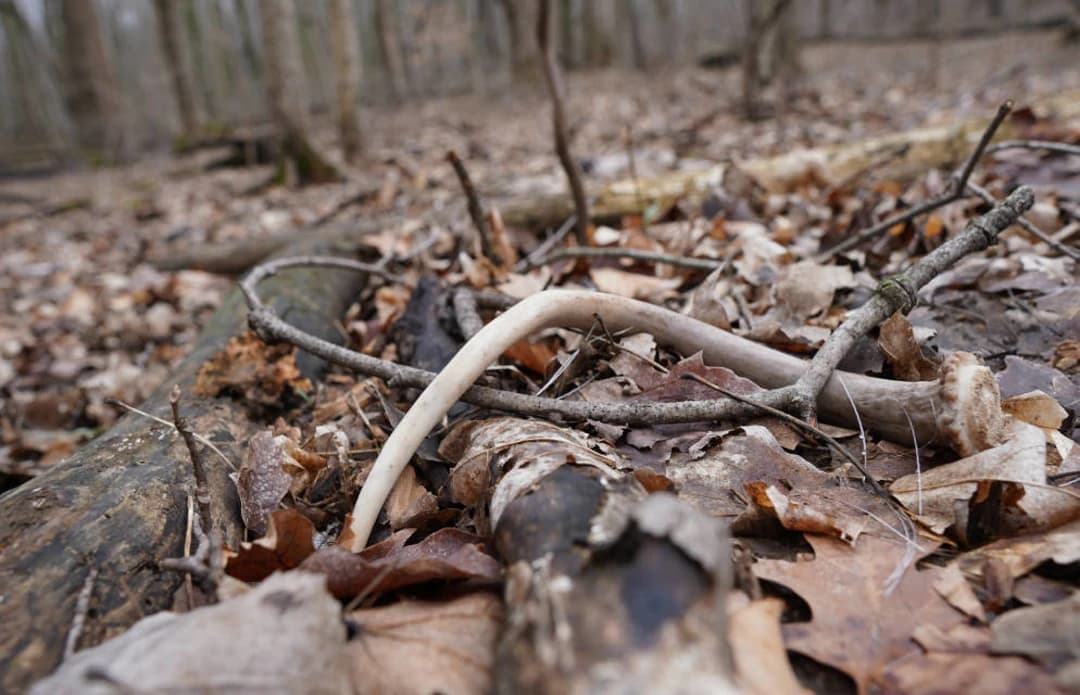
The reason many hunters miss antlers is simply because they look like everything else on the forest floor. Fresh ones can be notoriously difficult to spot without a lot of practice. In my experience, it’s sometimes easier to look for bones. Any bones. The woods are littered with victims of the food chain. You're on the right track if you spot tiny bird and raccoon bones in your hunting area.
Where to Search For Antlers
The answer to this question will vary depending on your hunting area. Where antlers are found in the Midwest won’t necessarily be the same for the West Coast. I find about 70 percent of my antlers in winter feeding areas here in Michigan. The remaining 30 percent seems equally distributed between key travel routes to these sources and bedding areas. I am cautious about searching bedding areas simply because I dislike pushing deer out of these areas.
I’ve had success on south-facing slopes that get a lot of sunlight on cold days. One area I always see people recommend is fence and creek crossings. The thinking is that jumping over a fence can jar a buck’s antlers loose. However, I have still not found one at one of these crossings in all my years of hunting. I have some I check every year. Make of that what you will. In truth, finding the best place to find sheds requires some homework. Glassing wintering deer or utilizing trail cameras is the best way to see where they congregate. Remember, a deer’s wintering area may drastically differ from where they were in the fall.
I always tell people to think outside the box while shed hunting. My biggest antler find, a 64-inch 4-point side with tremendous mass, is a prime example. I found that antler behind a movie theater in a tiny urban bedding area. A major road was less than 50 yards away, and a popular hiking trail was on the other side. The antler was sitting in a lower area out of the wind, providing a good viewpoint of the hiking trail. Since this urban area doesn’t allow hunting, the buck knew he was safe there. Bigger bucks will find unique places to hide in the late winter months, making their antlers hard to find.
When to Search For Antlers
Contrary to popular belief, there is no one time when all the buck’s antlers will pop off. I’ve gotten trail camera photos of bucks packing both sides in mid-April. Each buck is different, and when they drop, it usually depends on their health, age, and the severity of the winter. Some of my best shed hunting years have come after harsh winters that limited and isolated deer activity. Run trail cameras late into late winter to determine when the drop is happening.
While I have found antlers in January before, I use caution with January and February hunts. Pushing a buck out of your hunting area before it drops is possible. If you know a buck is wintering in a specific spot, it’s usually best to leave it alone. My exception to this rule is if I know other shed hunters will hit it.
Here in southwest Michigan, I usually start my search in late February and early March. I do dedicated shed hunting until new greenery obscures the ground. However, I never stop looking for shed antlers while participating in other outdoor activities. For instance, I once found a big 7-point matched set on a riverbank while kayaking in July. Another time in June, I found a small fork while checking my trail camera. I’ve found two antlers in September. My second September find was notable since I found it in an unlikely spot: ten feet into the woods off a rocky Lake Michigan beach. I was on vacation in Michigan’s Upper Peninsula at the time.
Weather Conditions
The biggest mistake I see hunters make in shed hunting is waiting for a beautiful, sunny spring day. While that kind of day makes for pleasant hiking, it hurts antler-finding chances. The sunlight creates harsh shadows that can hide antlers in the grass. Even worse, light reflecting off light brown grasses and leaf litter can make a snow-blind effect. Finding antlers in these conditions is possible but much more challenging. I get excited for gray, overcast days in late February and early March. This results in natural diffused light from the sun, making picking out fine details in leaf litter easier.
Watching weather forecasts and being strategic about the days I went immediately impacted my shed hunting success. Picking an overcast day to search will also lessen your eye strain.
How to Search
When I learned to slow down, I started finding more sheds. Many hunters walk too fast or use vehicles to search. I have found only one antler while I was driving. If you think you are walking too slow, you’re probably still walking too fast. I also started seeing more success when I searched an area more than once. Grid searching is highly effective when one dedicates themselves to the task. Case in point: I once found a shed on my second pass of a field. My first pass came within feet of the antler. However, the lighting wasn’t ideal on my first pass. The antler didn’t pop into my field of view until I got a different angle on it.
Most experienced shed hunters will agree that success comes to hunters who burn the most boot leather. However, I will also argue that sometimes it’s more effective to search one area hard than to put in miles in a day. It largely depends on how concentrated the deer are during the winter months.
Wherever I’m searching for sheds, I’m very deliberate. I try to keep my eyes focused no more than 10 to 15 feet before me. Lifting your head and searching further occasionally is okay, but don’t make that a habit. It’s an easy way to miss smaller antlers at your feet. That leads me to my last hint on searching. Look and think small. Everyone wants to find a huge, sun-bleached five-point side. However, looking for that is a good way to find nothing. In my experience, looking for a single tine or the curvature of a main beam is much more effective. The big ones will come in time if you can find small antlers.

Written by
Travis Smola
Travis Smola grew up hunting and fishing in rural southwest Michigan. He started writing in traditional newsprint journalism before deciding outdoor topics were more fun. Travis has interviewed famous outdoor figures like Remi Warren, Bill Dance, and Kevin VanDam. Over the last decade, he's shared boats and blinds with dozens of pro anglers, hunters, and outdoor influencers. When he isn't hunting or fishing, he's probably out geocaching or camping in his homemade van conversion. He has a strong desire to try homesteading and farming in the future. His bylines have appeared in Field & Stream, Outdoor Life, Great Days Outdoors, Knife Informer, Gear Junkie, and Wide Open Spaces.
Comments
No comments yet. Be the first to share your thoughts.
More in hunting
Pre-Rut Whitetail Guide: How to Hunt Bucks Right as They Go On Their Feet
A complete pre-rut whitetail guide covering scrape lines, rub lines, scent-checking behavior, rattling tactics, and how to adjust your setup as bucks shift off food and onto their feet in October.
Early Season Whitetail Guide: What Deer Are Doing Right Now (And How to Cash In Before the Rut)
A complete early season whitetail guide covering deer behavior, food source patterns, buck sighting tactics, and the best time to harvest a doe before the rut kicks in.
What to Look for When Walking Hunting Land for the First Time
On the first walk of hunting land, look past acreage. Judge food, water, cover, and neighboring properties the way deer actually use the landscape.
Best Trail Camera Deals This Week: Cellular Cameras, Feeders & Bows Worth Buying
This week's Academy Sports hot deals—cellular trail cameras, feeders, and archery gear worth buying, plus a few we'd skip.