
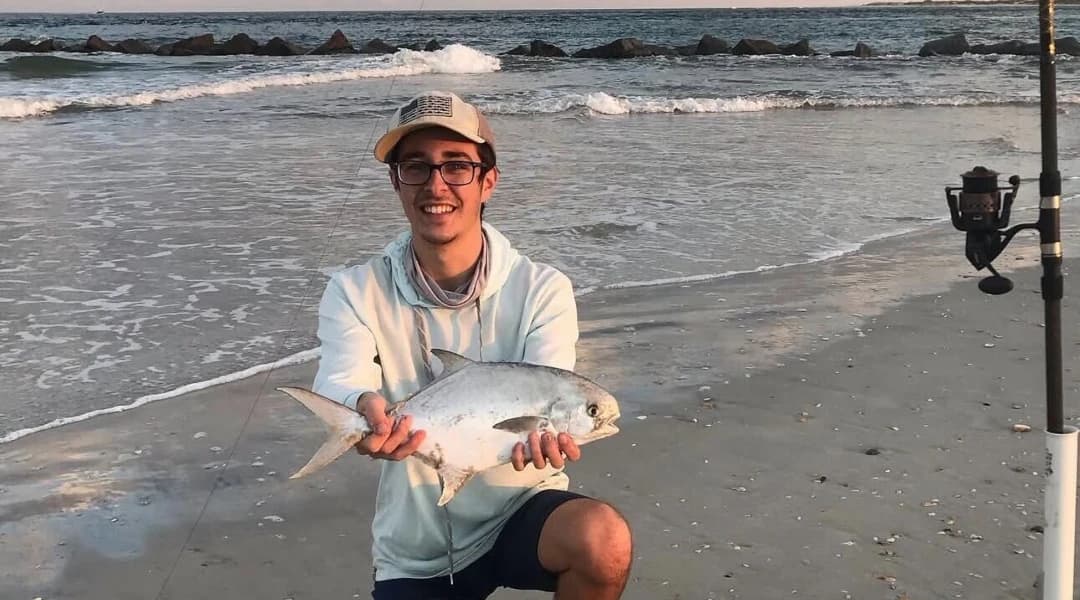
My earliest memories of growing up in Florida are all tied to the outdoors with my dad. Whether we were fishing for bass in neighborhood ponds after school or…
Early Years and Growing up in The Outdoors
My earliest memories of growing up in Florida are all tied to the outdoors with my dad. Whether we were fishing for bass in neighborhood ponds after school or wandering through the swampy Florida palmetto forests, searching for golf balls, snakes, birds, or whatever else could occupy the attention of a 6-year-old, the natural world was my playground. A few years later, my first hunting trip took me to a family friend’s farm in North Carolina. It was everything you’d imagine from a classic deer camp—good food, great stories, and Southern hospitality.
Looking back, I now realize how fortunate I was to grow up in a hunting and fishing household, though, at the time, I took it for granted. It wasn’t long before I learned that my lifestyle was considered taboo by much of society. This led to a somewhat isolating high school experience, but I didn’t mind much. I embraced the “black sheep” role, spending most of my time in the woods with my good friend, Ryan. My deep love for hunting was only intensified during the COVID lockdowns. With the world in chaos, I found solace in the solitude of a tree stand, where I could disconnect and maintain some sense of mental peace. But as the lockdowns began to lift, it was time to think about the future—how could I continue my education while feeding my obsession with the outdoors?
Off to College – My Home on the Plateau
Then came the college search process—a time in every high school student’s life that is at once terrifying, stressful, and full of excitement. My experience was no different. I had planned to stay in Florida, pursue a business degree, and enjoy weekends as a "weekend warrior" fisherman and woodsman. But I wasn’t particularly enthusiastic about any specific school. That changed when I stumbled upon Sewanee: The University of the South. A search for “small universities” led me to this Hogwarts-like campus, which I’d never heard of before. I had forgotten I’d even applied, so when I received my acceptance email, it caught me by surprise. Still, my mom insisted we visit FSU first to see if I liked the “big school” vibe. It didn’t take long to realize it wasn’t the place for me. A concrete jungle was not where I wanted to spend the next four years. When I first entered the gates of Sewanee, I immediately knew it was something special. Nestled on 13,000 acres of Tennessee’s South Cumberland Plateau, the campus would become my backyard, my classroom, and my home for the next four years.
Attending such a beautiful school and receiving a great education would have been enough on its own, but when I learned that Sewanee had a deer hunting program, I thought I had died and gone to heaven. Thousands of acres of prime Tennessee woods were at my disposal, and I dove in headfirst. During my first semester, I spent countless hours exploring the land, following deer trails through briars and blackberry thickets to learn their patterns. I was lucky to connect with Sandy Gilliam, the Domain Ranger, who grew up in Sewanee and knew the woods like the back of his hand. Throughout that season, I encountered plenty of deer—and made plenty of mistakes—something I’ve come to embrace as part of the learning process.
That season was also full of firsts for me, including harvesting my first deer with a bow—a small doe that I was incredibly proud of. Though I practically lived in the woods, I also met some great people. Many of them shared my passion for the outdoors, but they didn’t come from hunting backgrounds, so they were curious about my way of life. After my first archery harvest, I invited some friends to help me process the doe—something I had learned to do and now take pride in. I warned them it might not be the most glamorous part of the hunting process, but one that is incredibly rewarding. To my surprise, they were not only attentive but also fascinated. After we had skinned the deer and I began to cut the backstraps, one friend asked if they could give it a try. In that moment, I understood the primal allure of procuring your own food—a concept largely absent today, especially among my generation.
Sewanee Shooting Sports – A Passion Project
This experience, along with conversations I had with other peers, sparked an idea: why not try to change the narrative around hunting? That’s when I created Sewanee Shooting Sports, a club designed to be an inclusive space for students to explore various shooting sports, with an emphasis on hunting mentorship. While target shooting was important, my main goal was to engage students who were interested in hunting.
Sewanee's student body is as diverse as it is fascinating. Although my peers come from a wide range of cultural and socioeconomic backgrounds, the motivations behind their interest in shooting sports and hunting are often similar. A desire to source protein that isn’t loaded with antibiotics or born out of factory farming is a common theme. Many students also recognize hunting as a powerful tool for wildlife conservation. I’ve been pleasantly surprised by how open students are to trying venison harvested on campus. While some adults might be skeptical about eating meat not vetted by the USDA, students are generally curious and eager to try it, seeing it as a connection to something real and natural.
Building a program that promotes safe shooting practices hasn’t been as easy as I expected, however. While many organizations claim to offer resources for aspiring hunters, bureaucratic red tape often hinders their ability to reach eager students—like those at Sewanee. Creative problem-solving, along with a lot of persistence, has helped me and my advisors overcome these barriers. We've developed valuable relationships with the Tennessee Wildlife Federation (TWF) and the Tennessee Wildlife Resources Agency (TWRA), who have been incredibly supportive of our efforts. Recently, TWF leased about 350 acres of Sewanee’s land to establish their Hunting and Fishing Academy, an initiative that we plan to be heavily involved with in the coming years. Additionally, TWRA has helped us by training faculty and students as Basic Archery Instructors through the NASP program and by providing new archery equipment for our students.
As I reflect on my college journey so far, it’s become clear to me how this generation is increasingly focused on conservation and sustainability. We want to ensure that our natural environment remains intact for future generations to enjoy. By understanding why so many students are drawn to hunting, we can foster more meaningful conversations that expand the hunting community to include people who may not have traditionally been exposed to it. The future of conservation is in our hands, and hunting will play a key role in achieving our goals.
Written by
Cory Gurman
Cory Gurman is a land management technician at the Appalachian Conservation Institute in Tennessee. An avid hunter, fisherman, and amateur wild game chef, he enjoys writing about his experiences in a number of outdoor publications. Follow him on Instagram @cory.gurman.
Comments
No comments yet. Be the first to share your thoughts.
More in hunting
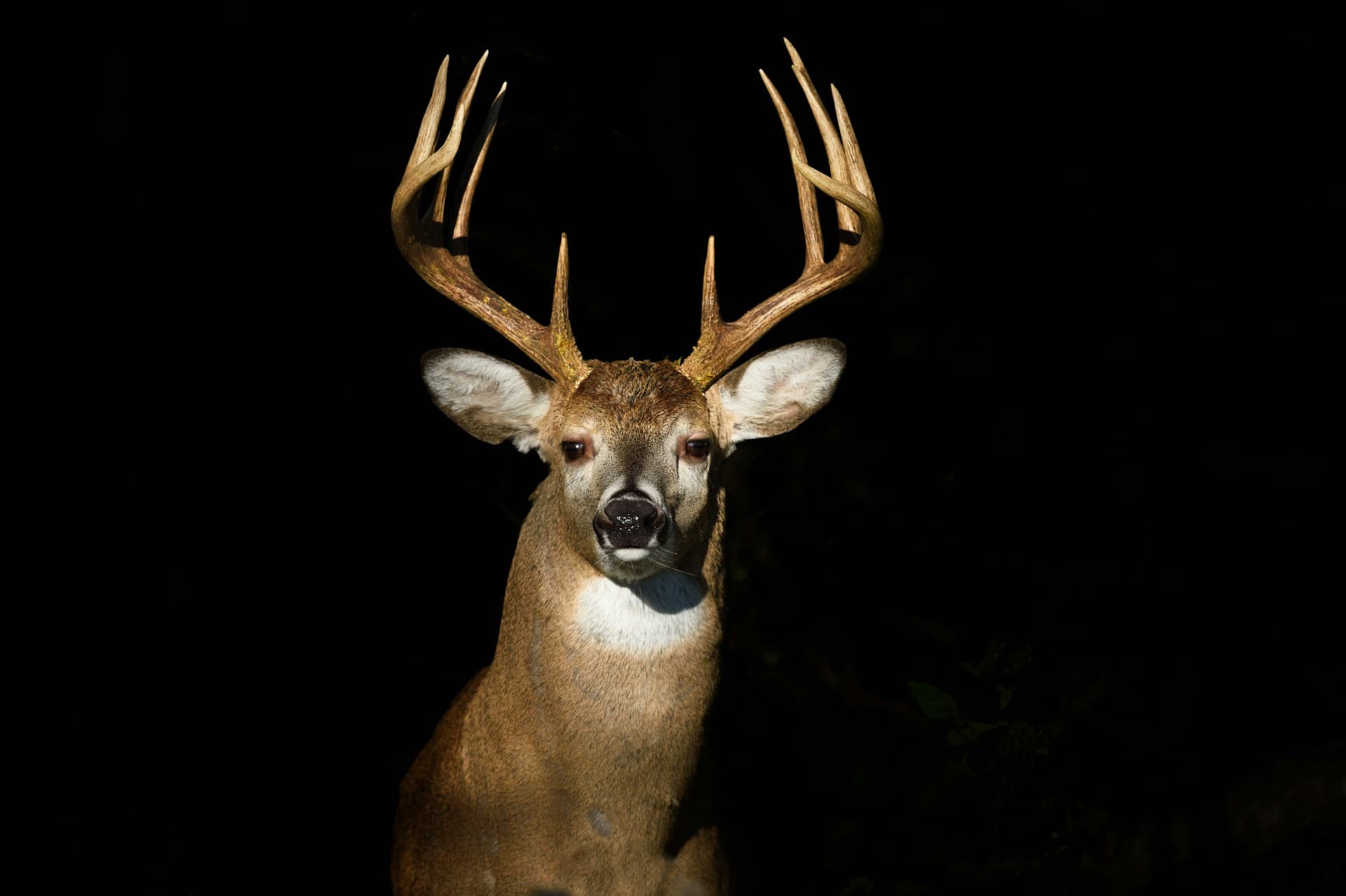
Pre-Rut Whitetail Guide: How to Hunt Bucks Right as They Go On Their Feet
A complete pre-rut whitetail guide covering scrape lines, rub lines, scent-checking behavior, rattling tactics, and how to adjust your setup as bucks shift off food and onto their feet in October.
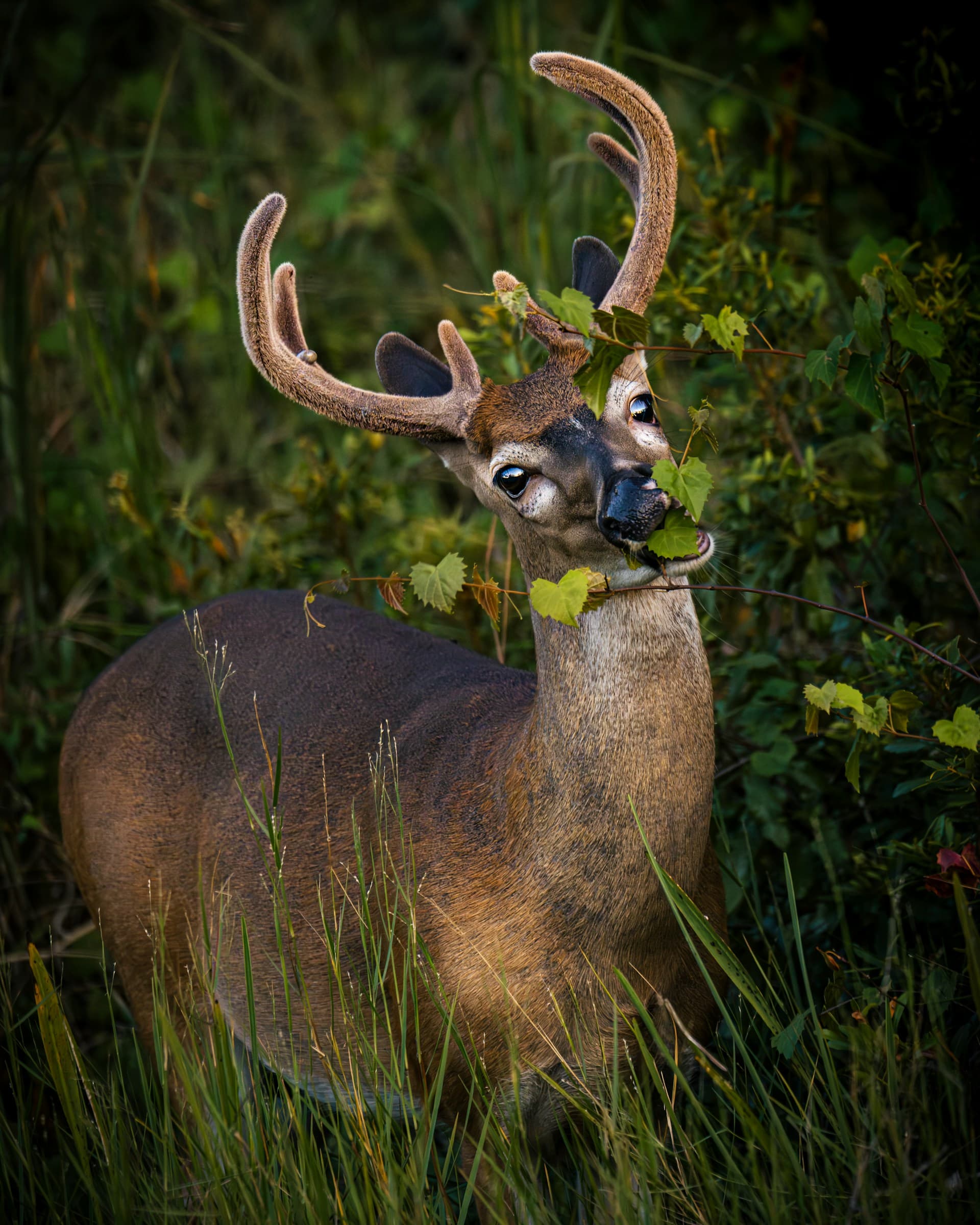
Early Season Whitetail Guide: What Deer Are Doing Right Now (And How to Cash In Before the Rut)
A complete early season whitetail guide covering deer behavior, food source patterns, buck sighting tactics, and the best time to harvest a doe before the rut kicks in.
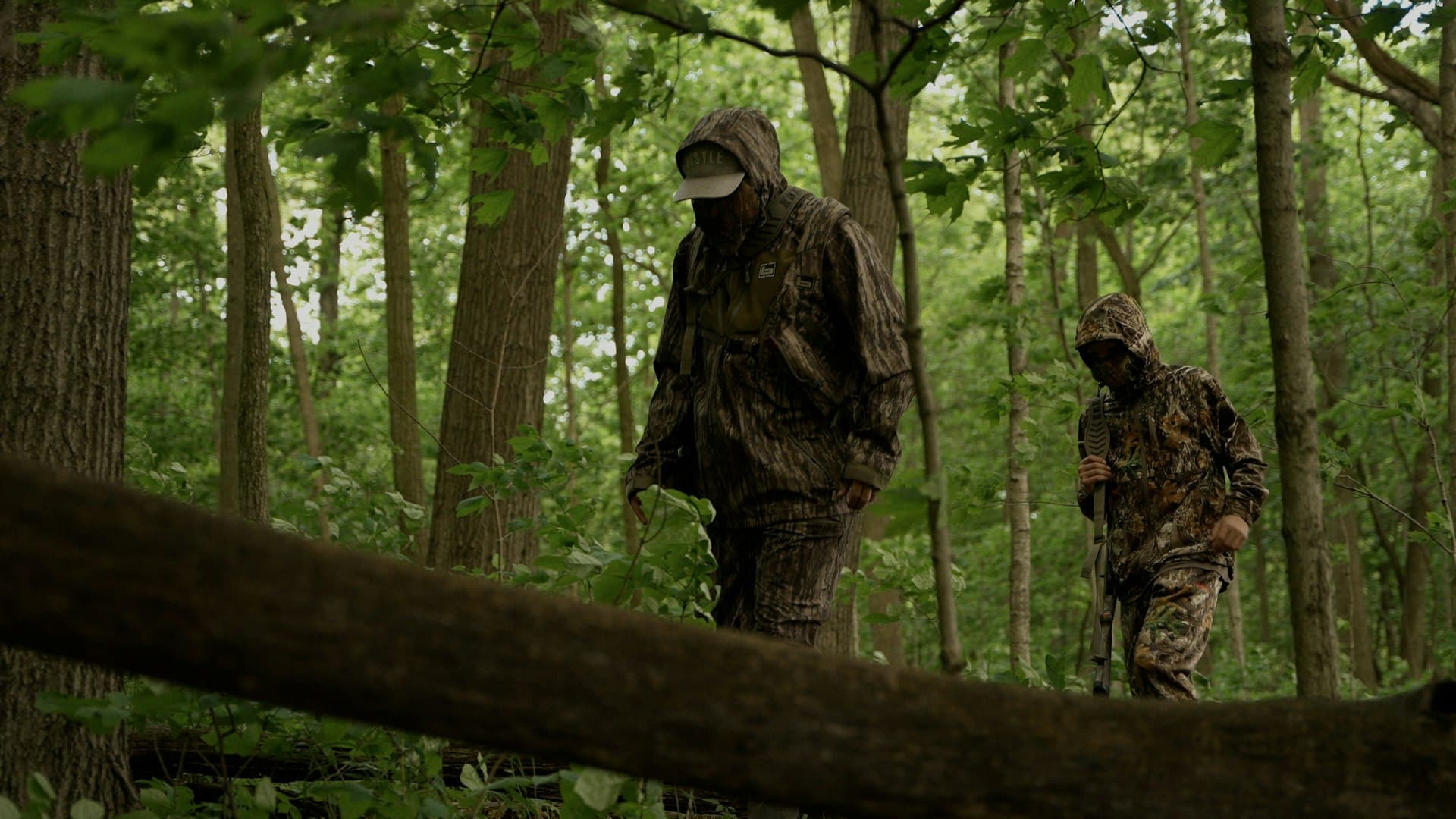
What to Look for When Walking Hunting Land for the First Time
On the first walk of hunting land, look past acreage. Judge food, water, cover, and neighboring properties the way deer actually use the landscape.
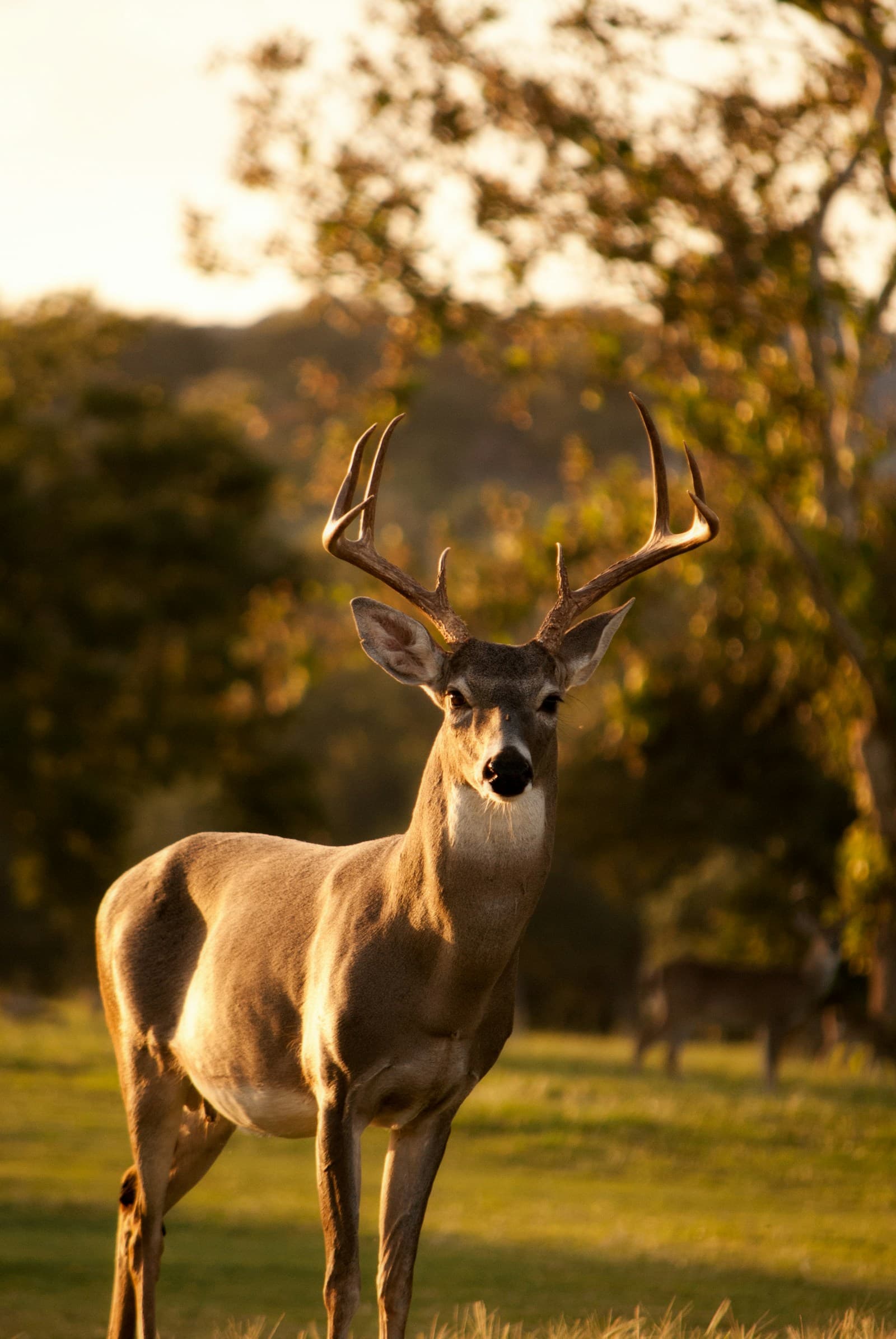
Best Trail Camera Deals This Week: Cellular Cameras, Feeders & Bows Worth Buying
This week's Academy Sports hot deals—cellular trail cameras, feeders, and archery gear worth buying, plus a few we'd skip.