
How To Prevent Ticks This Summer: Essential Tips | The Inside Spread
July 15, 2025
A few summers ago, I was pushing through thick briars, scouting a new spot for early deer season with a buddy. After a few hours of bushwhacking, we decided to head out and did a quick tick check. Everything looked fine—until I noticed my friend’s khakis had turned from beige to a strange brown. On closer inspection, they were covered in thousands of seed ticks. He stripped them off immediately, and we sprinted back to the car.
Thinking I’d dodged the bullet, I skipped a proper check. Big mistake. That evening, my ankles started to itch—then my legs. Back in my room, I stripped down and found hundreds of ticks buried from my feet up to my waist.
The next few days were brutal. I used a grill brush to scrape them off, but the bites swelled and the itching was relentless. I barely slept for a week. Even now, I get phantom itches anytime I’m in the woods.
That experience didn’t keep me out of the brush—but it sure taught me to never skip a tick check again.
What Are Ticks?
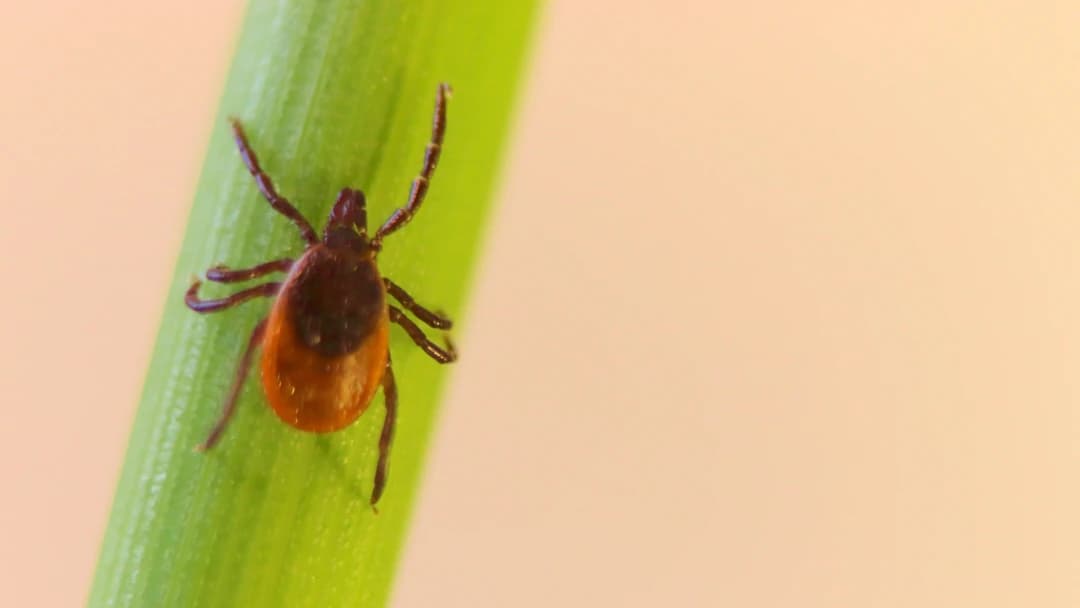
You’ve probably heard of ticks and most likely have come across them, either attached to you or your dog after walking through tall grass or bushes in the summer. These flightless parasites are arachnids – related to spiders, mites, and scorpions. They make a living by attaching to a host and eating their blood. As you could imagine, this can lead to some really nasty transmittable diseases that humans are certainly not immune to.
Guide to Common Ticks & the Diseases They Spread
1. Black-legged Tick (Deer Tick) – Ixodes scapularis
*Eastern & Midwestern U.S. *Diseases:
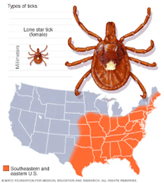
- Lone Star Tick – Amblyomma americanum
*Southern & Eastern U.S. *Diseases:
- Ehrlichiosis (* chaffeensis, E. ewingii*)
- Heartland virus
- Bourbon virus
- STARI (Southern tick-associated rash illness)
- Tularemia * Can cause Alpha-gal syndrome (red meat allergy)
- American Dog Tick – ***Dermacentor variabilis
East of the Rockies & parts of Pacific Coast Diseases:
- Western Black-legged Tick – Ixodes pacificus
East of the Rockies & parts of Pacific Coast Diseases:
- Rocky Mountain Wood Tick – Dermacentor andersoni
Rocky Mountain states & SW Canada Diseases:
- Brown Dog Tick – Rhipicephalus sanguineus
Nationwide & worldwide Disease:
- Gulf Coast Tick – Amblyomma maculatum
Atlantic & Gulf Coasts Disease:
- Asian Longhorned Tick – Haemaphysalis longicornis
Since 2017: spreading across U.S. Potential to spread:
**9. Soft Ticks – *e.g., Ornithodoros hermsi
High altitudes, Western U.S. Disease:
- Tick-borne relapsing fever (Borrelia bacteria)*Often bite at night in rodent-infested shelters
What is Alpha-gal syndrome?
Alpha-gal syndrome is a serious allergic reaction to red meat (beef, pork, lamb) caused by the Lone Star tick's bite. The tick's saliva contains a sugar molecule called alpha-gal, which can trigger your immune system to develop antibodies against it. Since red meat also contains alpha-gal, eating it can cause delayed allergic reactions 3-6 hours later—including hives, digestive issues, difficulty breathing, and even life-threatening anaphylaxis. The allergy can be permanent, though some people recover after avoiding red meat for years.
I know a lot of folks that would consider a red meat allergy worse than death. I now know 9 people that have Alpha-gal syndrome and I just hope and pray that I can stay away from it.
6 Tips for Preventing Tick Bites
1. Wear Light Colored Clothes
Wearing light colored clothes helps to spot ticks better once they get on you. Make sure to look closely during your tick checks – some of them can be smaller than the point of a pin!
2. Keep a Tick-Free Space Around Your Home
Knowing where ticks live can help you to create less-than-hospitable habitat for them. Tall grasses and dense brush are hot spots. Try to keep a barrier between where you spend a lot of your time outdoors and these areas. Also consider putting up a deer fence around your gardens to keep the ticks preferred host from getting into the areas you work in.
3. Tuck Your Pants Into Your Socks
I know it looks ridiculous—trust me, I've gotten plenty of looks on the trail. But this simple trick creates a barrier that forces ticks to crawl up the outside of your clothing where you can spot them easier. They can't just march straight up your leg and disappear under your pants. I've watched ticks crawl around my socks for minutes trying to find a way in, giving me plenty of time to flick them off.
4.Use Repellent (And Use It Right)
DEET works, but permethrin is your secret weapon. Treat your clothes with permethrin before heading out—it'll kill ticks on contact and last through multiple washes. I spray my hunting clothes at the beginning of each season and haven't had a serious tick problem since. For exposed skin, stick with 20-30% DEET. Don't go overboard—more isn't always better, and you don't want to be dealing with skin irritation on top of worrying about ticks.
5. Do Thorough Tick Checks
This is where most people mess up. A quick glance in the mirror isn't enough. Get someone to help you check your back, or use a hand mirror. Pay special attention to warm, hidden spots: behind your ears, in your armpits, around your waistline, behind your knees, and between your toes. Ticks love these areas because they're protected and have good blood flow.I do my first check as soon as I get back to the truck, then another one when I get home, and a final one before bed. It might seem excessive, but after my seed tick nightmare, I'd rather spend five minutes checking than five days scratching.
6. What to Do If You Find a Tick
Don't panic, but don't wait either. The sooner you remove it, the better your chances of avoiding disease transmission. Use fine-tipped tweezers to grab the tick as close to your skin as possible, then pull straight up with steady pressure. Don't twist or jerk—you might leave the head buried in your skin.
Clean the bite area with alcohol or soap and water, then keep an eye on it for the next few weeks. If you develop a rash, fever, or flu-like symptoms, see a doctor and mention the tick bite. Most tick-borne illnesses are treatable if caught early.
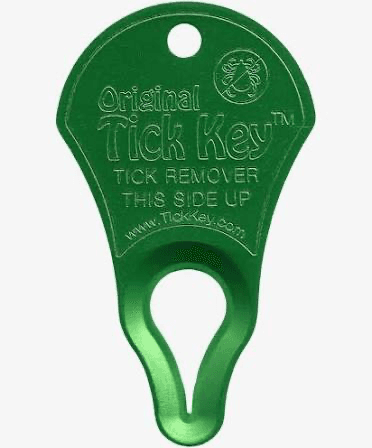
Recently, I have tried using the Tick Key – an absolutely awesome tool for easily removing ticks both from yourself and your furry friends.
The bottom line?
Ticks are part of spending time outdoors, but they don't have to ruin your summer. A little preparation goes a long way, and trust me—it's worth the extra effort to avoid what I went through.

Written by
Cory Gurman
Cory Gurman is a land management technician at the Appalachian Conservation Institute in Tennessee. An avid hunter, fisherman, and amateur wild game chef, he enjoys writing about his experiences in a number of outdoor publications. Follow him on Instagram @cory.gurman.
Comments
No comments yet. Be the first to share your thoughts.
More in hunting

Pre-Rut Whitetail Guide: How to Hunt Bucks Right as They Go On Their Feet
A complete pre-rut whitetail guide covering scrape lines, rub lines, scent-checking behavior, rattling tactics, and how to adjust your setup as bucks shift off food and onto their feet in October.
Early Season Whitetail Guide: What Deer Are Doing Right Now (And How to Cash In Before the Rut)
A complete early season whitetail guide covering deer behavior, food source patterns, buck sighting tactics, and the best time to harvest a doe before the rut kicks in.
What to Look for When Walking Hunting Land for the First Time
On the first walk of hunting land, look past acreage. Judge food, water, cover, and neighboring properties the way deer actually use the landscape.

Best Trail Camera Deals This Week: Cellular Cameras, Feeders & Bows Worth Buying
This week's Academy Sports hot deals—cellular trail cameras, feeders, and archery gear worth buying, plus a few we'd skip.