
If you follow the wildlife headlines, you probably know by now that Wild Turkey populations have been seeing a decline since about 2015. Many experts believe…
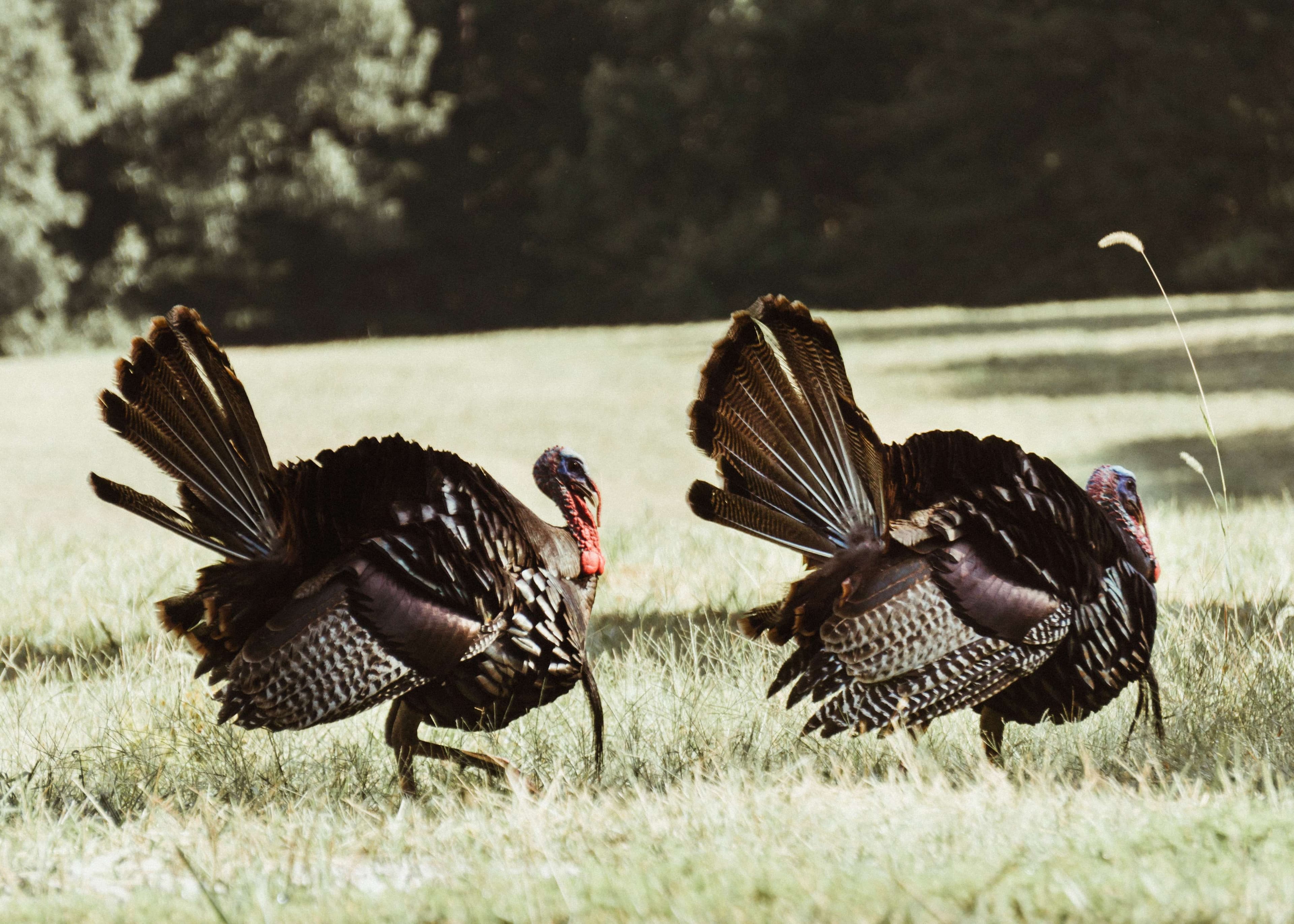
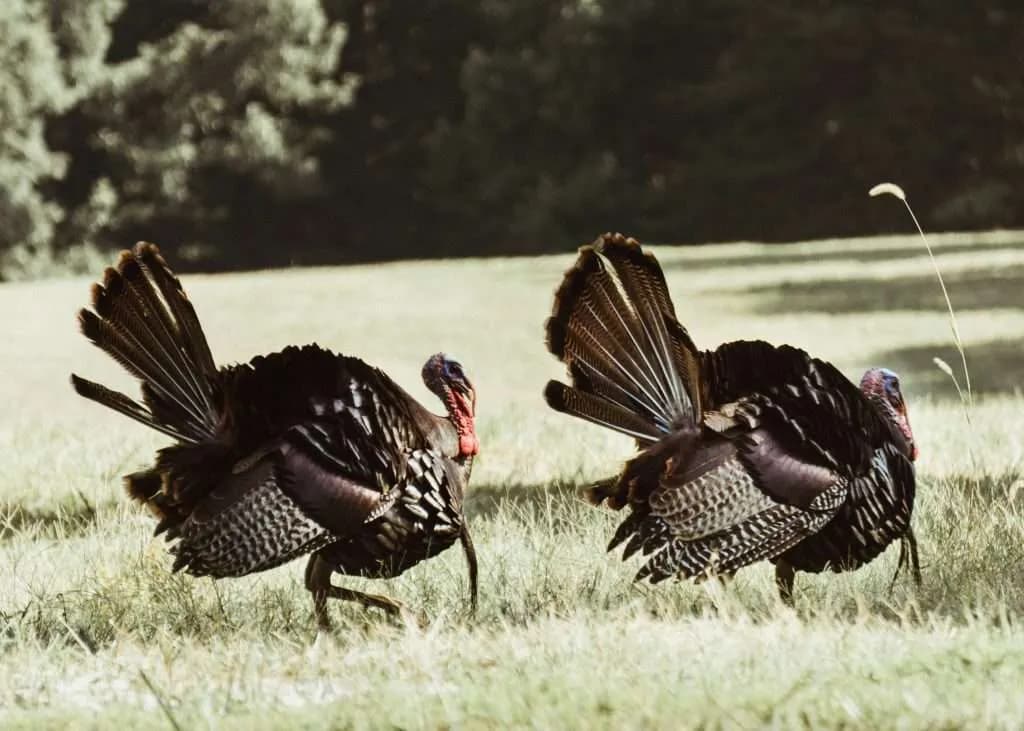
If you follow the wildlife headlines, you probably know by now that Wild Turkey populations have been seeing a decline since about 2015. Many experts believe that animal production, predations, depredation, and habitat loss are top contributors to this decline. The National Wild Turkey Federation (NWTF) estimates that in 1973 there were about 1.5 million Wild Turkey in the US. That balloon to 6.7 million over the next 40 years. Now the US population is right around 6.2 million birds. Over the next few weeks, we will be putting out a series on Wild Turkey populations across America to try to understand the future of Turkey Hunting.
Wild Turkey Production
To start digging into the decline of Wild Turkey, we will need to see how Wild Turkey produces offspring. In much of the United States, Turkey is hunted in the spring during the breeding season. This is typical with many game species as it is a time when males are susceptible to making mistakes by calling or general lower awareness because of the focused breeding time.
Toms will breed several hens throughout the breeding season, which is spring to early summer. The hens will build their following while the eggs are growing. This nest is situated in a forest opening close to suitable habitat for the brood. The hen will begin laying eggs about every 24 hours until they lay a full clutch which could be 9 to 13 eggs.
Once the eggs are laid, they are most vulnerable from then until about ten days after being born. Predation and weather are the most significant factors in their vulnerability. The main reason is that they cannot fly to escape predators. It is widely reported that about 40% of poults will survive this period. 3.6 to 5.2 poults from most hens are considered highly successful. As another game animal, the Duck is considered a successful nest if they have one egg hatch.
Approximately 35 percent of all Wild Turkey are killed yearly, with about 6.2 million Wild Turkey’s all-cause mortality of around 2.17 million per year. Hens typically make up about 52% of the flocks, meaning that about 2.1 million hens have, on average, 11 eggs, which would be 23.3 million. With 50% dying before ten days old and another 25% dying before the end of month one. Only about 5.8 million survive. This would lead to a growing population in total throughout the US. However, much of this explosion has happened in the Midwest and the Western States.
Turkey on the Decline
Several reasons are cited for why Wild Turkey populations continue to fall in the eastern United States. Chief among them is habitat degradation. Biologists believe this issue is solvable through habitat management programs, so turkeys have suitable areas for their broods to hatch and grow. Sadly, habitats can change over time from storms, fires, usage, and more, which typically takes some time and investment to recoup the habitat.
Predation also plays a role in low turkey numbers. Raccoons are the primary nesting predator, which has seen an explosion in population that likely coincides with reduced trapping because fur prices are at all-time lows across the world. Minks, red foxes, weasels, and coyotes are other land predators that see turkeys as a great snack. Also, turkeys must watch for birds like the broad-wing hawk, red-tailed hawk, the eastern screeching owl, and several others.
Turkey on the Rise
Across the United States, there are still States that have recently seen an increase in the population of turkeys. States like Minnesota, Montana, New Mexico, Colorado, and more. Most of these states recorded little or no turkeys just 30 years ago.
The most familiar reason for the growth is related to habitat. When the more brood survives, the faster the bird population grows. Because of their vital habitat and management practice, there is no reason to believe that these populations will stop growing in 2022 and beyond.
The future of wild turkey populations may be bleak in some places, but it might give you the itch to go somewhere else in 2023. Traveling to hunt can be an exciting adventure, especially out west.
Shop
Written by
The Inside Spread Team
Contributing writer at The Inside Spread. Passionate about sharing hunting knowledge and conservation efforts.
Comments
No comments yet. Be the first to share your thoughts.
More in hunting
Pre-Rut Whitetail Guide: How to Hunt Bucks Right as They Go On Their Feet
A complete pre-rut whitetail guide covering scrape lines, rub lines, scent-checking behavior, rattling tactics, and how to adjust your setup as bucks shift off food and onto their feet in October.
Early Season Whitetail Guide: What Deer Are Doing Right Now (And How to Cash In Before the Rut)
A complete early season whitetail guide covering deer behavior, food source patterns, buck sighting tactics, and the best time to harvest a doe before the rut kicks in.
What to Look for When Walking Hunting Land for the First Time
On the first walk of hunting land, look past acreage. Judge food, water, cover, and neighboring properties the way deer actually use the landscape.
Best Trail Camera Deals This Week: Cellular Cameras, Feeders & Bows Worth Buying
This week's Academy Sports hot deals—cellular trail cameras, feeders, and archery gear worth buying, plus a few we'd skip.