
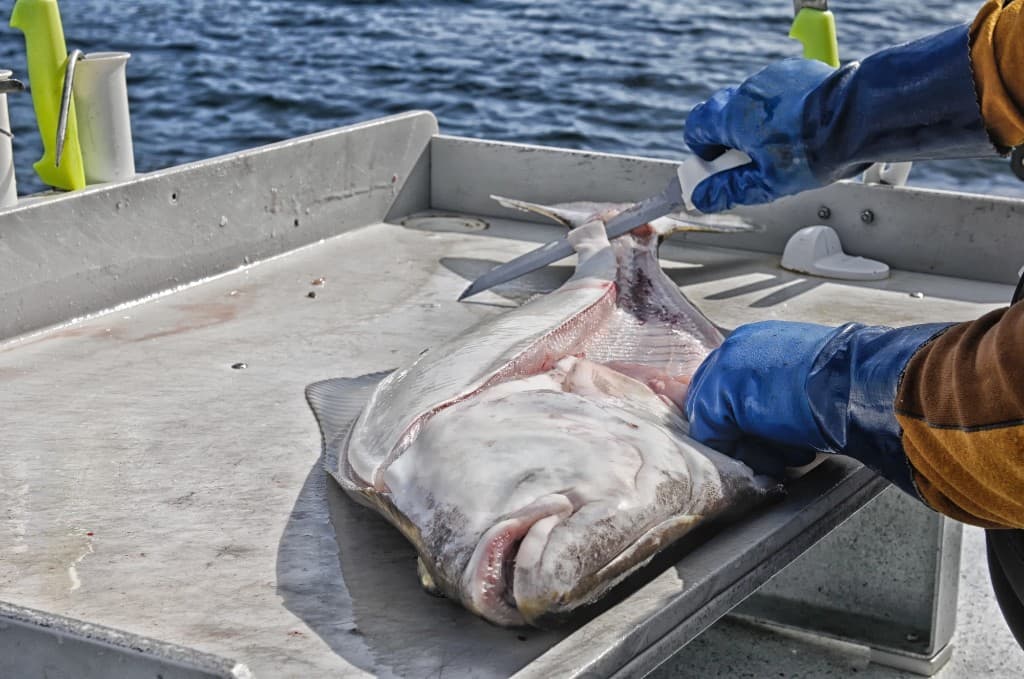
Alaska Fishing 2026: Licenses, Salmon Rivers, and Saltwater Halibut
Alaska fishing 2026—license options, king salmon stamp checks, ADF&G emergency orders, halibut and salmon rule links, and freshwater trip planning.
2026 seasons & limits
Verify rules with Alaska fish & wildlife
- Confirm open seasons, daily bag, and possession limits for each species and water you fish.
- Check length and slot rules—many lakes, rivers, and bays have special tables beyond statewide defaults.
- Review 2026 summaries and any emergency orders (closures, health notices, gear rules) before you go.
The Inside Spread orients you for trip planning only. Conservation officers enforce the official published regulations—not articles or forum posts.
Need an Alaska fishing license, the right regional regulation booklet, or the current emergency order before your trip? Start with ADF&G Sport Fishing and identify whether your day is built around salmon, halibut or saltwater, or freshwater species. That first step tells you which stamp, regional booklet, federal rule set, or access notice matters most.
Alaska is not a single fishery. Kenai and Russian River salmon, Bristol Bay sockeye, Southeast halibut, Interior pike, and grayling all run on different calendars and often different layers of regulation. King salmon fisheries can change quickly with in-season management, and halibut trips may require both state and federal homework. If you define the exact region and fishery first, the licensing and regulation questions become much easier to answer.
2026 Seasons, Limits, and Rule Changes
This article is not the law. Your state's fish and wildlife agency publishes the official rules—online digests, mobile apps, and emergency notices—and those sources control what you can keep, when you can fish, and where.
Alaska layers freshwater and saltwater rules differently; named lakes, rivers, and bays often have special regulations beyond statewide defaults; border waters and stocks shared with neighboring states or federal waters can add more rules. Always match the species, water body, and date you plan to fish to the correct table.
What to verify before every trip
- Seasons and closures for each species you target (game fish, panfish, trout, salmon, steelhead, or saltwater species)
- Daily and possession limits (creel limits) and whether aggregate caps apply across similar species
- Minimum and maximum length and slot limits, plus how length is measured (total length vs. fork length)
- Gear restrictions (bait, hooks, tackle) where they apply
- Special rules for WMAs, community fishing waters, trophy waters, and border waters
2026 updates and mid-season changes
Agencies publish annual summaries and sometimes emergency orders (water quality, fish health, stock changes, or temporary closures). Before you plan 2026 trips:
- open the current regulations for the license year that covers your dates
- check your agency's news or rule change page for new limits, stamps, or reporting rules
- read invasive species and bait movement notices if you move boats or gear between waters
If a forum or social post disagrees with the agency PDF, trust the agency and walk away from edge cases.
Popular species: what to look up in the digest
Use the index or online tools to find limits for the fish you actually plan to catch—black bass (largemouth, smallmouth, spotted), panfish (crappie, bluegill, perch, sunfish), catfish, trout and salmon (including steelhead where present), walleye and sauger, muskies and pike, and—if your trip includes coastal or estuary water—saltwater species such as red drum, spotted seatrout, snapper, groupers, striped bass, and flounder. Do not keep fish until you match the species to the exact rule line for that water body and date.
| Topic | Verify in the official digest |
|---|---|
| Daily bag | Per-day harvest limit per species or aggregate groups |
| Possession | Fish you may have in camp, cooler, or vehicle combined |
| Length / slot | Minimum, maximum, or protected length bands |
| Season | Opening and closing dates, catch-and-release-only windows, closures |
Alaska official source: Alaska Department of Fish and Game — Sport Fishing
Species-specific guides (2026)
Deeper dives on Alaska’s top game fish—history, where they live, 2026 regulations, and how to fish for them:
What Alaska Fishing License Do I Need?
Most resident and nonresident anglers need a valid Alaska sport fishing license to participate in sport fisheries, with exemptions and special categories listed on ADF&G license pages. King salmon stamps may be required when targeting kings on waters where the stamp applies—purchase the stamp before you fish, not after you hook a fish. Nonresidents should review stamp and tag requirements carefully; fees and categories can differ from resident rules.
Personal-use dipnet and subsistence fisheries are not interchangeable with sport angling. Separate permits, seasons, and gear restrictions apply. If you are visiting Alaska for the first time, do not assume a sport license authorizes every harvest opportunity you see locals participating in—ask, read, and verify.
Purchase licenses through ADF&G systems or authorized vendors. Carry proof of license in waterproof storage; salt spray and rain destroy paper quickly.
Southcentral Salmon: Kenai, Russian, and Emergency Orders
The Kenai Peninsula draws enormous salmon effort each season. The Kenai River and Russian River fisheries can be crowded, fast-changing, and tightly regulated. Emergency orders may alter seasons, bag limits, or gear rules when run strength or conservation triggers require action. Read the current order before each day on the water—yesterday’s rule may not be today’s rule.
Crowding creates conflict. Give other anglers space, avoid snagging fish intentionally where prohibited, and handle fish quickly for release when regulations require. If you are new to salmon fishing, learn ethical release techniques—long fights in warm water harm fish.
Bristol Bay and Western Alaska Sockeye
Bristol Bay’s sockeye runs are legendary for volume and economic importance. Sport fishing opportunities exist in specific systems with rules that protect escapement and local communities. Remote logistics dominate: weather, floatplanes, bears, and camping discipline. Treat local guidance with respect; rural Alaska access is a privilege with responsibilities.
Southeast Alaska Saltwater: Halibut, Lingcod, and Salmon
Southeast’s inside waters offer sheltered fishing among islands, but fog, tide, and current can challenge navigation. Halibut seasons and bag limits are set within federal frameworks; verify NOAA Fisheries and International Pacific Halibut Commission materials alongside ADF&G. Rockfish identification matters—some species are protected or restricted; barotrauma tools help deep releases.
Charter operations often bundle federal compliance into the trip, but the angler still holds responsibility to know possession rules at the dock.
Southcentral Saltwater: Cook Inlet and Prince William Sound
Cook Inlet and Prince William Sound fisheries combine salmon, halibut, and bottomfish opportunities with rapidly changing weather. Private boaters should monitor forecasts conservatively; Alaska’s cold water punishes mistakes. Whales and other marine wildlife deserve legal distances—follow NOAA viewing guidelines.
Interior Freshwater: Pike, Grayling, and Sheefish
Northern pike in Interior lakes and sloughs can provide explosive strikes on flies and lures. Sheefish are a unique target in select northern rivers—read specialized regulations. Arctic grayling reward light tackle anglers in clear streams. Remote travel means fuel planning, communication backups, and bear awareness at camps.
Rainbow Trout, Dolly Varden, and Steelhead Where Present
Some Alaska systems support steelhead fisheries with specialized seasons and careful release ethics. Rainbow trout and Dolly Varden can be caught in salmon streams—identify species before harvest where regulations differ.
Federal Waters, Halibut, and Offshore Planning
When you leave state-managed nearshore waters for offshore trips, federal rules can govern species and seasons. Halibut is the classic example: verify area-specific regulations for your trip date. Keep a printed or downloaded copy when cell service fails.
Bear Safety and Food Storage on Salmon Streams
Bears follow salmon. Make noise in brush, travel in groups when possible, and store food and fish according to land-manager rules. Bear spray is effective when practiced; firearms require training and legal awareness. Never approach bears for photos—distance keeps people and bears safer.
Invasive Species and Biosecurity
Do not move fish, eggs, or live bait between drainages. Clean and dry gear between watersheds. Invasive species prevention protects Alaska’s unique fish assemblages.
Weather, Tides, and Boating Safety
Alaska’s weather changes quickly. Tide books matter in saltwater; wind against tide can build dangerous seas. Wear life jackets; carry signaling devices; file float plans.
Border Waters and Canada
Some southeast trips approach Canadian waters. Verify international boundaries, licensing, and customs requirements before crossing lines.
Where Are Alaska’s Best Salmon, Halibut, and Freshwater Fisheries?
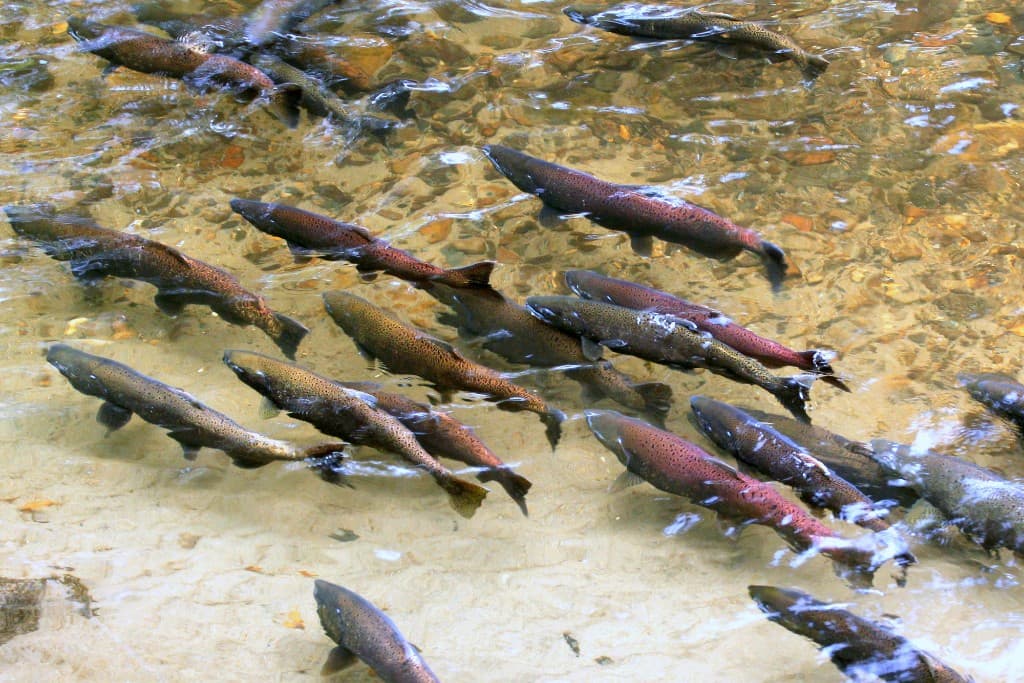
- Kenai Peninsula rivers (Kenai, Russian, and related systems): Salmon fisheries with heavy pressure and frequent in-season management—read emergency orders daily.
- Bristol Bay drainages: World-class sockeye systems with remote logistics and community-sensitive access—plan with guides or local knowledge.
- Southeast saltwater (Juneau, Sitka, Petersburg-area fisheries as examples): Halibut, salmon, and bottomfish—pair ADF&G rules with federal halibut regulations.
- Cook Inlet and Prince William Sound: Saltwater salmon and halibut opportunities with serious weather considerations—monitor marine forecasts.
- Interior rivers and lakes: Pike, grayling, and sheefish fisheries—remote access, bear safety, and cold-water risk management matter.
Plan Your Alaska Fishing Trip
Start with species and region, not with a cheap flight alone. Salmon trips need flexible dates if runs are late. Halibut trips need federal rule homework. Interior trips need honest evaluations of boat skills and emergency preparedness. Book reputable charters when offshore experience is thin—Alaska’s water is unforgiving.
Use our Alaska outdoors guide with the Alaska fishing hub. Explore more in fishing articles.
Fly-In Lodges, DIY Trips, and Ethics
Lodges can simplify logistics; DIY trips reward planners who respect local norms. Catch-and-release ethics matter everywhere, especially for oversized halibut and fragile trout populations.
Personal-Use and Subsistence Boundaries for Visitors
Visitors should not blur sport fishing with personal-use fisheries. Read ADF&G carefully; mistakes can harm communities and conservation goals.
Documentation and Enforcement
Keep licenses and stamps accessible. Wildlife troopers and federal officers enforce rules in busy fisheries. If you receive a citation, verify details against official orders.
Cell Coverage, Weather Delays, and Backup Plans
Alaska rewards anglers who build flexible itineraries. Flights cancel, roads wash out, and fog holds boats in harbor. Download PDFs of emergency orders and regulations before you leave service; screenshot tide tables when you still have signal. A second fishing plan in a different drainage or a calmer saltwater day can salvage a trip when the primary river blows out.
Frequently Asked Questions
Do I need an Alaska fishing license?
Most nonresident and resident anglers need a valid Alaska sport fishing license; king salmon stamps may be required on certain waters—check ADF&G for personal-use, subsistence, and federal permit rules.
Where can I find Alaska fishing regulations?
Use ADF&G sport fishing pages for emergency orders, Southcentral and Southeast saltwater regulations, and individual river booklets.
What are Alaska’s best-known fisheries?
The Kenai and Russian rivers draw salmon anglers; Southeast saltwater offers halibut and salmon; Bristol Bay supports world-class sockeye; Interior rivers offer pike and grayling.
When do federal saltwater rules matter for Alaska trips?
Pacific halibut and some offshore fisheries are managed with federal seasons and bag rules—pair ADF&G guidance with NOAA Fisheries and IPHC information for your area and dates.
What bear safety steps matter on Alaska salmon streams?
Store food and fish away from camps, make noise in brushy areas, carry bear spray where allowed, and follow ADF&G and land-manager guidance for the area you fish.
How does personal-use fishing differ from sport fishing?
Personal-use and subsistence fisheries have separate permits, gear rules, and seasons—do not assume your sport license covers those fisheries.
Sources
- Alaska Department of Fish and Game. "Sport Fishing." ADF&G, adfg.alaska.gov. Accessed 16 Apr. 2026.
Official state agency
Alaska Department of Fish and Game — Sport FishingVerify season openings, daily bag, possession, and length or slot rules for each water and species you target—plus any 2026 rule changes or emergency orders—before you fish.
Written by
The Inside Spread Team
The Inside Spread team covers fishing regulations and access across all 50 states. We tie every guide to official agency sources so you can verify seasons, bag limits, and license rules before you launch.
Comments
No comments yet. Be the first to share your thoughts.
More in state-guides
Arkansas Duck Hunting 2026: Season Dates, WMA Permits, License Costs & Complete Guide
Arkansas duck hunting 2026-27—three-segment season dates, nonresident WMA waterfowl permits, Black River and Bayou Meto access changes, and Delta license costs.
Georgia Whitetail Deer Hunting 2026: Season Dates, Extended Counties, License Costs & Nonresident Guide
Georgia whitetail deer hunting 2026-27—archery, primitive weapons, and firearms dates, 29-county extended archery, 12-deer bag, Game Check, and the nonresident guide.
Kentucky Whitetail Deer Hunting 2026: Season Dates, Zone Changes, License Costs & Nonresident Guide
Kentucky whitetail deer hunting 2026-27—archery, crossbow, and modern gun dates, the 2026 zone map, license and deer permit costs, Telecheck, and the nonresident guide.
Michigan Whitetail Deer Hunting 2026: Season Dates, License Costs, UP vs LP & Nonresident Guide
Michigan whitetail deer hunting 2026—archery, firearm, and three-day December dates, DNR license fees, Upper vs Lower Peninsula rules, baiting, and the nonresident guide.