
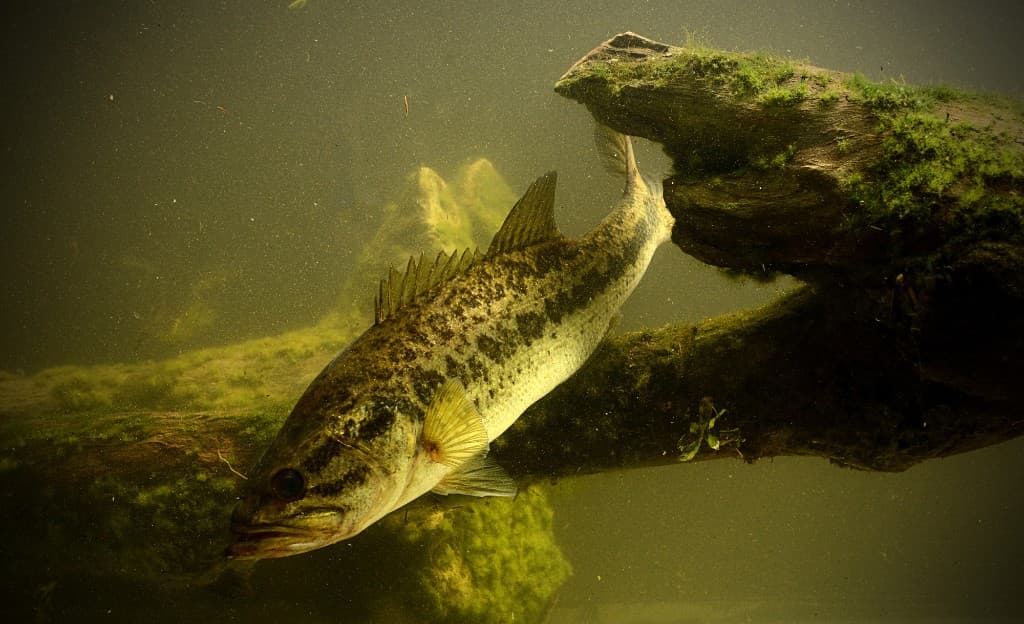
Arizona Fishing 2026: Licenses, Colorado River Lakes, and High-Country Trout
Arizona fishing 2026—license options, official AZGFD regulations, Colorado River border-water checks, trout-water planning, and quagga inspection rules.
2026 seasons & limits
Verify rules with Arizona fish & wildlife
- Confirm open seasons, daily bag, and possession limits for each species and water you fish.
- Check length and slot rules—many lakes, rivers, and bays have special tables beyond statewide defaults.
- Review 2026 summaries and any emergency orders (closures, health notices, gear rules) before you go.
The Inside Spread orients you for trip planning only. Conservation officers enforce the official published regulations—not articles or forum posts.
Need an Arizona fishing license, the current regulations booklet, or the right official page before you launch? Start with Arizona Game and Fish — Fishing and decide whether you are planning a desert reservoir, Colorado River border water, trout trip, or community pond day. That one choice usually tells you which special rules, border-water notes, or inspection steps matter.
Arizona is a study in contrast: Lake Havasu and Roosevelt do not fish like White Mountains trout water, and neither looks much like an urban Community Fishing Program pond. The state is almost entirely freshwater, but the Colorado River system adds multi-state access questions and quagga-mussel protocols that deserve their own homework. If you identify the exact water first, the license and regulations questions get much easier to solve.
2026 Seasons, Limits, and Rule Changes
This article is not the law. Your state's fish and wildlife agency publishes the official rules—online digests, mobile apps, and emergency notices—and those sources control what you can keep, when you can fish, and where.
Arizona manages freshwater fisheries only—rivers, reservoirs, lakes, and streams. Named waters often carry special regulations beyond statewide defaults; border waters and interstate coordination may apply on shared rivers. Always match the species, water body, and date you plan to fish to the correct table.
What to verify before every trip
- Seasons and closures for each species you target (game fish, panfish, trout, salmon, and steelhead where present)
- Daily and possession limits (creel limits) and whether aggregate caps apply across similar species
- Minimum and maximum length and slot limits, plus how length is measured (total length vs. fork length)
- Gear restrictions (bait, hooks, tackle) where they apply
- Special rules for WMAs, community fishing waters, trophy waters, and border waters
2026 updates and mid-season changes
Agencies publish annual summaries and sometimes emergency orders (water quality, fish health, stock changes, or temporary closures). Before you plan 2026 trips:
- open the current regulations for the license year that covers your dates
- check your agency's news or rule change page for new limits, stamps, or reporting rules
- read invasive species and bait movement notices if you move boats or gear between waters
If a forum or social post disagrees with the agency PDF, trust the agency and walk away from edge cases.
Popular species: what to look up in the digest
Use the index or online tools to find limits for the fish you actually plan to catch—black bass (largemouth, smallmouth, spotted), panfish (crappie, bluegill, perch, sunfish), catfish, trout and salmon (including steelhead where present), walleye and sauger, muskies and pike, and other species listed for your water in the official guide. Do not keep fish until you match the species to the exact rule line for that water body and date.
| Topic | Verify in the official digest |
|---|---|
| Daily bag | Per-day harvest limit per species or aggregate groups |
| Possession | Fish you may have in camp, cooler, or vehicle combined |
| Length / slot | Minimum, maximum, or protected length bands |
| Season | Opening and closing dates, catch-and-release-only windows, closures |
Arizona official source: Arizona Game and Fish Department — Fishing
Species-specific guides (2026)
Deeper dives on Arizona’s top game fish—history, where they live, 2026 regulations, and how to fish for them:
What Arizona Fishing License Do I Need?
Most anglers age 10 and older need a valid Arizona fishing license to fish state waters, with exemptions and special categories published on AZGFD license pages. The practical question is not only whether you need a license, but whether your trip requires additional validations, stamps, or special permits depending on species and water. Purchase options typically include online sales and authorized license dealers; carry proof of license in the format AZGFD expects, especially if you fish with a phone screenshot or digital receipt.
Youth, senior, and disabled angler categories may change fees or eligibility from year to year—confirm the current fee schedule rather than relying on memory. Combination hunt-fish packages can make sense for residents who also pursue big game or upland birds. Nonresidents should compare short-term licenses against longer trips; Arizona’s warm-season fishing can justify multi-day visits, and the math on license cost per day changes quickly once you add boat fuel and lodging.
Colorado River border waters deserve extra attention. Depending on where you launch, wade, or anchor, you may be interacting with California or Nevada regulations, access permits, or shoreline management rules that are separate from Arizona’s inland defaults. If you float across a line or fish a shared backwater, decide in advance which jurisdiction governs harvest and possession for your crew. The conservative approach is to buy the correct licenses for both sides of a trip when there is any doubt, and to verify ramp rules at marinas that span administrative boundaries.
Community Fishing Program ponds are often the easiest entry point for families, but they still require a valid license where rules apply and still follow posted restrictions. Read the program materials for bait rules, catch limits, and any tackle recommendations designed to reduce deep-hooking in heavily pressured ponds.
Desert Reservoirs, Tailwaters, and the Colorado River Corridor
Arizona’s famous desert fisheries are not interchangeable. Lake Havasu and Lake Mohave combine rocky structure, submerged vegetation when lake levels cooperate, and strong seasonal patterns for largemouth and smallmouth bass. Striped bass fisheries add another layer of excitement—and another layer of regulation. Slot limits, seasonal protections, and forage-driven changes can shift year to year, which is why a printed regulation summary in the boat still beats a stale screenshot from last season.
Lake Pleasant north of Phoenix offers big-water feel close to population centers. Wind, boat traffic, and rapidly changing surface conditions can challenge small craft. Bass anglers often focus on points, submerged roadbeds, and channel swings, while striper schools can move fast when shad concentrations shift. Roosevelt and Apache lakes on the Salt River chain are classic Arizona bass and crappie destinations, but water level fluctuations can change access, hazard patterns, and shoreline camping options. Always check ramp status and hazard buoys before launching, especially after runoff events.
The Colorado River below dams and in reservoir transition zones behaves like a western tailwater in places: cold releases can stack trout in certain reaches during parts of the year, while downstream warming supports warm-water species. Where trout regulations or seasonal closures apply, treat those reaches like specialized fisheries rather than generic river sections. Carry thermometer discipline if you practice catch-and-release during warm months; trout survival drops quickly when water temperatures climb.
High-Country Trout, Gila Trout, and Heritage Waters
Arizona’s trout fishing is not only stocked put-and-take ponds—though stocking remains important for access and opportunity. Wild and wild-enhanced fisheries exist in the White Mountains and on the Mogollon Rim, where small-stream tactics and careful wading matter as much as boat electronics. Spring creek-style waters can demand light tippets and careful approaches, especially when flows are low and fish are wary.
Gila trout recovery and heritage management are central to Arizona’s native fish story. Some waters may require artificial fly and lure only, catch-and-release, or seasonal closures designed to protect spawning fish or fragile habitat. If you target native trout, treat identification as a skill, not a guess. Bull trout are not part of Arizona’s mix, but mixing similar-looking species is a common mistake in western states—here, know your cutthroat, rainbow, brown, brook, and Gila trout markers before you harvest.
High-country access can close for weather, fire, or forest management. Check road conditions, carry extra water, and plan for temperature swings. Monsoon storms can turn a calm afternoon into dangerous lightning exposure on exposed ridges. In winter, ice is rare at lower elevations but mountain roads can ice before you expect them.
Warm-Water Species Notes
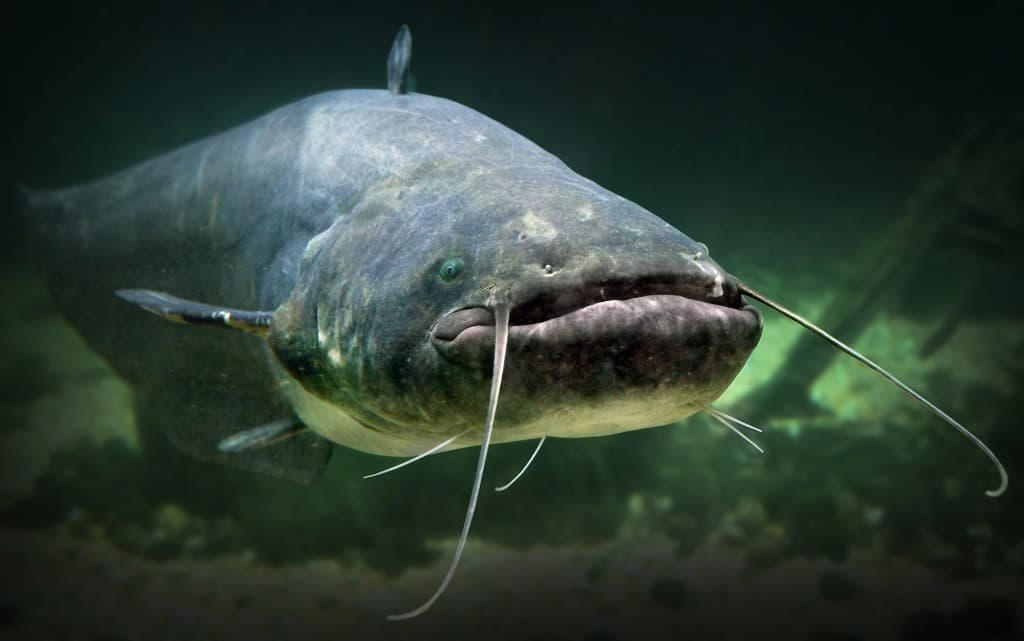
Largemouth bass dominate Arizona’s tournament conversation, but crappie, sunfish, and channel catfish round out many family stringers. Catfish anglers often fish evenings and nights during summer, when shore access is cooler and boat traffic eases. Flathead catfish opportunities exist in some river systems; know identification and size rules before you keep fish.
Walleye fisheries are limited compared with Midwest strongholds, but where walleye exist, they often behave like structure-oriented fish keyed to low-light feeding. Read water-specific regulations carefully; walleye management can include protected slots or experimental rules on individual waters.
Seasons, Weather, and Practical Timing
Spring can offer some of the best bass fishing of the year as fish move toward spawning areas, but cold fronts still push through the desert and can stall bites overnight. Summer rewards early launches and night fishing for heat-tolerant species; carry more water than you think you need and watch for heat exhaustion in children and older adults. Fall often stabilizes reservoir fishing as water temperatures moderate and baitfish schools reorganize. Winter can surprise anglers with excellent bass days between cold fronts, especially on sunny rocky banks, but plan for shorter days and layered clothing in the high country.
Access, Boating, and Public Land Realities
Arizona’s boating culture is ramp-heavy. Popular weekends fill parking early; arrive with a rigging plan that does not block lanes. Some shoreline access requires walks across rough terrain; wear sturdy footwear and watch for snakes in warm months. Wildlife management areas and state trust land can carry different rules than developed parks—read signage, respect seasonal closures tied to wildlife, and do not assume every dirt road leads to legal access.
If you fish tribal lands or waters, recognize that tribal regulations can differ from state rules. Obtain permission and the correct permits when required; treating indigenous sovereignty as a paperwork detail is how otherwise careful anglers make expensive mistakes.
Invasive Species, Bait, and Responsible Movement
Quagga mussels are the headline invasive threat for Arizona boaters. Inspect your hull, bilge, livewells, and trailers; follow AZGFD guidance for decontamination when moving from high-risk waters. Do not transport live fish or illegal bait between drainages. If you use live bait where permitted, buy from approved sources when rules require it, and understand why: disease and invasive organisms hitchhike easily.
Anglers moving kayaks, float tubes, and paddleboards should still follow the same principles—vegetation fragments and water droplets can carry microscopic organisms.
Safety in Desert and Mountain Environments
Desert heat is lethal when underestimated. Sunscreen, shade, and hydration are not optional. Lightning during monsoon season is a real hazard on reservoirs; when storms build, head in early rather than gambling on a few more casts. In the high country, hypothermia can occur even in summer after cold rain. File a simple float plan with someone on shore when you fish remote waters, especially alone.
On the Colorado River, current, wind, and barge traffic can combine for hazardous conditions. Wear life jackets, especially when children are aboard, and keep navigation lights functional for low-light returns.
Border Waters and Multi-State Trips
The Colorado River system is among the West’s most complex border fisheries. Launch geography—not GPS pride—should determine which regulations you read before leaving the dock. If you fish Lake Mead or Mohave, understand how Arizona, Nevada, and California rules can differ by reach and access point. Carry the right licenses, keep fish identification conservative when unsure, and treat possession limits as trip-ending rules rather than suggestions.
Where Are Arizona’s Best Desert Lakes and Trout Streams?
- Lake Havasu and Lake Mohave: Largemouth and smallmouth bass fisheries with strong seasonal patterns; striped bass opportunities with reach-specific rules—verify slot and size limits before you harvest.
- Lake Pleasant: High-desert reservoir bass and striper fishing near Phoenix; watch wind, weekend traffic, and changing water levels around structure.
- Roosevelt and Apache lakes: Salt River chain impoundments known for bass and crappie; monitor ramp access and hazard markers after runoff or fire-scar erosion.
- White Mountains lakes and streams: Trout-focused destinations including stocked and wild fisheries; check seasonal closures, fire restrictions, and road conditions before traveling.
- Community Fishing Program ponds: Urban and suburban family access with consistent stocking and approachable shore fishing—confirm bait rules and bag limits for each pond.
Plan Your Arizona Fishing Trip
Build Arizona trips around realistic weather windows and water selection. If you want desert bass, prioritize dawn and dusk in summer and bring shade solutions for mid-day breaks. If you want trout, book lodging with elevation in mind and keep a backup plan if forest roads close. For mixed groups, pair a half-day urban pond session with a scenic drive to higher country on cooler days.
Use our Arizona outdoors guide with the Arizona fishing hub. Browse more technique and destination ideas in fishing articles.
Urban Fishing, Stocking Schedules, and Family Strategy
The Community Fishing Program succeeds because it lowers barriers: shorter drives, predictable amenities, and often accessible shorelines for kids learning to cast. Still treat these waters as real fisheries—teach knot tying, hook safety, and careful release. Check AZGFD stocking announcements when you want predictable action, but remember that stocking schedules can change with logistics and water quality.
Night Fishing, Lights, and Courtesy
Night fishing for catfish and bass is popular when summer days become oppressive. Use lights responsibly, avoid shining headlamps into other boats, and keep music and voices reasonable near residential shorelines. At crowded ramps, rig before you block the lane and help newcomers when you can—courtesy keeps access friction low for everyone.
Documentation and Enforcement
Keep digital or paper proof of license and any required validations. Officers frequently check boats during peak season; organized anglers reduce stress for everyone. If you receive a warning or citation, remain calm and verify details later against official publications—arguments belong in court, not at the ramp.
Frequently Asked Questions
Do I need an Arizona fishing license?
Most anglers 10 and older need a valid Arizona fishing license; short-term licenses are available—check AZGFD for youth, pioneer, and combination hunt-fish options.
Where can I find Arizona fishing regulations?
Use AZGFD fishing pages for the Arizona Fishing Regulations booklet, special orders for individual waters, and Colorado River border rules.
What are Arizona’s best-known fisheries?
Lake Havasu, Roosevelt, and Pleasant support bass and striped bass; White Mountains lakes offer trout; urban Community Fishing Program ponds provide family access statewide.
How does the Colorado River differ from inland Arizona rules?
Border reaches can involve California or Nevada license and access questions; always verify which state’s rules and launch points apply to your float or shoreline plan.
What should I know about quagga mussels and boat inspections?
Arizona enforces invasive species protections; clean, drain, and dry boats and follow AZGFD inspection and decontamination guidance when moving between waters.
Where can I learn about trout stocking and urban pond fishing?
AZGFD publishes stocking schedules and Community Fishing Program information; check current pond lists and any tackle or bait restrictions before family trips.
Sources
- Arizona Game and Fish Department. "Fishing." AZGFD, azgfd.com/fishing. Accessed 16 Apr. 2026.
Official state agency
Arizona Game and Fish Department — FishingVerify season openings, daily bag, possession, and length or slot rules for each water and species you target—plus any 2026 rule changes or emergency orders—before you fish.
Written by
The Inside Spread Team
The Inside Spread team covers fishing regulations and access across all 50 states. We tie every guide to official agency sources so you can verify seasons, bag limits, and license rules before you launch.
Comments
No comments yet. Be the first to share your thoughts.
More in state-guides
Arkansas Duck Hunting 2026: Season Dates, WMA Permits, License Costs & Complete Guide
Arkansas duck hunting 2026-27—three-segment season dates, nonresident WMA waterfowl permits, Black River and Bayou Meto access changes, and Delta license costs.
Georgia Whitetail Deer Hunting 2026: Season Dates, Extended Counties, License Costs & Nonresident Guide
Georgia whitetail deer hunting 2026-27—archery, primitive weapons, and firearms dates, 29-county extended archery, 12-deer bag, Game Check, and the nonresident guide.
Kentucky Whitetail Deer Hunting 2026: Season Dates, Zone Changes, License Costs & Nonresident Guide
Kentucky whitetail deer hunting 2026-27—archery, crossbow, and modern gun dates, the 2026 zone map, license and deer permit costs, Telecheck, and the nonresident guide.
Michigan Whitetail Deer Hunting 2026: Season Dates, License Costs, UP vs LP & Nonresident Guide
Michigan whitetail deer hunting 2026—archery, firearm, and three-day December dates, DNR license fees, Upper vs Lower Peninsula rules, baiting, and the nonresident guide.