
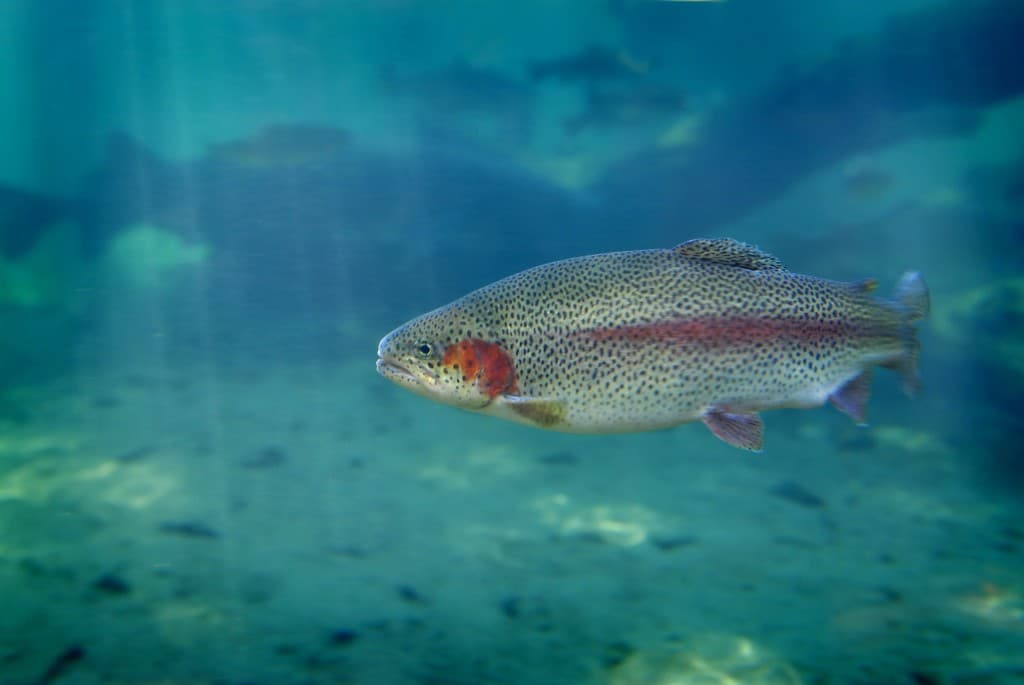
California fishing 2026—license options, report card and validation checks, CDFW ocean and inland regulations, Delta planning, and official closure updates.
2026 seasons & limits
Verify rules with California fish & wildlife
- Confirm open seasons, daily bag, and possession limits for each species and water you fish.
- Check length and slot rules—many lakes, rivers, and bays have special tables beyond statewide defaults.
- Review 2026 summaries and any emergency orders (closures, health notices, gear rules) before you go.
The Inside Spread orients you for trip planning only. Conservation officers enforce the official published regulations—not articles or forum posts.
Need a California fishing license, the right report card or validation, or the current ocean or inland regulation booklet before your trip? Start with California Department of Fish and Wildlife — Fishing and separate ocean from inland planning first. Then sort named waters, report-card fisheries, and emergency closures before you rig rods.
California is really several fishing states under one map. Pacific salmon and bottomfish do not plan like the Delta, and the Delta does not plan like Sierra trout and kokanee water. Because the rulebooks, closures, and add-ons vary so much by water and species, anglers do best when they identify the exact fishery first and then match the correct CDFW booklet and documentation to that trip.
2026 Seasons, Limits, and Rule Changes
This article is not the law. Your state's fish and wildlife agency publishes the official rules—online digests, mobile apps, and emergency notices—and those sources control what you can keep, when you can fish, and where.
California layers freshwater and saltwater rules differently; named lakes, rivers, and bays often have special regulations beyond statewide defaults; border waters and stocks shared with neighboring states or federal waters can add more rules. Always match the species, water body, and date you plan to fish to the correct table.
What to verify before every trip
- Seasons and closures for each species you target (game fish, panfish, trout, salmon, steelhead, or saltwater species)
- Daily and possession limits (creel limits) and whether aggregate caps apply across similar species
- Minimum and maximum length and slot limits, plus how length is measured (total length vs. fork length)
- Gear restrictions (bait, hooks, tackle) where they apply
- Special rules for WMAs, community fishing waters, trophy waters, and border waters
2026 updates and mid-season changes
Agencies publish annual summaries and sometimes emergency orders (water quality, fish health, stock changes, or temporary closures). Before you plan 2026 trips:
- open the current regulations for the license year that covers your dates
- check your agency's news or rule change page for new limits, stamps, or reporting rules
- read invasive species and bait movement notices if you move boats or gear between waters
If a forum or social post disagrees with the agency PDF, trust the agency and walk away from edge cases.
Popular species: what to look up in the digest
Use the index or online tools to find limits for the fish you actually plan to catch—black bass (largemouth, smallmouth, spotted), panfish (crappie, bluegill, perch, sunfish), catfish, trout and salmon (including steelhead where present), walleye and sauger, muskies and pike, and—if your trip includes coastal or estuary water—saltwater species such as red drum, spotted seatrout, snapper, groupers, striped bass, and flounder. Do not keep fish until you match the species to the exact rule line for that water body and date.
| Topic | Verify in the official digest |
|---|---|
| Daily bag | Per-day harvest limit per species or aggregate groups |
| Possession | Fish you may have in camp, cooler, or vehicle combined |
| Length / slot | Minimum, maximum, or protected length bands |
| Season | Opening and closing dates, catch-and-release-only windows, closures |
California official source: California Department of Fish and Wildlife — Fishing
Species-specific guides (2026)
Deeper dives on California’s top game fish—history, where they live, 2026 regulations, and how to fish for them:
What California Fishing License Do I Need?
Most anglers age 16 and older need a valid California sport fishing license to fish state waters unless a current exemption applies. CDFW directs anglers to official license sales channels and authorized agents for purchases, renewals, and duplicate documentation. The better question than “do I need a license?” is often “do I need anything beyond the base license for the species and waters on today’s plan?” California’s system can include report cards, validations, and stamps depending on the fishery. That layered approach exists because many high-profile fisheries require individual tracking, careful season structuring, or additional conservation tools.
If you are planning a multi-day trip, confirm which license year your dates fall under and whether short-term options meet your needs. Visitors from out of state should purchase before arrival when possible and keep proof accessible at the ramp or shoreline. If you fish with family, review youth rules in advance so the first hour of the trip is not spent interpreting exceptions at the water’s edge. When in doubt, use the official CDFW licensing and regulations pages for the current license year rather than a screenshot from an older trip.
Report Cards, Validations, Stamps, and Second-Rod Options
California anglers frequently discuss report cards and validations because they attach to specific fisheries and species groups. Salmon and steelhead fisheries are classic examples where documentation and rules can move together: you need the right authorization for the fishery, and you need to understand how reporting expectations fit into your trip. Sturgeon fisheries are another area where rules tend to be strict and highly specific, with strong reasons tied to conservation and enforcement practicality. Spiny lobster has its own place in many anglers’ calendars, and it is not interchangeable with a casual trout outing.
Ocean enhancement stamps and second-rod stamps are the kind of details that sound minor until they are not. A second rod can be a legitimate advantage on certain reservoirs or bait-fishing situations, but only where regulations allow it and the proper stamp is obtained. Rather than memorizing a list, treat these items as a pre-trip checklist tied to your target water and method. If your plan changes midday—say you pivot from trout to anadromous waters—pause and re-check rules before you shift techniques that could change compliance.
Ocean and Estuary Fisheries Along the California Coast
California’s Pacific fisheries can deliver exceptional salmon opportunities, bottomfish and rockfish pursuits, nearshore surf fishing, and seasonal halibut interest depending on port and conditions. What they all share is sensitivity to area rules: depth restrictions, seasonal closures, gear rules, and boat-based versus shore-based considerations can differ by region. The ocean is also where weather and sea conditions become part of regulation compliance, because unsafe conditions can push boats into different areas where rules may change.
Estuaries blend salt and freshwater influences and can add complexity. Tides move fish and bait, but they also change where anglers can safely fish and where boundaries matter for species identification. If you are new to ocean fishing in California, consider building your first trips around mentorship, charter expertise, or conservative weather windows. Even experienced inland anglers benefit from treating the coast as a specialty rather than a casual add-on.
The Sacramento–San Joaquin Delta and Major Inland Rivers
The Delta is a defining California fishery: a maze of sloughs, channels, and levee roads where striped bass and catfish get much of the attention, and where seasonal conditions can change what is safe and what is productive. Black bass fisheries here can be outstanding, but they also exist within a busy boating environment that includes large wakes, commercial traffic, and changing water clarity. Invasive species concerns and water quality events can affect access; when agencies post notices, treat them as binding trip planning information.
Outside the Delta, the Central Valley’s rivers and reservoirs support diverse warm-water fisheries and seasonal migrations that can shift angler effort. Understanding flows, water temperature, and public access points matters as much as lure selection. For travelers, the Delta rewards preparation: good maps, a launch plan, and a willingness to adapt when wind and tide-like currents in certain reaches make a “quick stop” unrealistic.
Sierra Nevada Trout, Kokanee, and High-Country Reservoirs
The Sierra side of California is where many anglers fall in love with the state’s trout culture. Wild trout streams, stocked put-and-take waters, and deep reservoirs with kokanee and rainbow trout each come with different tactics—and often different rules. Some waters restrict bait or require artificial lures only. Others have seasonal closures to protect spawning fish or special regulations tied to heritage strains. Kokanee anglers learn quickly that depth control, trolling speed, and tackle selection are half the battle; the other half is knowing which waterbody rules apply to possession and size.
High-country access is seasonal. Snowpack, road openings, and forest service conditions can change the feasibility of a trip week to week. If you are targeting remote areas, build redundancy into your plan: extra clothing, reliable navigation, and conservative assumptions about cell service. Altitude and cold water also mean hypothermia risk even on sunny days, especially when wind picks up across open water.
Seasonal Patterns and Trip Planning Windows
Spring often brings shifting river flows and changing reservoir levels. It can be prime time for certain anadromous fisheries and early-season trout opportunities, but it is also when anglers most often underestimate cold water risk. Summer opens high-country lakes and increases ocean weather windows for many ports, yet crowds and heat become planning factors. Fall can offer excellent bass and trout fishing as temperatures stabilize, and ocean fisheries can shift with migrations and harvest management updates. Winter is specialized: rewarding for dedicated anglers, but demanding in terms of safety and access.
Public Access, Ramps, Parks, and Tribal and Private Boundaries
California’s public fishing access is broad but not universal. Some excellent fisheries involve tribal waters where permits and rules differ from state regulations; treat those situations with respect and advance research. Other waters sit behind locked gates, homeowner associations, or unclear signage. When you identify a destination, confirm not only the fish rules but also the legal access path. Parking near levee roads and busy ramps can be a trip-killer if you arrive at peak hours without a plan.
Invasive Species, Inspections, and Clean-Drain-Dry Habits
Quagga and zebra mussels are more than a talking point in California. They can affect where you launch, how long you wait, and what inspections require. Even if you never boat, invasive species concerns can influence bait restrictions and the movement of watercraft and gear. Clean, drain, and dry practices remain the baseline. If you move between watersheds, treat every stop as a chance to prevent spread: inspect waders, boots, and line trays, not just hulls and bilges.
Safety: Ocean Bars, Cold Water, and Busy Ramps
Ocean bar crossings and inlet currents deserve sober respect. Many accidents are not about fishing skill; they are about judgment when conditions deteriorate. Wear life jackets when conditions warrant, file a float plan for offshore trips, and carry communication tools appropriate to the venue. On inland waters, cold shock and hypothermia remain risks in spring and fall. On the Delta and large reservoirs, wear a life jacket when conditions are rough or when boating at night. Finally, busy ramps are a social safety issue: patience prevents injuries.
Where Are California’s Top Saltwater and Freshwater Fisheries?
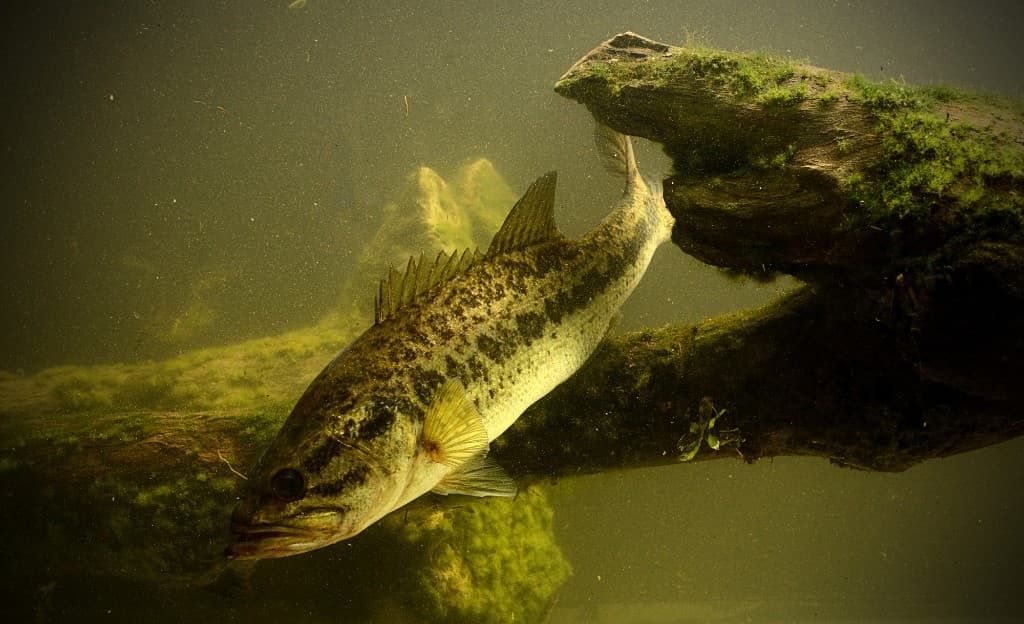
California’s strongest saltwater fisheries cluster along the coast from the North Coast redwood country to Southern California ports, with each region carrying its own seasonal emphasis and harbor culture. Salmon opportunities, rockfish and groundfish fisheries, and nearshore calico bass or surf perch pursuits can all be excellent depending on month, weather, and regulations. Freshwater highlights remain the Delta’s mixed warm-water and anadromous fisheries, Sierra trout and kokanee waters, and major Central Valley reservoirs where black bass, panfish, and catfish dominate many anglers’ attention.
If you are building a first-year itinerary, think in regions rather than trying to “fish California” in one sweep. Pair a coastal trip with local ocean regulations review, then plan inland travel as a separate chapter with the inland booklet. If you mix them in one week, build buffer days for weather and keep your documentation organized so you are not scrambling at a checkpoint or ramp.
Plan Your California Fishing Trip
A strong California fishing trip usually starts with a realistic target list and a willingness to pivot. Keep CDFW pages saved offline if possible, confirm ramp hours, and identify a backup lake or shoreline if wind, HAB notices, or access issues arise. For families, prioritize safe shoreline sites and predictable amenities; for specialists, prioritize seasonal windows and the specialized rules those fisheries require.
Use our California outdoors guide with the California fishing hub. More: fishing articles.
Frequently Asked Questions
Do I need a California fishing license?
Most anglers 16 and older need a valid California sport fishing license; report cards or validations may be required for salmon, steelhead, sturgeon, or spiny lobster—check CDFW for current requirements.
Where can I find California fishing regulations?
Use CDFW fishing pages for freshwater and ocean regulations booklets, season dates, and special rules for individual waters.
What are California’s best-known fisheries?
The Sacramento–San Joaquin Delta supports bass and catfish; the coast offers salmon, rockfish, and surf species; Sierra reservoirs and streams support trout and kokanee.
When might I need a report card or extra validation in California?
Certain fisheries require report cards or validations beyond a base sport fishing license—commonly discussed examples include salmon, steelhead, and sturgeon in regulated waters. Always read the current CDFW list for the license year covering your trip dates.
How do ocean rules differ from inland rules in California?
California publishes separate ocean sport fishing guidance and inland regulations; many species, depth rules, area closures, and gear restrictions apply only in marine or estuarine waters—match the booklet to the water you fish.
What should I know about invasive species and boating in California?
Quagga and zebra mussel concerns mean many launches use inspections or screening; clean, drain, and dry gear between waters and follow posted notices so you do not spread aquatic invasives.
Sources
- California Department of Fish and Wildlife. "Fishing." CDFW, wildlife.ca.gov/Fishing. Accessed 16 Apr. 2026.
- California Department of Fish and Wildlife. "Licensing: Fishing." CDFW, wildlife.ca.gov/Licensing/Fishing. Accessed 16 Apr. 2026.
- California Department of Fish and Wildlife. "Invasive Species." CDFW, wildlife.ca.gov/Conservation/Invasives. Accessed 16 Apr. 2026.
Official state agency
California Department of Fish and Wildlife — FishingVerify season openings, daily bag, possession, and length or slot rules for each water and species you target—plus any 2026 rule changes or emergency orders—before you fish.
Written by
The Inside Spread Team
The Inside Spread team covers fishing regulations and access across all 50 states. We tie every guide to official agency sources so you can verify seasons, bag limits, and license rules before you launch.
Comments
No comments yet. Be the first to share your thoughts.
More in state-guides
Arkansas Duck Hunting 2026: Season Dates, WMA Permits, License Costs & Complete Guide
Arkansas duck hunting 2026-27—three-segment season dates, nonresident WMA waterfowl permits, Black River and Bayou Meto access changes, and Delta license costs.
Georgia Whitetail Deer Hunting 2026: Season Dates, Extended Counties, License Costs & Nonresident Guide
Georgia whitetail deer hunting 2026-27—archery, primitive weapons, and firearms dates, 29-county extended archery, 12-deer bag, Game Check, and the nonresident guide.
Kentucky Whitetail Deer Hunting 2026: Season Dates, Zone Changes, License Costs & Nonresident Guide
Kentucky whitetail deer hunting 2026-27—archery, crossbow, and modern gun dates, the 2026 zone map, license and deer permit costs, Telecheck, and the nonresident guide.
Michigan Whitetail Deer Hunting 2026: Season Dates, License Costs, UP vs LP & Nonresident Guide
Michigan whitetail deer hunting 2026—archery, firearm, and three-day December dates, DNR license fees, Upper vs Lower Peninsula rules, baiting, and the nonresident guide.